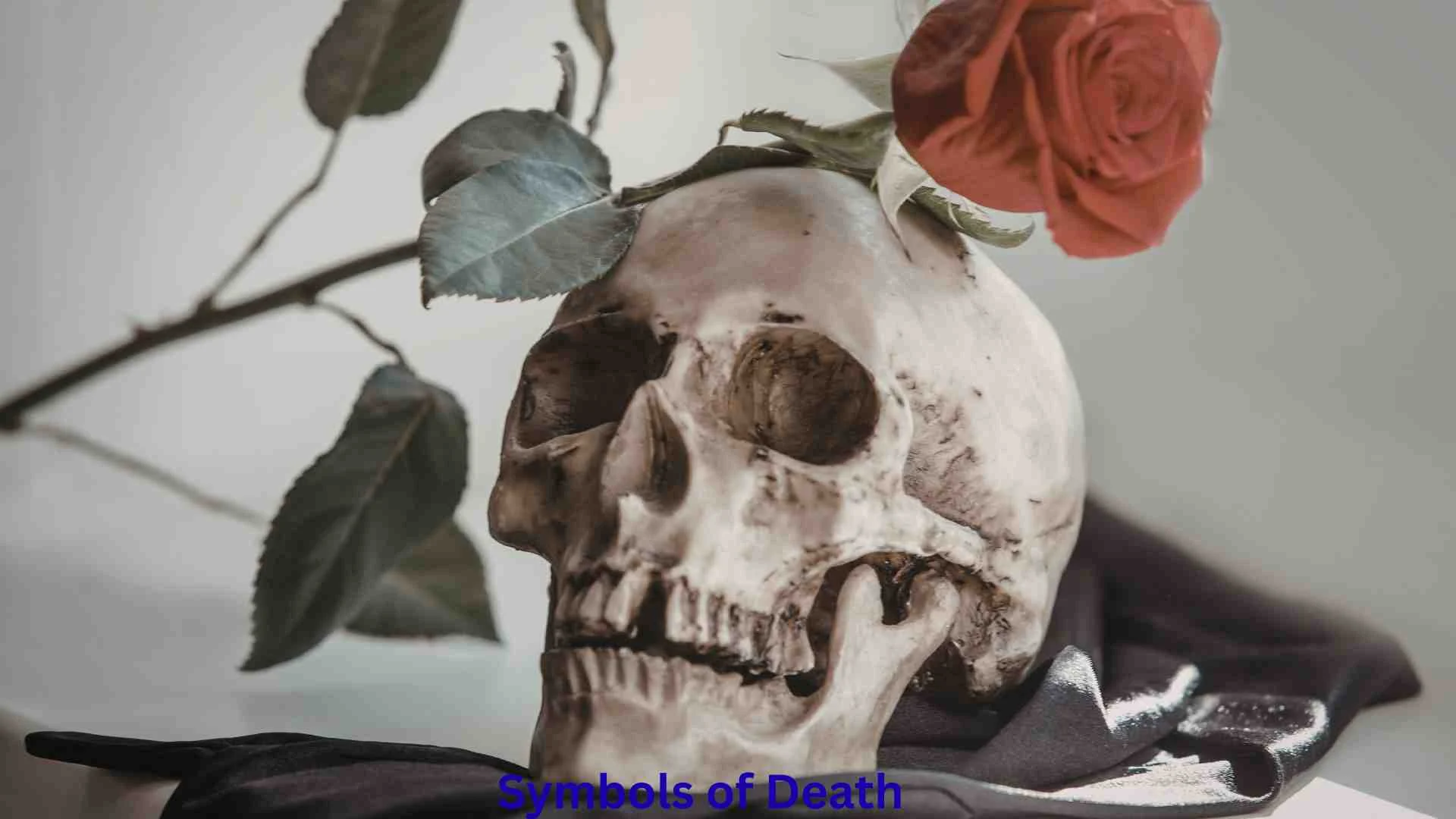
Symbols of death are visual signs, objects, animals, or images that represent death, mortality, mourning, or the transition between life and the afterlife.
In short, symbols of death help people understand, express, and cope with the idea of death across cultures and history.
From ancient skull carvings to modern memorial symbols, these images carry deep emotional, spiritual, and cultural meanings.
What Are Symbols of Death?
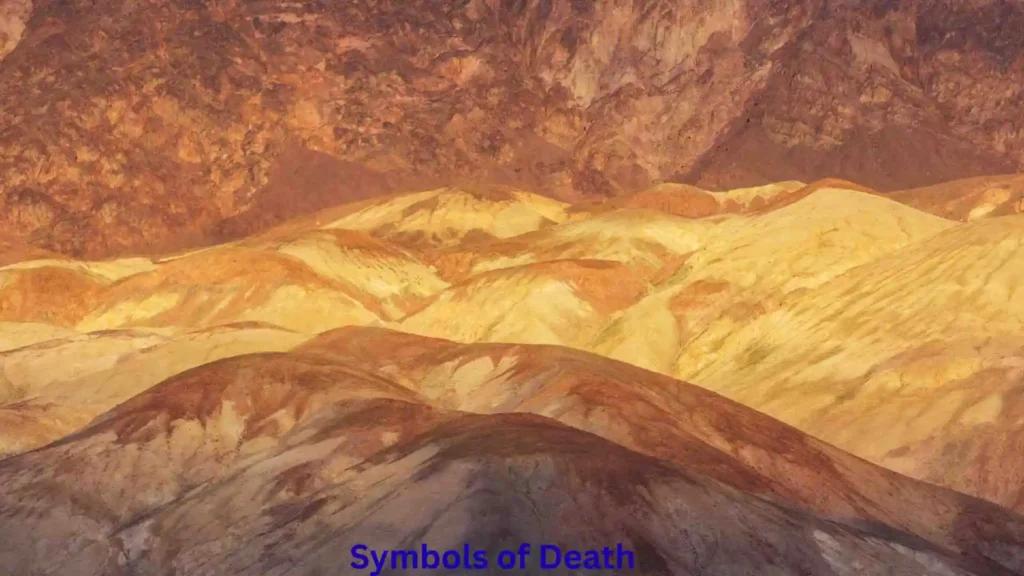
Symbols of death are objects or images used to represent death, endings, remembrance, or the afterlife. These symbols appear in:
- Art
- Religion
- Literature
- Graveyards
- Folklore
- Cultural rituals
Humans have used symbols of death for thousands of years to express grief, remember loved ones, and explain the mystery of death.
Unique Symbols of Death
Across the world, there are many unique symbols associated with death. These symbols do not always represent fear; instead, they often reflect transition, rebirth, or the cycle of life.
Some commonly recognized symbols include:
- Skull – Represents mortality and the physical end of life
- Hourglass – Symbol of time running out and life’s limited duration
- Black raven – Often linked with death and mystery in folklore
- Crossed bones – A warning symbol of danger and death
- Black butterfly – In some cultures, represents the soul leaving the body
These symbols vary in meaning depending on cultural interpretation, but all are deeply connected to the concept of human mortality.
Symbols of Death Plants
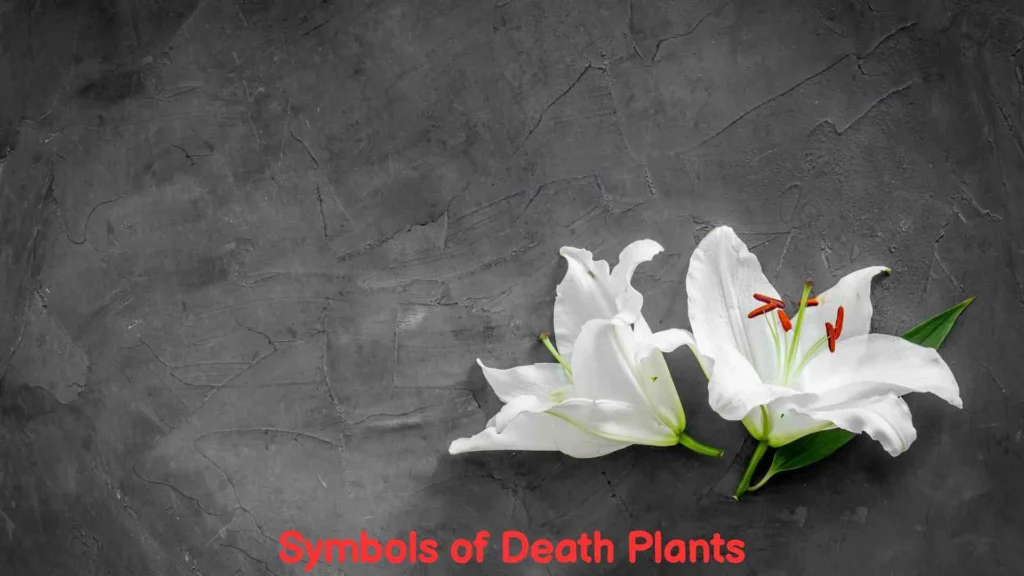
Nature also carries powerful symbols of death through certain plants and flowers. These are often associated with mourning, darkness, or the afterlife.
Some well-known death-related plants include:
- Black rose – Symbolizes farewell, loss, and endings
- Hemlock – Historically known as a poisonous plant linked with death (notably Socrates)
- Cypress tree – In many cultures, represents mourning and cemetery symbolism
- Yew tree – Associated with eternal life and graveyards in European traditions
- Deadly nightshade (Belladonna) – A toxic plant often connected with mystery and death
These plants are not just biological species but also carry deep symbolic meanings in literature and mythology.
Ancient Symbols of Death
Ancient civilizations created powerful imagery to represent death and the afterlife. These symbols were often tied to gods, rituals, and burial practices.
Examples include:
- Ankh (Egyptian symbol) – While it represents life, it is also connected to the afterlife and immortality
- Anubis imagery – The Egyptian god of mummification and death
- Greek funerary urns – Used to store ashes, symbolizing transition after death
- Skull motifs in Aztec culture – Represented honor for the dead and cyclical life beliefs
- Skeletal imagery in Roman art – Reminder of mortality and “memento mori” philosophy
Ancient symbols show that death was not always feared but often respected as part of life’s natural cycle.
Symbols of Death Tattoo
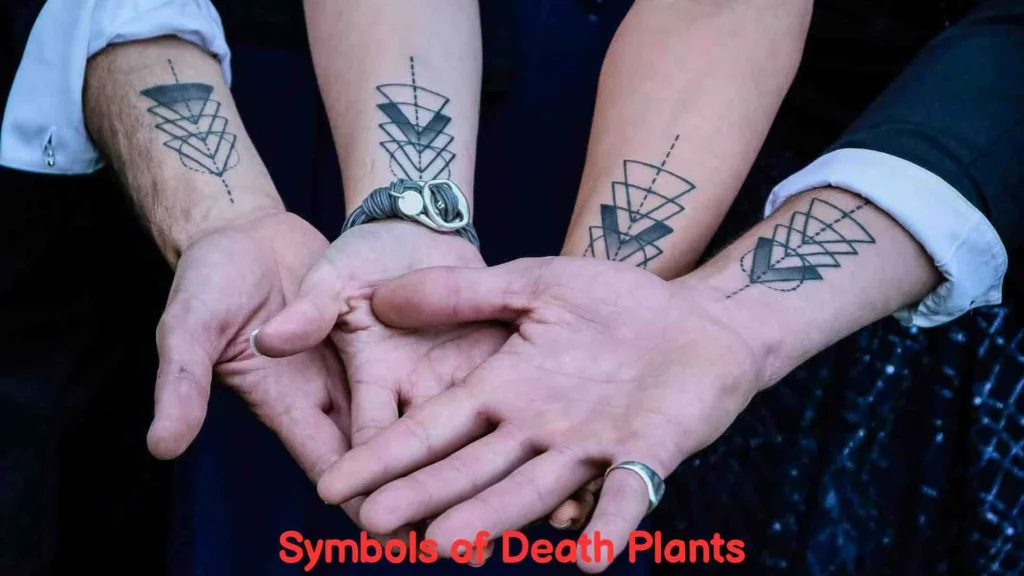
Death symbols are widely used in tattoo art because they represent deep personal meanings such as loss, transformation, strength, or fearlessness.
Popular death-related tattoo designs include:
- Skull tattoos (classic symbol of mortality)
- Grim reaper designs (personification of death)
- Hourglass tattoos (time and inevitability of death)
- Raven tattoos (mystery and spiritual transition)
- Skeleton hand tattoos (fragility of life)
Many people choose these tattoos not only for their dark aesthetic but also for their philosophical meaning about life and death.
Symbols of Death WoW
In the game World of Warcraft, death-related symbols are used heavily in lore, factions, and character design. These symbols often represent necromancy, dark magic, and the undead.
Key examples include:
- Skull emblems used by undead factions
- The Lich King’s crown and runes – symbolizing control over death
- Forsaken insignia – representing undead rebellion and survival
- Death knight runes – used to control life-draining powers
In WoW, death is not just an end but a source of power, making it a central theme in gameplay and storytelling.
Symbols of Death in Greek Mythology
Greek mythology has a rich collection of death-related symbols and figures that represent the underworld and the afterlife.
Important symbols and entities include:
- Hades – God of the underworld, ruler of the dead
- Cerberus – Three-headed dog guarding the entrance to the underworld
- River Styx – The boundary between life and death
- Charon – The ferryman who transports souls across the Styx
- Thanatos – Personification of peaceful death
In Greek mythology, death was not purely evil but a structured part of the cosmic order.
Why Symbols of Death Exist
Death is a universal experience, but it is also mysterious and emotional. Symbols help people express feelings that words cannot fully describe.
Main Reasons Symbols of Death Exist
- To honor the dead
- To express mourning and grief
- To represent the afterlife
- To warn or remind people about mortality
- To preserve cultural traditions
These symbols help individuals and societies cope with loss and reflect on the meaning of life.
The Historical Origins of Symbols of Death
Symbols of death have existed since ancient civilizations.
Ancient Egypt
Ancient Egyptians believed strongly in the afterlife. They used symbols such as:
- The ankh – symbolizing eternal life
- Mummies and tomb paintings
- Sacred animals linked to death and rebirth
Their burial practices show how deeply symbols were connected to their belief in life after death.
Ancient Greece and Rome
Greek and Roman cultures used many death-related symbols.
Examples include:
- Funeral urns
- Laurel wreaths
- Images of skeletons
These symbols reflected beliefs about the soul’s journey after death.
Medieval Europe
During medieval times, symbols of death became more visible due to frequent wars and diseases.
Common symbols included:
- Skulls
- Skeletons
- Grim figures holding tools
These images reminded people that death was unavoidable.
Most Common Symbols of Death and Their Meanings
Different cultures share many common symbols of death. Below are some of the most recognized ones.
Skull as a Symbol of Death
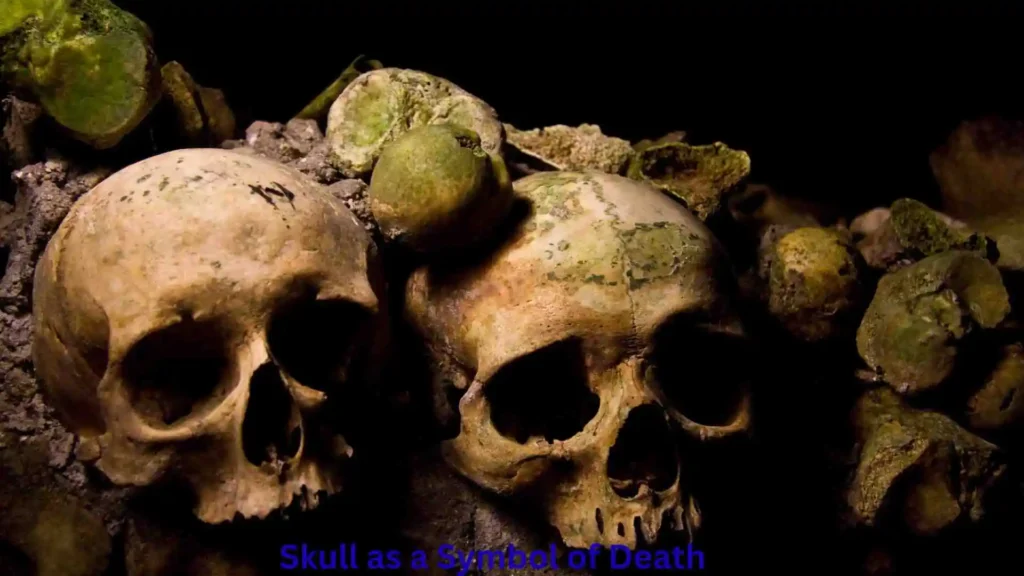
The skull is perhaps the most widely recognized symbol of death.
Meaning of the Skull
- Represents mortality
- Reminds people that life is temporary
- Symbolizes the human body after death
Where You See Skull Symbols
- Graveyards
- Pirate flags
- Halloween decorations
- Medical warnings
- Historical tombstones
Interesting Fact
In some cultures, skulls are not frightening but celebratory, representing remembrance and respect for ancestors.
Skeleton as a Symbol of Death
Skeletons represent the structure left behind after death.
Meaning of Skeletons
- Symbol of mortality
- Reminder of life’s fragility
- Representation of death itself
Skeleton imagery is often used in storytelling and folklore to personify death.
The Grim Reaper
One of the most famous symbols of death is the Grim Reaper.
Description
The Grim Reaper is usually shown as:
- A skeleton
- Wearing a black robe
- Carrying a scythe
Meaning
The Grim Reaper symbolizes:
- The collector of souls
- The arrival of death
- The passage from life to death
Historical Background
The Grim Reaper became popular during the Black Death in Europe, when millions died from plague.
The Scythe
The scythe is often linked to death because of its association with harvesting.
Meaning of the Scythe
- Symbolizes cutting life short
- Represents harvest of souls
- Shows the cycle of life and death
The scythe reflects the idea that death is part of nature’s cycle.
The Coffin
A coffin is directly connected to burial practices.
Meaning
- Represents physical death
- Symbol of mourning
- Reminder of burial rituals
Coffin imagery appears in cemeteries, art, and cultural rituals.
Black Color as a Symbol of Death
Color itself can act as a symbol of death.
Meaning of Black
- Mourning
- Loss
- Respect for the dead
In many cultures, black clothing is worn during funerals to show grief and respect.
The Raven or Crow
Birds such as ravens and crows are strongly linked to death symbolism.
Meaning
- Messenger between life and death
- Symbol of mystery
- Associated with dark events
Cultural Background
In folklore, ravens were believed to guide souls to the afterlife.
The Owl
Owls are sometimes considered symbols of death in certain cultures.
Meaning
- Mystery
- Night
- Transition between worlds
Some traditions believe hearing an owl near a house signals bad news.
The Hourglass

The hourglass represents the passing of time.
Meaning
- Limited lifespan
- Reminder that time is running out
- Symbol of mortality
You often see hourglass images on old gravestones.
The Wilted Flower
Flowers symbolize life, but wilted flowers symbolize death.
Meaning
- End of life
- Loss of beauty
- Passage of time
Common Examples
- Wilted roses
- Dying lilies
These images represent fading life.
The Cross
In Christianity, the cross is deeply connected to death and resurrection.
Meaning
- Death of Jesus Christ
- Sacrifice
- Hope and resurrection
Unlike many symbols of death, the cross also represents new life and salvation.
Cultural Differences in Symbols of Death
Different cultures view death symbols differently.
Symbols of Death in Western Culture
Western cultures often use:
- Skulls
- Skeletons
- Black clothing
- Coffins
These symbols reflect mourning and finality.
Symbols of Death in Eastern Cultures
Eastern traditions sometimes see death as transformation rather than an ending.
Examples include:
- White clothing for funerals
- Lotus flowers
- Incense smoke
White symbolizes purity and transition in many Asian cultures.
Symbols of Death in Ancient Mythology
Mythology contains many powerful death symbols.
Egyptian Mythology
- Jackal-headed figures guarding tombs
- Symbols of judgment after death
Greek Mythology
- Rivers representing passage to the afterlife
- Ferrymen guiding souls
These stories shaped many modern symbols.
Symbols of Death in Literature
Writers use death symbols to create emotion and meaning.
Examples in Stories
- Ravens representing doom
- Storms symbolizing danger
- Dark forests representing unknown endings
These symbols make stories more powerful.
Symbols of Death in Art
Artists have long used death symbols to explore human emotions.
Famous Art Themes
- Still-life paintings with skulls
- Dark portraits
- Memorial sculptures
These works remind viewers about mortality.
Symbols of Death in Modern Media
Death symbolism is common in movies, games, and entertainment.
Examples
- Horror films using skull imagery
- Video games using skull icons for danger
- Warning labels using skeleton symbols
These symbols communicate danger instantly.
Practical Uses of Symbols of Death
Symbols of death are not only symbolic—they have practical uses.
Warning Signs and Safety Symbols
Skull symbols are widely used for safety.
Examples
- Poison labels
- Hazard warnings
- Toxic material containers
These symbols help prevent accidents and save lives.
Medical and Health Uses
Symbols related to death help communicate serious risks.
Examples include:
- Dangerous drug warnings
- Biohazard symbols
- Emergency signage
These visuals protect public health.
Memorials and Remembrance
Symbols of death help people remember loved ones.
Common Memorial Symbols
- Tombstones
- Candles
- Flowers
They express love and respect.
Funeral and Mourning Practices
Symbols of death play an important role in rituals.
Examples:
- Wearing black clothing
- Lighting candles
- Placing flowers on graves
These actions help people cope with grief.
Psychological Impact of Symbols of Death
Symbols of death influence emotions and thinking.
Emotional Effects
- Encourage reflection on life
- Help express grief
- Provide comfort during mourning
They help individuals process loss.
Benefits of Symbols of Death for Society
Although they may seem frightening, these symbols serve important purposes.
Key Benefits
- Improve safety awareness
- Preserve cultural traditions
- Support emotional healing
- Encourage reflection on life values
Supporting Cultural Identity
Symbols of death help preserve traditions and beliefs passed down through generations.
Promoting Safety and Awareness
Danger symbols prevent accidents and save lives.
Encouraging Respect for Life
By reminding people of mortality, these symbols promote meaningful living.
Interesting Facts About Symbols of Death
Here are some fascinating facts:
- Skulls were once carved into pirate flags to scare enemies.
- Some cultures celebrate death festivals rather than mourn silently.
- Many ancient tombs contain detailed symbolic carvings.
- Some symbols represent both death and rebirth.
Legends and Stories Connected to Symbols of Death
Many cultures have stories linked to death symbols.
The Story of the Grim Collector
In medieval folklore, people believed death walked the earth carrying a scythe, collecting souls like harvested crops.
This story reflected fears during times of widespread disease.
The Raven Messenger Legend
In some traditions, ravens were believed to carry messages from the dead to the living.
These legends made the raven a powerful death symbol.
Symbols of Death in Modern Society
Even today, symbols of death remain relevant.
In Entertainment and Pop Culture
Modern films and games frequently use death symbols to create dramatic effects.
Examples include:
- Skull logos
- Dark cloaked figures
- Cemetery scenes
These visuals communicate danger instantly.
In Digital Communication
Even emojis sometimes represent death.
Examples:
- Skull emoji used humorously
- Ghost symbols used during celebrations
Digital symbols continue traditional meanings in new forms.
Ethical Considerations Around Death Symbols
Not all people view death symbols the same way.
Important Considerations
- Cultural sensitivity
- Respect for beliefs
- Avoiding misuse in serious contexts
Understanding these differences promotes respect and harmony.
Frequently Asked Questions (FAQs)
1. What are symbols of death?
Symbols of death are images, objects, or signs used to represent death, mortality, mourning, or the afterlife.
2. Why is the skull a symbol of death?
The skull represents the human body after death, making it a universal reminder of mortality.
3. Are symbols of death the same in every culture?
No, different cultures use different symbols, such as black clothing in Western cultures and white clothing in some Eastern traditions.
4. Why are ravens linked to death?
Ravens are associated with mystery and darkness, and many legends describe them as messengers between worlds.
5. How are symbols of death used today?
They are used in safety warnings, memorials, art, literature, entertainment, and cultural rituals.
Conclusion
Symbols of death have played an essential role in human culture for thousands of years. From ancient civilizations to modern societies, these symbols help people express grief, remember loved ones, and understand the mystery of life and death. Whether used in art, religion, safety warnings, or cultural traditions, symbols of death carry deep emotional and practical significance. By learning about these symbols, we gain insight into history, culture, and human emotions, while also understanding how society uses symbolism to communicate powerful ideas.

Clara Miles
Hello! I’m Clara, a lifelong dreamer who finds magic in everyday moments. Writing has always been my way of exploring the world and understanding the people around me. I love creating stories that make readers laugh, cry, and reflect on life’s little surprises. When I’m not writing, you can usually find me sipping coffee at a cozy café or wandering through nature with a notebook in hand. My journey as an author is fueled by curiosity, imagination, and a love for connecting with my readers. Every story I write is a piece of my heart, and I hope it inspires yours too.
Books:
-
Whispers of the Heart
-
Shadows and Sunlight