
Hyundai dashboard symbols and meanings help drivers understand what their vehicle is trying to communicate.
In short, these dashboard warning lights and indicators alert you about safety issues, maintenance needs, engine problems, fuel levels, and important driving functions. Learning these symbols can help you stay safe, avoid costly repairs, and drive with confidence.
Modern Hyundai vehicles are packed with smart technology, and the dashboard acts like a communication center between the car and the driver.
From a simple seat belt reminder to a serious engine warning light, every symbol has a purpose. Whether you drive a Hyundai Elantra, Tucson, Sonata, Santa Fe, Kona, or Palisade, understanding dashboard symbols is essential for safe and stress-free driving.
What Are Hyundai Dashboard Symbols?
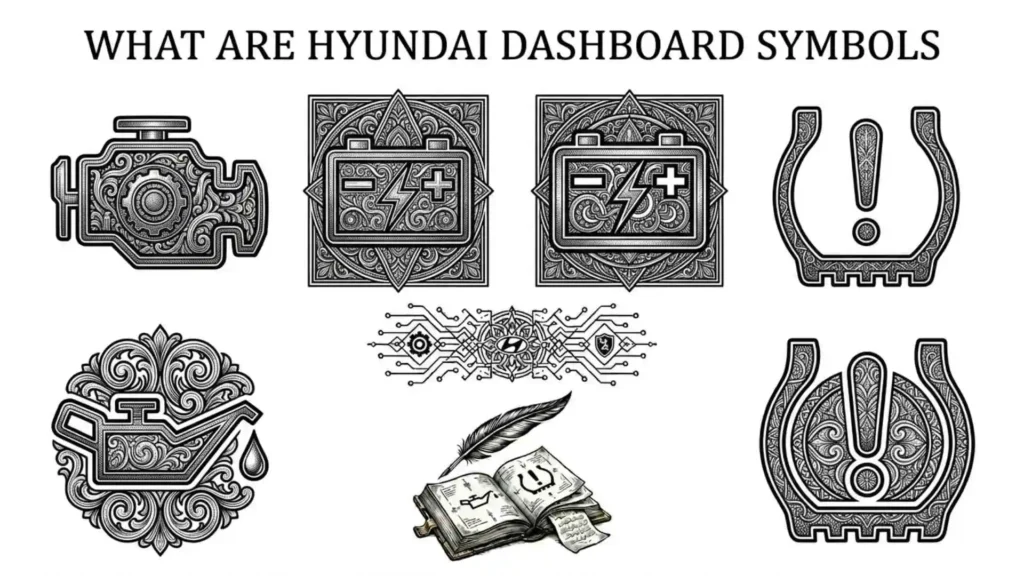
Hyundai dashboard symbols are visual indicators that appear on your vehicle’s instrument cluster. These symbols provide information about your car’s systems and overall condition.
Some symbols simply give updates, while others warn about urgent mechanical or safety problems.
Dashboard symbols generally fall into three categories:
- Warning lights
- Indicator lights
- Information symbols
Each symbol uses colors to show urgency.
Red Symbols
Red lights usually indicate serious issues requiring immediate attention.
Examples:
- Brake warning
- Engine overheating
- Oil pressure warning
Yellow or Orange Symbols
Yellow lights often mean caution or maintenance is needed soon.
Examples:
- Check engine light
- Tire pressure warning
- ABS warning
Green or Blue Symbols
These lights usually indicate that a feature is active.
Examples:
- Headlights
- Cruise control
- Eco mode
Understanding these color differences can help you react appropriately while driving.
Why Dashboard Symbols Matter
Many drivers ignore dashboard lights until a problem becomes severe. This can lead to expensive repairs or dangerous situations.
Dashboard symbols matter because they:
- Protect your engine
- Improve road safety
- Prevent accidents
- Reduce repair costs
- Help maintain vehicle performance
Modern vehicles are highly computerized. Dashboard alerts act like an early warning system for hidden problems.
For example, noticing a low tire pressure symbol early could prevent a tire blowout on the highway.
The History of Dashboard Warning Symbols
Dashboard indicators became common in the 1930s and 1940s as cars became more advanced.
Older vehicles only had basic gauges for:
- Speed
- Fuel
- Temperature
As automotive technology evolved, manufacturers introduced electronic warning systems.
Today, companies like Hyundai Motor Company use sophisticated digital dashboards capable of monitoring dozens of vehicle systems in real time.
Modern Hyundai vehicles may include:
- Smart driving assistance
- Lane keeping technology
- Collision warnings
- Hybrid system indicators
- Electric vehicle monitoring
This evolution has made dashboard symbols more important than ever.
Common Hyundai Dashboard Symbols and Meanings
Let’s explore the most common Hyundai dashboard warning lights and what they mean.
Check Engine Light
The check engine light is one of the most recognized dashboard symbols.
What It Looks Like
It usually appears as:
- A small engine icon
- Yellow or orange color
What It Means
This light indicates a problem with:
- Engine performance
- Emissions system
- Sensors
- Fuel system
Possible Causes
- Loose fuel cap
- Faulty oxygen sensor
- Engine misfire
- Catalytic converter issues
What You Should Do
If the light stays steady:
- Drive carefully
- Schedule inspection soon
If the light flashes:
- Stop driving immediately
- Seek professional help
Ignoring a flashing engine light can damage the engine seriously.
Oil Pressure Warning Light
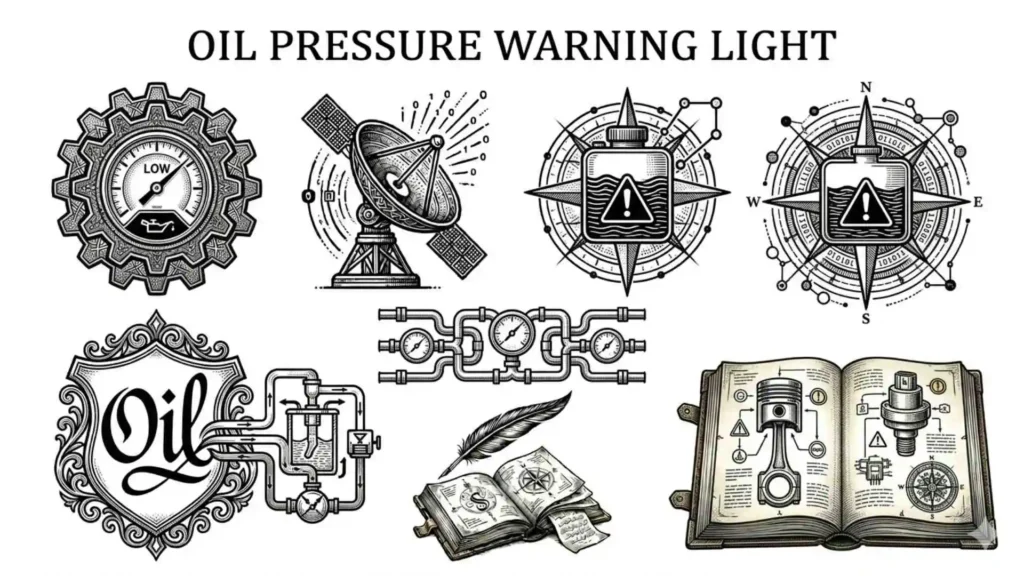
This symbol is extremely important.
What It Looks Like
It resembles:
- An oil can with a drop
What It Means
Your engine may not have enough oil pressure.
Possible Causes
- Low engine oil
- Oil leak
- Faulty oil pump
Why It Matters
Without proper lubrication, engine parts can grind against each other and fail.
What to Do
- Stop the car safely
- Check oil level
- Add oil if needed
- Visit a mechanic immediately
Driving with this warning can destroy the engine.
Battery Warning Light
This symbol alerts drivers to charging system problems.
Appearance
A battery-shaped icon.
Meaning
Your car battery or charging system may not be working properly.
Common Causes
- Weak battery
- Faulty alternator
- Loose battery cables
Practical Example
If your headlights dim and the battery light appears, the alternator may not be charging the battery correctly.
Recommended Action
- Reduce electrical usage
- Get the battery and alternator checked
Brake Warning Light
This warning should never be ignored.
What It Looks Like
Usually:
- A circle with an exclamation mark
- Or the word “BRAKE”
Possible Meanings
- Parking brake engaged
- Low brake fluid
- Brake system malfunction
Why It’s Important
Brakes are critical for safety.
What You Should Do
If the light remains on:
- Check parking brake first
- Inspect brake fluid
- Seek professional service immediately
Tire Pressure Monitoring System (TPMS) Light
Modern Hyundai vehicles include tire pressure monitoring systems.
Appearance
A horseshoe-shaped symbol with an exclamation mark.
Meaning
One or more tires have incorrect pressure.
Why Tire Pressure Matters
Proper tire pressure:
- Improves fuel efficiency
- Enhances safety
- Extends tire life
Example
Cold weather often lowers tire pressure and triggers this warning.
Solution
Check all tires with a pressure gauge and inflate them to recommended levels.
Engine Temperature Warning Light
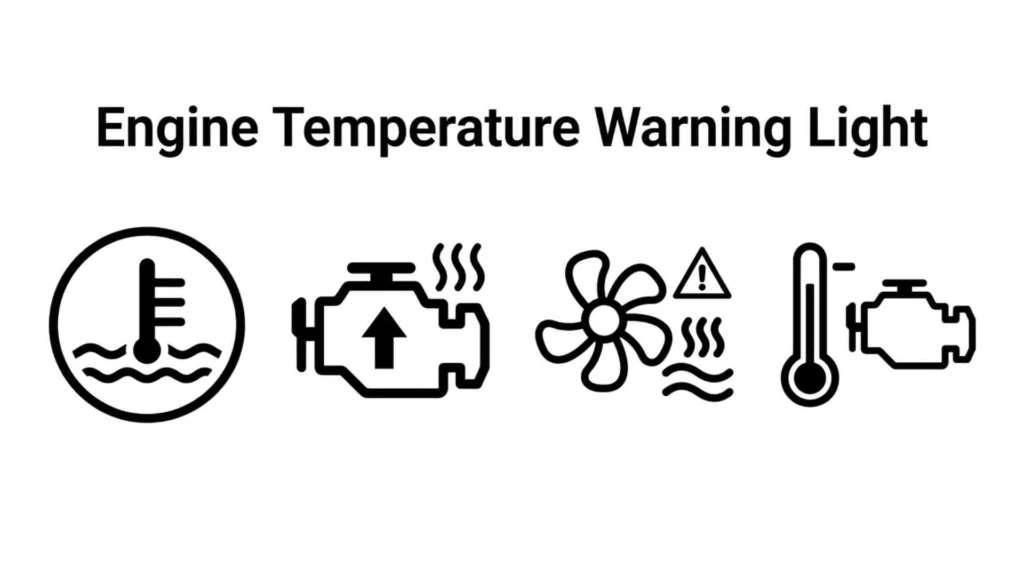
Overheating can severely damage engines.
Appearance
A thermometer over waves.
Meaning
The engine temperature is too high.
Possible Causes
- Low coolant
- Cooling fan failure
- Radiator leak
What to Do
- Pull over safely
- Turn off engine
- Allow cooling
- Check coolant level
Never open a hot radiator cap immediately.
ABS Warning Light
ABS stands for Anti-lock Braking System.
Appearance
Letters “ABS” inside a circle.
Meaning
Your ABS system may not function properly.
What Happens
Regular brakes may still work, but emergency braking assistance could fail.
Why ABS Matters
ABS helps prevent wheel lock during sudden braking.
This improves steering control during emergencies.
Airbag Warning Light
This symbol relates to vehicle safety systems.
Appearance
A seated figure with a circle in front.
Meaning
Airbag system malfunction detected.
Why It’s Serious
Airbags may not deploy properly during an accident.
Recommended Action
Have the system inspected immediately.
Seat Belt Reminder Light
One of the most familiar dashboard symbols.
Appearance
A seated figure with a seat belt.
Purpose
Reminds passengers to buckle up.
Impact on Society
Seat belt reminders have saved countless lives worldwide.
According to road safety studies, seat belts dramatically reduce fatal injuries during crashes.
Fuel Warning Light
This symbol alerts drivers about low fuel.
Appearance
A gas pump icon.
Meaning
Fuel level is critically low.
Helpful Tip
Most Hyundai vehicles still have a small fuel reserve after the light appears, but refueling soon is recommended.
Electronic Stability Control (ESC) Light
ESC improves vehicle stability.
Appearance
A car with skid marks.
Meaning
The system is actively helping maintain traction.
Practical Example
During slippery road conditions, ESC helps prevent skidding.
Why It Matters
This technology reduces accident risks significantly.
Hyundai Smart Safety Symbols
Modern Hyundai vehicles include advanced driver assistance systems.
These systems use dashboard indicators to communicate with drivers.
Lane Keeping Assist Symbol
Function
Warns drivers when drifting out of lanes.
Benefit
Reduces distracted driving accidents.
Forward Collision Warning
Purpose
Alerts drivers about possible front-end collisions.
Real-World Impact
These systems help prevent crashes in heavy traffic.
Blind Spot Monitoring Indicator
Meaning
Detects vehicles in hard-to-see areas.
Benefit
Improves lane-changing safety.
Hybrid and Electric Hyundai Symbols
Hyundai produces many hybrid and electric vehicles today.
These cars have additional dashboard symbols.
EV Battery Indicator
Shows electric battery charge levels.
Charging Symbol
Appears while charging the vehicle.
Regenerative Braking Indicator
Displays energy recovery during braking.
These features help drivers monitor electric performance efficiently.
Interesting Facts About Dashboard Symbols
Dashboard Icons Are International
Many symbols are standardized globally so drivers from different countries can understand them.
Some Symbols Perform Self-Tests
When starting your Hyundai, dashboard lights briefly illuminate to confirm systems are functioning.
Digital Dashboards Are Growing
New Hyundai models increasingly use customizable digital displays instead of traditional gauges.
Warning Sounds Matter Too
Many warning symbols are paired with sounds or voice alerts for extra safety.
Common Mistakes Drivers Make
Understanding symbols is helpful, but avoiding mistakes is equally important.
Ignoring Warning Lights
Many drivers delay repairs until problems worsen.
Using Tape to Cover Lights
Some people cover annoying lights instead of fixing issues.
This can be dangerous.
Assuming All Lights Are Serious
Not every symbol indicates danger. Some simply show active features.
Forgetting Maintenance
Dashboard reminders help maintain vehicle health.
Ignoring service reminders shortens vehicle lifespan.
How Dashboard Technology Benefits Society
Dashboard systems improve more than individual driving experiences.
They also benefit society overall.
Safer Roads
Warning systems reduce accidents and injuries.
Reduced Pollution
Engine monitoring helps lower harmful emissions.
Lower Repair Costs
Early warnings prevent catastrophic mechanical failures.
Better Fuel Efficiency
Monitoring systems encourage proper maintenance and efficient driving.
Practical Tips for Hyundai Drivers
Read the Owner’s Manual
Every Hyundai model may use slightly different symbols.
Don’t Panic
Some warnings are minor.
Stay calm and assess the situation carefully.
Use Diagnostic Tools
OBD-II scanners can identify engine trouble codes.
Schedule Regular Maintenance
Routine servicing prevents many warning lights from appearing.
Pay Attention to Changes
Strange noises, smells, or vibrations alongside dashboard warnings often indicate serious problems.
Hyundai Dashboard Symbols in Extreme Weather
Weather conditions can affect dashboard warnings.
Winter
Cold temperatures may trigger:
- Low tire pressure warnings
- Battery alerts
Summer
Hot weather may increase:
- Engine overheating risks
- Coolant system stress
Rainy Conditions
Traction control and ESC systems may activate more frequently.
Understanding weather impacts helps drivers respond correctly.
The Future of Hyundai Dashboard Systems
Dashboard technology continues evolving rapidly.
Future Hyundai vehicles may include:
- AI-powered diagnostics
- Augmented reality displays
- Voice-controlled alerts
- Predictive maintenance systems
These innovations aim to improve:
- Safety
- Convenience
- Efficiency
As vehicles become smarter, dashboard communication will become even more advanced.
Frequently Asked Questions (FAQs)
1. What is the most serious Hyundai dashboard warning light?
The oil pressure warning and engine overheating lights are among the most serious because they can cause severe engine damage.
2. Can I drive with the check engine light on?
If the light is steady, short-term driving may be possible. If it flashes, stop driving and seek professional help immediately.
3. Why does my tire pressure light stay on after filling tires?
The TPMS system may need resetting, or one tire may still have incorrect pressure.
4. What color dashboard lights require immediate attention?
Red warning lights usually require immediate action because they indicate serious safety or mechanical issues.
5. Do all Hyundai models use the same dashboard symbols?
Most symbols are similar, but newer Hyundai models may include additional indicators for advanced technologies.
Conclusion
Understanding Hyundai dashboard symbols and meanings is one of the most important skills every driver should learn. These warning lights and indicators are designed to keep drivers informed, safe, and aware of their vehicle’s condition at all times.
From simple reminders like seat belts and fuel levels to serious alerts involving brakes, engine temperature, or oil pressure, every symbol serves a valuable purpose. By responding quickly and correctly to dashboard warnings, drivers can avoid expensive repairs, reduce accident risks, and extend the life of their vehicles.
Modern Hyundai vehicles combine advanced technology with intelligent safety systems, making dashboard symbols an essential communication tool between the car and the driver. Whether you are a beginner or an experienced driver, learning these symbols can make every journey safer and more confident.

Isaac Wellington
I’ve always been fascinated by the hidden stories in everyday life and the power of words to change how we see the world. Writing, for me, isn’t just a profession—it’s a way to explore human emotions, mysteries, and the unexpected twists of life. Over the years, I’ve dedicated myself to creating stories that linger in your mind long after the last page. When I’m not writing, you’ll usually find me wandering through old libraries or sketching ideas in a notebook. I believe every story has a heartbeat, and I aim to capture that rhythm in my work. Join me on a journey where imagination meets reality, and the ordinary becomes extraordinary.
Books:
-
Shadows of the Forgotten
-
Whispers Through Time