German symbols are powerful signs, images, and emblems that represent the history, culture, traditions, and identity of Germany.
From the famous eagle to the Black Forest cuckoo clock, these symbols tell stories about German heritage, unity, strength, and creativity. Understanding German symbols helps people learn more about Germany’s rich past and its influence on modern society.
Germany is known for its deep history, artistic achievements, scientific discoveries, and strong national identity.
Over the centuries, many symbols have become connected with German culture. Some are official national emblems, while others are traditional icons recognized around the world.
In this article, we will explore the most important German symbols, their meanings, historical backgrounds, and their role in modern life.
What Are German Symbols?
German symbols are objects, animals, signs, monuments, or cultural items associated with Germany and its people. These symbols may represent:
- National identity
- Historical events
- Cultural traditions
- Religious beliefs
- Regional heritage
- Political power
- Artistic expression
Some German symbols are ancient and date back to medieval times, while others became popular during modern history.
Why German Symbols Matter
Symbols help people connect with their culture and history. In Germany, symbols are used in:
- Government and politics
- Festivals and celebrations
- Sports events
- Tourism
- Education
- Art and architecture
They also help preserve traditions and teach younger generations about their roots.
The German Eagle: Germany’s National Symbol
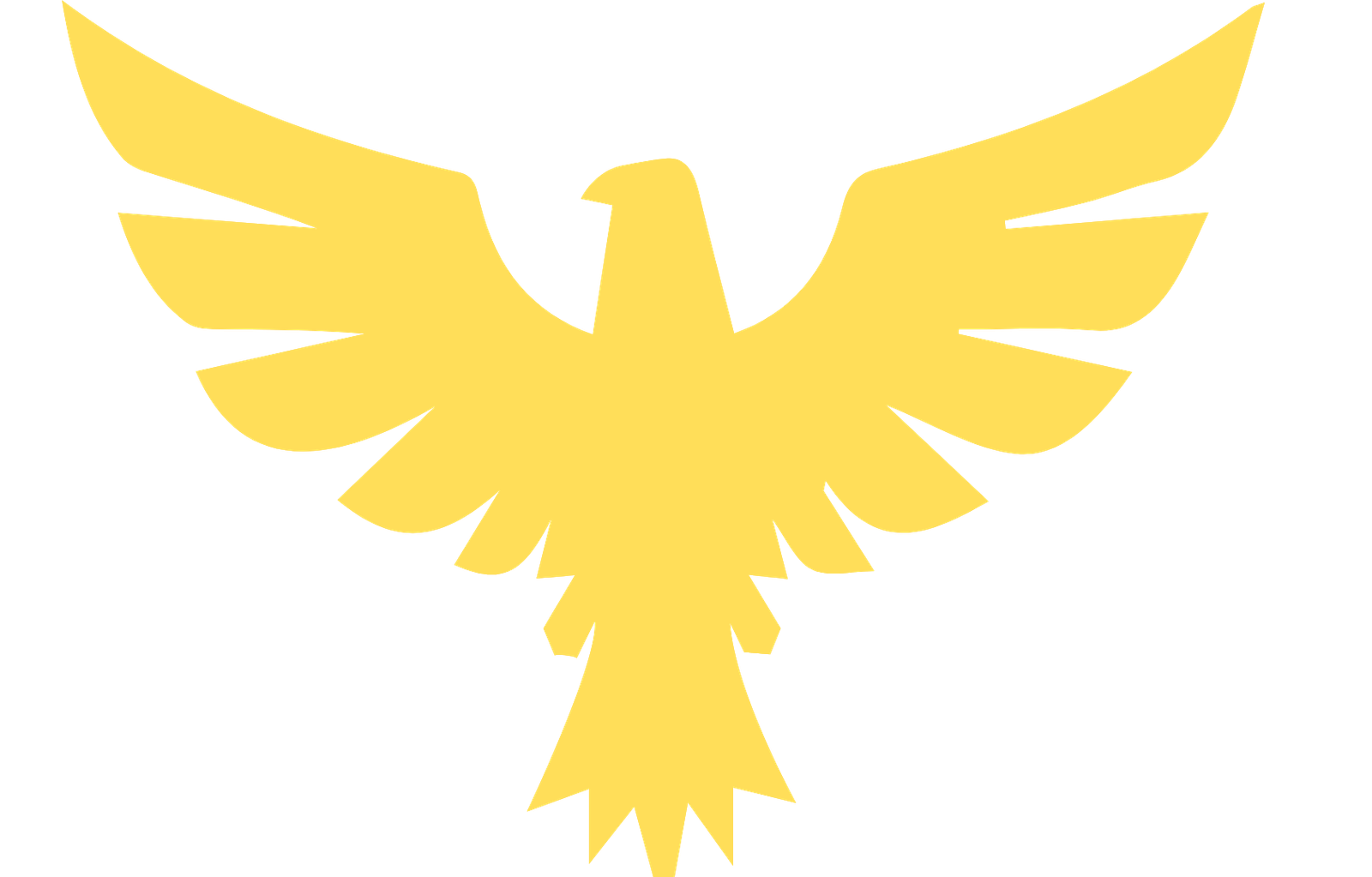
One of the most recognized German symbols is the German Eagle, also known as the Bundesadler.
History of the German Eagle
The eagle has been connected with German lands for over a thousand years. It was first used during the Holy Roman Empire. Emperors chose the eagle because it symbolized:
- Strength
- Courage
- Power
- Leadership
Over time, different versions of the eagle appeared in German kingdoms and governments.
Modern Meaning
Today, the German eagle appears on:
- Passports
- Coins
- Government buildings
- Official documents
- Sports uniforms
The modern eagle represents democracy, unity, and the German state.
Interesting Fact
The eagle was also used in ancient Roman culture, which influenced many European empires.
The German Flag and Its Symbolism
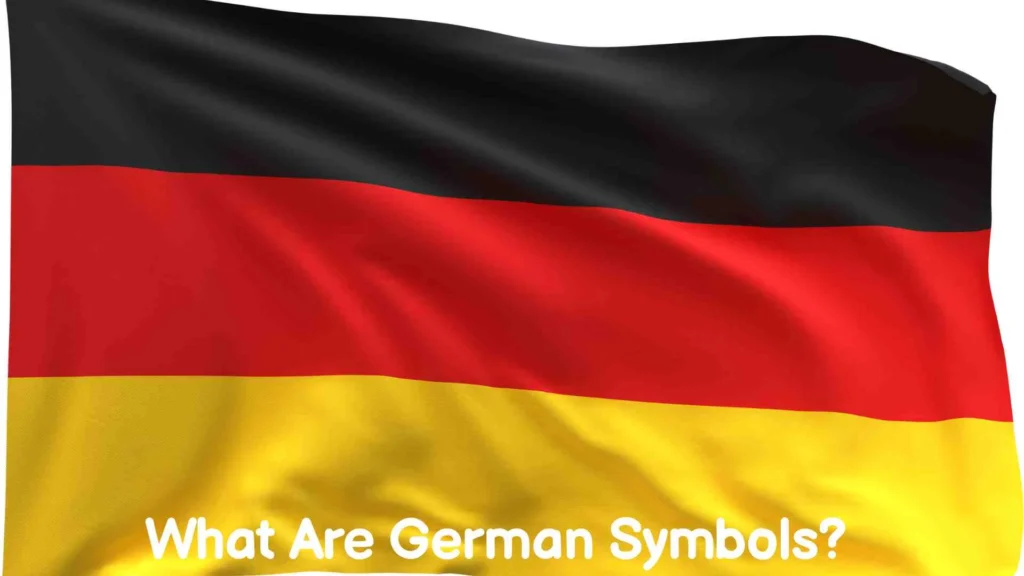
The German flag is another important national symbol.
Colors of the German Flag
The flag has three horizontal stripes:
- Black
- Red
- Gold
These colors have deep historical meaning.
What the Colors Represent
Many historians believe the colors symbolize:
- Black: Strength and determination
- Red: Courage and sacrifice
- Gold: Freedom and hope
Historical Background
The black-red-gold colors became popular during the 19th century when Germans wanted national unity and democracy.
After World War II, West Germany adopted the flag again as a symbol of freedom and peace.
Modern Importance
Today, the flag is proudly displayed during:
- National holidays
- Football matches
- International events
- Cultural festivals
It represents modern democratic Germany.
The Brandenburg Gate
The Brandenburg Gate is one of the most famous landmarks in Germany.
Historical Significance
Located in Berlin, the gate was built in the 18th century. It became a symbol of:
- Peace
- Unity
- Freedom
During the Cold War, the Berlin Wall divided Germany, and the Brandenburg Gate stood near the border between East and West Berlin.
Symbol of Reunification
When Germany reunited in 1990, the gate became a global symbol of unity and hope.
Modern Role
Today, millions of tourists visit the Brandenburg Gate every year. It is often used during celebrations and public events.
The Iron Cross
The Iron Cross is a historical German military symbol.
Origin of the Iron Cross
It was first introduced in 1813 by King Frederick William III of Prussia during the Napoleonic Wars.
Meaning
The symbol represented:
- Bravery
- Honor
- Military service
Controversial History
The Iron Cross was used during different wars, including World War I and World War II. Because of this, it carries both historical pride and sensitive political associations.
Modern Use
Today, a modern version of the Iron Cross is still used by the German military, known as the Bundeswehr.
The Oak Tree and Oak Leaves
Nature also plays an important role in German symbolism.
Why the Oak Tree Is Important
The oak tree symbolizes:
- Strength
- Stability
- Loyalty
- Endurance
For centuries, Germans admired oak forests and linked them with national identity.
Use in German Culture
Oak leaves appear on:
- Coins
- Military badges
- Monuments
- Artworks
Interesting Cultural Connection
German folklore often describes oak trees as sacred and magical places connected with ancient traditions.
The Black Forest as a Cultural Symbol
The Black Forest is one of Germany’s most famous natural regions.
Why It Became Symbolic
The dense forest inspired:
- Fairy tales
- Legends
- Folklore
- Traditional crafts
The Brothers Grimm collected many stories connected with forests and mysterious landscapes.
Famous Black Forest Symbols
The region is known for:
- Cuckoo clocks
- Traditional hats
- Black Forest cake
- Wooden crafts
Tourism and Identity
Today, the Black Forest represents Germany’s connection with nature and tradition.
German Beer and Oktoberfest Symbols
Germany is world-famous for its beer culture.
Oktoberfest
Oktoberfest is one of the largest festivals in the world. It started in Munich in 1810.
Common Oktoberfest Symbols
Popular symbols include:
- Beer mugs
- Pretzels
- Lederhosen
- Dirndls
- Bavarian hats
Cultural Meaning
These symbols represent:
- Celebration
- Hospitality
- Community spirit
- Bavarian heritage
Economic Impact
Oktoberfest attracts millions of tourists and contributes greatly to Germany’s economy.
The Brothers Grimm and Fairy Tale Symbols
German fairy tales introduced many symbols recognized worldwide.
Famous Stories
The Brothers Grimm collected stories like:
- Hansel and Gretel
- Snow White
- Rapunzel
- Cinderella
Symbolic Elements
These stories often include:
- Dark forests
- Castles
- Witches
- Magic mirrors
- Wolves
Educational Importance
The tales teach lessons about:
- Courage
- Honesty
- Kindness
- Wisdom
Lasting Influence
German fairy tale symbols continue to inspire movies, books, and art around the world.
The Berlin Wall as a Historical Symbol
The Berlin Wall became one of the strongest symbols of division during the 20th century.
Why It Was Built
The wall separated East and West Berlin from 1961 to 1989.
Symbolic Meaning
It represented:
- Political conflict
- Separation
- Lack of freedom
Fall of the Berlin Wall
When the wall fell in 1989, it symbolized:
- Freedom
- Hope
- Reunification
Modern Importance
Today, parts of the wall remain as memorials and reminders of history.
Traditional German Clothing Symbols
Traditional clothing is also part of German symbolism.
Lederhosen
Lederhosen are leather shorts traditionally worn in Bavaria.
Symbolism
They represent:
- Rural traditions
- Hard work
- Bavarian culture
Dirndl
The dirndl is a traditional dress worn by women.
Cultural Importance
It symbolizes:
- Folk heritage
- Regional pride
- Festive celebration
Modern Use
These outfits are commonly worn during:
- Oktoberfest
- Folk festivals
- Cultural events
German Castle Symbols
Germany is famous for its castles.
Neuschwanstein Castle
One of the most famous castles is Neuschwanstein.
Symbolic Meaning
The castle represents:
- Romance
- Fantasy
- Royal history
Inspiration for Disney
Neuschwanstein inspired the design of Disney’s Sleeping Beauty Castle.
Tourism Value
Millions of tourists visit German castles every year, making them important cultural and economic symbols.
The Autobahn as a Modern Symbol
The Autobahn is Germany’s famous highway network.
Why It Is Symbolic
It represents:
- Engineering excellence
- Efficiency
- Modern transportation
Global Recognition
People around the world recognize Germany for its high-quality roads and automobile industry.
Connection to German Innovation
The Autobahn reflects Germany’s reputation for precision and technology.
German Symbols in Music and Art
Germany has produced many artistic symbols through music, literature, and visual arts.
Classical Music
Germany is associated with composers such as:
- Ludwig van Beethoven
- Johann Sebastian Bach
- Richard Wagner
Musical Symbolism
Classical music symbolizes:
- Creativity
- Discipline
- Intellectual achievement
German Architecture
Famous architectural styles include:
- Gothic cathedrals
- Medieval castles
- Modern urban design
These buildings symbolize Germany’s historical and artistic development.
Religious Symbols in Germany
Religion has influenced German culture for centuries.
The Cross
Christian crosses are common in German churches and villages.
Martin Luther and the Reformation
Germany played a major role in the Protestant Reformation.
Martin Luther became an important religious symbol representing:
- Reform
- Education
- Religious freedom
Christmas Traditions
Germany is famous for Christmas symbols such as:
- Christmas trees
- Advent wreaths
- Nutcrackers
- Christmas markets
These traditions spread across the world.
German Symbols in Sports
Sports also create powerful national symbols.
Football Culture
Football is extremely popular in Germany.
National Team Symbols
The German football team often uses:
- The eagle emblem
- Black-red-gold colors
Unity Through Sports
Major victories bring people together and strengthen national pride.
Famous Sporting Events
Germany has hosted international competitions that symbolize cooperation and global friendship.
Symbols of German Engineering and Innovation
Germany is known worldwide for innovation and engineering.
Famous German Brands
German companies became symbols of quality and precision.
Examples include:
- Automobile manufacturers
- Engineering firms
- Technology companies
What They Represent
These brands symbolize:
- Reliability
- Efficiency
- Innovation
- Technical skill
Impact on Society
German engineering has improved transportation, manufacturing, and scientific research globally.
Interesting Facts About German Symbols
Here are some fascinating facts about German symbols:
- The German eagle has changed designs many times over history.
- Germany has over 20,000 castles.
- The Christmas tree tradition became popular worldwide from Germany.
- The Black Forest inspired many fairy tales.
- Oktoberfest serves millions of liters of beer every year.
- Neuschwanstein Castle was never fully completed.
- The Berlin Wall once stretched over 150 kilometers.
How German Symbols Influence Modern Society
German symbols continue to shape modern culture and society.
Cultural Identity
Symbols help Germans preserve traditions while embracing modern values.
Education
Schools teach students about national symbols to promote historical understanding.
Tourism
Famous symbols attract millions of visitors annually.
International Influence
German symbols influence:
- Fashion
- Architecture
- Music
- Literature
- Technology
Practical Examples of German Symbols in Daily Life
German symbols are not limited to history books. They appear in everyday life.
Examples Include
- German flags during football tournaments
- Cuckoo clocks in homes
- Traditional costumes at festivals
- Christmas decorations worldwide
- German car logos representing engineering excellence
In Education and Media
German symbols are also used in:
- History classes
- Museums
- Documentaries
- Movies
- Travel advertising
Benefits of Preserving German Symbols
Preserving symbols is important for future generations.
Cultural Preservation
Symbols keep traditions alive.
Historical Awareness
They remind people about important historical events.
Economic Benefits
Tourism connected to symbols supports businesses and local communities.
National Unity
Symbols help unite people during celebrations and difficult times.
Common Misunderstandings About German Symbols
Some German symbols are misunderstood because of historical events.
Political Misuse
Certain symbols were misused during dangerous political periods in history.
Importance of Context
It is important to understand:
- Historical background
- Original meanings
- Modern interpretations
Learning history carefully helps avoid confusion and stereotypes.
The Future of German Symbols
German symbols continue evolving with society.
Modern Developments
New symbols may emerge through:
- Technology
- Environmental movements
- Sports achievements
- Cultural diversity
Balancing Tradition and Modernity
Germany works to preserve historical traditions while supporting modern democratic values.
Frequently Asked Questions About German Symbols
1. What is the main national symbol of Germany?
The German eagle is considered the main national symbol of Germany. It represents strength, unity, and sovereignty.
2. Why are black, red, and gold important in Germany?
These colors symbolize freedom, democracy, and national unity. They are used on the German flag.
3. What does the Brandenburg Gate symbolize?
The Brandenburg Gate symbolizes peace, freedom, and the reunification of Germany after the Cold War.
4. Why is the Black Forest famous?
The Black Forest is famous for fairy tales, cuckoo clocks, traditional culture, and beautiful natural scenery.
5. Are traditional German clothes still worn today?
Yes, traditional outfits like lederhosen and dirndls are commonly worn during festivals such as Oktoberfest and other cultural celebrations.
Conclusion
German symbols provide a fascinating window into Germany’s history, culture, traditions, and national identity. From the powerful German eagle and the black-red-gold flag to fairy tale forests, castles, and Oktoberfest traditions, each symbol carries a unique story and meaning.
These symbols not only preserve the past but also connect people in the present. They promote cultural pride, tourism, education, and international understanding. Whether found in architecture, music, festivals, or historical monuments, German symbols continue to shape how the world sees Germany today.
By learning about German symbols, people gain a deeper appreciation for Germany’s rich cultural heritage and the values that continue to influence modern society.

Elliot Kensington
Elliot Kensington is a storyteller at heart, always fascinated by the hidden corners of human imagination. From a young age, he found comfort in books and the worlds they created, inspiring him to craft tales that blend emotion, suspense, and wonder. His writing journey began with short stories that captured fleeting moments of life, and over time, evolved into novels that explore both the extraordinary and the everyday. Elliot believes that every story holds a piece of the soul, and his mission is to connect readers to those moments that linger long after the last page. When he’s not writing, he enjoys exploring nature, capturing moments through photography, and seeking inspiration in the little things.
Books by Elliot Kensington:
-
Shadows of Tomorrow
-
The Whispering Path