Artemis symbols have fascinated people for centuries because they represent nature, independence, protection, and the mysteries of the wild.
The most famous Artemis symbols include the moon, bow and arrows, deer, cypress tree, and hunting dogs.
These sacred signs help us understand the powerful role of Artemis in Greek mythology and her lasting influence on art, culture, and modern life.
As the Greek goddess of the hunt, wilderness, young women, and the moon, Artemis was surrounded by meaningful objects and animals.
Each symbol reflected a different aspect of her personality, values, and divine responsibilities.
Who Was Artemis in Greek Mythology?
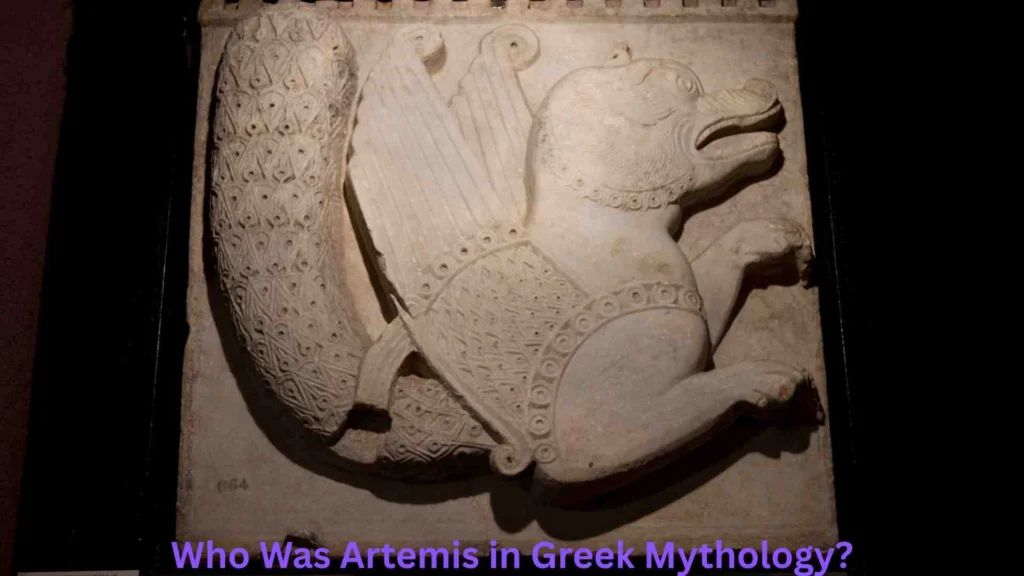
Artemis was one of the twelve Olympian gods in ancient Greek religion. She was the daughter of Zeus, the king of the gods, and Leto, and the twin sister of Apollo.
Known for her strength and independence, Artemis chose to remain unmarried and devoted herself to protecting wildlife, forests, and young girls. She was respected and feared because she defended her sacred spaces and followers with determination.
The Romans later worshipped her as Diana, but many of her symbols remained the same across cultures.
Why Are Artemis Symbols Important?
Symbols played a vital role in ancient religions. They helped people recognize divine powers, understand myths, and connect with their gods through rituals and artwork.
Artemis symbols served several purposes:
- Represented her authority over hunting and nature.
- Identified temples and sacred places dedicated to her.
- Expressed cultural values like purity, freedom, and courage.
- Inspired artists, poets, and storytellers.
- Connected worshippers to natural cycles and wildlife.
Even today, these symbols continue to appear in literature, jewelry, tattoos, films, and spiritual practices.
The Moon: The Most Recognizable Artemis Symbol
Connection Between Artemis and the Moon
Although Selene was originally the Greek moon goddess, Artemis gradually became strongly linked with lunar imagery.
The crescent moon symbolized:
- Feminine power.
- Natural rhythms.
- Protection during the night.
- Mystery and intuition.
- Cycles of life and renewal.
Ancient statues often portrayed Artemis with a crescent moon above her forehead, emphasizing her role as a guardian of the nighttime wilderness.
Modern Meaning of the Moon Symbol
Today, many people associate the moon with:
- Independence.
- Inner wisdom.
- Spiritual growth.
- Female empowerment.
- Connection to nature.
Because of Artemis, the moon remains one of the most powerful symbols in mythology.
The Bow and Arrows: Symbols of Skill and Justice
The bow and arrows are among the most famous Artemis symbols.
According to myth, the Cyclopes forged her silver bow and golden arrows. These weapons represented more than hunting tools—they reflected divine precision and justice.
What the Bow Represents
The bow symbolizes:
- Focus.
- Discipline.
- Self-reliance.
- Strength.
- Readiness for challenges.
What the Arrows Represent
Arrows carried different meanings:
- Protection of the innocent.
- Swift justice.
- Divine punishment.
- Direction and purpose.
In many myths, Artemis used her arrows to defend sacred animals and punish those who disrespected nature.
A Famous Example
The hunter Actaeon accidentally saw Artemis bathing. Angered by this violation of her privacy, she transformed him into a stag, and his own dogs chased him to death. This story highlights the protective and uncompromising nature represented by her weapons.
The Deer: Artemis’s Sacred Animal
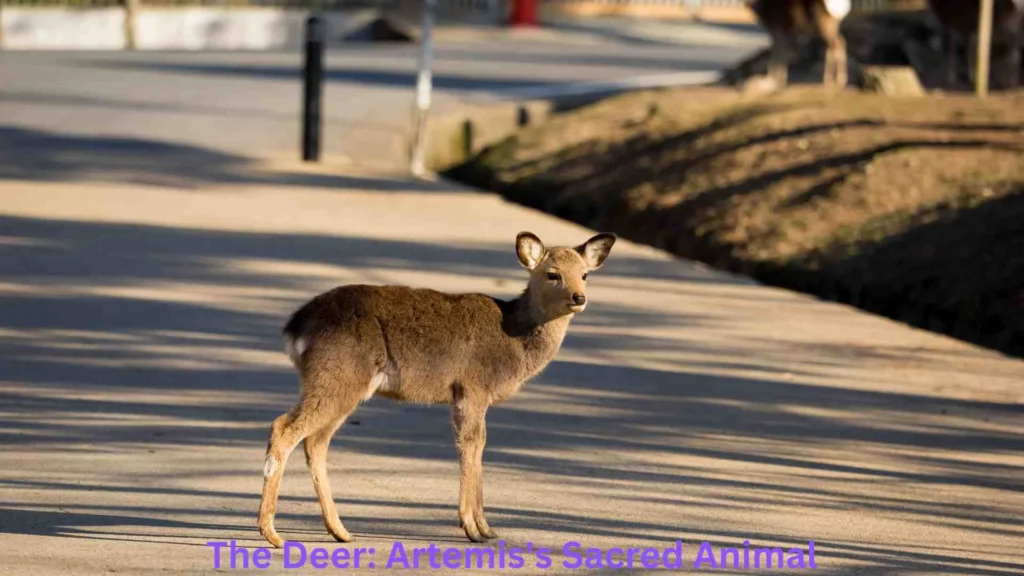
Among all animals connected with Artemis, the deer holds special importance.
Why Deer Were Sacred
Deer represented:
- Grace.
- Freedom.
- Innocence.
- Harmony with nature.
- Gentleness combined with alertness.
Ancient Greeks often depicted Artemis standing beside a stag or guiding deer through forests.
The Golden-Horned Hind
One of the most famous myths involves the Ceryneian Hind, a magical deer with golden antlers sacred to Artemis.
As one of his twelve labors, Heracles had to capture the animal without harming it. After a year-long pursuit, he respectfully returned it to Artemis.
The story teaches important lessons:
- Respect for sacred creatures.
- Balance between human ambition and nature.
- Divine ownership of wildlife.
Hunting Dogs: Loyal Companions of the Goddess
Artemis was frequently accompanied by hunting dogs.
These animals symbolized:
- Loyalty.
- Courage.
- Teamwork.
- Protection.
- Instinct.
Ancient writers described her pack as swift and powerful companions that assisted her in the wilderness.
Lessons from the Symbol
The hunting dog reminds us that strength often comes from cooperation rather than isolation. While Artemis valued independence, she also maintained trusted relationships with her companions.
The Cypress Tree: Symbol of Sacred Wilderness
The cypress tree was deeply connected to Artemis.
Meaning of the Cypress
The tree represented:
- Endurance.
- Protection.
- Spiritual connection.
- Eternal life.
- Sacred natural spaces.
Many temples dedicated to Artemis stood near groves of cypress trees.
Because cypress trees remain green throughout the year, they symbolized permanence and continuity within changing seasons.
Wild Animals Under Artemis’s Protection
Artemis was not only a hunter but also a guardian of wildlife.
Animals linked to her included:
- Bears.
- Deer.
- Boars.
- Rabbits.
- Birds.
- Hunting dogs.
The Bear and Artemis
The bear held particular importance at Brauron, an ancient sanctuary dedicated to Artemis.
Young girls participated in rituals called “playing the bear,” symbolizing:
- Growth.
- Transition into adulthood.
- Divine protection.
- Respect for feminine strength.
The bear represented both nurturing qualities and fierce defense, reflecting Artemis’s complex personality.
The Torch: Guiding Through Darkness
Another important Artemis symbol is the torch.
Symbolic Meanings
The torch represented:
- Guidance.
- Protection during childbirth.
- Hope.
- Illumination.
- Safe passage through difficult times.
Artemis helped women during labor despite remaining a virgin goddess herself. Her torch symbolized bringing life safely into the world.
Ancient processions often featured torches during festivals honoring her.
The Crescent Crown
Many artistic representations show Artemis wearing a crescent-shaped crown.
This symbol emphasized:
- Her lunar connections.
- Divine authority.
- Femininity.
- Celestial power.
The image influenced later depictions of moon goddesses throughout Europe and beyond.
Mountains and Forests as Living Symbols

Not all Artemis symbols were objects or animals. Entire landscapes represented her presence.
Sacred Mountains
Mountains symbolized:
- Freedom.
- Solitude.
- Strength.
- Spiritual elevation.
Forests and Wilderness
Forests represented:
- Untamed beauty.
- Natural balance.
- Mystery.
- Life beyond civilization.
For ancient Greeks, entering the wilderness meant entering Artemis’s domain.
Artemis and Purity | Symbolic Meanings Beyond Objects
Many Artemis symbols connect to the idea of purity.
However, purity in her mythology meant:
- Independence.
- Integrity.
- Self-control.
- Commitment to personal values.
- Respect for boundaries.
She defended her choices fiercely and expected others to honor them.
This interpretation continues to inspire modern audiences seeking empowerment and self-determination.
Sacred Plants Associated with Artemis
Several plants carried symbolic importance in Artemis worship.
Cypress
The cypress symbolized eternity and sacred protection.
Palm Tree
According to myth, Leto gave birth to Artemis beneath a palm tree on Delos.
The palm represented:
- Birth.
- Renewal.
- Divine blessing.
- Resilience.
Mugwort
Ancient traditions linked mugwort with protection, feminine energy, and lunar cycles, making it another plant associated with Artemis.
Artemis Symbols in Ancient Art
Greek artists used symbols to identify gods immediately.
Common artistic features included:
- A bow held in one hand.
- A quiver of arrows.
- Deer standing nearby.
- Hunting dogs.
- A short hunting tunic.
- Crescent moon imagery.
These visual clues helped worshippers recognize Artemis in statues, pottery, and temple decorations.
Famous Sculptures
The Artemis of Versailles remains one of the best-known examples. The sculpture depicts her in motion with a deer companion, emphasizing activity, grace, and authority over nature.
Religious Festivals and Symbolic Rituals
Artemis worship included many ceremonies centered around her sacred symbols.
Brauronia Festival
Young girls honored Artemis through rituals involving bear symbolism.
Activities included:
- Dancing.
- Processions.
- Offerings.
- Ceremonial clothing.
Artemisia Festivals
Various Greek cities held celebrations featuring:
- Athletic competitions.
- Musical performances.
- Animal symbolism.
- Sacred hunts.
These events strengthened community identity and religious devotion.
Practical Applications of Artemis Symbols Today
Although rooted in ancient mythology, Artemis symbols continue to influence modern society.
Jewelry and Fashion
People wear Artemis-inspired designs featuring:
- Crescent moons.
- Deer motifs.
- Bow and arrow pendants.
- Forest imagery.
These pieces often represent independence and love for nature.
Tattoos
Popular Artemis tattoo symbols include:
- Moon phases.
- Stags.
- Arrows.
- Hunting scenes.
- Wild animals.
Individuals choose them to express:
- Personal freedom.
- Strength.
- Feminine empowerment.
- Connection with nature.
Environmental Movements
Conservation groups sometimes use imagery similar to Artemis symbols because they communicate:
- Wildlife protection.
- Respect for ecosystems.
- Harmony between humans and nature.
Literature and Entertainment
Modern books, films, and games continue drawing inspiration from Artemis.
Examples include:
- Fantasy novels.
- Young adult fiction.
- Video games.
- Television series.
- Contemporary mythology retellings.
Her symbols help creators communicate themes of courage, independence, and wilderness.
Benefits and Impact of Artemis Symbolism on Society
The enduring popularity of Artemis symbols offers several cultural and social benefits.
Encouraging Environmental Awareness
Artemis reminds people that humans share responsibility for protecting nature.
Her symbols inspire:
- Wildlife conservation.
- Sustainable living.
- Appreciation for forests and natural habitats.
Supporting Female Empowerment
Artemis stands as an example of:
- Personal autonomy.
- Leadership.
- Strength without conformity.
- Self-respect.
Many modern readers find inspiration in her independent spirit.
Preserving Cultural Heritage
Studying Artemis symbols helps preserve knowledge of:
- Ancient Greek beliefs.
- Classical art.
- Historical traditions.
- Mythological storytelling.
This cultural understanding connects present generations with humanity’s shared past.
Promoting Creativity
Artists continue using Artemis imagery in:
- Paintings.
- Sculpture.
- Jewelry design.
- Fashion.
- Digital art.
- Literature.
Ancient symbols remain powerful tools for modern creative expression.
Interesting Facts About Artemis Symbols
Here are some fascinating details many people do not know:
- Artemis asked Zeus for eternal virginity and freedom to roam wild mountains.
- The deer was so sacred to her that harming one could invite divine punishment.
- Her twin brother Apollo represented the sun, creating a symbolic balance with her lunar associations.
- The temple of Artemis at Ephesus was one of the Seven Wonders of the Ancient World.
- Young girls in Athens participated in bear ceremonies honoring the goddess.
- The silver bow symbolized moonlight as much as hunting skill.
- Roman worshippers continued many of her symbolic traditions under the name Diana.
Comparing Artemis Symbols with Other Greek Deities
Understanding Artemis becomes easier when comparing her symbols with those of other gods.
| Deity | Main Symbols | Core Meaning |
| Artemis | Moon, deer, bow, dogs | Nature, independence, protection |
| Apollo | Lyre, sun, laurel | Music, prophecy, order |
| Athena | Owl, olive tree, spear | Wisdom, strategy |
| Poseidon | Trident, horse | Sea power, storms |
| Demeter | Wheat, cornucopia | Agriculture, fertility |
This comparison shows how Artemis occupied a unique position as guardian of wilderness and personal freedom.
The Lasting Legacy of Artemis Symbols
Thousands of years after ancient Greece flourished, Artemis symbols remain meaningful.
They continue to represent:
- Respect for nature.
- Courage.
- Independence.
- Protection.
- Feminine strength.
- Spiritual connection with the wild.
Whether seen in museums, literature, jewelry, or modern environmental campaigns, these symbols remind humanity of the importance of living in harmony with the natural world.
Frequently Asked Questions (FAQs)
1. What is the most important symbol of Artemis?
The bow and arrows and the crescent moon are generally considered the most important Artemis symbols because they represent hunting, protection, and lunar power.
2. Why is the deer associated with Artemis?
The deer symbolizes grace, freedom, and the sacred bond between Artemis and the natural world. Several myths describe deer as animals under her direct protection.
3. Was Artemis originally a moon goddess?
Not originally. Selene was the primary moon goddess in early Greek mythology, but Artemis later developed strong lunar associations, especially during the classical period.
4. What do Artemis symbols mean today?
Modern interpretations often connect Artemis symbols with independence, environmental awareness, female empowerment, and spiritual relationships with nature.
5. How are Artemis symbols used in popular culture?
They appear in books, movies, tattoos, jewelry, video games, and artwork, representing courage, wilderness, and personal freedom.
Conclusion
Artemis symbols provide a fascinating window into ancient Greek beliefs and values. From the crescent moon and silver bow to sacred deer and cypress trees, each symbol reveals a different dimension of the goddess’s identity. Together, they express themes of independence, protection, justice, and harmony with nature.
Their influence extends far beyond mythology. Modern society continues to embrace these timeless images in art, environmental movements, fashion, literature, and personal expression. By understanding Artemis symbols, we gain not only historical knowledge but also valuable insights into humanity’s enduring respect for freedom, wildlife, and the natural world.

Elliot Kensington
Elliot Kensington is a storyteller at heart, always fascinated by the hidden corners of human imagination. From a young age, he found comfort in books and the worlds they created, inspiring him to craft tales that blend emotion, suspense, and wonder. His writing journey began with short stories that captured fleeting moments of life, and over time, evolved into novels that explore both the extraordinary and the everyday. Elliot believes that every story holds a piece of the soul, and his mission is to connect readers to those moments that linger long after the last page. When he’s not writing, he enjoys exploring nature, capturing moments through photography, and seeking inspiration in the little things.
Books by Elliot Kensington:
-
Shadows of Tomorrow
-
The Whispering Path