
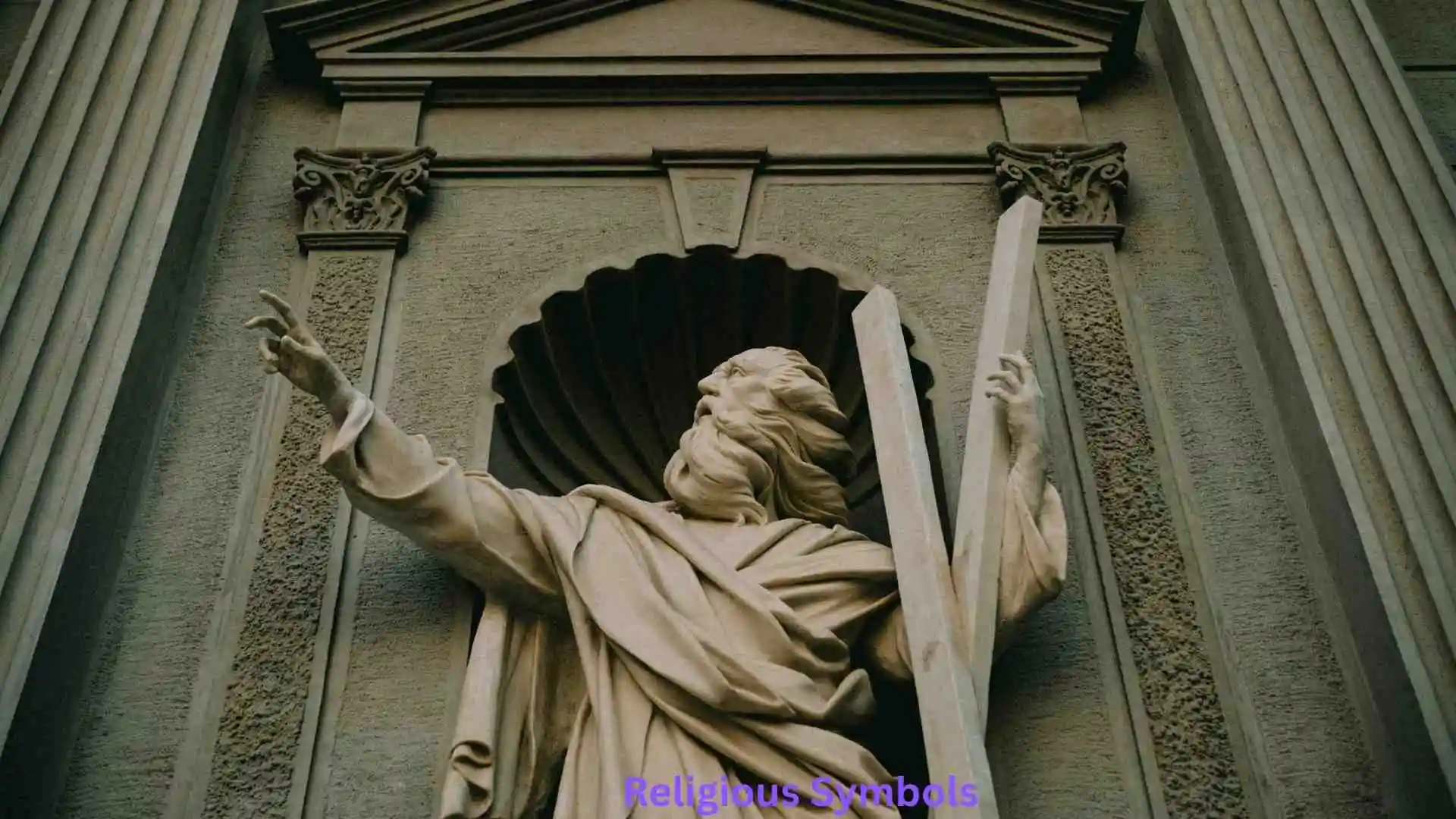
Religious symbols are visual signs that represent beliefs, values, and spiritual ideas in different faiths.
They help people express devotion, identity, and connection with the divine.
From ancient times to today, religious symbols have guided hearts, inspired communities, and shaped cultures.
In this article, you’ll discover their meanings, uses, and importance in everyday life.
What Are Religious Symbols?
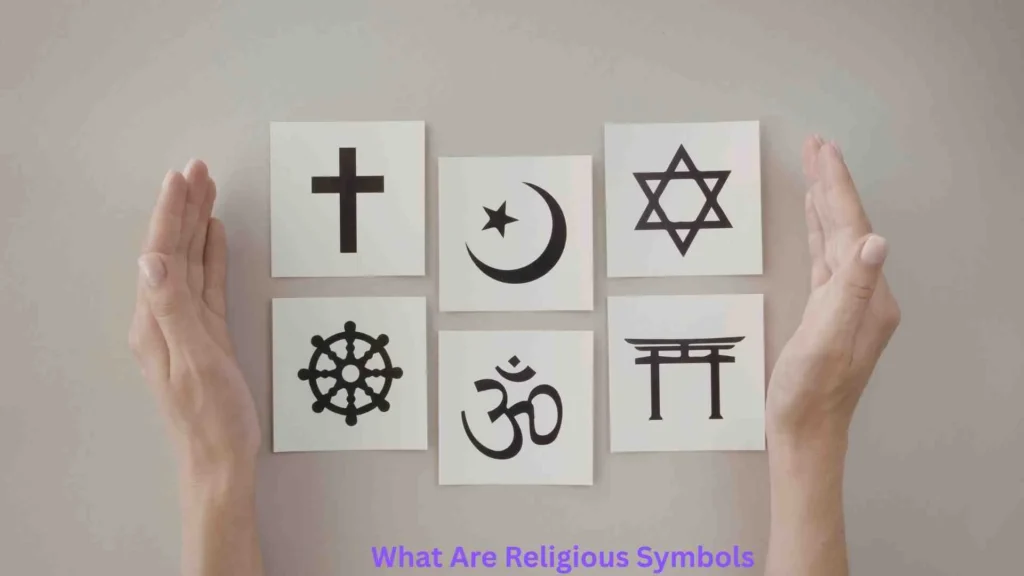
Religious symbols are images, signs, or objects that represent spiritual concepts, traditions, or beliefs within a religion. They often carry deep meanings and are used in rituals, worship, and daily life.
Why Are Religious Symbols Important?
- They express faith visually
- Help people connect spiritually
- Represent beliefs and traditions
- Create a sense of identity and unity
For example, a simple symbol can remind someone of their faith even without words.
History of Religious Symbols
Religious symbols have existed for thousands of years.
Ancient Beginnings
- Early humans used nature symbols like the sun, moon, and animals
- Symbols were drawn on cave walls and used in rituals
Development Over Time
- Organized religions created specific symbols
- These symbols became part of sacred texts, temples, and traditions
👉 Over time, religious symbols became more standardized and widely recognized.
Major Religious Symbols and Their Meanings
Let’s explore some of the most well-known religious symbols across the world.
1. The Cross (Christianity)
The cross is one of the most recognized religious symbols.
Meaning
- Represents sacrifice, love, and salvation
- Reminds believers of faith and hope
Usage
- Found in churches, jewelry, and artwork
- Used during prayer and worship
2. The Crescent and Star (Islam)
The crescent moon and star is widely associated with Islam.
Meaning
- Symbolizes guidance, light, and progress
- Reflects the importance of the lunar calendar
Usage
- Seen on mosques and flags
- Used during Islamic celebrations
3. Om (Hinduism)
The Om (ॐ) symbol is sacred in Hinduism.
Meaning
- Represents the sound of the universe
- Symbolizes creation, preservation, and destruction
Usage
- Used in meditation and prayer
- Found in temples and spiritual texts
4. The Dharma Wheel (Buddhism)
The Dharma Wheel is an important Buddhist symbol.
Meaning
- Represents the path to enlightenment
- Each spoke stands for a teaching
Usage
- Seen in temples and teachings
- Used in meditation practices
5. The Star of David (Judaism)
The Star of David is a key Jewish symbol.
Meaning
- Represents protection and identity
- Symbolizes the connection between God and humanity
Usage
- Found on synagogues and flags
- Worn as jewelry
Other Religious Symbols Around the World
There are many more symbols used in different traditions:
- Lotus Flower – purity and spiritual awakening
- Yin and Yang – balance and harmony
- Ankh – life and immortality in ancient Egypt
- Khanda – symbol of Sikh faith
Each symbol carries its own unique story and meaning.
Practical Uses of Religious Symbols
Religious symbols are not just decorative—they play an active role in daily life.
1. In Worship and Prayer
- Used during rituals
- Help focus the mind and heart
2. In Clothing and Jewelry
- Worn as necklaces or rings
- Express personal faith
3. In Architecture
- Found in temples, mosques, and churches
- Represent sacred spaces
4. In Festivals and Celebrations
- Used during religious events
- Add meaning to traditions
Impact of Religious Symbols on Society
Religious symbols influence both individuals and communities.
1. Strengthening Identity
They help people feel connected to their beliefs and culture.
2. Promoting Unity
Communities gather around shared symbols.
3. Encouraging Peace and Values
Symbols often remind people of love, compassion, and kindness.
4. Cultural Influence
Religious symbols appear in art, literature, and history.
Interesting Facts About Religious Symbols
- The cross was not always a common symbol in early Christianity
- The Om symbol is considered one of the oldest sounds
- Some symbols have multiple meanings across cultures
- Many symbols are inspired by nature and universal elements
Religious Symbols in Modern Life
Even today, religious symbols are everywhere.
In Media
- Seen in movies and books
- Represent characters and beliefs
In Technology
- Used in emojis and digital designs
In Global Culture
- Recognized worldwide
- Used in interfaith discussions
How to Respect Religious Symbols
Understanding and respecting religious symbols is important.
Tips
- Learn their meanings
- Avoid misuse or disrespect
- Appreciate cultural differences
- Use them appropriately
Respect builds harmony and understanding.
FAQs About Religious Symbols
1. What are religious symbols?
Religious symbols are visual representations of beliefs, values, and spiritual ideas in different religions.
2. Why are religious symbols important?
They help express faith, create unity, and connect people with their spirituality.
3. Are religious symbols the same worldwide?
Some are universal, but many vary depending on culture and religion.
4. Can religious symbols have multiple meanings?
Yes, some symbols carry different meanings across cultures and traditions.
5. Where are religious symbols commonly used?
They are used in worship, clothing, buildings, festivals, and daily life.
Conclusion
Religious symbols are more than just images they are powerful expressions of faith, history, and identity. They connect people to their beliefs, guide spiritual journeys, and bring communities together. By understanding these symbols, we gain deeper respect for different cultures and traditions, making the world a more peaceful and united place.

Elliot Kensington
Elliot Kensington is a storyteller at heart, always fascinated by the hidden corners of human imagination. From a young age, he found comfort in books and the worlds they created, inspiring him to craft tales that blend emotion, suspense, and wonder. His writing journey began with short stories that captured fleeting moments of life, and over time, evolved into novels that explore both the extraordinary and the everyday. Elliot believes that every story holds a piece of the soul, and his mission is to connect readers to those moments that linger long after the last page. When he’s not writing, he enjoys exploring nature, capturing moments through photography, and seeking inspiration in the little things.
Books by Elliot Kensington:
-
Shadows of Tomorrow
-
The Whispering Path