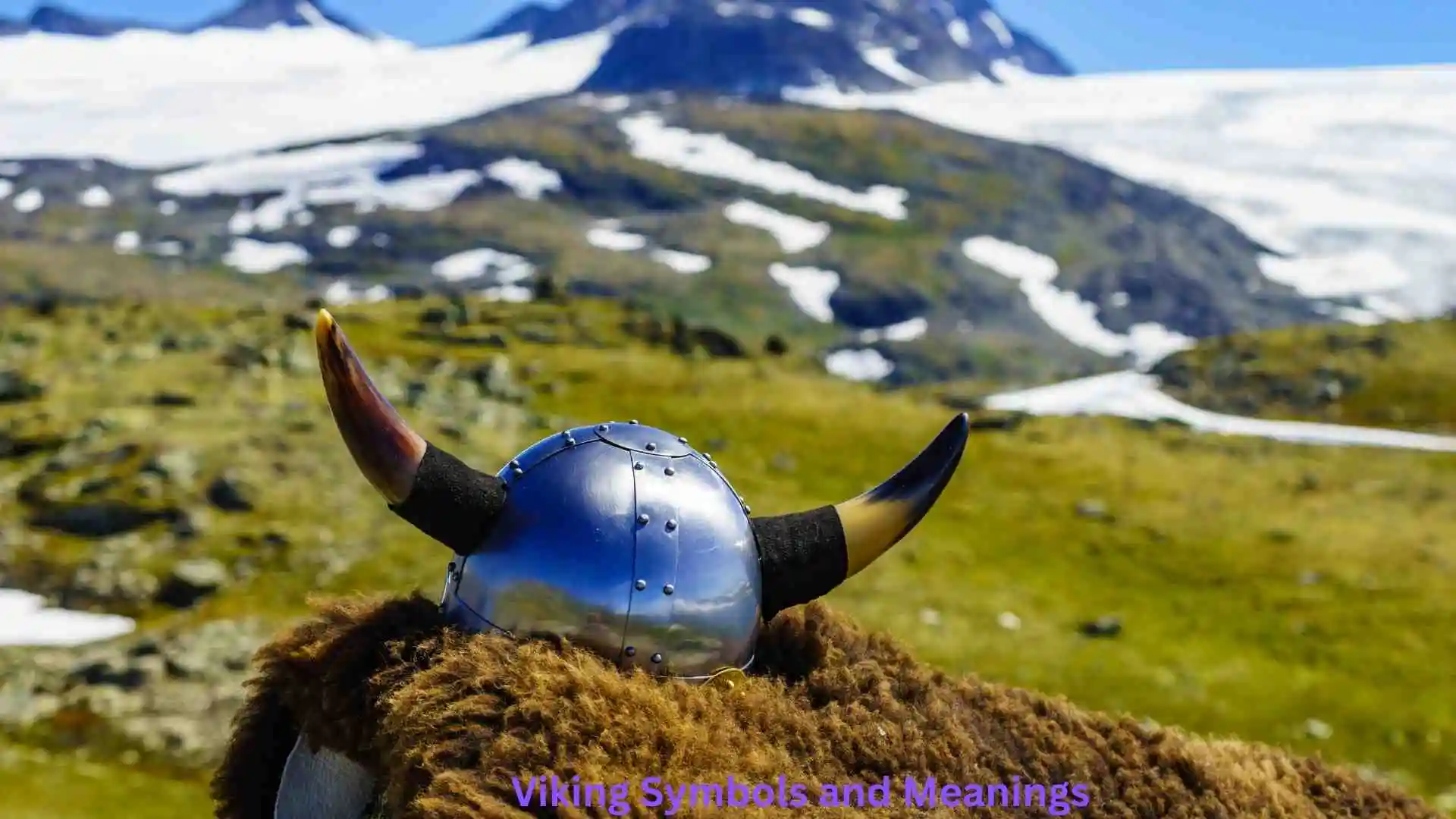
Viking symbols and meanings refer to the powerful signs used by Norse people to represent strength, protection, fate, and connection to the gods.
These symbols were deeply rooted in Viking culture and mythology, guiding warriors and everyday people in their lives.
From magical runes to legendary emblems, Viking symbols continue to inspire and fascinate people around the world today.
What Are Viking Symbols?
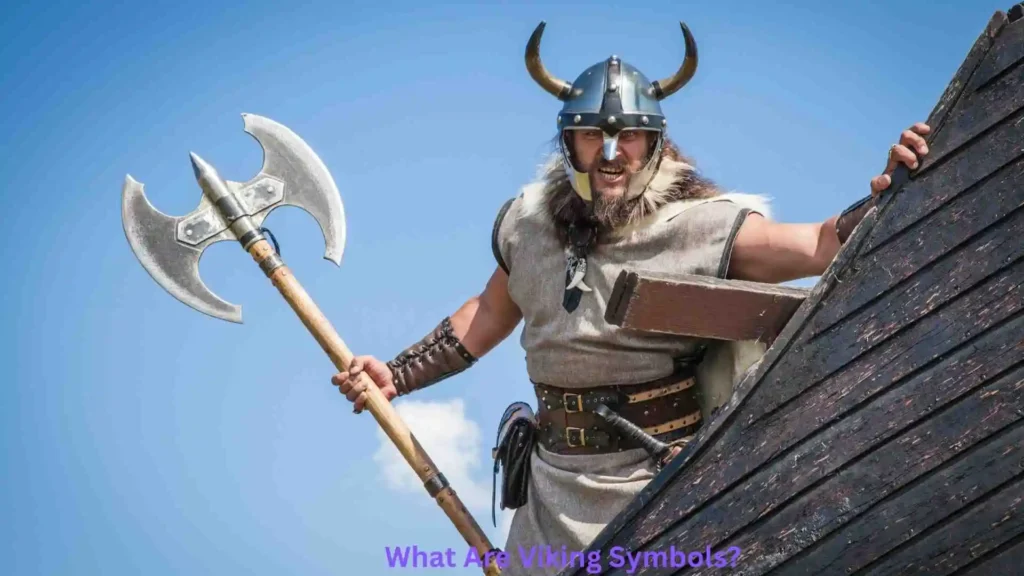
Viking symbols are ancient Norse signs and markings used during the Viking Age (around 793–1066 AD). They were carved into weapons, ships, jewelry, and stones.
Why Were Viking Symbols Important?
- Represented beliefs and mythology
- Provided protection and guidance
- Showed identity and strength
- Connected people to their gods
These symbols were more than decorations—they were believed to hold real power.
History of Viking Symbols
Viking symbols come from Norse mythology and traditions.
Origins
- Influenced by ancient Germanic tribes
- Closely linked to Norse gods like Odin and Thor
Use in Daily Life
- Carved on weapons and armor
- Used in rituals and ceremonies
- Found on runestones and graves
👉 Vikings believed symbols could influence fate and bring victory.
Most Famous Viking Symbols and Their Meanings
Let’s explore the most important Viking symbols and their powerful meanings.
1. Mjölnir (Thor’s Hammer)
Meaning
- Symbol of protection, strength, and blessing
- Associated with Thor, the god of thunder
Story
Thor used his hammer to protect gods and humans from giants.
Modern Use
- Popular in jewelry
- Represents courage and protection
2. Valknut (Knot of the Slain)
Meaning
- Represents life, death, and the afterlife
- Connected to Odin, the god of war
Symbol Design
- Three interlocking triangles
Significance
Often found on burial stones, symbolizing fallen warriors.
3. Yggdrasil (The Tree of Life)
Meaning
- Represents the connection of all worlds
- Symbolizes growth and life
Myth
Yggdrasil connects the nine realms in Norse mythology.
4. Vegvisir (The Viking Compass)
Meaning
- Symbol of guidance and direction
- Helps one find their way
Legend
It is believed that those who carried Vegvisir would never get lost.
5. Helm of Awe (Ægishjálmr)
Meaning
- Symbol of protection and fearlessness
- Used by warriors in battle
Design
- Looks like a circle with eight arms
Belief
Worn to inspire fear in enemies and strength in the wearer.
6. Runes (Viking Alphabet Symbols)
Runes are one of the most important Viking symbols.
What Are Runes?
- Letters used in writing and magic
Examples
- Fehu = Wealth
- Ansuz = Wisdom
- Raidho = Journey
Use
- Carved on stones
- Used for divination and messages
Practical Uses of Viking Symbols
Viking symbols were used in many ways in daily life.
1. In Warfare
- Engraved on swords and shields
- Believed to bring victory
2. In Navigation
- Symbols like Vegvisir helped guide travelers
3. In Protection
- Worn as amulets
- Used to ward off evil
4. In Storytelling
- Symbols helped pass down myths and legends
Real-Life Examples and Modern Uses
Viking symbols are still popular today.
Jewelry and Fashion
- Thor’s hammer necklaces
- Rune rings
Tattoos
- Symbols like Valknut and Yggdrasil are widely used
Media and Entertainment
- Featured in movies, games, and TV shows
Impact of Viking Symbols on Society
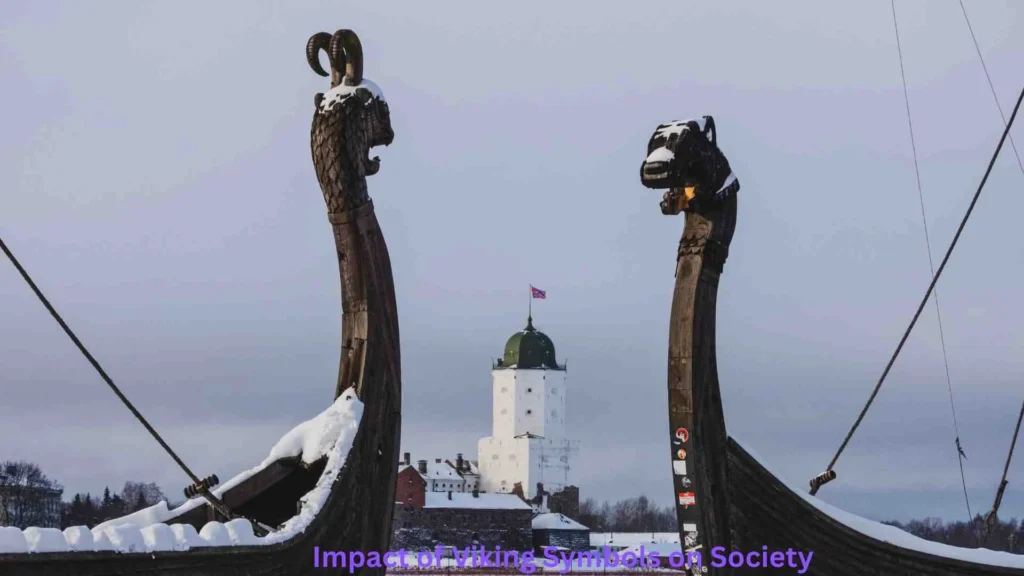
Viking symbols continue to influence modern culture.
1. Cultural Identity
People connect with their Norse heritage.
2. Spiritual Exploration
Symbols inspire interest in ancient beliefs.
3. Art and Creativity
Used in designs, tattoos, and artwork.
4. Education and History
Help people learn about Viking culture.
Interesting Facts About Viking Symbols
- Vikings didn’t always write things—symbols carried meaning
- Many symbols are based on nature and mythology
- Some symbols are still debated by historians
- Runes were believed to have magical powers
Common Misconceptions
- Not all symbols are purely Viking—some came later
- Vikings used symbols more for meaning than decoration
- Modern interpretations may differ from original meanings
How to Learn Viking Symbols Easily
Tips for Beginners
- Start with basic symbols like Mjölnir
- Learn meanings through stories
- Practice drawing symbols
- Use charts and guides
FAQs About Viking Symbols and Meanings
1. What are Viking symbols?
They are ancient Norse signs used to represent beliefs, protection, and mythology.
2. What is the most powerful Viking symbol?
Mjölnir (Thor’s hammer) is considered one of the most powerful symbols.
3. Did Vikings believe in magic symbols?
Yes, they believed symbols like runes had magical powers.
4. Are Viking symbols still used today?
Yes, they are popular in jewelry, tattoos, and media.
5. What do Viking runes represent?
Runes represent letters, meanings, and sometimes magical concepts.
Conclusion
Viking symbols and meanings offer a fascinating glimpse into the world of Norse mythology and culture.
These symbols were powerful tools of belief, protection, and identity for the Vikings. Today, they continue to inspire people through art, history, and personal expression.
By understanding these symbols, we connect with a rich and powerful past that still influences the modern world.

Elliot Kensington
Elliot Kensington is a storyteller at heart, always fascinated by the hidden corners of human imagination. From a young age, he found comfort in books and the worlds they created, inspiring him to craft tales that blend emotion, suspense, and wonder. His writing journey began with short stories that captured fleeting moments of life, and over time, evolved into novels that explore both the extraordinary and the everyday. Elliot believes that every story holds a piece of the soul, and his mission is to connect readers to those moments that linger long after the last page. When he’s not writing, he enjoys exploring nature, capturing moments through photography, and seeking inspiration in the little things.
Books by Elliot Kensington:
-
Shadows of Tomorrow
-
The Whispering Path