
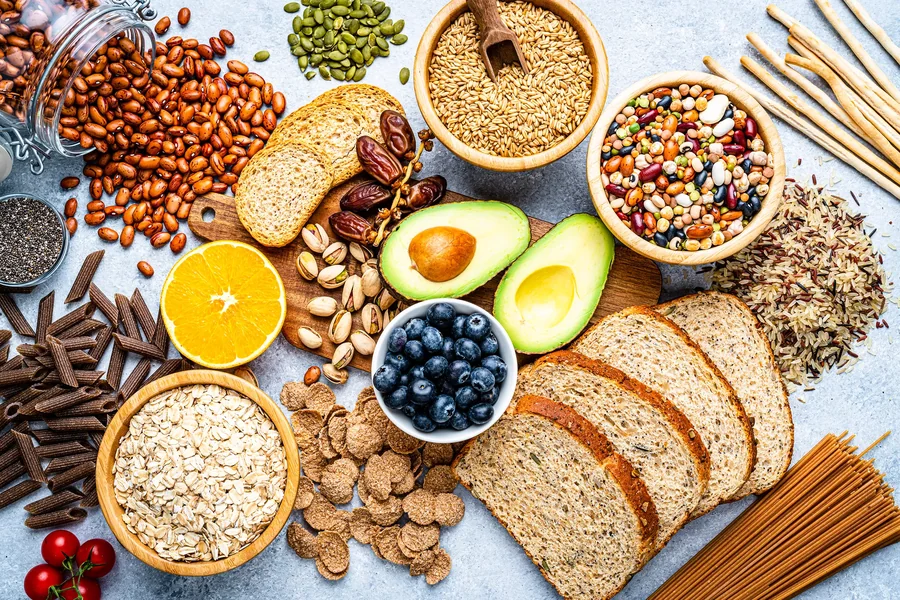
Eating well is one of the simplest ways to support a healthier and more active life. The foods we choose provide the nutrients our bodies need to function, recover, and maintain energy throughout the day. Nutritious Foods for Better Health include a variety of fruits, vegetables, whole grains, protein sources, and healthy fats that work together to support overall well-being. Building healthy eating habits does not require expensive ingredients or complicated meal plans. Small, consistent choices can make a meaningful difference over time.
A balanced diet can help you feel more energetic, support normal body functions, and maintain long-term wellness. Instead of focusing on one so-called superfood, aim to include different food groups in your daily meals. Eating a variety of nutrient-rich foods also makes meals more enjoyable and helps you obtain a wider range of vitamins, minerals, fiber, and other essential nutrients.
Why Nutritious Food Matters for Better Health
Food provides the fuel and building blocks your body needs every day. Carbohydrates supply energy, protein supports muscle maintenance and repair, fats help with nutrient absorption and normal cell function, and vitamins and minerals contribute to many processes throughout the body.
A varied, balanced diet can support immune function, healthy digestion, and normal growth and development. Fiber-rich foods, such as vegetables, fruits, beans, and whole grains, can also support digestive health and help you feel satisfied after meals.
Healthy eating is not about following strict rules or avoiding every favorite treat. It is about creating a sustainable pattern that gives your body what it needs most of the time. Your nutritional needs may vary depending on your age, activity level, health circumstances, and personal preferences.
Fruits and Vegetables for Essential Nutrients
Fruits and vegetables are important parts of a balanced diet because they provide vitamins, minerals, fiber, and beneficial plant compounds. Eating a variety of colorful produce is a practical way to include different nutrients in your meals.
Leafy greens such as spinach and kale provide folate and other essential nutrients. Carrots contain beta-carotene, which the body can convert into vitamin A. Citrus fruits, guavas, berries, and other fruits provide vitamin C and other beneficial compounds. Bananas are also convenient sources of carbohydrates and potassium.
Try to include vegetables with lunch and dinner and keep fruit available for snacks. Fresh, frozen, and appropriately prepared canned produce can all contribute to a healthy diet. Choose options with little or no added sugar or excess salt when possible.
Variety matters more than relying on one particular fruit or vegetable. Different colors often reflect different plant compounds, so rotating your choices throughout the week can help make meals both nutritious and interesting.
Whole Grains, Protein, and Healthy Fats
Whole grains are valuable sources of carbohydrates, fiber, and several B vitamins. Options such as oats, brown rice, whole-wheat bread, and other minimally processed grains can provide sustained energy as part of balanced meals. In Bangladesh and other South Asian countries, rice is a familiar staple; pairing an appropriate portion with vegetables and protein can help create a more balanced plate.
Protein is necessary for building and repairing tissues and maintaining muscles. Good sources include eggs, fish, chicken, milk, yogurt, lentils, beans, chickpeas, tofu, and nuts. Including different protein foods throughout the week can help provide essential amino acids and other nutrients.
Healthy fats also play an important role in the body. Nuts, seeds, avocados, and oils such as olive or mustard oil can provide unsaturated fats. Oily fish, including sardines and salmon, provide omega-3 fatty acids. These fats support normal cell function and help the body absorb vitamins A, D, E, and K.
A balanced meal might include rice or whole grains, fish or lentils, cooked vegetables, and a modest amount of healthy fat. The exact portions depend on individual needs, appetite, and activity levels.
Simple Habits for Healthier Everyday Eating
Healthy eating becomes easier when it fits naturally into your routine. Planning a few meals ahead, keeping nutritious snacks available, and preparing ingredients in advance can reduce the temptation to rely on less balanced convenience foods.
Start with manageable changes. Add a serving of vegetables to a meal, replace some refined grains with whole grains, or include beans and lentils more often. Drink water regularly throughout the day, adjusting your intake for activity, weather, and individual needs.
Pay attention to portion sizes without becoming overly restrictive. Eating slowly and noticing your hunger and fullness cues can help you make choices that feel comfortable. It is also reasonable to enjoy sweets, fried foods, and other favorite dishes occasionally as part of an overall balanced eating pattern.
Try to limit frequent consumption of highly processed foods that are high in added sugars, sodium, or saturated fats. You do not need to eliminate every such food; focus instead on making nutrient-rich options the foundation of your everyday meals.
Final Thought
Nutritious eating is about balance, variety, and consistency rather than perfection. Fruits, vegetables, whole grains, protein-rich foods, and healthy fats each contribute something valuable to your diet. When you combine these foods in practical, enjoyable meals, you give your body a strong foundation for daily energy and long-term well-being.
Begin with one or two changes that suit your lifestyle, then build on them gradually. Healthy habits are easier to maintain when they are realistic, affordable, and enjoyable.
FAQs
1. What are the best nutritious foods for better health?
Fruits, vegetables, whole grains, beans, lentils, fish, eggs, nuts, seeds, and other nutrient-rich foods can all contribute to a balanced diet.
2. Why is a balanced diet important?
A balanced diet provides essential nutrients that support energy, normal body functions, digestion, growth, and overall health.
3. How many servings of fruits and vegetables should I eat daily?
A commonly recommended target for many adults is at least five portions of fruits and vegetables combined each day, although individual needs may vary.
4. Are carbohydrates necessary for good health?
Yes, carbohydrates provide energy, and nutrient-rich sources such as whole grains, fruits, vegetables, and legumes also supply fiber and other important nutrients.
5. How can I start eating healthier on a budget?
Choose seasonal produce, buy affordable staples such as beans and lentils, plan meals ahead, and prepare food at home when practical.
