
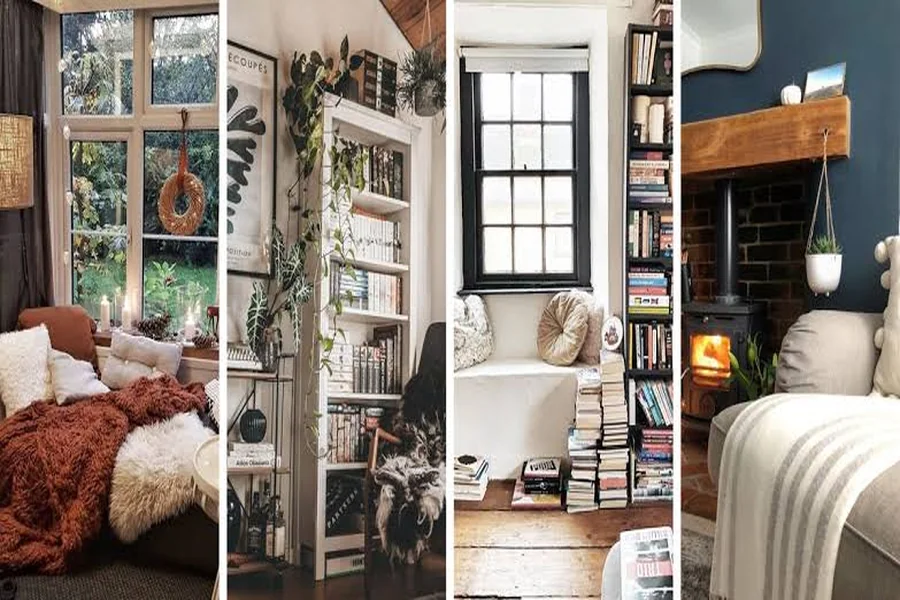
There is nothing quite like the feeling of escaping into a fantastic book after a long, exhausting day. However, finding the right environment to truly lose yourself in a story can sometimes be a challenge, especially in a busy household. You might think that creating a dedicated space for your literary adventures requires a massive renovation budget, expensive designer furniture, and endless trips to high-end home decor stores. Fortunately, that is entirely untrue. Designing a cozy reading nook on a dime is not only completely possible, but it is also a highly rewarding creative project that allows you to express your personal style. By utilizing items you already own, shopping strategically at thrift stores, and focusing on the core elements of comfort, you can build a personal sanctuary that looks and feels incredibly luxurious. This guide will walk you through every step of the process, ensuring you can craft an inviting, warm, and peaceful corner without draining your savings account. Whether you have a spacious living room or a tiny studio apartment, there is always room to carve out a little slice of bookish heaven. The secret lies in intention, resourcefulness, and a keen eye for repurposing everyday items into magical decor. We will break down the essential components of a perfect reading area, from selecting the right physical location in your home to layering textures and optimizing lighting for extended reading sessions. Get ready to roll up your sleeves and transform an overlooked corner of your home into your new favorite destination.
Choosing the Perfect Corner for Your Retreat
The first step in your journey to creating an affordable bookish haven is identifying the ideal location within your current living space. You do not need an entire spare room to make this work; in fact, some of the best reading spaces are small, intimate, and tucked away in previously unused areas. Take a slow walk through your home and look for empty spaces that naturally draw your eye but serve no functional purpose right now. This could be the awkward space beneath a staircase, a wide windowsill, an empty corner in your bedroom, or even a spacious closet that you can afford to empty out. The architectural quirks of your home are often the best places to establish a snug environment because they provide a natural sense of enclosure and privacy.
When evaluating potential spots, consider the flow of traffic in your household. A reading area should ideally be situated away from the main hustle and bustle of family life. If you place your chair right next to the television or the primary entryway, you will likely find it difficult to concentrate on your novels. Look for areas with lower foot traffic and a general sense of quiet. Another crucial factor to consider is the proximity to natural light. Placing your setup near a window not only gives you free, brilliant illumination during the daytime but also provides a lovely view for those moments when you need to pause and digest what you have just read.
If you live in a small apartment and cannot find a secluded corner, do not worry. You can artificially create a sense of separation using budget-friendly room dividers. A tall, inexpensive bookshelf placed perpendicular to a wall can instantly block off a small section of a room, creating a room-within-a-room effect. Alternatively, hanging an inexpensive tension rod with a beautiful, thrifted curtain can provide a soft, visual barrier that signals to your brain that you are entering a space dedicated purely to relaxation and focus.
Repurposing Furniture You Already Own
The most significant expense in any room makeover is typically the furniture, but you can bypass this cost entirely by shopping inside your own home. The centerpiece of your sanctuary is, without a doubt, the seating. Before you browse online catalogs or head to a furniture showroom, take inventory of the chairs, benches, and cushions you currently possess. An old armchair that has been sitting neglected in a guest room can easily be revived. Even if the fabric is outdated or slightly worn, you can instantly transform it by draping an affordable slipcover or a large, beautiful blanket over it.
If you do not have a spare armchair, think outside the box. A sturdy wooden dining chair can become surprisingly comfortable when outfitted with thick, plush tie-on cushions. If you prefer a more bohemian aesthetic, consider skipping the traditional chair altogether. You can create a luxurious, low-to-the-ground seating arrangement by stacking two or three inexpensive floor pillows or repurposing an old mattress topper. Cover the foam or pillows with a large tapestry or a discounted duvet cover to tie the look together. This grounded approach is not only incredibly cheap but also creates a casual, highly inviting atmosphere that encourages you to stretch out and relax.
Alongside your seating, you will need a small surface to hold a cup of tea, a reading lamp, or your current stack of books. Once again, repurposing is your best friend. A wooden crate turned on its side makes an excellent, rustic side table that also offers interior storage for magazines. An old stepping stool, a stack of vintage suitcases, or even a large, sturdy stack of heavy hardcover books topped with a small tray can serve as a functional and quirky table. By looking at your everyday household items through a lens of creativity, you will save a tremendous amount of money while giving your space a unique, personalized character that cannot be bought in a store.
Adding Layers of Comfort with Soft Furnishings
Once you have established your location and seating, it is time to focus on the sensory experience. Comfort is the most critical aspect of this project, and achieving it on a tight budget is all about layering affordable soft furnishings. Textiles add warmth, texture, and visual interest to a room without requiring a significant financial investment. Start with pillows. You do not need to buy brand new decorative pillows; instead, purchase inexpensive pillow covers online or at a local discount store to breathe new life into the inserts you already own. Mixing different textures, such as velvet, faux fur, and chunky knit, will make the seating look incredibly inviting and expensive.
Next, consider your blankets. A cozy throw is an absolute necessity for chilly evenings spent lost in a thriller or romance novel. Look for clearance sales at home goods stores or visit local thrift shops, where you can often find high-quality afghans and knitted blankets for just a few dollars. Just be sure to wash thrifted textiles thoroughly in hot water before using them. Draping a large, textured blanket over the back of your chair not only keeps it within arm’s reach but also adds a beautiful splash of color and softness to the overall aesthetic of the space.
Do not forget about the floor. A small area rug can anchor your setup and provide a soft landing pad for bare feet. If a large rug is out of your budget, look for small faux sheepskin mats or small woven rag rugs. These are typically very inexpensive and add a substantial amount of coziness to the floor area. Layering a small, textured rug over an existing carpet or hardwood floor instantly defines the zone, signaling that this specific area has a special, designated purpose separate from the rest of the room.
Lighting Tips for the Ultimate Reading Experience
Lighting is a functional necessity, but it also plays a massive role in setting the mood of your retreat. Poor lighting will lead to eye strain and headaches, which will quickly ruin your experience. Fortunately, excellent lighting does not require expensive, hardwired fixtures. As mentioned earlier, positioning your chair near a window is the best way to capitalize on free, natural daylight. To maximize this, ensure your window treatments are sheer or easily adjustable so you can control the glare depending on the time of day.
For evening sessions, you will need a combination of task lighting and ambient lighting. Task lighting is the focused beam of light that illuminates your pages. A simple, affordable clamp lamp attached to your side table or the edge of a bookshelf is a fantastic, budget-friendly option. Alternatively, thrift stores are absolute treasure troves for unique floor and table lamps. You can easily spray paint an old, brassy thrift store lamp with a modern matte black or cheerful accent color, and top it with a fresh, inexpensive shade from a big-box store.
Ambient lighting is what creates that magical, cozy atmosphere. This is where you can get creative for very little money. String lights, often referred to as fairy lights, are incredibly cheap and can be draped over a bookshelf, woven through a houseplant, or pinned around the frame of a window. They provide a soft, warm glow that instantly makes any space feel like a magical hideaway. You might also consider using LED battery-operated candles. They offer the beautiful, flickering ambiance of a real flame without the fire hazard, making them perfect for tucking onto low shelves or placing on your makeshift side table alongside your favorite mug.
Bringing in Personal Touches and Ambiance
The final layer of designing your budget-friendly oasis involves injecting your personality into the space. The decor in this area should reflect the things that bring you joy and peace. The best part about decorating a small corner is that you need very few items to make a big impact, which naturally keeps costs low. Books themselves are fantastic decor. Stack a few of your absolute favorite hardcover novels on your side table or arrange them creatively on a nearby windowsill. The sight of books you love will immediately trigger a sense of comfort and anticipation.
Adding greenery is another highly affordable way to breathe life into the area. Houseplants improve air quality and add a vibrant pop of color. You do not need to buy large, expensive plants from a nursery. Ask a friend for a cutting of their pothos or philodendron, which you can easily propagate in a simple glass jar of water. A small, inexpensive succulent placed in a thrifted teacup also makes for an adorable, low-maintenance companion. The presence of nature, even on a small scale, makes the environment feel grounded and serene.
Finally, consider the walls surrounding your space. Bare walls can feel sterile, so adding a bit of artwork can completely change the vibe. You can frame pages from a damaged vintage book, print free public-domain artwork from the internet, or frame a beautiful piece of fabric or wallpaper sample. Use affordable, lightweight frames from a dollar store, or simply use decorative washi tape to attach unframed prints directly to the wall for a casual, artistic look. Pay attention to scent as well; a cheap essential oil roller or a small incense holder can provide a subtle, calming fragrance that cues your brain to relax the moment you sit down.
Final Thought
Creating a beautiful, functional space to enjoy your favorite books is a project that prioritizes creativity and comfort over a hefty budget. The essence of a perfect retreat lies not in how much money you spent on the furnishings, but in how the space makes you feel when you sink into it with a great story. By thoughtfully selecting a quiet corner, repurposing items you already own, layering affordable textiles, and dialing in the perfect lighting, you can easily craft an environment that feels uniquely yours. Remember that this is your personal sanctuary; there are no strict rules. Allow the space to evolve organically over time as you find new thrifted treasures or come up with new ways to utilize things around your home. Ultimately, the most valuable thing in that corner will be the time you spend there, unwinding, imagining, and escaping into the pages of a wonderful book.
FAQs
- Can I create a reading area if I only have a small bedroom? Yes, you can easily utilize a single corner, a window ledge, or even a comfortable array of pillows arranged directly on your bed to serve as your dedicated spot.
- What is the best type of lightbulb for reading without eye strain? A warm white LED bulb ranging between 2700K and 3000K is ideal because it provides ample brightness while remaining soft enough to prevent harsh glares and eye fatigue.
- How can I make an uncomfortable wooden chair better for sitting long periods? You can drastically improve the comfort by adding a thick seat cushion, draping a faux fur throw over the backrest, and placing a small lumbar pillow behind your lower back.
- Where are the best places to find cheap decor for my space? Local thrift stores, garage sales, community online marketplaces, and dollar stores are excellent locations to find affordable textiles, lamps, and small decorative items.
- Do I need to paint the walls in my nook to make it stand out? No, you can define the space without paint by using a distinct area rug, hanging a piece of fabric or a large poster, or setting up a tall bookshelf as a visual boundary.
- What colors are best for a relaxing environment? Soft, muted tones such as sage green, dusty blue, warm terracotta, and gentle neutrals are known to promote a sense of calm and relaxation.
- How can I keep my book corner organized on a budget? Repurpose sturdy cardboard boxes by wrapping them in nice paper, use stacked wooden crates as makeshift shelves, or utilize inexpensive woven baskets to hold your current reading materials.
