Symbols for family represent love, unity, protection, connection, and the bonds that bring people together across generations.
In simple terms, symbols for family are visual signs, objects, plants, animals, or designs that express the importance of family relationships and shared heritage. These symbols appear in cultures worldwide and often carry deep emotional and historical meaning.
Whether carved into ancient monuments, worn as jewelry, displayed in homes, or used in family crests, family symbols remind people of where they come from and the relationships that shape their lives.
Understanding these symbols can help us appreciate the universal value of family across different cultures and traditions.
What Are Symbols for Family?
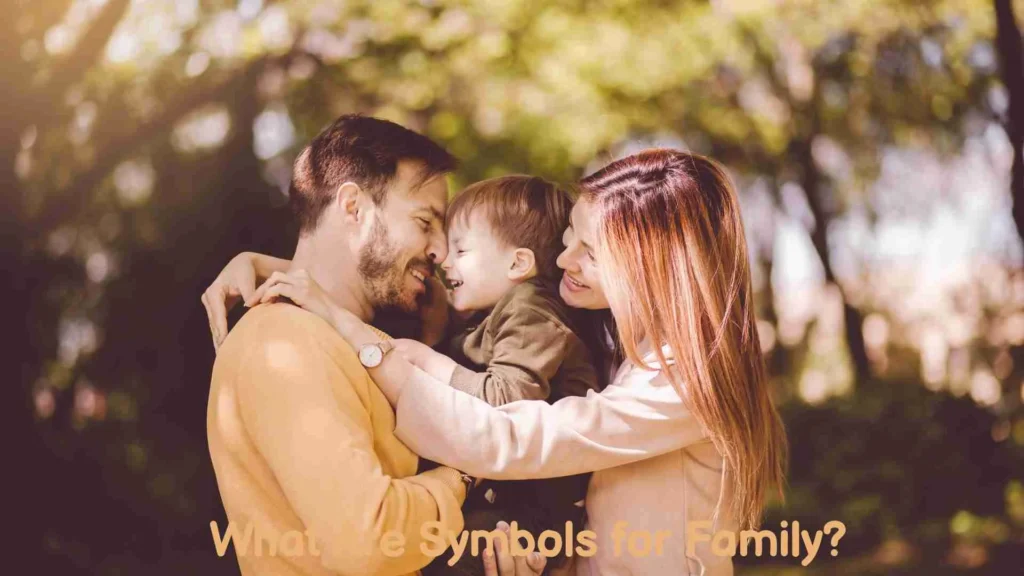
Symbols for family are images or objects that represent family values, relationships, ancestry, and unity. They may be ancient cultural symbols, religious emblems, natural elements, or modern designs.
People use family symbols to express:
- Love and affection
- Loyalty and support
- Protection and security
- Heritage and ancestry
- Unity and togetherness
These symbols often appear in:
- Family crests
- Jewelry
- Tattoos
- Artwork
- Home décor
- Religious traditions
- Family reunions
Although family structures differ around the world, the idea of honoring family through symbols is nearly universal.
Why Family Symbols Matter
Family symbols are important because they help preserve memories, traditions, and values.
They can:
- Strengthen family identity
- Celebrate family history
- Create emotional connections
- Honor ancestors
- Pass traditions to future generations
Many families use symbols as reminders of their shared experiences, achievements, and cultural roots.
The Family Tree
The Most Popular Family Symbol
The family tree is one of the best-known symbols for family.
It visually represents family relationships across generations, showing how individuals are connected through ancestry.
Why a Tree Represents Family
Trees symbolize:
- Growth
- Strength
- Stability
- Longevity
Just as a tree’s branches grow from a common trunk, family members grow from shared roots.
Practical Uses
Family trees are commonly used for:
- Genealogy research
- School projects
- Family reunions
- Historical records
Many people create detailed family trees to preserve their heritage for future generations.
The Celtic Tree of Life
Ancient Symbol of Connection
The Celtic Tree of Life is a powerful symbol found in ancient Celtic culture.
Its branches reach toward the sky while its roots extend deep into the earth.
Meaning
The symbol represents:
- Family connections
- Balance
- Wisdom
- Strength
- Continuity
Historical Significance
Ancient Celts believed trees connected the physical and spiritual worlds. Families often viewed the Tree of Life as a symbol of protection and enduring relationships.
Today, it remains a popular design in jewelry and artwork.
The Endless Knot
Symbol of Eternal Bonds
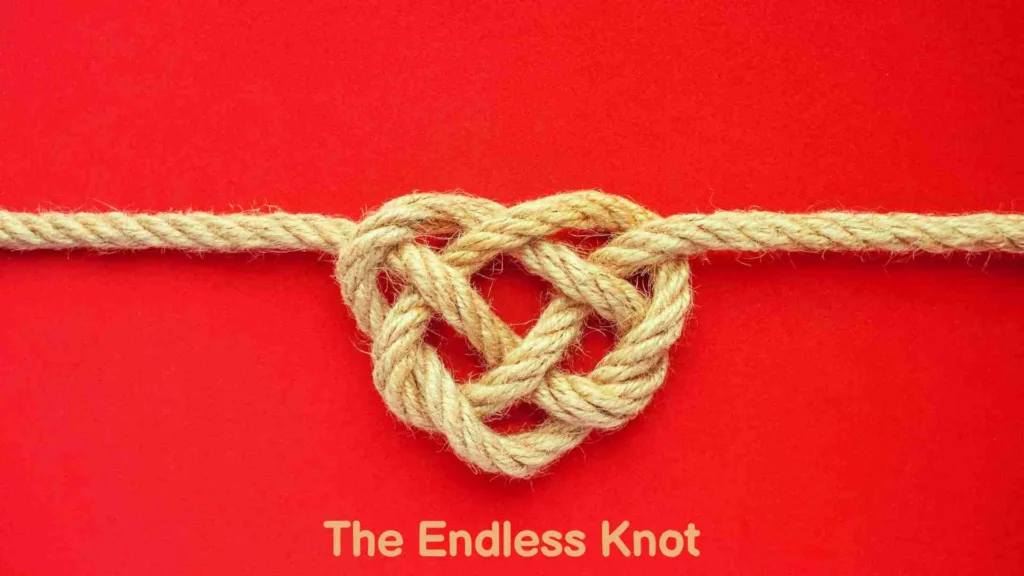
The Endless Knot is an ancient design with no beginning and no end.
It appears in several cultures and spiritual traditions.
Family Meaning
When used as a family symbol, it represents:
- Eternal love
- Unbreakable connections
- Interdependence
- Lifelong commitment
The continuous lines reflect how family relationships continue through generations.
The Circle
A Universal Symbol
The circle is one of the oldest symbols used by humans.
Because it has no beginning or end, it naturally symbolizes family unity.
What the Circle Represents
- Wholeness
- Protection
- Equality
- Continuity
Many cultures use circular designs in family ceremonies and traditions to symbolize togetherness.
Modern Examples
Family logos, wedding rings, and reunion emblems often incorporate circles to emphasize unity.
The Oak Tree
Symbol of Strength and Stability
The oak tree has long represented strong family foundations.
Why the Oak Tree Matters
Oak trees symbolize:
- Endurance
- Protection
- Wisdom
- Strength
Because some oak trees live for hundreds of years, they are often associated with long-lasting family legacies.
Historical Example
In many European cultures, families gathered beneath large oak trees for community meetings and celebrations.
The Wolf Pack
A Symbol from Nature
Wolves are known for their strong family structures.
They live and hunt together, protect one another, and cooperate to survive.
Family Meaning
The wolf symbolizes:
- Loyalty
- Teamwork
- Protection
- Leadership
Interesting Fact
Wolf parents care for their young together, making them a natural symbol of family cooperation and responsibility.
The Elephant
Family Loyalty in the Animal Kingdom
Elephants are famous for their close family relationships.
Symbolic Meaning
Elephants represent:
- Family bonds
- Wisdom
- Protection
- Memory
Real-Life Example
Elephant herds are led by experienced female leaders known as matriarchs, who guide and protect younger members.
This strong social structure has made elephants powerful symbols for family unity.
The Turtle
Symbol of Home and Family Protection
Many Indigenous cultures regard the turtle as a symbol of family and stability.
Meaning
The turtle represents:
- Protection
- Longevity
- Patience
- Home
Because turtles carry their homes on their backs, they are often associated with family security and shelter.
The Hearth and Fireplace
Traditional Family Gathering Place
For centuries, the hearth was the center of family life.
Families gathered around the fire to cook, share stories, and spend time together.
Symbolism
The hearth represents:
- Warmth
- Comfort
- Family unity
- Hospitality
Even today, fireplaces are often considered symbols of home and togetherness.
Family Crests and Coats of Arms
Symbols of Heritage
Family crests originated in medieval Europe as identifying marks for noble families.
What They Represent
A family crest often symbolizes:
- Family history
- Values
- Achievements
- Heritage
Common Elements
Many crests include:
- Animals
- Shields
- Trees
- Crowns
- Mottoes
Modern families often explore their ancestral crests to learn more about their history.
The Claddagh Symbol
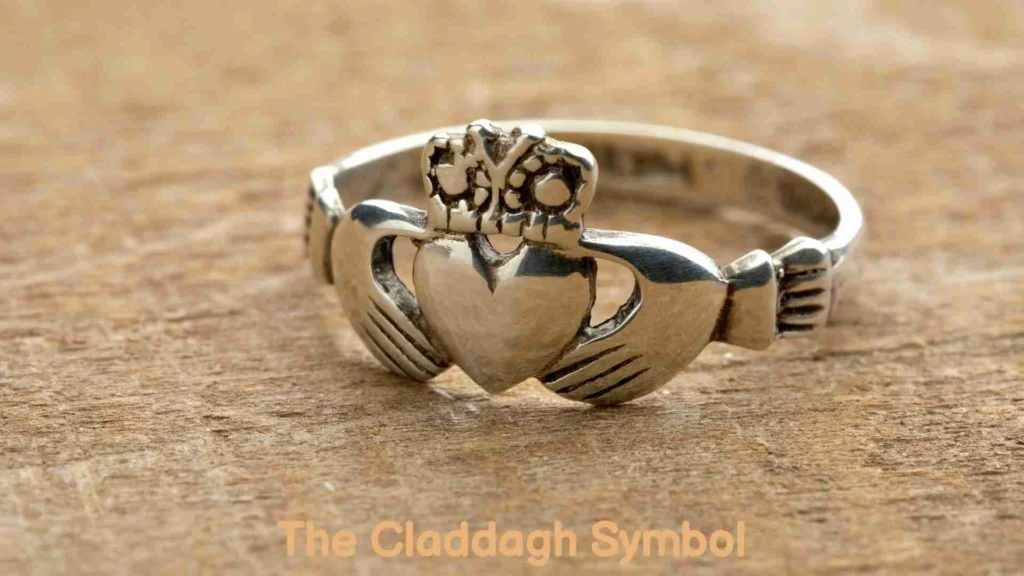
Irish Symbol of Family and Love
The Claddagh consists of:
- Two hands
- A heart
- A crown
Meaning
Each element has significance:
- Hands = Friendship
- Heart = Love
- Crown = Loyalty
Together, these qualities form the foundation of strong family relationships.
Modern Use
Claddagh rings are commonly exchanged among family members and loved ones.
The House
Universal Family Symbol
A house is often used to symbolize family because it represents the place where relationships grow and memories are made.
Symbolic Meaning
The house represents:
- Security
- Belonging
- Stability
- Shelter
In many cultures, the family home serves as a powerful emotional symbol that connects generations.
The Heart
Symbol of Love and Affection
The heart is one of the world’s most recognizable symbols.
Family Significance
For families, the heart represents:
- Love
- Compassion
- Care
- Emotional connection
Heart-shaped designs frequently appear in family gifts, photo albums, and memorial items.
The Butterfly
Symbol of Generational Change
Butterflies symbolize transformation and growth.
Family Meaning
They represent:
- New beginnings
- Family growth
- Personal development
- Hope
Families often use butterfly imagery to celebrate milestones such as births, graduations, and reunions.
The Sun
Symbol of Life and Support
Many cultures associate the sun with warmth and life.
Family Symbolism
The sun represents:
- Guidance
- Protection
- Energy
- Nurturing care
Just as the sun sustains life, families support and encourage one another.
The Bamboo Plant
Symbol of Resilient Families
In many Asian cultures, bamboo symbolizes family strength.
Meaning
Bamboo represents:
- Flexibility
- Growth
- Unity
- Endurance
It bends during storms without breaking, making it a fitting symbol for families overcoming challenges together.
Ancient Family Symbols Around the World
Chinese Family Symbols
Traditional Chinese culture often uses:
- Dragons
- Bamboo
- Family seals
- Ancestral tablets
These symbols emphasize respect for ancestors and family continuity.
Native American Family Symbols
Many Indigenous communities use:
- Turtle symbols
- Clan animals
- Family totems
These symbols connect families to nature and ancestral traditions.
African Family Symbols
Several African cultures use symbolic patterns to represent:
- Unity
- Community
- Cooperation
- Shared responsibility
These symbols highlight the importance of extended family networks.
Nordic Family Symbols
Ancient Norse societies often used:
- Yggdrasil (World Tree)
- Runes
- Animal motifs
These symbols emphasized ancestry and kinship.
Practical Applications of Symbols for Family
Family symbols continue to play an important role in modern life.
Family Tattoos
Many people choose family symbols for tattoos, including:
- Trees
- Hearts
- Wolves
- Initials
- Celtic knots
These tattoos serve as permanent reminders of loved ones.
Jewelry
Family-themed jewelry often features:
- Tree of Life pendants
- Claddagh rings
- Birthstone designs
- Family name engravings
Home Decoration
Popular decorative uses include:
- Family tree wall art
- Personalized signs
- Family crests
- Heritage displays
Family Reunions
Symbols are frequently used on:
- Banners
- T-shirts
- Invitations
- Souvenirs
They help strengthen group identity and create lasting memories.
Benefits of Family Symbols for Society
Preserving Heritage
Symbols help families remember their roots and cultural traditions.
Strengthening Relationships
Shared symbols create emotional bonds and a sense of belonging.
Encouraging Positive Values
Family symbols often reflect important values such as:
- Respect
- Loyalty
- Responsibility
- Compassion
Supporting Cultural Identity
They help communities preserve unique customs and histories.
Inspiring Future Generations
Children who learn the meanings behind family symbols often develop a stronger appreciation for their ancestry and traditions.
Fascinating Facts About Family Symbols
- Family trees have been used for centuries to record ancestry.
- The Celtic Tree of Life remains one of the most popular family tattoo designs.
- Elephant herds can remain connected across generations.
- The Claddagh symbol dates back more than 300 years.
- Ancient family crests were originally used on shields during battles.
- Wolves are among the most family-oriented animals in nature.
- Many cultures use trees as symbols of family because of their shared roots and branching growth.
Frequently Asked Questions (FAQs)
1. What is the most common symbol for family?
The family tree is one of the most widely recognized symbols for family because it visually represents ancestry, growth, and connection across generations.
2. Why is the Tree of Life associated with family?
The Tree of Life symbolizes strong roots, growth, wisdom, and the interconnected nature of family relationships.
3. What animal symbolizes family?
Several animals symbolize family, including wolves, elephants, and turtles because of their strong social bonds and protective behaviors.
4. Are family symbols used in tattoos?
Yes. Family symbols such as trees, hearts, Celtic knots, and family crests are popular tattoo choices that represent love and heritage.
5. Why are family symbols important?
Family symbols preserve traditions, strengthen relationships, honor ancestors, and provide a meaningful way to celebrate family identity.
Conclusion
Symbols for family have been used throughout history to represent love, unity, protection, and heritage. From the family tree and Celtic Tree of Life to animals like wolves and elephants, these symbols capture the deep connections that bind people together across generations.
Beyond their artistic appeal, family symbols help preserve cultural traditions, strengthen relationships, and inspire future generations to value their roots.
Whether displayed in a home, worn as jewelry, incorporated into a family crest, or chosen as a tattoo, these symbols serve as powerful reminders of the support, loyalty, and love that family provides. In a rapidly changing world, family symbols continue to celebrate one of humanity’s most important and enduring relationships.

Isaac Wellington
I’ve always been fascinated by the hidden stories in everyday life and the power of words to change how we see the world. Writing, for me, isn’t just a profession—it’s a way to explore human emotions, mysteries, and the unexpected twists of life. Over the years, I’ve dedicated myself to creating stories that linger in your mind long after the last page. When I’m not writing, you’ll usually find me wandering through old libraries or sketching ideas in a notebook. I believe every story has a heartbeat, and I aim to capture that rhythm in my work. Join me on a journey where imagination meets reality, and the ordinary becomes extraordinary.
Books:
-
Shadows of the Forgotten
-
Whispers Through Time