
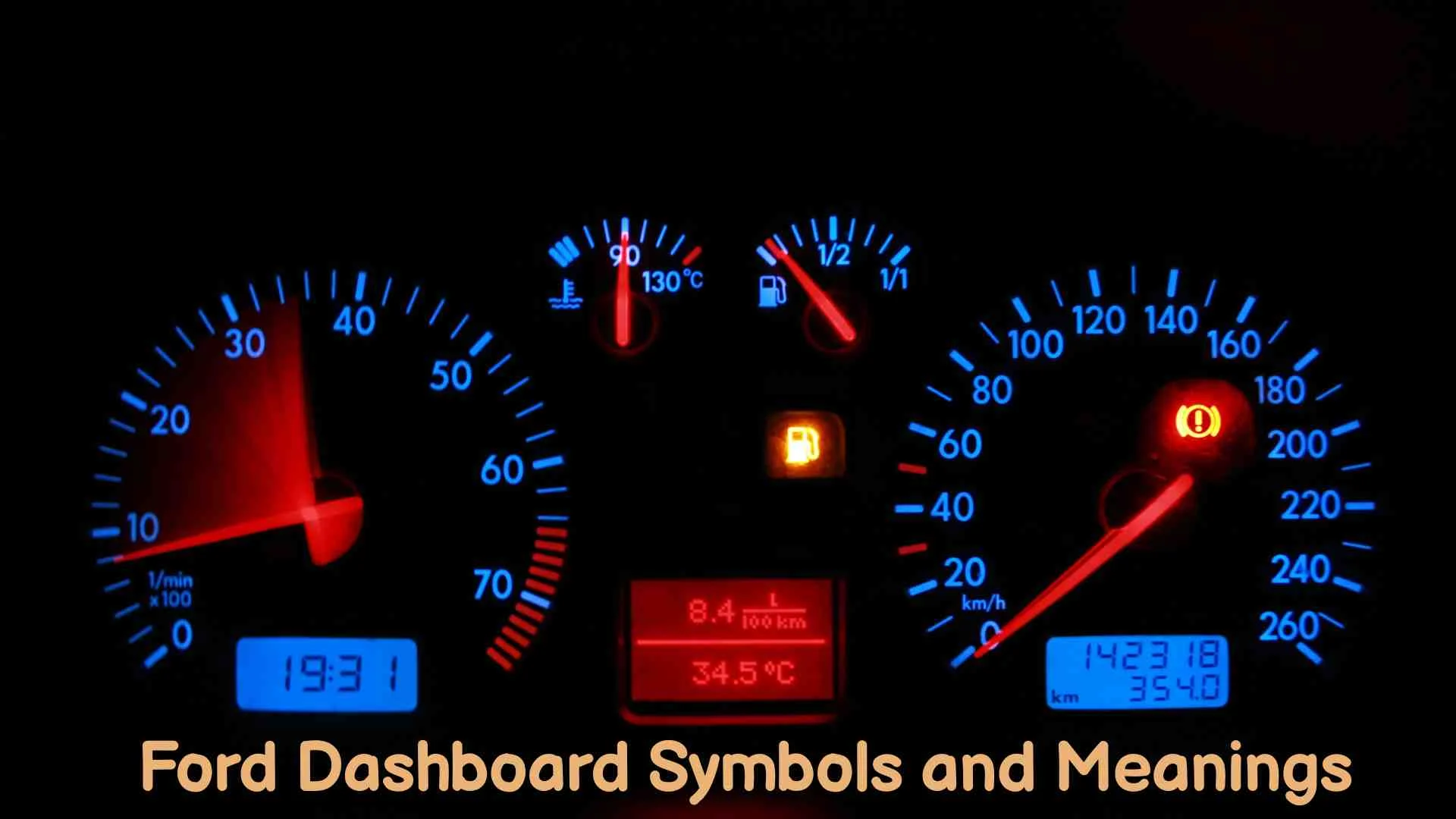
Ford dashboard symbols and meanings help drivers understand the condition of their vehicle and identify potential issues before they become serious problems.
In short, these dashboard warning lights and indicators communicate important information about safety systems, engine performance, maintenance needs, and vehicle operations.
Knowing what these symbols mean can help you drive more safely, avoid costly repairs, and keep your Ford running smoothly.
Whether you own a Ford F-150, Explorer, Escape, Mustang, Edge, Ranger, Bronco, or another model, understanding dashboard symbols is an essential part of responsible vehicle ownership. This guide explains the most common Ford dashboard symbols and meanings in simple, easy-to-understand language.
What Are Ford Dashboard Symbols?

Ford dashboard symbols are visual indicators displayed on the instrument cluster behind the steering wheel. These lights provide information about your vehicle’s systems and alert you when something requires attention.
Dashboard symbols generally fall into three categories:
Informational Indicators
These lights provide information about vehicle operations.
Examples include:
- Turn signal indicators
- High beam indicators
- Cruise control indicators
Warning Indicators
These symbols alert drivers to issues that may require attention soon.
Examples include:
- Tire pressure warnings
- Engine service reminders
- Low fuel indicators
Critical Warning Lights
These symbols indicate potentially serious problems requiring immediate action.
Examples include:
- Engine overheating
- Brake system failure
- Oil pressure loss
Understanding Dashboard Light Colors
Before examining specific Ford dashboard symbols and meanings, it helps to understand color coding.
Green or Blue Lights
These indicate systems operating normally.
Examples:
- High beams
- Turn signals
- Cruise control
Yellow or Amber Lights
These indicate caution.
The vehicle may still be drivable, but inspection is recommended.
Examples:
- Check engine light
- Tire pressure warning
- ABS warning
Red Lights
Red warning lights signal urgent issues.
You should stop driving as soon as it is safe to do so and investigate the problem.
Examples:
- Low oil pressure
- Brake warning light
- Engine temperature warning
Check Engine Light
What It Looks Like
The symbol resembles an engine outline.
What It Means
One of the most common Ford dashboard symbols and meanings, the check engine light indicates the vehicle’s computer has detected a problem.
Possible causes include:
- Loose gas cap
- Faulty oxygen sensor
- Ignition problems
- Emissions system issues
- Fuel system malfunctions
Practical Example
If the light appears after refueling, check whether the gas cap is properly tightened. A loose cap can trigger the warning.
What To Do
- Check for obvious issues
- Monitor vehicle performance
- Schedule diagnostic testing
If the light flashes, immediate service is recommended.
Oil Pressure Warning Light
What It Looks Like
The symbol resembles an oil can.
What It Means
This warning indicates low engine oil pressure.
Possible causes:
- Low oil level
- Oil pump failure
- Oil leaks
- Internal engine problems
Why It Matters
Driving with insufficient oil pressure can cause severe engine damage.
What To Do
- Pull over safely
- Turn off the engine
- Check oil levels
- Contact a mechanic if necessary
Engine Temperature Warning Light
What It Looks Like
A thermometer over waves.
Meaning
This symbol indicates the engine is overheating.
Common Causes
- Coolant leaks
- Faulty thermostat
- Broken radiator fan
- Low coolant levels
Practical Example
During summer traffic jams, cooling system problems may cause this light to appear.
Immediate Action
- Stop driving safely
- Turn off the engine
- Allow the vehicle to cool
Never remove the radiator cap while the engine is hot.
Battery Warning Light
What It Looks Like
A battery icon with plus and minus signs.
Meaning
This light indicates charging system problems.
Possible causes include:
- Weak battery
- Faulty alternator
- Loose battery connections
- Damaged wiring
Why It Matters
The vehicle may eventually lose electrical power and fail to start.
What To Do
Have the charging system inspected as soon as possible.
Brake System Warning Light
What It Looks Like
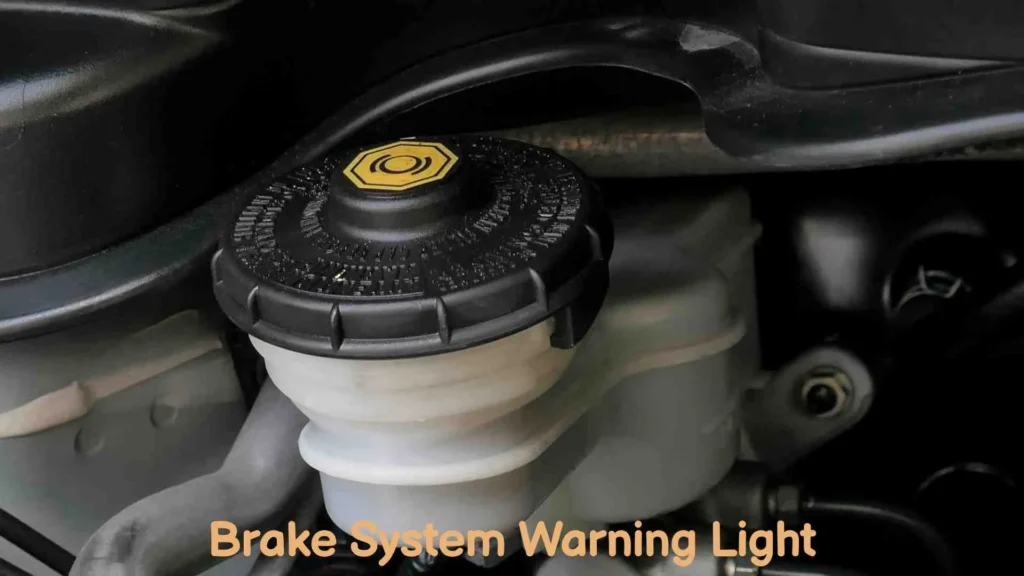
Usually an exclamation mark inside a circle.
Meaning
This symbol may indicate:
- Engaged parking brake
- Low brake fluid
- Brake system malfunction
Safety Importance
Braking problems can significantly increase accident risks.
Recommended Action
Inspect brake fluid levels and seek professional inspection immediately.
Anti-Lock Brake System (ABS) Warning Light
What It Looks Like
The letters “ABS” inside a circle.
Meaning
The ABS system may not function properly.
What Happens?
Normal braking remains available, but anti-lock braking assistance may be disabled.
Real-World Example
During sudden braking on wet roads, ABS helps prevent wheel lockup.
Without ABS, stopping safely can become more difficult.
Tire Pressure Monitoring System (TPMS) Light
What It Looks Like
A horseshoe-shaped tire with an exclamation mark.
Meaning
One or more tires have incorrect air pressure.
Common Causes
- Seasonal temperature changes
- Slow leaks
- Tire damage
Benefits of Addressing It
Proper tire pressure:
- Improves fuel efficiency
- Enhances safety
- Extends tire life
Airbag Warning Light
What It Looks Like
A seated passenger with an airbag.
Meaning
The airbag system may have a fault.
Why It’s Important
Airbags may not deploy properly during a collision.
Recommended Action
Schedule service promptly to ensure passenger safety.
Seat Belt Reminder Light
What It Looks Like
A person wearing a seat belt.
Meaning
One or more occupants have not fastened seat belts.
Safety Benefits
Seat belts significantly reduce injury risk during accidents.
Modern Features
Many Ford models combine the light with audible alerts.
Fuel Warning Light
What It Looks Like
A gas pump icon.
Meaning
Fuel level is low.
Practical Example
Most Ford vehicles display this warning when approximately 30–50 miles of fuel range remain.
Best Practice
Refuel soon to avoid running out of fuel.
Traction Control Warning Light
What It Looks Like
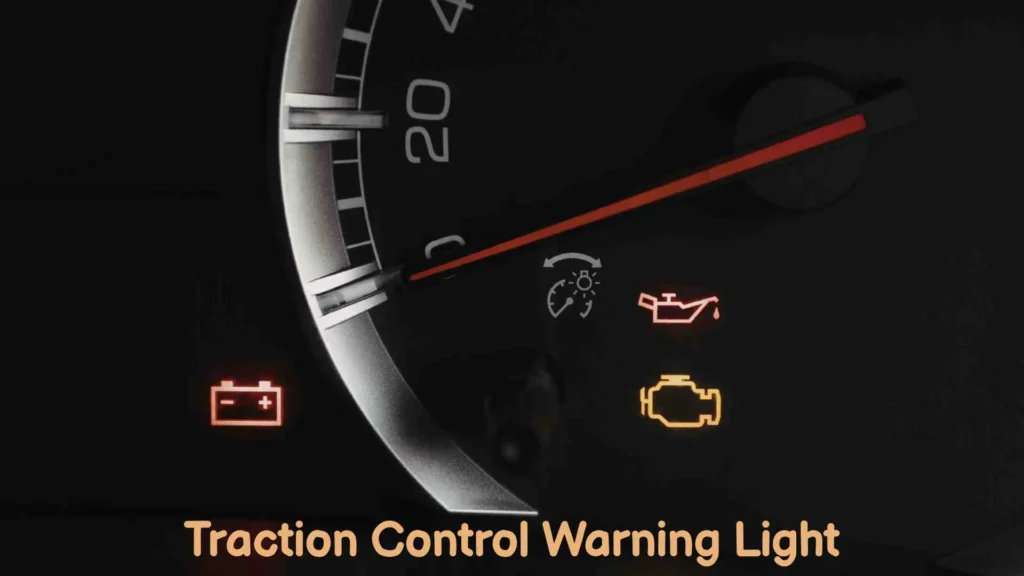
A car with wavy skid marks.
Meaning
The traction control system is actively helping maintain grip.
When It Appears
Often during:
- Snow
- Ice
- Rain
- Gravel roads
Driver Benefit
Helps prevent wheel spin and loss of control.
Stability Control Warning Light
What It Looks Like
Similar to the traction control symbol.
Meaning
Electronic stability control is active or experiencing a malfunction.
Importance
The system helps drivers maintain directional control during emergency maneuvers.
Example
If a vehicle begins sliding around a corner, stability control can help restore balance.
Cruise Control Indicator
What It Looks Like
A speedometer icon.
Meaning
Cruise control is activated.
Benefits
- Reduces driver fatigue
- Improves highway comfort
- Supports fuel efficiency
Modern Ford Models
Many newer Ford vehicles include adaptive cruise control features.
High Beam Indicator
What It Looks Like
A blue headlight symbol.
Meaning
High beams are currently active.
Driver Tip
Use high beams responsibly to avoid blinding other drivers.
Low Fuel Indicator
Why It Matters
Repeatedly driving with very low fuel levels may stress fuel system components.
Good Habits
- Refuel before reaching empty
- Monitor fuel consumption regularly
Door Ajar Warning Light
What It Looks Like
A vehicle with one or more doors open.
Meaning
A door, trunk, or hood is not fully closed.
Safety Concern
Open doors can create safety hazards while driving.
Simple Fix
Inspect all doors and compartments carefully.
Washer Fluid Warning Light
What It Looks Like
A windshield with spray droplets.
Meaning
Windshield washer fluid is low.
Importance
Clean windshields improve visibility and safety.
Four-Wheel Drive Indicator
Meaning
Appears on Ford trucks and SUVs equipped with four-wheel drive systems.
Purpose
Indicates:
- 4WD engaged
- 4WD low range selected
- System operation status
Examples
Common on:
- Ford Bronco
- Ford Ranger
- Ford F-150
Diesel Glow Plug Indicator
Applicable Vehicles
Found on diesel-powered Ford models.
Meaning
Glow plugs are warming the engine before startup.
Driver Instructions
Wait until the light turns off before starting the engine.
Lane Keeping System Indicator
Modern Ford Technology
Many Ford vehicles include lane-keeping assistance.
Meaning
The system is:
- Active
- Monitoring lane markings
- Providing steering assistance
Benefits
Helps reduce unintended lane departures.
Blind Spot Monitoring Indicator
Meaning
A vehicle is detected in your blind spot.
Safety Advantages
Helps prevent:
- Lane-change accidents
- Side-impact collisions
Modern Example
Ford’s Blind Spot Information System (BLIS) uses radar sensors to improve awareness.
Automatic Start-Stop Indicator
What It Means
The engine has temporarily shut off to save fuel.
Benefits
- Reduced emissions
- Improved fuel economy
- Lower idle fuel consumption
Common Situations
The system often activates while waiting at traffic lights.
Ford Intelligent Oil-Life Monitor
Unique Ford Feature
Instead of fixed oil-change intervals, many Ford vehicles monitor actual engine conditions.
Benefits
- Optimized maintenance schedules
- Lower operating costs
- Improved engine longevity
Dashboard Notifications
The system alerts drivers when service is needed.
Practical Benefits of Understanding Ford Dashboard Symbols
Knowing Ford dashboard symbols and meanings provides several advantages.
Improved Safety
Drivers can respond quickly to warnings.
Lower Repair Costs
Early detection prevents expensive damage.
Better Vehicle Reliability
Routine attention helps vehicles last longer.
Greater Confidence
Understanding dashboard indicators reduces confusion and stress.
Impact of Dashboard Warning Systems on Society
Dashboard warning systems contribute positively to society by improving road safety and vehicle reliability.
Fewer Breakdowns
Drivers receive early warnings about potential failures.
Improved Road Safety
Critical systems can alert drivers before dangerous conditions develop.
Reduced Environmental Impact
Warnings help maintain fuel efficiency and emissions systems.
Lower Maintenance Costs
Preventive repairs are often less expensive than major repairs.
Interesting Facts About Ford Dashboard Technology
- Early automobiles had very few warning indicators.
- Modern Ford vehicles may display dozens of different dashboard symbols.
- Many Ford models now include customizable digital instrument clusters.
- Advanced driver-assistance systems continue to add new dashboard indicators.
- Some Ford vehicles can send maintenance alerts directly to smartphone apps.
- Digital dashboards can provide real-time vehicle diagnostics.
- Dashboard warning systems have significantly improved vehicle safety over the last few decades.
Frequently Asked Questions (FAQs)
1. What is the most serious Ford dashboard warning light?
The oil pressure warning light and engine temperature warning light are among the most serious because they can indicate conditions that may cause major engine damage.
2. Can I drive with the check engine light on?
In many cases, yes, but the vehicle should be diagnosed soon. If the light is flashing, immediate service is recommended.
3. Why does my tire pressure light come on in cold weather?
Cold temperatures cause air pressure inside tires to decrease, which may trigger the TPMS warning.
4. What should I do if the battery warning light appears?
Have the battery and charging system inspected promptly to avoid unexpected breakdowns.
5. Are dashboard symbols the same on all Ford vehicles?
Most core warning lights are similar, but some advanced indicators vary depending on the model, year, and available technology.
Conclusion
Understanding Ford dashboard symbols and meanings is an essential part of safe and responsible vehicle ownership. These warning lights and indicators serve as your vehicle’s communication system, alerting you to maintenance needs, safety concerns, and system status updates.
From the check engine light and oil pressure warning to modern features such as blind spot monitoring and lane-keeping assistance, each symbol provides valuable information that can help protect both your vehicle and its occupants.
By learning what these dashboard symbols mean and responding appropriately, drivers can improve safety, reduce repair costs, extend vehicle life, and enjoy greater confidence on the road. Whether you drive a Ford truck, SUV, or passenger car, recognizing dashboard indicators ensures you get the most from your vehicle while maintaining reliable performance for years to come.

Isaac Wellington
I’ve always been fascinated by the hidden stories in everyday life and the power of words to change how we see the world. Writing, for me, isn’t just a profession—it’s a way to explore human emotions, mysteries, and the unexpected twists of life. Over the years, I’ve dedicated myself to creating stories that linger in your mind long after the last page. When I’m not writing, you’ll usually find me wandering through old libraries or sketching ideas in a notebook. I believe every story has a heartbeat, and I aim to capture that rhythm in my work. Join me on a journey where imagination meets reality, and the ordinary becomes extraordinary.
Books:
-
Shadows of the Forgotten
-
Whispers Through Time