
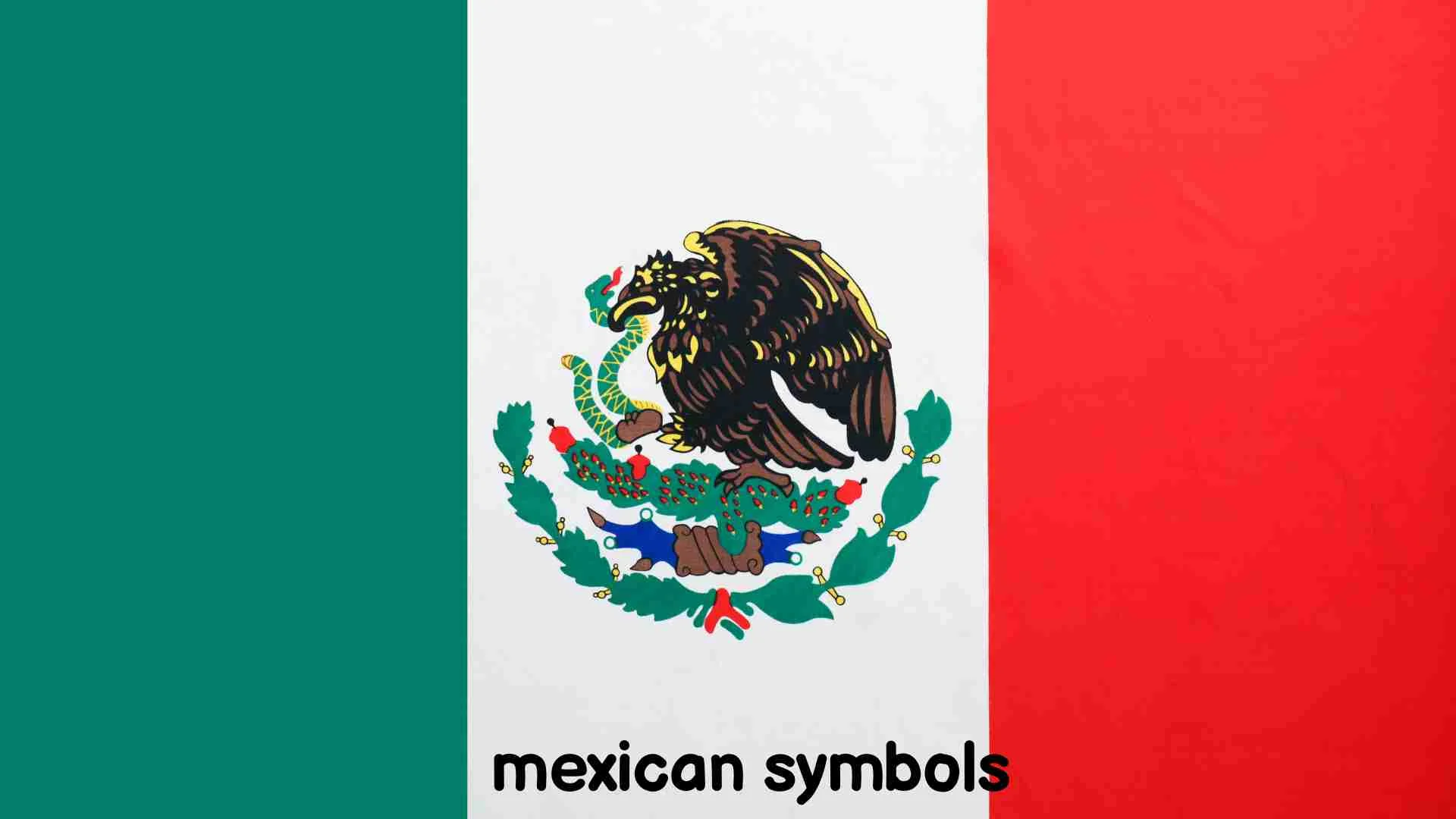
Mexican symbols are powerful representations of Mexico’s history, culture, traditions, and national identity.
These symbols tell stories of ancient civilizations, independence, faith, courage, and pride. In short, Mexican symbols help people understand what makes Mexico unique and why its cultural heritage is admired around the world.
From the famous eagle on the national flag to colorful traditions like Día de los Muertos, Mexican symbols connect the past with the present.
Whether official national emblems or cultural icons, these symbols reflect the spirit and values of the Mexican people.
What Are Mexican Symbols?
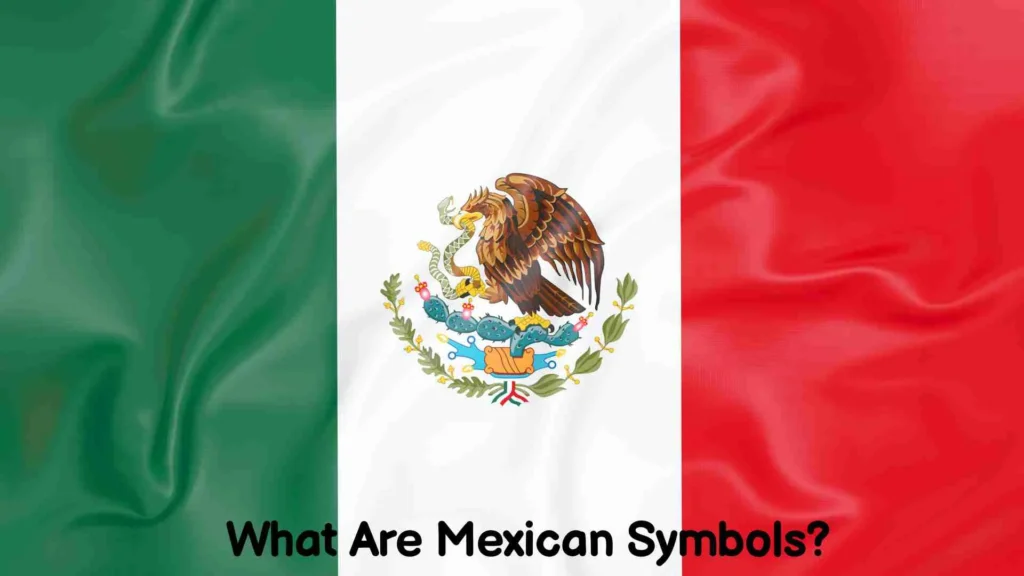
Mexican symbols are images, animals, plants, objects, traditions, and emblems that represent Mexico’s identity and heritage. Some are officially recognized by the government, while others have become cultural symbols through history and popular tradition.
These symbols appear in:
- National celebrations
- Schools and educational materials
- Government buildings
- Art and literature
- Tourism campaigns
- Religious festivals
- Sports events
- Traditional crafts
Together, they help preserve Mexico’s rich cultural legacy and strengthen national pride.
Why Are Mexican Symbols Important?
Symbols play an important role in every nation, and Mexico is no exception.
Mexican symbols help:
- Preserve historical memory
- Promote cultural unity
- Teach younger generations about heritage
- Strengthen national identity
- Attract tourism
- Celebrate diversity
Many symbols have roots that stretch back thousands of years to the civilizations of the Aztecs, Maya, Olmecs, and other Indigenous peoples.
The Mexican Flag
The Most Recognized Mexican Symbol
The Mexican flag is one of the most important national symbols of Mexico. Its design consists of three vertical stripes:
- Green
- White
- Red
At the center is the national coat of arms featuring an eagle holding a snake while standing on a cactus.
Meaning of the Colors
Green
Represents:
- Hope
- Independence
- Prosperity
White
Represents:
- Unity
- Peace
- Purity
Red
Represents:
- Courage
- National heroes
- The struggle for freedom
Historical Importance
The modern version of the flag was officially adopted in 1968, although its basic design dates back much earlier.
The flag is displayed proudly during national holidays, sporting events, and civic celebrations throughout Mexico.
The Eagle and Snake
The Legendary Origin
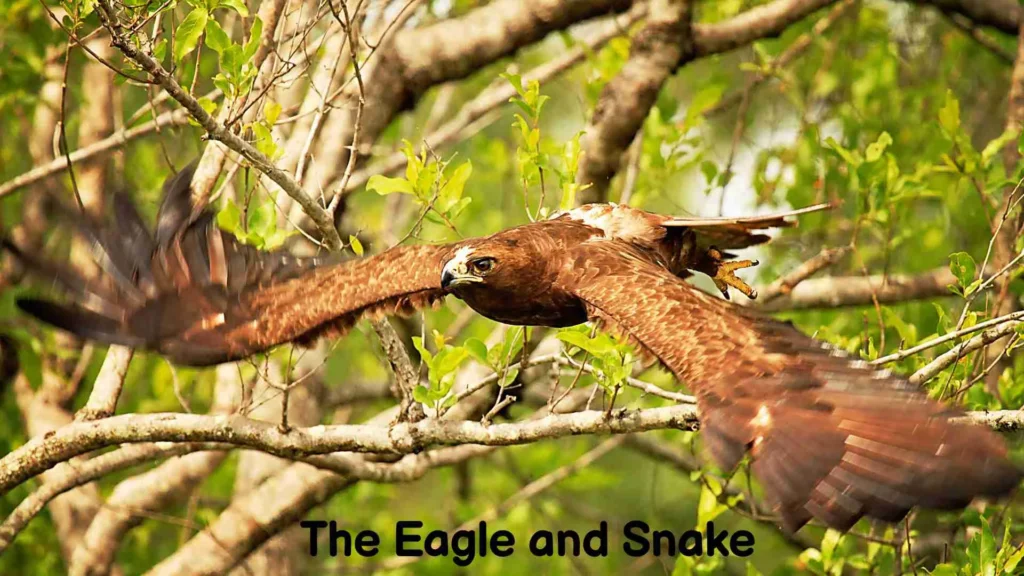
The eagle and snake are among the most powerful Mexican symbols.
According to Aztec legend, the gods instructed the Aztec people to build their city where they saw:
- An eagle
- Sitting on a cactus
- Holding a snake
After years of searching, they witnessed this vision on an island in Lake Texcoco.
Birth of Tenochtitlán
The Aztecs founded Tenochtitlán at that location in 1325. Today, that site is part of modern-day Mexico City.
Symbolic Meaning
The image represents:
- Strength
- Victory
- Divine guidance
- National identity
This legendary scene remains at the center of the Mexican flag.
The National Coat of Arms
A Symbol of Independence and Heritage
The Mexican coat of arms includes:
- A golden eagle
- A rattlesnake
- A prickly pear cactus
- Oak branches
- Laurel branches
Meaning
The emblem symbolizes:
- Courage
- Freedom
- Resilience
- Historical continuity
It appears on official government documents, coins, passports, and military insignia.
The Golden Eagle
Mexico’s National Bird
The golden eagle is one of the most respected Mexican symbols.
Why It Matters
The bird represents:
- Power
- Leadership
- Freedom
- Determination
The golden eagle has been admired since ancient times and was especially important to the Aztecs.
Interesting Fact
Golden eagles can have wingspans exceeding seven feet and are among the world’s most impressive birds of prey.
The Prickly Pear Cactus (Nopal)
A National Plant
The nopal cactus appears in the Mexican coat of arms and has been an important part of Mexican life for centuries.
Cultural Importance
The cactus provides:
- Food
- Medicine
- Animal feed
- Economic value
Symbolic Meaning
The nopal represents:
- Survival
- Adaptability
- Prosperity
Today, nopal remains a common ingredient in Mexican cuisine.
The Virgin of Guadalupe
A Religious and Cultural Symbol
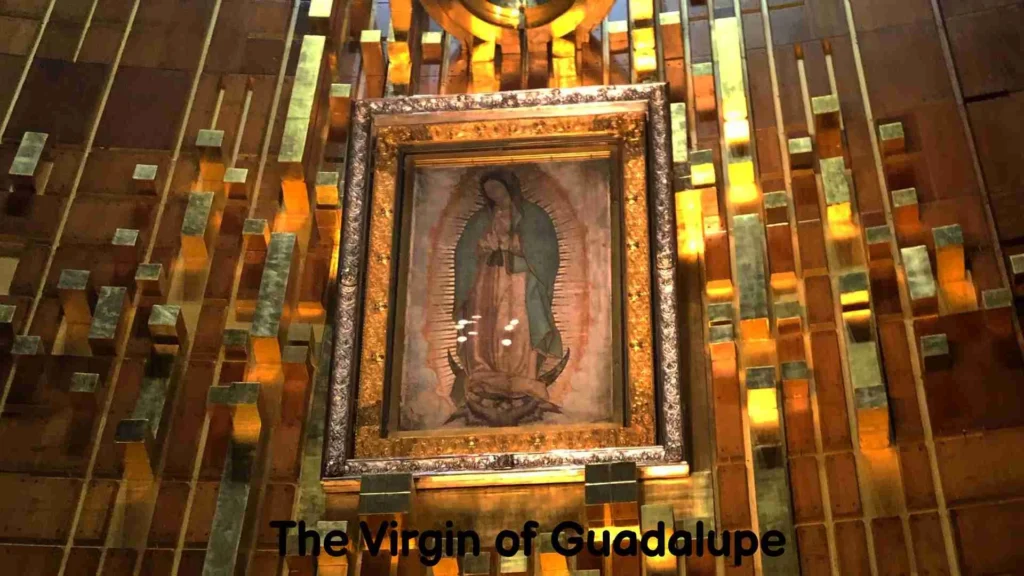
The Virgin of Guadalupe is one of Mexico’s most beloved religious symbols.
According to tradition, she appeared to an Indigenous man named Juan Diego in 1531.
Importance to Mexican Society
She symbolizes:
- Faith
- Compassion
- Unity
- Protection
Millions of pilgrims visit her shrine each year.
Historical Influence
During Mexico’s struggle for independence, many revolutionaries carried banners bearing her image as a symbol of hope and freedom.
Mariachi Music
The Sound of Mexico
Mariachi music has become one of the most recognizable Mexican symbols worldwide.
Traditional mariachi groups typically feature:
- Violins
- Trumpets
- Guitars
- Guitarrón bass
Cultural Significance
Mariachi represents:
- Celebration
- Family traditions
- National pride
- Artistic expression
Modern Popularity
Mariachi music is performed at:
- Weddings
- Festivals
- National holidays
- International cultural events
In 2011, UNESCO recognized mariachi as part of the world’s intangible cultural heritage.
The Charro
Mexico’s Traditional Horseman
The charro is a skilled horse rider dressed in elegant traditional clothing.
Symbolic Meaning
The charro represents:
- Honor
- Courage
- Tradition
- Rural heritage
Traditional Clothing
A charro outfit often includes:
- Embroidered jacket
- Decorative trousers
- Large sombrero
- Leather boots
The image of the charro remains an enduring symbol of Mexican culture.
The Sombrero
More Than a Hat
The sombrero is one of the most famous Mexican symbols.
Originally designed to protect workers from the intense sun, it became an iconic part of Mexican traditional dress.
Symbolism
The sombrero represents:
- Rural traditions
- Practical craftsmanship
- Cultural identity
Today, it is often seen during festivals and folkloric performances.
Día de los Muertos (Day of the Dead)
A Unique Cultural Tradition
Día de los Muertos is one of Mexico’s most famous cultural symbols.
Celebrated on November 1 and 2, it honors deceased loved ones.
Key Symbols of the Festival
- Sugar skulls
- Marigold flowers
- Candles
- Family altars
- Photographs
Meaning
The celebration teaches that death is a natural part of life and that memories keep loved ones alive.
Global Recognition
The festival attracts visitors from around the world and showcases Mexico’s unique perspective on remembrance and family.
Sugar Skulls
Colorful Symbols of Remembrance
Sugar skulls, known as calaveras, are closely associated with Día de los Muertos.
What They Represent
Rather than sadness, they symbolize:
- Celebration of life
- Memory
- Family connections
- Spiritual continuity
Each skull is often decorated with bright colors and personalized designs.
Marigold Flowers
The Flower of the Dead
Marigolds are believed to guide spirits back to the world of the living during Día de los Muertos.
Symbolic Meaning
They represent:
- Love
- Memory
- Guidance
- Hope
Their bright orange color makes them one of the most recognizable Mexican symbols.
The Pyramid of the Sun
Connection to Ancient Civilizations
The Pyramid of the Sun at the ancient city of Teotihuacan symbolizes Mexico’s rich pre-Columbian heritage.
Historical Importance
Built nearly 2,000 years ago, it remains one of the largest pyramids in the world.
Symbolism
The pyramid represents:
- Ancient knowledge
- Spirituality
- Architectural achievement
It continues to inspire pride in Mexico’s Indigenous history.
The Maya and Aztec Calendars
Symbols of Ancient Wisdom
Ancient calendars are among the most fascinating Mexican symbols.
These complex systems tracked:
- Time
- Astronomy
- Agriculture
- Religious ceremonies
Modern Influence
Today, calendar imagery appears in:
- Museums
- Artworks
- Educational materials
- Souvenirs
They remind people of the scientific achievements of ancient Mexican civilizations.
The Mexican Wolf
A Symbol of Conservation
The Mexican wolf is one of the rarest wolves in North America.
What It Represents
The animal symbolizes:
- Biodiversity
- Environmental protection
- Ecological balance
Conservation Success
Conservation programs have helped increase the population of this endangered species, making it a modern symbol of environmental responsibility.
The Monarch Butterfly
Nature’s Traveling Wonder
Every year, millions of monarch butterflies migrate to central Mexico.
Symbolic Meaning
The monarch butterfly represents:
- Transformation
- Endurance
- Renewal
- Natural beauty
Many communities view their arrival as a spiritual event connected to ancestors.
Mexican Folk Art
Creativity and Cultural Expression
Mexico is famous for vibrant folk art traditions.
Popular examples include:
- Alebrijes
- Pottery
- Textiles
- Wood carvings
Symbolic Importance
These artistic creations represent:
- Community identity
- Creativity
- Indigenous traditions
They help preserve cultural knowledge across generations.
Practical Applications of Mexican Symbols Today
Mexican symbols remain highly relevant in modern society.
Education
Schools use symbols to teach:
- History
- Geography
- Civic values
- Cultural heritage
Tourism
National symbols attract millions of visitors annually.
Examples include:
- Historic monuments
- Cultural festivals
- Museums
- Archaeological sites
Branding and Marketing
Businesses often use Mexican symbols to promote:
- Traditional products
- Handcrafted goods
- Cultural experiences
Community Celebrations
Symbols help strengthen local identity during:
- Independence Day celebrations
- Religious festivals
- Cultural fairs
Benefits of Mexican Symbols for Society
Preserving Cultural Heritage
Symbols keep historical traditions alive.
Strengthening National Unity
Shared symbols create a sense of belonging among citizens.
Supporting Economic Growth
Tourism and cultural industries benefit from national symbols.
Encouraging Cultural Pride
People feel connected to their roots through familiar symbols.
Promoting International Understanding
Mexican symbols introduce global audiences to the country’s rich history and traditions.
Fascinating Facts About Mexican Symbols
- The eagle-and-snake legend dates back more than 700 years.
- The monarch butterfly migration covers thousands of miles.
- Mariachi music originated in western Mexico.
- The nopal cactus is both a national symbol and a popular food.
- Mexico has 35 UNESCO World Heritage Sites.
- Día de los Muertos blends Indigenous and Spanish traditions.
- Ancient Mexican civilizations developed highly accurate calendars.
Frequently Asked Questions (FAQs)
1. What is the most important Mexican symbol?
The Mexican flag is widely considered the most important national symbol because it represents the country’s history, independence, and identity.
2. Why is the eagle eating a snake on the Mexican flag?
The image comes from an Aztec legend that guided the founding of Tenochtitlán, the predecessor of modern Mexico City.
3. What does the nopal cactus symbolize in Mexico?
The nopal symbolizes resilience, survival, prosperity, and the connection between nature and Mexican culture.
4. Why is Día de los Muertos important?
It honors deceased loved ones and celebrates the ongoing bond between families and their ancestors.
5. What cultural symbol is Mexico most famous for internationally?
Mariachi music, the sombrero, Día de los Muertos, and the Mexican flag are among the most recognized Mexican symbols worldwide.
Conclusion
Mexican symbols are much more than images or traditions they are living expressions of Mexico’s history, identity, and cultural pride. From the legendary eagle and snake on the national flag to the colorful celebrations of Día de los Muertos, each symbol tells a story that connects generations and preserves the nation’s heritage.
These symbols highlight the achievements of ancient civilizations, the struggles for independence, the importance of faith, and the richness of Mexican traditions.
They continue to inspire pride among Mexicans while helping people around the world appreciate the country’s remarkable culture.
Understanding Mexican symbols offers a deeper appreciation of Mexico’s past, present, and future, making them an essential part of the nation’s enduring legacy.

Isaac Wellington
I’ve always been fascinated by the hidden stories in everyday life and the power of words to change how we see the world. Writing, for me, isn’t just a profession—it’s a way to explore human emotions, mysteries, and the unexpected twists of life. Over the years, I’ve dedicated myself to creating stories that linger in your mind long after the last page. When I’m not writing, you’ll usually find me wandering through old libraries or sketching ideas in a notebook. I believe every story has a heartbeat, and I aim to capture that rhythm in my work. Join me on a journey where imagination meets reality, and the ordinary becomes extraordinary.
Books:
-
Shadows of the Forgotten
-
Whispers Through Time