
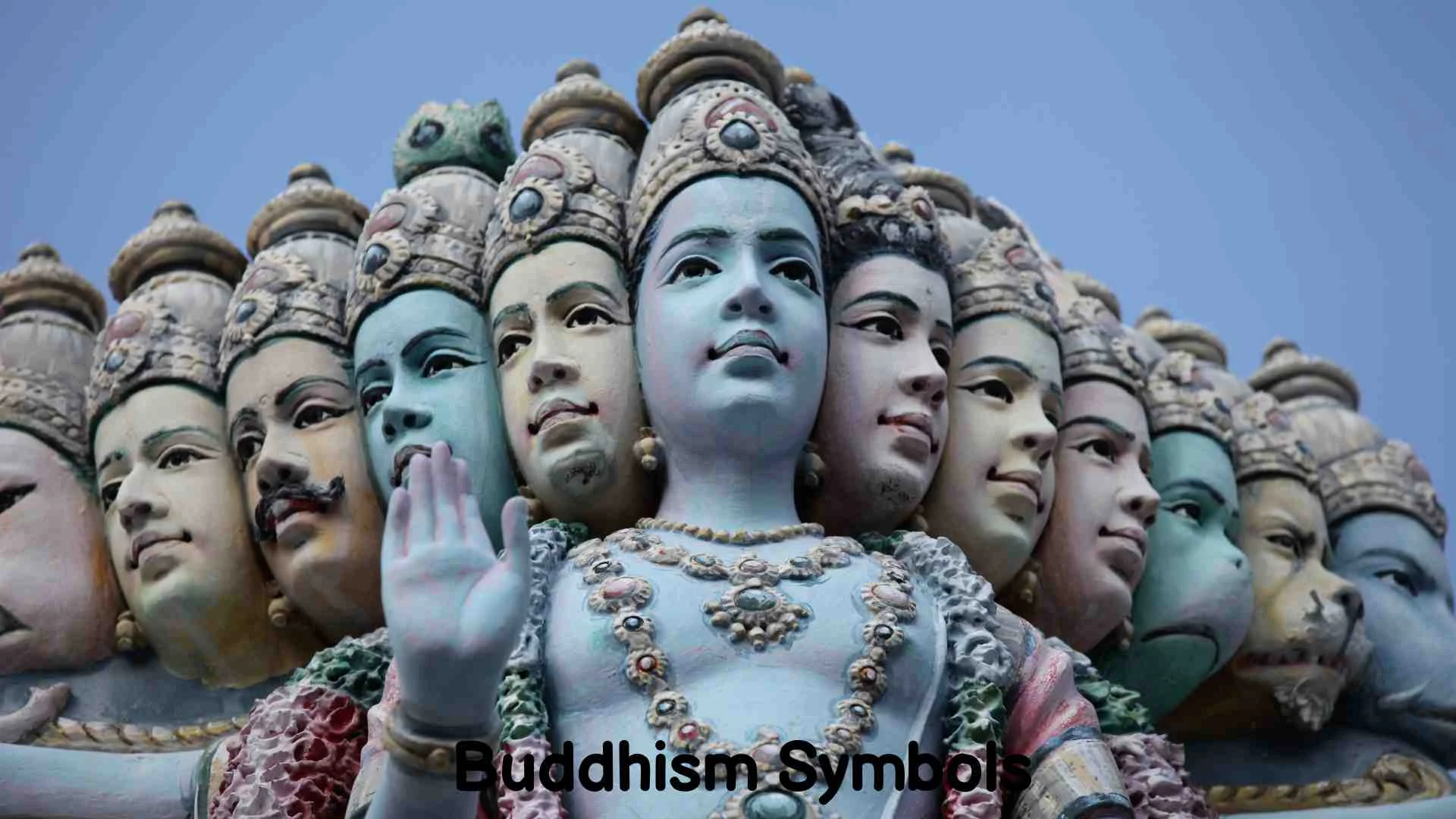
Buddhism symbols are powerful visual representations of Buddhist teachings, values, and spiritual practices.
These symbols help explain complex ideas such as enlightenment, compassion, wisdom, and the cycle of life in a simple and memorable way.
From the Dharma Wheel to the Lotus Flower, each symbol carries a deep meaning that continues to inspire millions of people around the world.
Understanding Buddhism symbols offers valuable insight into Buddhist philosophy, culture, and daily life.
What Are Buddhism Symbols?
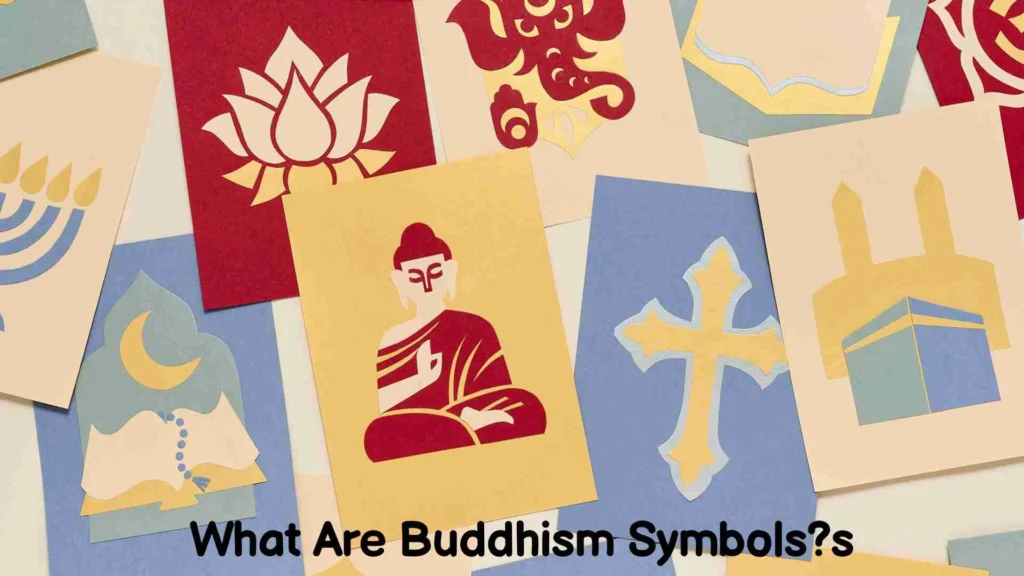
Buddhism symbols are sacred images, objects, patterns, and signs used to communicate important teachings of Buddhism. Since many spiritual concepts can be difficult to express through words alone, symbols have played a crucial role in Buddhist traditions for centuries.
Before images of the Buddha became common, early Buddhists often used symbols to represent his presence and teachings. These symbols appeared in temples, monuments, manuscripts, and works of art throughout Asia.
Today, Buddhism symbols can be found in:
- Temples and monasteries
- Meditation centers
- Religious artwork
- Prayer flags
- Jewelry and clothing
- Books and educational materials
Each symbol serves as a reminder of important Buddhist principles and encourages practitioners to follow the path toward wisdom and inner peace.
The Historical Importance of Buddhism Symbols
Buddhism began in ancient India more than 2,500 years ago with the teachings of Siddhartha Gautama, who became known as the Buddha.
In the earliest centuries of Buddhism, artists avoided depicting the Buddha in human form. Instead, they used symbolic images to represent his life and teachings.
Some early examples included:
- Footprints representing the Buddha’s presence
- The Bodhi Tree symbolizing enlightenment
- The Dharma Wheel representing teachings
- An empty throne symbolizing spiritual authority
As Buddhism spread across Asia, these symbols evolved and gained regional variations while retaining their original spiritual meanings.
The Dharma Wheel (Dharmachakra)
Meaning of the Dharma Wheel
The Dharma Wheel is one of the most recognized Buddhism symbols. It represents the teachings of the Buddha and the path to enlightenment.
The Sanskrit word “Dharmachakra” means “Wheel of Dharma” or “Wheel of Truth.”
Symbolism of the Eight Spokes
The wheel usually contains eight spokes representing the Noble Eightfold Path:
- Right View
- Right Intention
- Right Speech
- Right Action
- Right Livelihood
- Right Effort
- Right Mindfulness
- Right Concentration
These teachings guide Buddhists toward ethical living and spiritual growth.
Interesting Fact
The Dharma Wheel appears on the national flag of India as the Ashoka Chakra, highlighting the lasting influence of Buddhist philosophy.
The Lotus Flower
Why the Lotus Is Important
The Lotus Flower is among the most beautiful and meaningful Buddhism symbols.
It grows in muddy water yet blooms into a pure and beautiful flower. This journey symbolizes the human path from ignorance and suffering toward wisdom and enlightenment.
Colors and Their Meanings
Different lotus colors carry unique meanings:
White Lotus
Represents purity and spiritual perfection.
Pink Lotus
Associated with the historical Buddha and supreme enlightenment.
Blue Lotus
Represents wisdom, knowledge, and victory over desires.
Red Lotus
Symbolizes love, compassion, and kindness.
Purple Lotus
Often connected with mystical teachings and spiritual awakening.
Modern Application
Many meditation centers use the lotus symbol to remind practitioners that personal growth is possible despite life’s challenges.
The Bodhi Tree
The Tree of Enlightenment
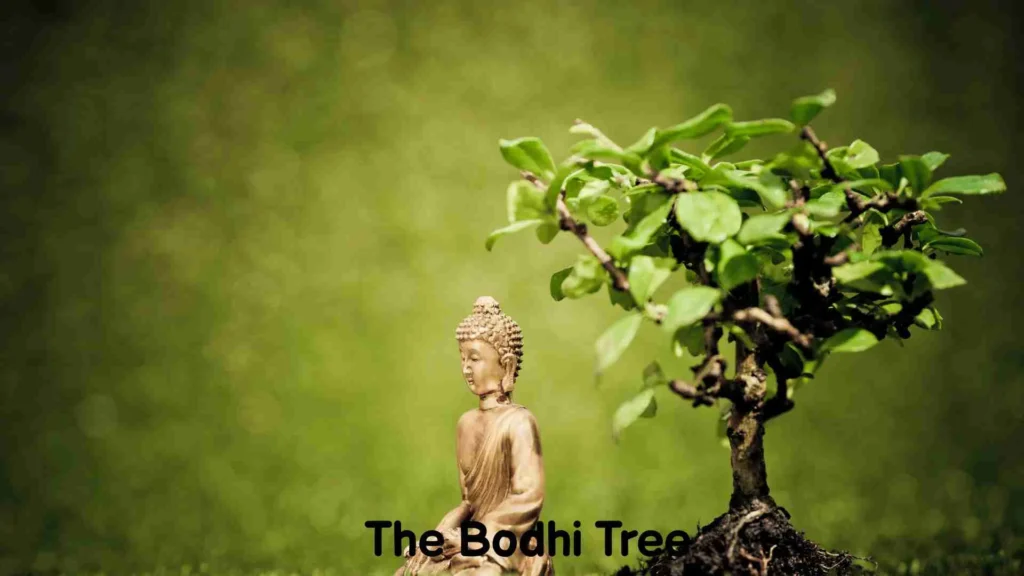
The Bodhi Tree holds special significance because it is believed that Siddhartha Gautama attained enlightenment while meditating beneath one.
Located in Bodh Gaya, India, the original tree became one of the most sacred sites in Buddhism.
Symbolic Meaning
The Bodhi Tree represents:
- Wisdom
- Enlightenment
- Stability
- Spiritual growth
- Inner awakening
Historical Anecdote
According to Buddhist tradition, the Buddha spent weeks near the tree after enlightenment, reflecting on the truth he had discovered.
Today, descendants of the original Bodhi Tree continue to be honored by Buddhists worldwide.
The Buddha Image
More Than a Statue
Although technically not one of the earliest Buddhism symbols, Buddha statues became powerful spiritual representations.
Different poses, known as mudras, convey different teachings.
Common Buddha Poses
Meditation Pose
Represents concentration and inner peace.
Earth-Touching Pose
Symbolizes the moment of enlightenment.
Teaching Pose
Represents sharing wisdom with others.
Reclining Buddha
Symbolizes the Buddha’s final passing into Nirvana.
Practical Significance
Many people place Buddha statues in homes or gardens as reminders of mindfulness, compassion, and wisdom.
The Endless Knot

Symbol of Interconnection
The Endless Knot is one of the Eight Auspicious Symbols in Buddhism.
It consists of interwoven lines without a beginning or end.
Meaning
The symbol represents:
- Interconnectedness of all things
- Cause and effect
- Eternal wisdom
- Harmony between compassion and knowledge
Modern Relevance
The Endless Knot is often used in jewelry and decorative art as a reminder that actions have consequences and everything is connected.
The Conch Shell
The Voice of Truth
The white conch shell symbolizes the spreading of Buddhist teachings.
Historically, conch shells were used as ceremonial instruments to announce important events.
Spiritual Meaning
The conch represents:
- The voice of the Buddha
- Awakening from ignorance
- Courage
- Communication of truth
Cultural Use
Many Buddhist ceremonies still include the blowing of conch shells during rituals and celebrations.
The Parasol
Protection From Suffering
The parasol symbolizes protection and shelter.
In ancient India, parasols were used by royalty, making them symbols of honor and dignity.
Buddhist Meaning
The parasol represents:
- Spiritual protection
- Freedom from suffering
- Compassion
- Refuge in Buddhist teachings
Symbolic Interpretation
Just as a parasol shields people from harsh sunlight, Buddhist teachings protect practitioners from ignorance and harmful influences.
The Golden Fish
Symbol of Freedom
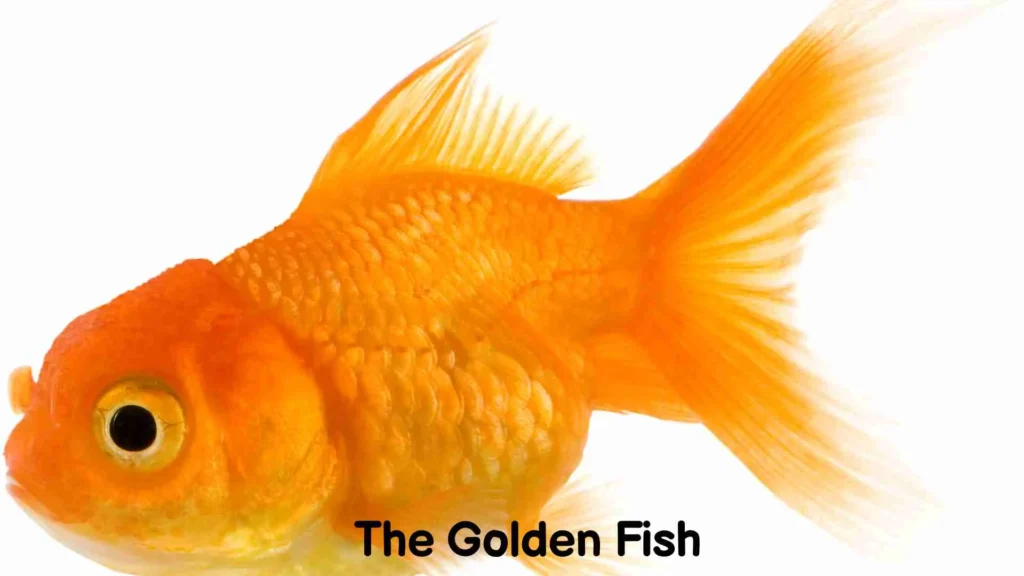
The Golden Fish is another member of the Eight Auspicious Symbols.
Originally, the fish represented the sacred rivers of India, including the Ganges and Yamuna.
Meaning
The fish symbolize:
- Happiness
- Freedom
- Fearlessness
- Good fortune
Spiritual Lesson
Fish move freely through water without fear. Likewise, Buddhists seek to move through life without attachment and anxiety.
The Treasure Vase
Symbol of Abundance
The Treasure Vase represents spiritual wealth rather than material riches.
Meanings Include
- Prosperity
- Health
- Longevity
- Wisdom
- Fulfillment
Practical Application
The symbol encourages people to develop inner qualities such as generosity and compassion rather than focusing only on material possessions.
The Victory Banner
Triumph Over Obstacles
The Victory Banner symbolizes the Buddha’s victory over ignorance and negative mental states.
Key Meanings
- Spiritual success
- Courage
- Determination
- Enlightenment
Lesson for Daily Life
The banner reminds people that personal growth requires effort, discipline, and perseverance.
The Dharma Treasure Wheel and Deer
Symbol of the First Sermon
In many Buddhist temples, a Dharma Wheel is placed between two deer.
This arrangement recalls the Buddha’s first sermon in the Deer Park at Sarnath.
Meaning
The deer symbolize:
- Peacefulness
- Harmony
- Attentive listening
The wheel represents the beginning of the Buddha’s teaching mission.
Historical Importance
The first sermon introduced the Four Noble Truths, which became the foundation of Buddhist philosophy.
The Buddhist Flag
A Modern Buddhist Symbol
The Buddhist Flag was created in the late nineteenth century and is now recognized worldwide.
Colors and Meanings
The flag contains six vertical bands:
- Blue: Compassion
- Yellow: Middle Path
- Red: Blessings
- White: Purity
- Orange: Wisdom
- Combined colors: Universal truth
Global Significance
The flag unites Buddhists from different countries and traditions under shared values.
The Lion
Symbol of Strength
The lion frequently appears in Buddhist art and architecture.
The Buddha’s teachings are often described as the “Lion’s Roar.”
Meaning
The lion symbolizes:
- Courage
- Leadership
- Wisdom
- Spiritual authority
Interesting Fact
Many Buddhist temples feature stone lions at entrances to symbolize protection and strength.
The Stupa
Sacred Buddhist Monument
A stupa is a dome-shaped structure that contains sacred relics or commemorates important events.
Symbolic Elements
Different parts of a stupa represent aspects of the Buddhist path:
- Base: Earth
- Dome: Water
- Spire: Fire
- Upper elements: Air and space
Famous Example
The Great Stupa at Sanchi in India is one of the oldest and most important Buddhist monuments in the world.
Buddhist Hand Gestures (Mudras)
What Are Mudras?
Mudras are symbolic hand gestures used in Buddhist art and meditation.
Each gesture conveys a specific teaching or state of mind.
Common Mudras
Dhyana Mudra
Represents meditation and concentration.
Abhaya Mudra
Symbolizes fearlessness and protection.
Varada Mudra
Represents generosity and compassion.
Vitarka Mudra
Indicates teaching and discussion.
Practical Importance
Many meditation practitioners use mudras to enhance focus and mindfulness.
How Buddhism Symbols Are Used Today
Buddhism symbols remain highly relevant in the modern world.
In Meditation
Symbols help practitioners focus attention and deepen concentration.
In Education
Teachers use symbols to explain Buddhist concepts to students.
In Art and Design
Artists incorporate Buddhist imagery into paintings, architecture, and sculpture.
In Personal Development
People use Buddhist symbols as reminders to practice:
- Compassion
- Mindfulness
- Patience
- Gratitude
- Inner peace
Benefits of Buddhism Symbols for Society
Beyond religious practice, Buddhism symbols offer valuable lessons for everyone.
Promoting Peace
Symbols such as the lotus and Dharma Wheel encourage peaceful living and understanding.
Encouraging Compassion
Many Buddhist symbols emphasize kindness and empathy toward others.
Supporting Mental Well-Being
Visual reminders of mindfulness can reduce stress and improve emotional balance.
Preserving Cultural Heritage
Buddhist symbols help preserve ancient traditions, art forms, and historical knowledge.
Inspiring Ethical Living
The teachings represented by these symbols encourage honesty, responsibility, and respect.
Fascinating Facts About Buddhism Symbols
- The Dharma Wheel is more than 2,000 years old.
- The lotus flower can bloom in muddy water yet remain perfectly clean.
- Early Buddhist art often avoided showing the Buddha as a human figure.
- The Endless Knot has no beginning and no end, symbolizing eternal interconnectedness.
- Buddhist symbols appear in countries across Asia, Europe, North America, and Australia.
- Some ancient stupas contain relics believed to be connected to the Buddha himself.
Lessons We Can Learn From Buddhism Symbols
Even for people who are not Buddhists, these symbols provide meaningful life lessons.
Key teachings include:
- Growth can emerge from difficulties, like the lotus flower.
- Everything in life is interconnected, as shown by the Endless Knot.
- Wisdom develops through learning and reflection.
- Compassion strengthens communities.
- Inner peace comes from mindfulness and understanding.
These universal values make Buddhism symbols relevant across cultures and generations.
Frequently Asked Questions (FAQs)
1. What is the most important symbol in Buddhism?
The Dharma Wheel is often considered the most important Buddhist symbol because it represents the Buddha’s teachings and the Noble Eightfold Path.
2. Why is the lotus flower significant in Buddhism?
The lotus symbolizes purity, spiritual growth, and enlightenment because it rises from muddy water and blooms beautifully.
3. What does the Endless Knot represent?
The Endless Knot represents interconnectedness, eternal wisdom, and the relationship between cause and effect.
4. Are Buddhism symbols only used by Buddhists?
No. Many people appreciate Buddhist symbols for their artistic beauty and universal messages about peace, mindfulness, and compassion.
5. What are the Eight Auspicious Symbols in Buddhism?
The Eight Auspicious Symbols are the Parasol, Golden Fish, Treasure Vase, Lotus Flower, Conch Shell, Endless Knot, Victory Banner, and Dharma Wheel.
Conclusion
Buddhism symbols are much more than decorative images. They serve as visual teachings that communicate profound spiritual truths about wisdom, compassion, mindfulness, and enlightenment. From the Dharma Wheel and Lotus Flower to the Bodhi Tree and Endless Knot, each symbol carries centuries of history and meaning. These symbols continue to inspire individuals, preserve cultural traditions, and promote values that benefit society as a whole. By understanding Buddhism symbols, we gain a deeper appreciation for one of the world’s most influential spiritual traditions and the timeless lessons it offers for living a balanced, meaningful, and compassionate life.

Isaac Wellington
I’ve always been fascinated by the hidden stories in everyday life and the power of words to change how we see the world. Writing, for me, isn’t just a profession—it’s a way to explore human emotions, mysteries, and the unexpected twists of life. Over the years, I’ve dedicated myself to creating stories that linger in your mind long after the last page. When I’m not writing, you’ll usually find me wandering through old libraries or sketching ideas in a notebook. I believe every story has a heartbeat, and I aim to capture that rhythm in my work. Join me on a journey where imagination meets reality, and the ordinary becomes extraordinary.
Books:
-
Shadows of the Forgotten
-
Whispers Through Time