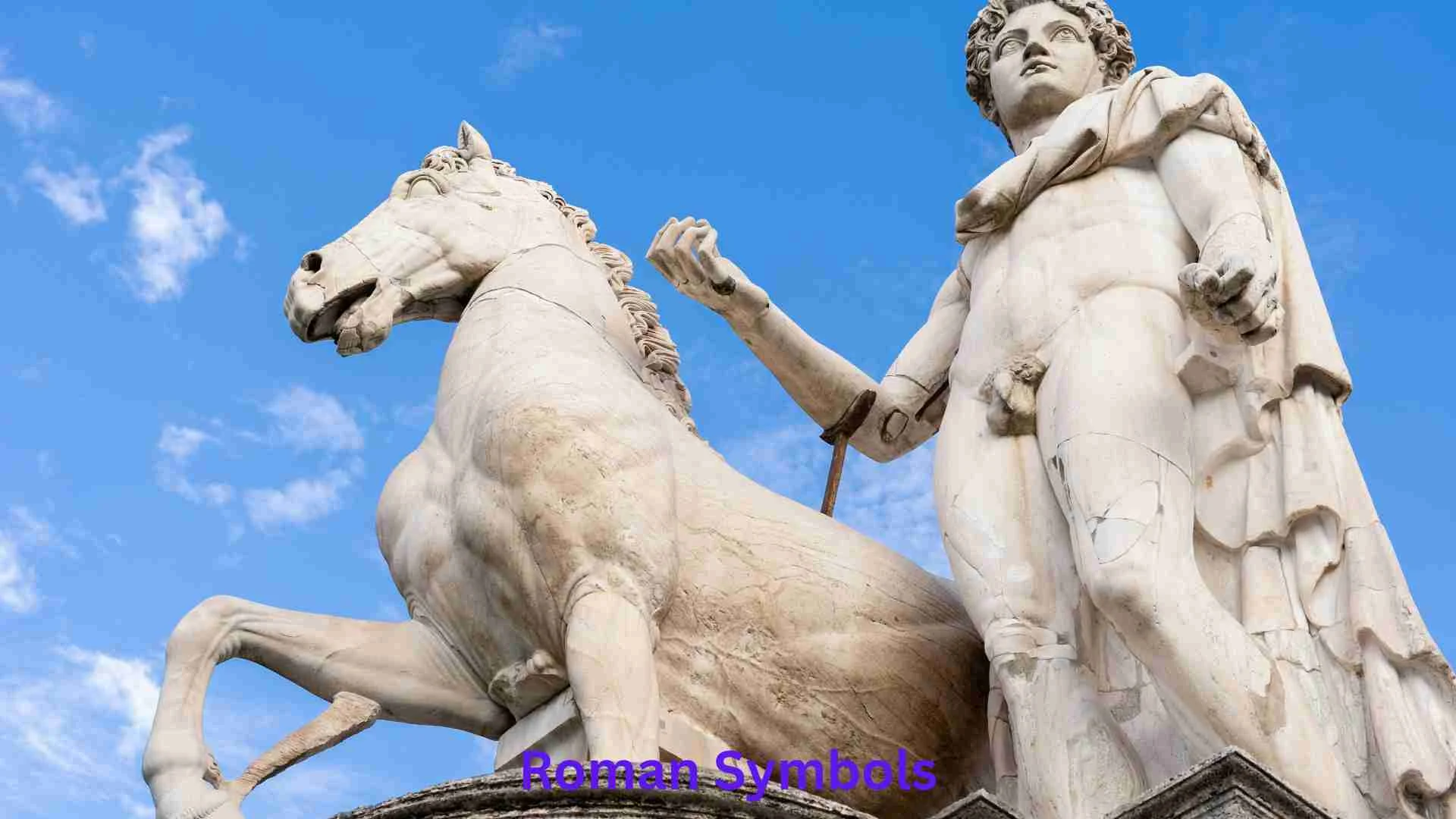
Roman symbols are powerful signs, objects, images, and emblems connected to ancient Rome and its civilization.
These symbols represented authority, strength, religion, victory, loyalty, and the greatness of the Roman Empire.
From the famous eagle and laurel wreath to Roman numerals and military standards, Roman symbols continue influencing modern society, architecture, politics, art, and language today.
The ancient Romans used symbols in everyday life, government, religion, warfare, and public celebrations. These symbols helped unite the empire and communicate important ideas to millions of people across vast territories. Understanding Roman symbols gives us deeper insight into one of the most influential civilizations in world history.
What Are Roman Symbols?
Roman symbols are visual representations used by ancient Romans to express ideas, values, power, and identity.
Purpose of Roman Symbols
Romans used symbols to represent:
- Political authority
- Military strength
- Religious beliefs
- Social status
- National pride
- Victory and honor
These symbols appeared on:
- Coins
- Buildings
- Statues
- Flags
- Military armor
- Government documents
Why Roman Symbols Were Important
Ancient Rome controlled a massive empire stretching across Europe, North Africa, and the Middle East.
Communication Across the Empire
Because many people spoke different languages, symbols became a universal way to communicate ideas.
Building Unity
Roman symbols helped create a shared Roman identity among citizens and soldiers.
Showing Power
Large monuments and military emblems reminded people of Rome’s strength and authority.
The Roman Eagle (Aquila)
The Roman eagle, called the Aquila, was one of the most important Roman symbols.
Meaning of the Roman Eagle
The eagle represented:
- Power
- Courage
- Victory
- Imperial authority
Military Importance
Each Roman legion carried a golden eagle standard into battle.
Losing the eagle in war was considered a terrible disgrace.
Symbolic Role
The eagle also connected Rome with Jupiter, the king of the Roman gods.
Influence on Modern Society
Many modern countries and organizations still use eagle symbols inspired by ancient Rome.
SPQR: The Symbol of Roman Government
One of the most famous Roman symbols is SPQR.
What Does SPQR Mean?
SPQR stands for:
Senatus Populusque Romanus
This means:
“The Senate and the People of Rome.”
Where SPQR Was Used
Romans displayed SPQR on:
- Military banners
- Public buildings
- Coins
- Monuments
- Official documents
Symbolic Meaning
SPQR represented the unity of the Roman government and citizens.
Modern Presence
Even today, SPQR appears throughout the city of Rome on street signs and public property.
The Laurel Wreath
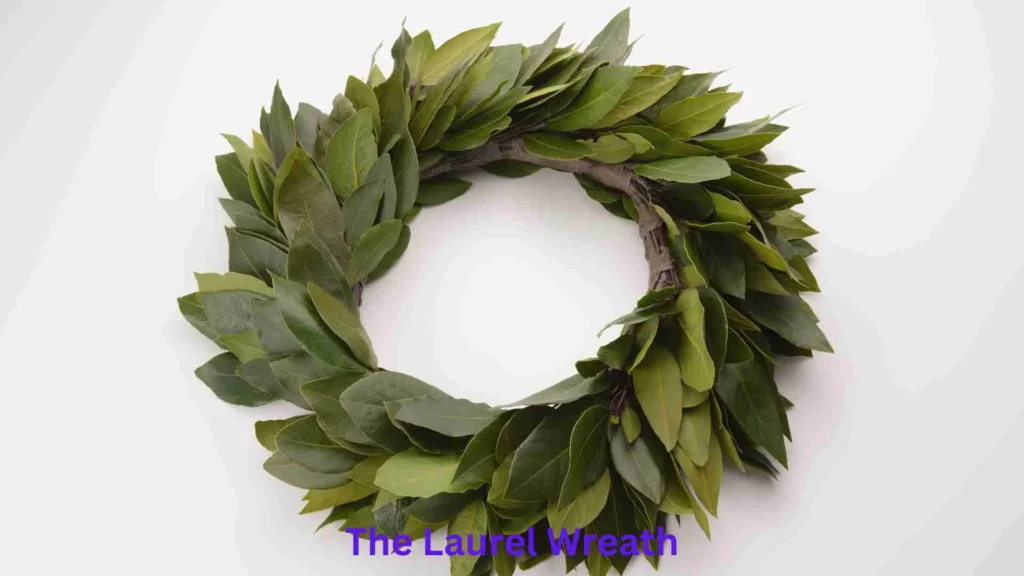
The laurel wreath symbolized honor and victory in ancient Rome.
Origins of the Laurel Symbol
Romans adopted the laurel wreath from Greek traditions connected to Apollo.
Who Wore Laurel Wreaths?
Laurel wreaths were worn by:
- Military generals
- Emperors
- Athletes
- Poets
Symbolic Meaning
The wreath represented:
- Success
- Wisdom
- Achievement
- Glory
Lasting Influence
Today, laurel wreaths appear in:
- Academic logos
- Awards
- Sports medals
- Government emblems
Roman Numerals
Roman numerals are among the most widely used Roman symbols today.
Basic Roman Numerals
The main symbols include:
| Roman Numeral | Number |
| I | 1 |
| V | 5 |
| X | 10 |
| L | 50 |
| C | 100 |
| D | 500 |
| M | 1000 |
Historical Use
Romans used numerals for:
- Trade
- Architecture
- Calendars
- Military organization
Modern Applications
Roman numerals still appear in:
- Clock faces
- Movie titles
- Book chapters
- Sporting events
- Royal names
The Fasces Symbol
The fasces was an important political symbol in ancient Rome.
What Is the Fasces?
It consisted of:
- A bundle of wooden rods
- An axe placed in the center
Meaning of the Fasces
The fasces symbolized:
- Authority
- Justice
- Unity
- Government power
Historical Role
Roman officials called lictors carried fasces during public ceremonies.
Modern Influence
The fasces influenced government symbols in several countries, including the United States and France.
Roman Military Standards
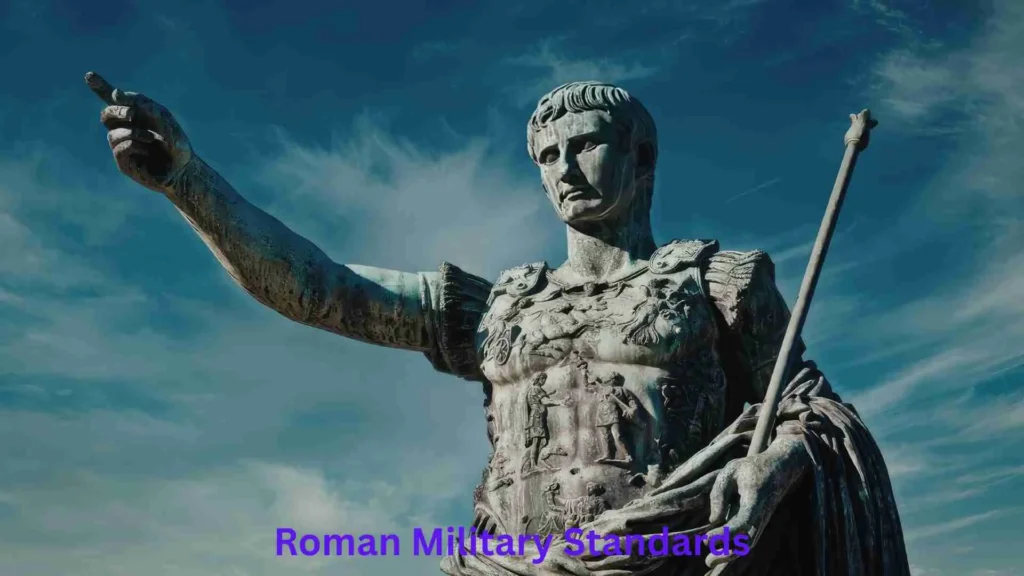
Military standards were critical Roman symbols.
What Were Military Standards?
Standards were decorated poles carried by Roman soldiers.
Purpose
They helped:
- Organize troops
- Inspire soldiers
- Represent loyalty to Rome
Common Symbols on Standards
- Eagles
- Wolves
- Lightning bolts
- SPQR inscriptions
Psychological Importance
Standards boosted morale during battles and symbolized Roman discipline.
The She-Wolf and Romulus and Remus
The she-wolf is one of Rome’s most legendary symbols.
The Founding Myth of Rome
According to legend:
- Twin brothers Romulus and Remus were abandoned as babies.
- A she-wolf rescued and cared for them.
- Romulus later founded Rome.
Symbolic Meaning
The she-wolf represents:
- Protection
- Survival
- Strength
- Roman origins
Artistic Influence
Statues of the she-wolf remain famous symbols of Rome today.
Roman Gods and Their Symbols
Religion played a major role in Roman society.
Jupiter’s Symbols
Jupiter, king of the gods, was associated with:
- Eagles
- Thunderbolts
- Oak trees
Mars and Military Power
Mars, the god of war, symbolized:
- Courage
- Battle
- Strength
Venus and Beauty
Venus represented:
- Love
- Beauty
- Fertility
Religious Importance
Romans believed divine symbols protected the empire and brought success.
The Roman Arch
The arch became one of the most famous architectural symbols of Rome.
Engineering Innovation
Romans perfected arch construction for:
- Bridges
- Aqueducts
- Temples
- Amphitheaters
Symbolic Meaning
The arch represented:
- Stability
- Innovation
- Roman engineering skill
Modern Legacy
Roman arches inspired architecture worldwide.
The Colosseum as a Roman Symbol
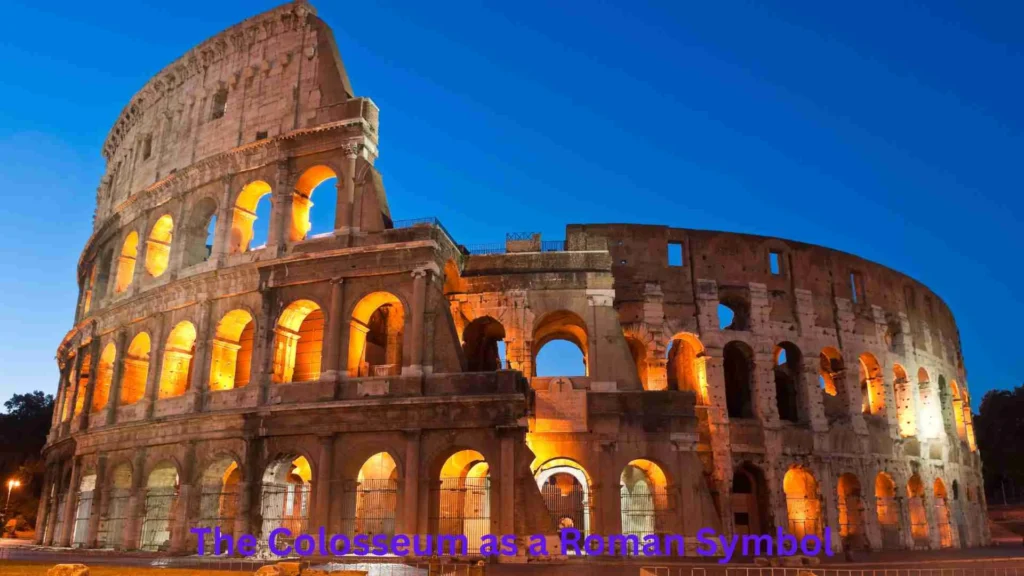
The Colosseum is one of the most recognized Roman landmarks.
Historical Importance
The Colosseum hosted:
- Gladiator games
- Public events
- Animal hunts
Symbolic Meaning
It represented:
- Roman entertainment
- Imperial power
- Engineering brilliance
Tourism Impact
Today, the Colosseum is a global symbol of Roman civilization.
Roman Coins and Their Symbols
Coins were powerful communication tools in ancient Rome.
Images on Roman Coins
Coins often displayed:
- Emperors
- Gods
- Eagles
- Victory symbols
Purpose
Coins spread political messages across the empire.
Historical Value
Today, Roman coins help historians understand Roman history and leadership.
The Roman Torch
The torch symbolized knowledge and civilization.
Meaning
The torch represented:
- Enlightenment
- Learning
- Progress
Religious and Cultural Use
Torches appeared in ceremonies, temples, and festivals.
Modern Influence
Torch symbols continue appearing in:
- Educational institutions
- Olympic ceremonies
- National monuments
Roman Symbols in Law and Government
Roman civilization heavily influenced modern legal systems.
Justice Symbols
Romans associated justice with:
- Balance
- Order
- Authority
Lasting Influence
Modern court systems still use Roman-inspired symbols and legal concepts.
Senate Traditions
The Roman Senate inspired modern governments worldwide.
Roman Symbols in Art and Literature
Roman culture deeply influenced art and storytelling.
Common Artistic Symbols
Roman artists used:
- Eagles
- Laurel wreaths
- Mythological gods
- Military imagery
Literature
Roman writers used symbols to express themes of:
- Honor
- Patriotism
- Duty
Roman Symbols in Modern Society
Roman symbols remain highly influential today.
Government and Politics
Many countries use Roman-inspired architecture and emblems.
Sports and Competitions
Laurel wreaths and Roman numerals are still popular in sporting events.
Movies and Entertainment
Roman symbols appear in:
- Historical films
- Video games
- TV series
- Books
Corporate Branding
Businesses sometimes use Roman symbols to suggest strength and tradition.
Practical Applications of Roman Symbols
Roman symbols continue serving practical purposes.
Education
Roman numerals are taught worldwide in schools.
Architecture
Roman arches and columns inspire modern buildings.
Legal Systems
Roman legal symbols influence courts and constitutions.
Tourism
Ancient Roman symbols attract millions of tourists annually.
Interesting Facts About Roman Symbols
Here are some fascinating facts about Roman symbols:
- Roman soldiers swore loyalty to their military standards.
- The eagle became Rome’s official military symbol under Augustus.
- SPQR is still visible throughout modern Rome.
- Roman numerals have no symbol for zero.
- Laurel wreaths inspired modern graduation crowns and medals.
- Roman arches helped engineers build stronger bridges and aqueducts.
Impact of Roman Symbols on Society
Roman symbols shaped civilizations for centuries.
Cultural Influence
Roman ideas spread throughout Europe and beyond.
Political Impact
Governments adopted Roman-style symbols to represent authority.
Educational Importance
Roman symbols help students learn about history and ancient civilizations.
Artistic Inspiration
Artists and architects continue drawing inspiration from Roman culture.
Legends and Stories Behind Roman Symbols
Roman mythology added rich meaning to many symbols.
Romulus and Remus
The story of Rome’s founding became a national legend.
Caesar’s Triumphs
Victorious generals wore laurel crowns during triumph ceremonies.
Eagle Legends
Romans believed eagles carried messages from the gods.
The Future of Roman Symbols
Roman symbols continue evolving in modern culture.
Digital Design
Roman numerals and Roman imagery appear in digital media and branding.
Historical Preservation
Museums and archaeological sites preserve Roman artifacts for future generations.
Educational Value
Roman symbols continue teaching lessons about leadership, engineering, and civilization.
Frequently Asked Questions About Roman Symbols
1. What is the most famous Roman symbol?
The Roman eagle, or Aquila, is one of the most famous symbols of ancient Rome.
2. What does SPQR mean?
SPQR stands for “Senatus Populusque Romanus,” meaning “The Senate and the People of Rome.”
3. Why are Roman numerals still used today?
Roman numerals are still used in clocks, books, movie titles, and special events because of their historical and decorative appeal.
4. What did the laurel wreath symbolize in Rome?
The laurel wreath symbolized victory, honor, wisdom, and achievement.
5. Why was the she-wolf important to Rome?
The she-wolf represented the legendary origins of Rome through the story of Romulus and Remus.
Conclusion
Roman symbols played a major role in shaping one of the greatest civilizations in history. From the mighty eagle and SPQR to laurel wreaths and Roman numerals, these symbols represented power, unity, victory, and cultural identity. They appeared in government, religion, military life, architecture, and daily Roman society.
Even today, Roman symbols continue influencing modern politics, education, architecture, entertainment, and design. Their lasting presence shows the incredible impact ancient Rome still has on the modern world.
By studying Roman symbols, we gain valuable insight into Roman history, mythology, innovation, and the ideas that helped shape Western civilization for centuries.

Elliot Kensington
Elliot Kensington is a storyteller at heart, always fascinated by the hidden corners of human imagination. From a young age, he found comfort in books and the worlds they created, inspiring him to craft tales that blend emotion, suspense, and wonder. His writing journey began with short stories that captured fleeting moments of life, and over time, evolved into novels that explore both the extraordinary and the everyday. Elliot believes that every story holds a piece of the soul, and his mission is to connect readers to those moments that linger long after the last page. When he’s not writing, he enjoys exploring nature, capturing moments through photography, and seeking inspiration in the little things.
Books by Elliot Kensington:
-
Shadows of Tomorrow
-
The Whispering Path