Cross symbols are among the most recognized and meaningful symbols in human history. They represent faith, protection, sacrifice, balance, spirituality, and cultural identity in many civilizations around the world.
Although most people connect cross symbols with Christianity, crosses existed long before Christianity and have been used in religion, art, science, medicine, and culture for thousands of years.
Today, cross symbols appear in churches, national flags, jewelry, logos, medical signs, architecture, and digital communication. Different cross designs carry different meanings, stories, and traditions.
Understanding cross symbols helps people learn about religion, history, art, and the values shared across societies.
What Are Cross Symbols?

Cross symbols are shapes created by two intersecting lines, usually placed vertically and horizontally. Despite their simple design, they hold deep spiritual and cultural meanings.
Basic Meaning of Cross Symbols
Cross symbols commonly represent:
- Faith
- Hope
- Sacrifice
- Unity
- Balance
- Protection
- Life and death
- Spiritual connection
Different cultures interpret cross symbols in unique ways.
The History of Cross Symbols
The history of cross symbols is much older than many people realize.
Ancient Origins
Cross-like symbols appeared in ancient civilizations including:
- Egypt
- Mesopotamia
- Greece
- India
- China
These early crosses often symbolized:
- The sun
- Nature
- Life cycles
- Cosmic balance
Pre-Christian Use
Before Christianity, crosses were used in pagan rituals and religious ceremonies.
For example:
- Ancient Egyptians used the Ankh cross as a symbol of life.
- Celtic cultures used the Celtic cross in spiritual traditions.
- Ancient sun worship often included cross-shaped imagery.
The Christian Cross

The Christian cross is the most widely recognized cross symbol in the world.
Meaning of the Christian Cross
It represents:
- The crucifixion of Jesus Christ
- Salvation
- Sacrifice
- Forgiveness
- Resurrection
Historical Importance
The cross became the main symbol of Christianity after the death and resurrection of Jesus.
Modern Use
Today, Christian crosses appear in:
- Churches
- Cemeteries
- Jewelry
- Religious books
- Artworks
Millions of Christians wear crosses as symbols of faith and devotion.
The Latin Cross
The Latin cross is the most common Christian cross.
Appearance
It has:
- A long vertical line
- A shorter horizontal line crossing near the top
Symbolic Meaning
The Latin cross symbolizes:
- Christianity
- Redemption
- Eternal life
Use Around the World
It is commonly seen in:
- Catholic churches
- Protestant churches
- Christian cemeteries
The Greek Cross
The Greek cross has four equal arms.
Historical Background
It became popular in the Byzantine Empire and Eastern Christianity.
Symbolism
The equal arms represent:
- Balance
- Harmony
- Equality
Architectural Importance
Many Eastern Orthodox churches use Greek cross floor designs.
The Celtic Cross
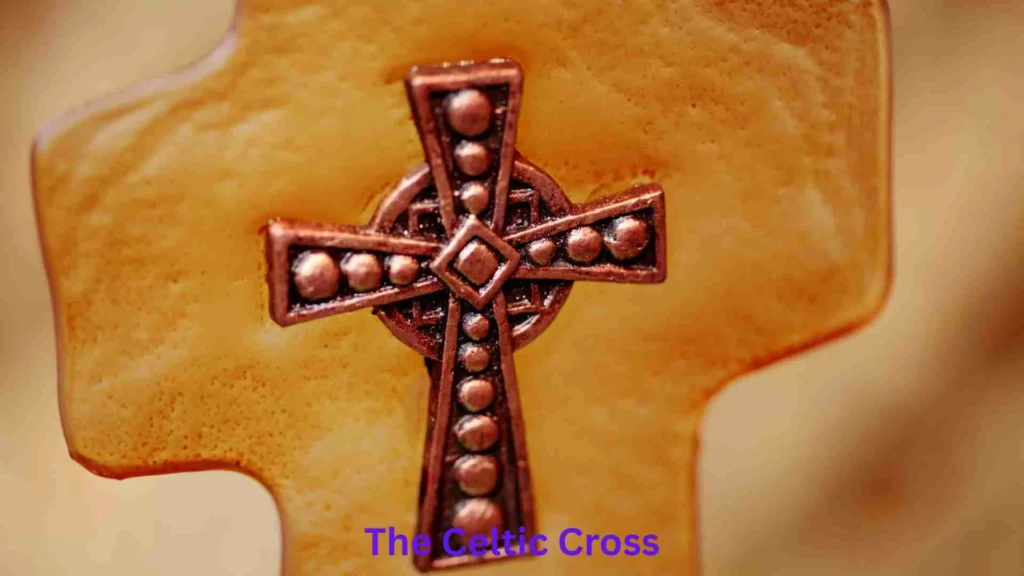
The Celtic cross is one of the most artistic and historical cross symbols.
Unique Design
It includes:
- A traditional cross
- A circle around the center
Origin
The Celtic cross developed in Ireland and Britain during the early Middle Ages.
Symbolic Meaning
It represents:
- Christianity
- Eternity
- Unity between heaven and earth
- Spiritual protection
Famous Celtic Crosses
Large stone Celtic crosses still stand in Ireland today.
The Ankh Cross
The Ankh is an ancient Egyptian cross symbol.
Appearance
It looks like a cross with a loop at the top.
Meaning
The Ankh symbolizes:
- Life
- Immortality
- Rebirth
Egyptian Beliefs
Ancient Egyptians believed the Ankh represented eternal life after death.
Modern Popularity
The Ankh remains popular in:
- Jewelry
- Tattoos
- Fashion
- Spiritual movements
The Maltese Cross
The Maltese cross has four V-shaped arms.
Historical Connection
It became associated with the Knights of Malta during the Crusades.
Symbolic Meaning
The eight points often represent virtues such as:
- Loyalty
- Courage
- Compassion
- Honor
Modern Uses
Today, the Maltese cross is used by:
- Fire departments
- Emergency services
- Military organizations
The Orthodox Cross
The Orthodox cross is common in Eastern Orthodox Christianity.
Unique Features
It includes:
- One main horizontal bar
- A smaller top bar
- A slanted lower bar
Symbolic Meaning
The bars represent different aspects of the crucifixion of Jesus.
Religious Importance
It is widely used in:
- Russia
- Greece
- Serbia
- Eastern European churches
The Jerusalem Cross
The Jerusalem cross contains one large cross surrounded by four smaller crosses.
Historical Origin
It became associated with the Crusader Kingdom of Jerusalem.
Symbolism
The cross represents:
- Christianity spreading to the four corners of the world
- The four Gospels
- Missionary work
Modern Significance
The Jerusalem cross remains important in Christian pilgrimage traditions.
The St. Andrew’s Cross
The St. Andrew’s Cross forms an X shape.
Story Behind the Symbol
According to tradition, Saint Andrew was crucified on an X-shaped cross.
Uses Today
This cross appears in:
- National flags
- Road warning signs
- Religious imagery
Symbolic Meaning
It represents humility and sacrifice.
Cross Symbols in Ancient Cultures
Crosses existed in many non-Christian civilizations.
Native American Cross Symbols
Some Native American tribes used cross shapes to represent:
- The four directions
- Nature
- Spiritual balance
Hindu and Buddhist Traditions
Cross-like designs appeared in mandalas and sacred diagrams.
Norse Symbols
Northern European cultures sometimes used cross patterns linked to cosmic order.
Cross Symbols in National Flags
Many countries use cross symbols in their flags.
Examples of Countries With Cross Flags
- Switzerland
- Sweden
- Norway
- Finland
- Denmark
- Iceland
Why Crosses Appear on Flags
Crosses may symbolize:
- Christian heritage
- National unity
- Historical traditions
Scandinavian Cross
The off-center Nordic cross became a major symbol in Scandinavian countries.
Cross Symbols in Medicine and Humanitarian Work
Cross symbols also represent healthcare and emergency aid.
The Red Cross
The Red Cross organization uses a red cross symbol on a white background.
Meaning
It symbolizes:
- Medical assistance
- Humanitarian aid
- Neutrality
- Protection during war
Global Importance
The Red Cross helps millions during:
- Natural disasters
- Wars
- Health emergencies
Cross Symbols in Art and Architecture
Cross symbols have inspired artists and architects for centuries.
Church Architecture
Many churches are designed in cross-shaped layouts.
Paintings and Sculptures
Artists often use crosses to express:
- Faith
- Emotion
- Sacrifice
- Spirituality
Modern Art
Contemporary artists continue exploring cross symbolism in creative ways.
Cross Symbols in Jewelry and Fashion
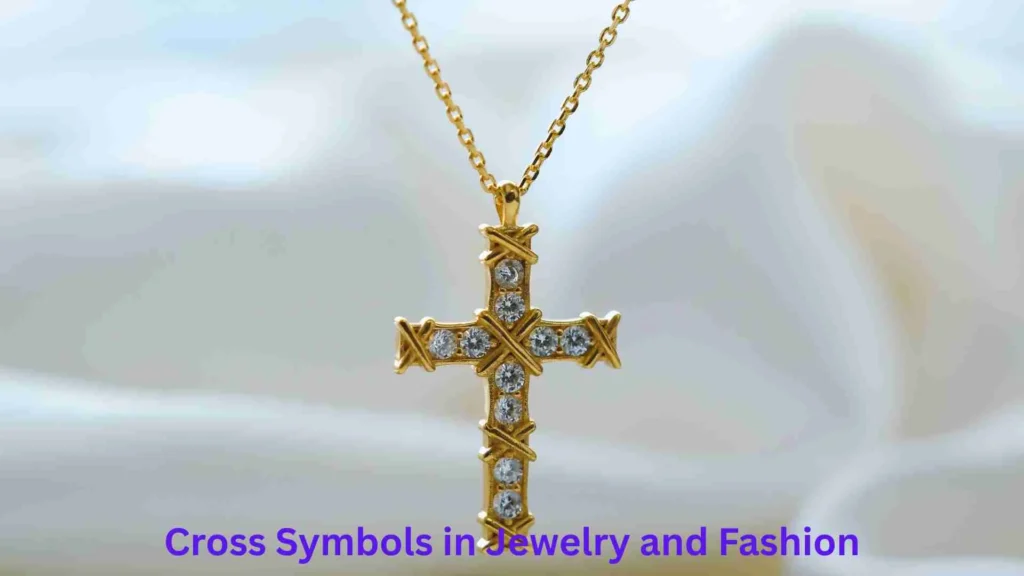
Cross jewelry is popular worldwide.
Why People Wear Crosses
People wear crosses for:
- Religious faith
- Protection
- Fashion
- Personal meaning
Types of Cross Jewelry
- Necklaces
- Rings
- Bracelets
- Earrings
Fashion Influence
Cross designs appear in both luxury fashion and streetwear.
Cross Symbols in Cemeteries and Memorials
Crosses are common in burial sites.
Symbolic Meaning
They often represent:
- Eternal life
- Remembrance
- Hope after death
Military Memorials
Crosses are used to honor soldiers and victims of war.
Practical Applications of Cross Symbols
Cross symbols are used in many everyday situations.
Navigation and Maps
Cross symbols may mark:
- Churches
- Hospitals
- Important locations
Mathematics
The plus sign (+) resembles a cross and represents addition.
Healthcare
Medical centers often use cross logos.
Digital Communication
Cross icons appear in:
- Computer software
- Mobile apps
- Online interfaces
Impact of Cross Symbols on Society
Cross symbols have deeply influenced civilization.
Religious Influence
They shaped worship, traditions, and spiritual practices worldwide.
Cultural Identity
Crosses help preserve cultural and national heritage.
Humanitarian Impact
Organizations using cross symbols save lives globally.
Artistic Inspiration
Cross imagery influenced architecture, painting, music, and literature.
Legends and Stories About Cross Symbols
Many legends surround cross symbols.
The True Cross Legend
Christian tradition tells of the discovery of the “True Cross” by Saint Helena.
Celtic Legends
Some stories claim Saint Patrick combined the Christian cross with ancient sun symbols to create the Celtic cross.
Medieval Crusader Stories
Crosses became powerful symbols during medieval religious wars.
Interesting Facts About Cross Symbols
Here are some fascinating facts:
- The cross existed before Christianity.
- The Red Cross symbol is legally protected internationally.
- Some crosses contain hidden symbolic meanings in their design.
- The Celtic cross circle may represent the sun or eternity.
- Switzerland’s flag inspired the Red Cross symbol.
- Cross symbols appear in astronomy, mathematics, and medicine.
Common Misunderstandings About Cross Symbols
Cross symbols are sometimes misunderstood.
Not All Crosses Are Religious
Some crosses represent:
- Medicine
- Mathematics
- Navigation
- Cultural traditions
Different Meanings in Different Cultures
A cross may symbolize life in one culture and sacrifice in another.
Importance of Context
Understanding history helps explain why symbols change meaning over time.
The Future of Cross Symbols
Cross symbols continue evolving in modern society.
Digital Design
Cross icons are widely used in technology and interface design.
Modern Spirituality
People reinterpret ancient cross symbols in new ways.
Continued Cultural Importance
Crosses remain powerful symbols in:
- Religion
- Healthcare
- Fashion
- Humanitarian work
Frequently Asked Questions About Cross Symbols
1. What is the most common cross symbol?
The Latin cross is the most common and widely recognized cross symbol, especially in Christianity.
2. What does the Celtic cross represent?
The Celtic cross symbolizes faith, eternity, spiritual unity, and protection.
3. Is the cross older than Christianity?
Yes, cross-like symbols existed in many ancient civilizations before Christianity developed.
4. Why is the Red Cross symbol important?
The Red Cross symbol represents medical aid, humanitarian protection, and emergency assistance worldwide.
5. What does the Ankh cross symbolize?
The Ankh symbolizes life, immortality, and rebirth in ancient Egyptian culture.
Conclusion
Cross symbols are among the most meaningful and influential symbols in human history. From ancient civilizations to modern society, they have represented faith, life, balance, protection, sacrifice, and hope. Different cross designs such as the Latin cross, Celtic cross, Ankh, and Maltese cross each carry unique stories and cultural significance.
These symbols continue shaping religion, art, architecture, healthcare, fashion, and humanitarian efforts around the world. Their enduring presence shows how simple shapes can carry deep emotional, spiritual, and historical meaning across generations.
By learning about cross symbols, people gain a greater understanding of world cultures, traditions, beliefs, and the shared human search for meaning and connection.

Elliot Kensington
Elliot Kensington is a storyteller at heart, always fascinated by the hidden corners of human imagination. From a young age, he found comfort in books and the worlds they created, inspiring him to craft tales that blend emotion, suspense, and wonder. His writing journey began with short stories that captured fleeting moments of life, and over time, evolved into novels that explore both the extraordinary and the everyday. Elliot believes that every story holds a piece of the soul, and his mission is to connect readers to those moments that linger long after the last page. When he’s not writing, he enjoys exploring nature, capturing moments through photography, and seeking inspiration in the little things.
Books by Elliot Kensington:
-
Shadows of Tomorrow
-
The Whispering Path