
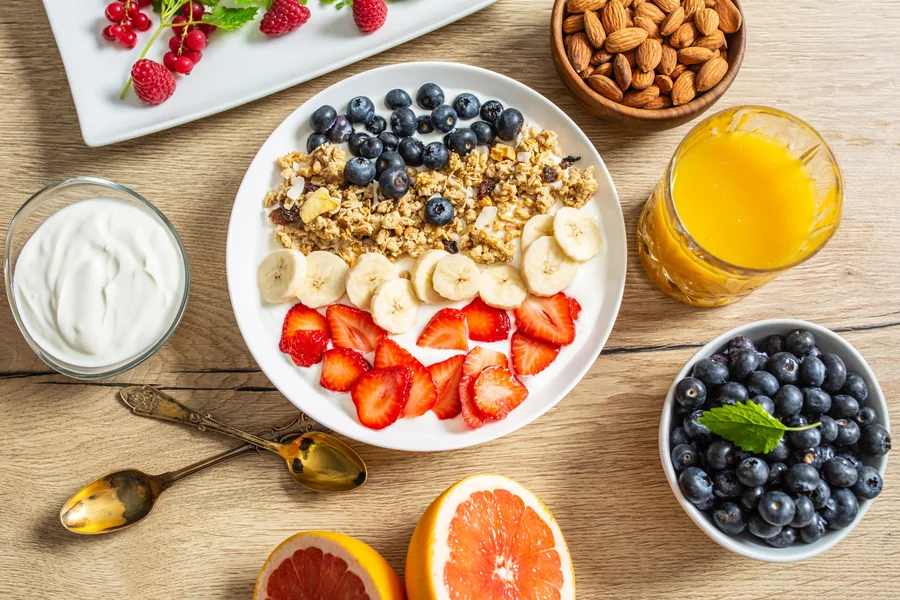
Eating well does not have to mean following a strict diet, counting every calorie, or giving up your favorite foods. Simple tips for eating healthy can help you make better food choices while enjoying meals that fit your lifestyle, budget, and preferences. Small changes, such as adding vegetables to lunch, choosing whole grains more often, and drinking water throughout the day, can gradually improve your eating habits. The key is to focus on consistency instead of perfection and build a routine that feels realistic for everyday life.
A healthy diet provides a variety of nutrients that support energy, digestion, and overall well-being. You can begin with familiar foods, straightforward recipes, and manageable goals rather than changing everything at once. By paying attention to variety, portion sizes, and your body’s hunger signals, you can create a balanced approach to eating that is easier to maintain over time.
Choose a Variety of Nutritious Foods
One of the easiest ways to improve your diet is to include different food groups throughout the day. Fruits, vegetables, whole grains, protein-rich foods, and healthy fats each provide nutrients that help your body function properly. Try adding leafy greens to lunch, choosing seasonal fruit for a snack, or including beans and lentils in your regular meals. Different colors of fruits and vegetables can also help you enjoy a wider range of vitamins and minerals. You do not need to purchase expensive health foods to eat well; everyday ingredients can be nutritious and satisfying. Focus on variety across your meals rather than expecting every plate to be perfect. Over time, these small adjustments can make balanced eating feel natural.
Make Balanced Meals at Home
Preparing meals at home gives you more control over ingredients, cooking methods, and portion sizes. You can start with simple combinations, such as rice with vegetables and fish, whole-wheat flatbread with lentils, or eggs with whole-grain toast. Aim to include a protein source, vegetables or fruit, and a suitable carbohydrate in your meals, adjusting the amounts to your appetite and nutritional needs. Cooking does not have to be complicated, either. One-pot dishes, soups, vegetable stir-fries, and simple baked meals can save time while providing variety. Preparing a few ingredients in advance can make busy evenings easier. Homemade meals also allow you to adjust seasoning and cooking oils to your preferences, helping you develop a practical routine that supports healthier choices without sacrificing enjoyment.
Choose Better Snacks and Manage Portions
Snacks can fit comfortably into a healthy eating pattern, especially when you are hungry between meals or need something convenient during a busy day. Fruit, plain yogurt, unsalted nuts, boiled eggs, and sliced vegetables are useful options because they provide nutrients alongside satisfying flavors and textures. Try keeping suitable snacks available so you are less likely to depend entirely on highly processed options when hunger strikes. Portion awareness can also help you respond to your body’s needs without following rigid food rules. Eat slowly, notice when you feel satisfied, and avoid treating foods as strictly forbidden. Favorite treats can still be enjoyed in moderation. A flexible approach is generally easier to maintain than an all-or-nothing plan and can support a more positive relationship with food.
Drink Water and Build Consistent Habits
Staying hydrated is an important part of looking after your health. Water supports digestion, temperature regulation, and other essential body functions. Keep a reusable water bottle nearby, drink with meals, and increase your fluid intake when hot weather or physical activity makes you thirstier. Individual needs vary, so pay attention to thirst and any guidance from your healthcare professional. You can also make healthy eating easier by planning meals before grocery shopping, keeping nutritious staples in your kitchen, and preparing ingredients ahead of time. Start with one habit at a time, such as eating fruit daily or including vegetables at dinner. Repeating manageable actions is often more effective than making several dramatic changes that are difficult to sustain.
Final Thought
Eating healthier is about building habits that support your life, not following a perfect menu every day. Choose a variety of foods, prepare balanced meals when possible, drink water regularly, and keep convenient nutritious snacks available. Small changes can make a meaningful difference when you repeat them consistently. Be patient with yourself and adjust your routine as your schedule, preferences, and needs change. If one meal does not go as planned, simply return to your usual habits at the next opportunity. For people with medical conditions or specific dietary requirements, personalized advice from a qualified healthcare professional or registered dietitian can be helpful. By focusing on balance, flexibility, and enjoyment, you can make healthy eating a lasting part of your everyday routine.
FAQs
1. What are the simplest ways to start eating healthy?
Start by adding more fruits and vegetables, choosing whole grains more often, drinking water regularly, and including a source of protein in your main meals.
2. Do I need to stop eating my favorite foods?
No, a balanced diet can include favorite treats in moderation. The overall pattern of your food choices matters more than any single meal.
3. What are some easy healthy snacks?
Fruit, plain yogurt, unsalted nuts, boiled eggs, and fresh vegetables are convenient snack choices that provide useful nutrients.
4. Is eating healthy expensive?
Not necessarily. Seasonal produce, oats, rice, beans, lentils, and eggs can be affordable ingredients for nutritious meals.
5. How long does it take to develop healthy eating habits?
It varies from person to person. Start with realistic changes, repeat them regularly, and gradually add new habits as your routine becomes more comfortable.
