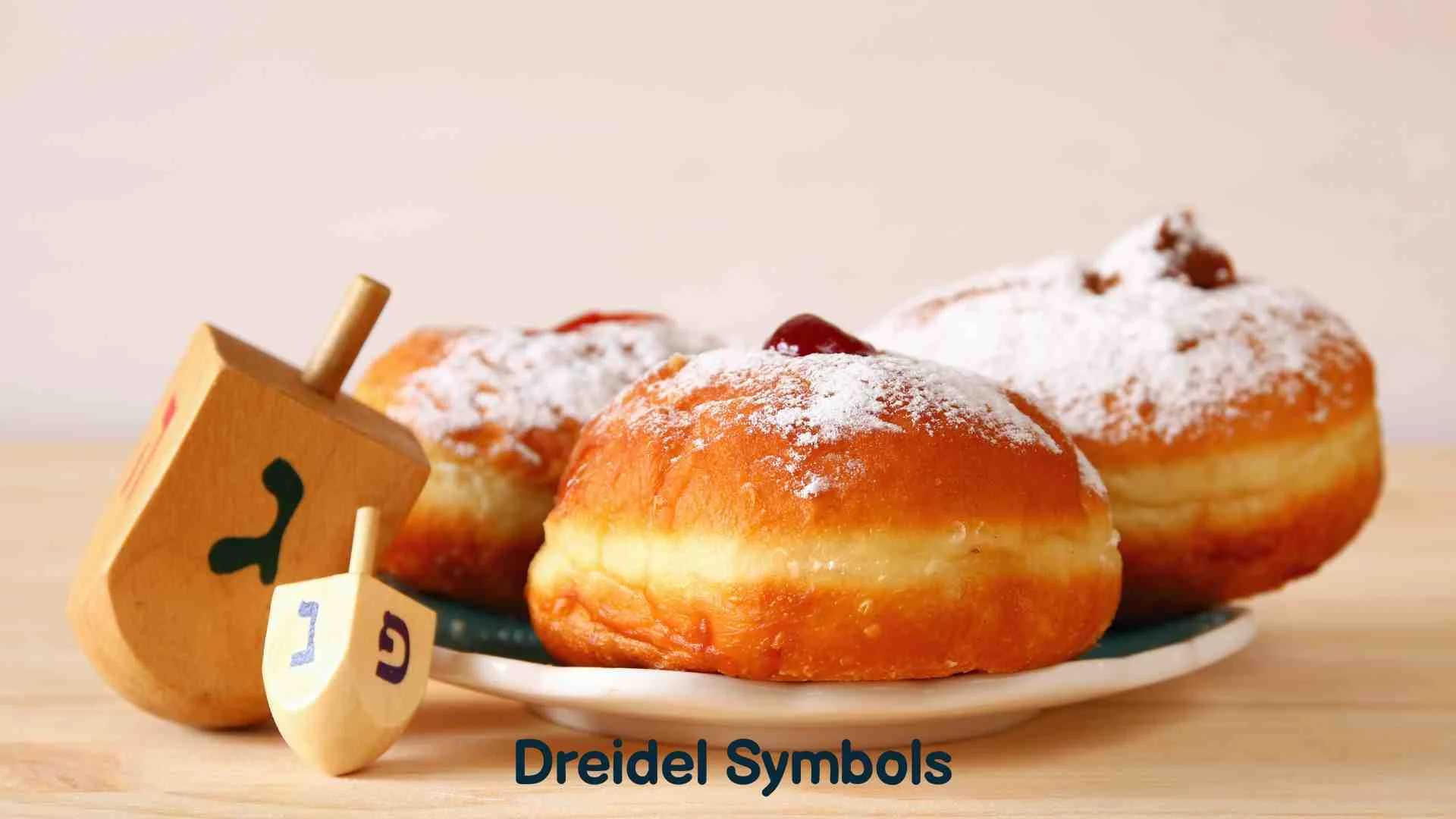
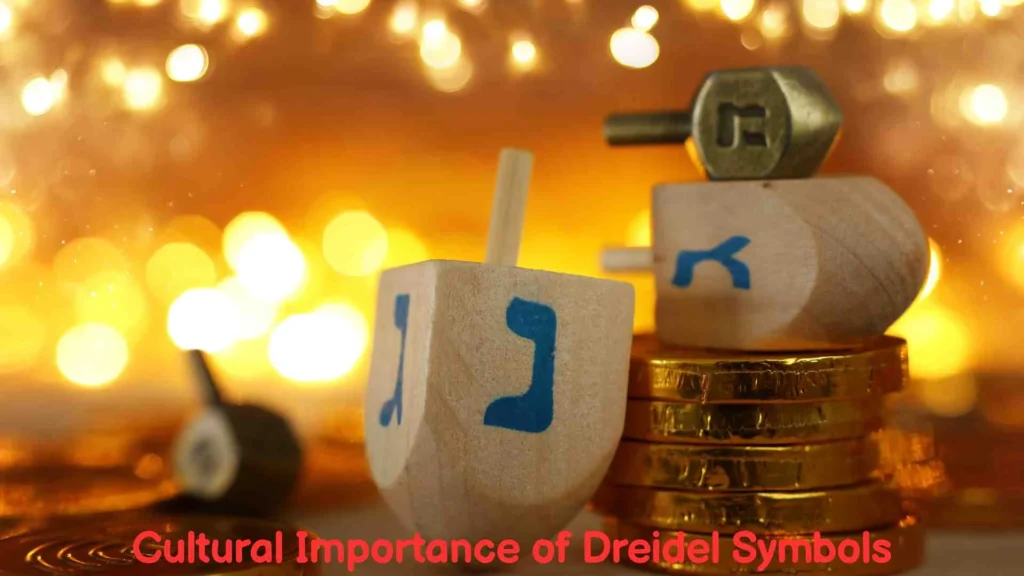
Dreidel symbols are the four Hebrew letters found on a traditional dreidel, a spinning top used during the Jewish festival of Hanukkah.
In short, these symbols represent a famous phrase connected to the Hanukkah miracle and help guide the rules of the beloved dreidel game. The letters carry deep religious, historical, and cultural meaning, making the dreidel much more than a simple toy.
For generations, families have gathered during Hanukkah to spin dreidels, share stories, and celebrate Jewish heritage.
Understanding the meanings behind the dreidel symbols offers valuable insight into the history of Hanukkah, the resilience of the Jewish people, and the traditions that continue to unite communities around the world.
What Are Dreidel Symbols?
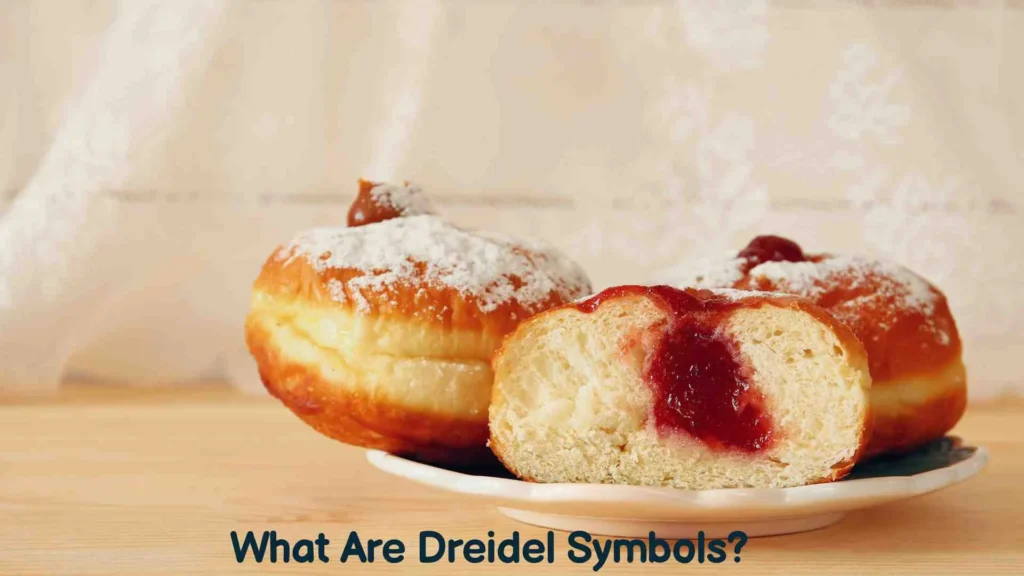
A dreidel is a four-sided spinning top traditionally used during Hanukkah celebrations. Each side contains a Hebrew letter known as a dreidel symbol.
The four symbols are:
- Nun (נ)
- Gimel (ג)
- Hei (ה)
- Shin (ש)
Together, these letters form an acronym representing a famous Hebrew phrase associated with the Hanukkah miracle.
The phrase is:
“Nes Gadol Haya Sham”
This translates to:
“A Great Miracle Happened There.”
The phrase refers to the miracle of the oil in the ancient Temple in Jerusalem, one of the central stories of Hanukkah.
The History of the Dreidel
Origins of the Dreidel
The exact origins of the dreidel remain debated among historians. Some scholars believe the spinning top evolved from similar European gambling games that existed centuries ago.
Over time, Jewish communities adapted the game and connected it to Hanukkah traditions.
The Hanukkah Connection
The dreidel became closely associated with Hanukkah because it provided a fun and meaningful way to remember the holiday’s history.
Today, the dreidel is one of the most recognizable symbols of Hanukkah celebrations worldwide.
A Popular Legend
According to a well-known Jewish tradition, Jewish children secretly studied the Torah during periods of religious persecution.
If soldiers approached, the children would hide their sacred texts and pretend to play with spinning tops.
Although historians debate the accuracy of this story, it remains a cherished part of Hanukkah folklore.
Understanding the Four Dreidel Symbols
Each dreidel symbol has both a practical role in the game and a deeper cultural meaning.
Nun (נ)
Meaning of Nun
Nun stands for the Hebrew word:
“Nes”
Meaning:
“Miracle”
Game Function
When a player spins Nun:
- Nothing happens.
The player neither wins nor loses tokens.
Symbolic Significance
Nun reminds players of the miraculous events celebrated during Hanukkah.
Practical Example
If a player lands on Nun, the game simply continues with the next turn.
Gimel (ג)
Meaning of Gimel
Gimel stands for:
“Gadol”
Meaning:
“Great”
Game Function
Landing on Gimel is often the most exciting outcome.
The player:
- Takes the entire pot.
Symbolic Significance
Gimel highlights the greatness of the Hanukkah miracle and the blessings associated with faith and perseverance.
Example
If twenty chocolate coins are in the pot and a player lands on Gimel, they collect all twenty coins.
Hei (ה)
Meaning of Hei
Hei stands for:
“Haya”
Meaning:
“Happened”
Game Function
When Hei appears:
- The player takes half of the pot.
Symbolic Meaning
Hei reminds participants that miraculous events occurred in Jewish history and continue to be remembered today.
Example
If the pot contains ten tokens, the player receives five.
Shin (ש)
Meaning of Shin
Shin stands for:
“Sham”
Meaning:
“There”
Game Function
Landing on Shin requires the player to:
- Add one token to the pot.
Symbolic Importance
Shin refers to the miracle that happened in the Land of Israel.
Example
A player contributes one game piece and the turn moves to the next participant.
Why Do Dreidel Symbols Form a Phrase?
The four letters work together to create a meaningful acronym.
The Complete Phrase
Nes Gadol Haya Sham
Meaning:
“A Great Miracle Happened There.”
What Miracle?
The phrase refers to the miracle of the oil during the rededication of the Holy Temple in Jerusalem.
According to Jewish tradition:
- The Temple lamp contained enough oil for only one day.
- Miraculously, the oil burned for eight days.
- This provided time to prepare new consecrated oil.
This event became the foundation of Hanukkah celebrations.
The Israeli Dreidel Variation
Different Fourth Letter
In Israel, many dreidels use a different final letter.
Instead of Shin (ש), they feature:
Pei (פ)
Why the Change?
The phrase becomes:
“Nes Gadol Haya Po”
Meaning:
“A Great Miracle Happened Here.”
Cultural Significance
Since the Hanukkah miracle took place in the Land of Israel, Israeli dreidels often reflect that location by using “here” instead of “there.”
The Hanukkah Story Behind the Dreidel Symbols
Historical Background
The Hanukkah story dates back more than 2,000 years.
The Jewish people were living under the rule of the Seleucid Empire.
Religious Oppression
Jewish religious practices were restricted, and many sacred traditions were threatened.
The Maccabean Revolt
A group known as the Maccabees led a successful rebellion.
Their victory allowed them to reclaim and rededicate the Temple in Jerusalem.
The Miracle of the Oil
When the Temple was purified, only a small amount of sacred oil remained.
Although sufficient for one day, the oil lasted eight days.
This miraculous event became the central theme of Hanukkah.
The dreidel symbols help preserve memory of this story.
How the Dreidel Game Works
Basic Setup
Players begin with equal numbers of:
- Chocolate coins
- Candies
- Nuts
- Small tokens
Creating the Pot
Each participant contributes one token to the center.
Taking Turns
Players spin the dreidel one at a time.
The symbol facing upward determines the action.
Symbol Actions
Nun (נ)
- Do nothing.
Gimel (ג)
- Take everything in the pot.
Hei (ה)
- Take half the pot.
Shin (ש)
- Add one token.
Winning the Game
The winner is usually the player who collects the most tokens.
Cultural Importance of Dreidel Symbols
Preserving Jewish Heritage
Dreidel symbols help teach younger generations about Jewish history and traditions.
Encouraging Family Participation
The dreidel game brings families together during Hanukkah celebrations.
Teaching Religious History
The symbols provide a simple introduction to the Hanukkah story.
Strengthening Cultural Identity
The dreidel serves as a visible reminder of Jewish faith and resilience.
Symbolism Beyond the Game
Faith and Hope
The dreidel symbols remind people that faith can endure difficult times.
Perseverance
The Hanukkah story demonstrates resilience in the face of adversity.
Community
Playing dreidel encourages social connection and shared traditions.
Gratitude
The symbols inspire reflection on blessings and historical miracles.
Modern Uses of Dreidel Symbols
Today, dreidel symbols appear in many settings beyond the traditional game.
Holiday Decorations
The symbols are commonly displayed on:
- Hanukkah banners
- Greeting cards
- Ornaments
- Window decorations
Educational Materials
Schools and community centers use dreidel symbols to teach Jewish history.
Jewelry
Many people wear dreidel-inspired:
- Necklaces
- Bracelets
- Charms
Artwork
Artists frequently incorporate the symbols into modern and traditional Jewish art.
Practical Applications of Learning Dreidel Symbols
Cultural Education
Understanding dreidel symbols promotes awareness of Jewish traditions.
Family Activities
Learning the meanings enhances Hanukkah celebrations.
Interfaith Understanding
People from diverse backgrounds gain insight into Jewish culture.
Classroom Learning
Teachers use dreidels to explain history, language, and cultural practices.
Benefits of Dreidel Symbols for Society
Preserving Historical Knowledge
The symbols help keep ancient traditions alive.
Encouraging Cultural Respect
Learning about different traditions fosters understanding.
Supporting Community Bonds
Shared celebrations strengthen social connections.
Promoting Educational Engagement
The game makes learning history enjoyable and interactive.
Inspiring Future Generations
Children develop appreciation for their cultural heritage.
Interesting Facts About Dreidel Symbols
- The word “dreidel” comes from a Yiddish word meaning “to spin.”
- Dreidels can be made from wood, plastic, metal, glass, or clay.
- Chocolate coins used during dreidel games are called gelt.
- Some antique dreidels are valuable collector’s items.
- The four dreidel symbols form one of Judaism’s most recognized holiday acronyms.
- Hanukkah lasts eight nights in remembrance of the oil miracle.
- Modern artists often create creative and colorful versions of traditional dreidels.
Dreidel Symbols in Popular Culture
Holiday Media
Dreidels frequently appear in:
- Children’s books
- Holiday television programs
- Educational videos
- Hanukkah songs
Community Celebrations
Many public Hanukkah events feature:
- Dreidel competitions
- Cultural exhibits
- Educational workshops
Digital Learning
Interactive online games now help children learn the meanings of dreidel symbols.
Frequently Asked Questions (FAQs)
1. What do the four dreidel symbols mean?
The symbols are Nun, Gimel, Hei, and Shin. Together they stand for the Hebrew phrase “Nes Gadol Haya Sham,” meaning “A Great Miracle Happened There.”
2. Why does the dreidel have Hebrew letters?
The letters represent the Hanukkah miracle and guide the rules of the dreidel game.
3. What is different about Israeli dreidels?
Many Israeli dreidels use the letter Pei instead of Shin, creating the phrase “A Great Miracle Happened Here.”
4. What does Gimel mean in the game?
Gimel allows the player to take the entire pot, making it the most rewarding spin.
5. Why are dreidel symbols important?
They preserve Jewish history, teach the Hanukkah story, strengthen cultural identity, and encourage family participation during the holiday.
Conclusion
Dreidel symbols are much more than letters on a spinning top. They serve as meaningful reminders of the Hanukkah miracle, Jewish history, and the enduring power of faith and perseverance. The four Hebrew letters Nun, Gimel, Hei, and Shin work together to tell the story of a great miracle while also guiding one of the most beloved Hanukkah traditions.
Through games, education, art, and family celebrations, dreidel symbols continue to connect generations and preserve an important cultural legacy. Their simple appearance hides a rich history filled with courage, hope, and community spirit. By understanding the meanings behind these symbols, people gain a deeper appreciation for Hanukkah and the traditions that have kept its message alive for centuries.
