
California state symbols represent the history, culture, natural beauty, and unique identity of California. In short, these official symbols include the state flag, animal, flower, bird, tree, motto, and many other emblems that reflect what makes California special.
Each symbol tells a story about the state’s heritage, geography, wildlife, and achievements.
Known as the Golden State, California is home to diverse landscapes, innovative industries, rich cultural traditions, and remarkable natural wonders. The official state symbols help preserve this identity while educating residents and visitors about California’s past and present.
What Are California State Symbols?
California state symbols are officially designated emblems adopted by the state government to represent important aspects of California’s history, environment, culture, and values.
These symbols serve several purposes:
- Promote state pride
- Preserve historical heritage
- Educate students
- Protect natural resources
- Celebrate California’s uniqueness
Over the years, California has adopted dozens of official symbols, ranging from animals and plants to songs and gemstones.
Why State Symbols Matter
State symbols are more than just official designations.
They help:
- Teach history and geography
- Encourage environmental awareness
- Strengthen community identity
- Promote tourism
- Preserve cultural traditions
For students, state symbols provide an engaging way to learn about their state’s natural and historical significance.
The California State Flag
The Bear Flag
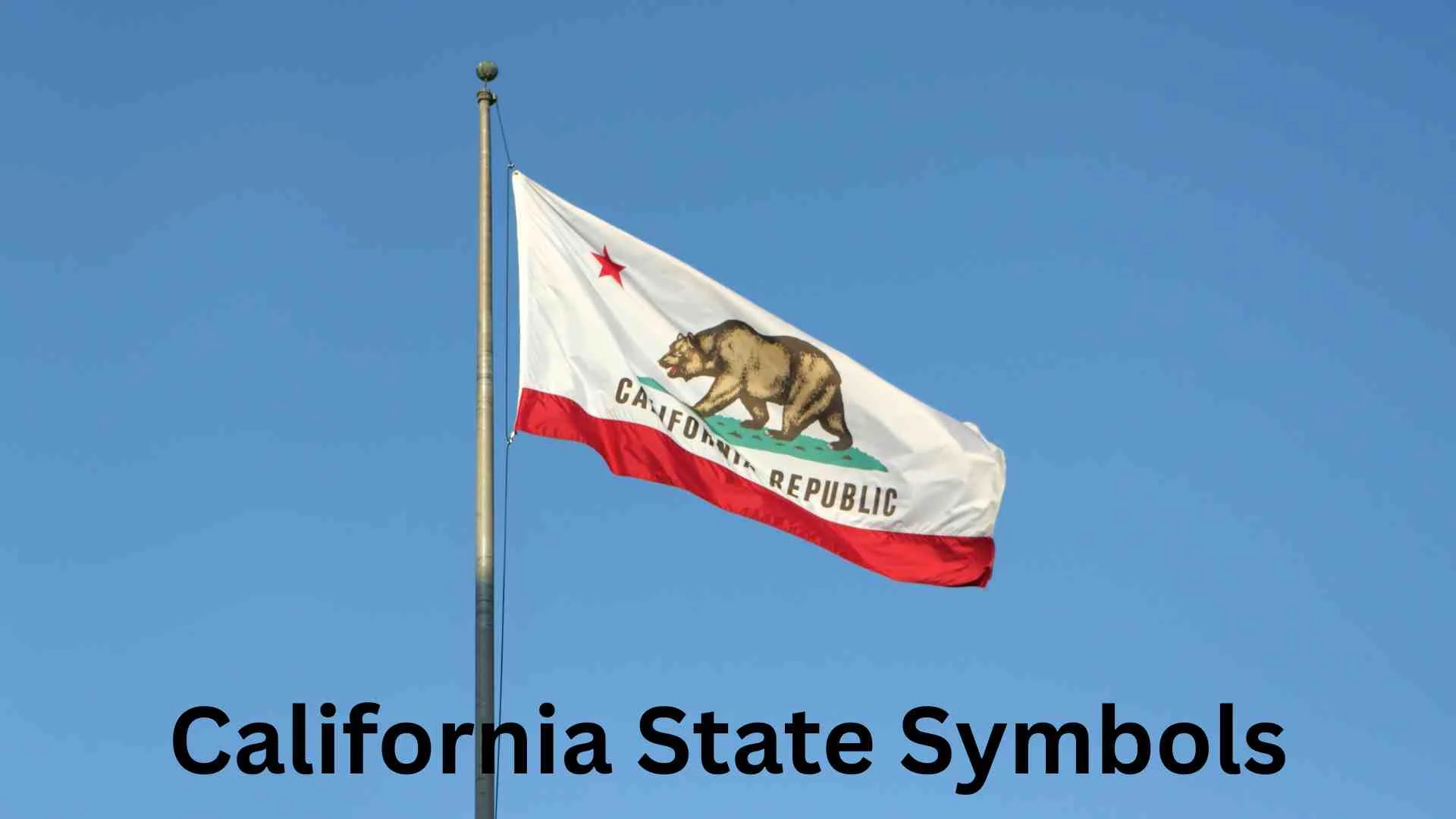
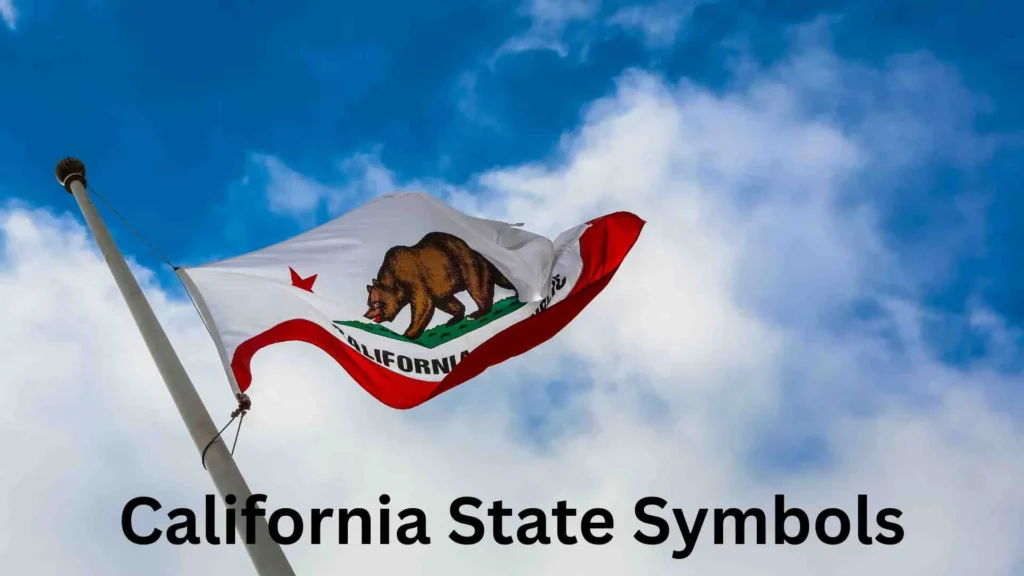
One of the most recognizable California state symbols is the state flag.
The flag features:
- A grizzly bear
- A red star
- A red stripe
- A white background
Historical Background
The flag originated during the Bear Flag Revolt of 1846, when settlers declared California independent from Mexico for a brief period.
Meaning
The elements symbolize:
- Strength
- Independence
- Courage
- Determination
Today, the Bear Flag is proudly displayed throughout California.
The California Grizzly Bear
Official State Animal
The California grizzly bear became the official state animal in 1953.
Why It Was Chosen
The grizzly once roamed much of California and became a symbol of strength and resilience.
Interesting Fact
Although the grizzly bear appears on the state flag, it is now extinct in California due to habitat loss and hunting.
Symbolic Meaning
The bear represents:
- Power
- Independence
- Courage
- Endurance
California Poppy
Official State Flower
The California poppy became the official state flower in 1903.
Appearance
The flower is famous for its:
- Bright orange petals
- Delicate shape
- Seasonal blooms
Why It Matters
Each spring, vast fields of California poppies create stunning displays across the state.
Symbolism
The poppy represents:
- Beauty
- Hope
- Natural heritage
Practical Importance
The flower attracts pollinators and contributes to healthy ecosystems.
California Valley Quail

Official State Bird
The California valley quail was designated as the state bird in 1931.
Distinctive Features
It is known for:
- Rounded body
- Curved head plume
- Social behavior
Habitat
The bird thrives in:
- Grasslands
- Woodlands
- Agricultural areas
Symbolic Meaning
The quail represents:
- Community
- Adaptability
- Family connections
Coast Redwood
Official State Tree
The coast redwood became California’s official state tree in 1937.
Remarkable Characteristics
Redwoods are among the tallest trees on Earth.
Some exceed:
- 300 feet in height
- 2,000 years in age
Why It Was Chosen
The tree symbolizes:
- Strength
- Longevity
- Environmental stewardship
Historical Importance
Ancient redwood forests have become iconic landmarks and major tourist attractions.
California’s State Motto
Eureka
California’s official motto is:
“Eureka”
Meaning
The Greek word means:
“I have found it.”
Historical Connection
The motto reflects the excitement of the Gold Rush era when prospectors believed they had discovered wealth and opportunity.
Modern Relevance
Eureka continues to symbolize innovation and discovery.
The State Seal
Official Emblem
The Great Seal of California contains numerous symbolic elements.
Features
The seal includes:
- Goddess Minerva
- Grizzly bear
- Sailing ships
- Mountains
- Wheat
- Mining equipment
Meaning
Together, these images represent:
- Wisdom
- Prosperity
- Agriculture
- Industry
- Natural resources
California Gold

Official State Mineral
Gold became California’s official state mineral because of its profound impact on state history.
Gold Rush Legacy
The discovery of gold in 1848 transformed California dramatically.
Effects
The Gold Rush led to:
- Population growth
- Economic development
- Statehood
Symbolism
Gold represents:
- Opportunity
- Prosperity
- Ambition
The Saber-Toothed Cat
Official State Fossil
The saber-toothed cat became California’s state fossil in 1973.
Historical Significance
Fossils have been discovered in the famous La Brea Tar Pits.
Why It Matters
The fossil highlights California’s prehistoric past and scientific importance.
California Gray Whale
Official State Marine Mammal
The gray whale became the state marine mammal in 1975.
Migration
Gray whales undertake one of the longest migrations in the animal kingdom.
Symbolism
They represent:
- Endurance
- Exploration
- Natural wonder
Tourism Impact
Whale watching contributes significantly to California’s tourism industry.
Desert Tortoise
Official State Reptile
The desert tortoise was designated California’s official reptile in 1972.
Habitat
Found primarily in:
- Mojave Desert
- Sonoran Desert
Meaning
The tortoise symbolizes:
- Patience
- Survival
- Adaptation
Conservation Importance
The designation helps raise awareness about desert habitat protection.
Golden Trout
Official State Fish
California’s official fish is the golden trout.
Unique Features
The fish is known for:
- Bright colors
- Mountain habitat
- Limited geographic range
Importance
The trout reflects California’s rich freshwater ecosystems.
California Dogface Butterfly
Official State Insect
The California dogface butterfly became the state insect in 1972.
Appearance
Its wing markings resemble a dog’s profile.
Symbolic Meaning
The butterfly represents:
- Transformation
- Beauty
- Biodiversity
State Gemstone: Benitoite
Rare and Valuable
Benitoite is California’s official gemstone.
Unique Fact
It is found almost exclusively in California.
Characteristics
The gemstone is known for:
- Brilliant blue color
- Fluorescent properties
Importance
Its rarity makes it a treasured symbol of California geology.
California State Song
“I Love You, California”
California’s official state song celebrates:
- Scenic beauty
- Natural resources
- State pride
Cultural Significance
The song has been performed at official events and celebrations for decades.
State Marine Fish: Garibaldi
Bright Orange Beauty
The Garibaldi fish is one of California’s most recognizable marine species.
Habitat
Found along the Pacific Coast.
Symbolism
Represents:
- Coastal ecosystems
- Marine biodiversity
State Rock: Serpentine
Geological Symbol
Serpentine became California’s official state rock in 1965.
Importance
It is closely associated with gold-bearing regions.
Appearance
The rock often displays green shades and distinctive textures.
State Amphibian: California Red-Legged Frog
Famous Connection
This frog inspired portions of author Mark Twain’s famous story about a jumping frog.
Importance
The species reflects California’s unique wildlife heritage.
Lesser-Known California State Symbols
California has many additional official symbols.
These include:
- State fabric (Denim)
- State dance (West Coast Swing)
- State lichen
- State grass
- State military museum
These lesser-known designations reflect California’s diversity and creativity.
Practical Applications of California State Symbols
Education
Schools use state symbols to teach:
- History
- Geography
- Science
- Civics
Tourism
State symbols attract visitors interested in:
- National parks
- Wildlife
- Historical landmarks
Conservation
Official animals and plants help raise awareness about environmental protection.
Cultural Identity
Residents use state symbols to express pride in California’s heritage.
Impact of California State Symbols on Society
Encouraging Environmental Stewardship
Many symbols highlight the importance of protecting natural habitats.
Preserving History
Symbols connect current generations to California’s past.
Supporting Tourism
Iconic symbols help promote travel and economic activity.
Building Community Pride
Shared symbols strengthen state identity.
Inspiring Future Generations
Children learn to appreciate California’s natural and cultural resources through these symbols.
Interesting Facts About California State Symbols
- The California grizzly bear is extinct within the state but remains on the flag.
- Coast redwoods are among the tallest living organisms on Earth.
- Benitoite is one of the rarest gemstones in the world.
- California adopted the poppy as its official flower in 1903.
- Gray whales migrate thousands of miles annually.
- The state motto “Eureka” reflects Gold Rush enthusiasm.
- California has more official state symbols than many other states.
Frequently Asked Questions (FAQs)
1. What is California’s official state animal?
The California grizzly bear is the official state animal.
2. Why is the California poppy the state flower?
It was chosen because of its beauty, widespread presence, and strong connection to California’s natural landscape.
3. What does California’s motto “Eureka” mean?
“Eureka” means “I have found it” and reflects the spirit of discovery associated with the Gold Rush.
4. What is California’s official state tree?
The coast redwood is the official state tree.
5. Why are state symbols important?
State symbols help preserve history, promote education, support conservation, and strengthen community identity.
Conclusion
California state symbols provide a fascinating window into the Golden State’s history, culture, wildlife, and natural beauty. From the powerful grizzly bear and towering redwood tree to the vibrant California poppy and the inspiring motto “Eureka,” each symbol tells a unique story about what makes California extraordinary.
These official emblems do more than represent the state they educate future generations, encourage environmental stewardship, celebrate cultural heritage, and inspire pride among residents. As California continues to evolve, its state symbols remain enduring reminders of the landscapes, people, and events that shaped one of the most influential states in the nation.

Elliot Kensington
Elliot Kensington is a storyteller at heart, always fascinated by the hidden corners of human imagination. From a young age, he found comfort in books and the worlds they created, inspiring him to craft tales that blend emotion, suspense, and wonder. His writing journey began with short stories that captured fleeting moments of life, and over time, evolved into novels that explore both the extraordinary and the everyday. Elliot believes that every story holds a piece of the soul, and his mission is to connect readers to those moments that linger long after the last page. When he’s not writing, he enjoys exploring nature, capturing moments through photography, and seeking inspiration in the little things.
Books by Elliot Kensington:
-
Shadows of Tomorrow
-
The Whispering Path