Art symbols are visual elements, objects, colors, shapes, animals, and images used by artists to communicate deeper meanings beyond what is immediately visible.
In simple terms, art symbols help artists tell stories, express emotions, share beliefs, and convey ideas without using words.
From ancient cave paintings to modern digital artwork, symbols have played a vital role in helping people understand and interpret art.
Whether it is a dove representing peace, a skull symbolizing mortality, or a rose expressing love, art symbols add layers of meaning that make artworks richer and more engaging. Understanding art symbols allows viewers to connect more deeply with artistic creations and appreciate the messages hidden within them.
What Are Art Symbols?
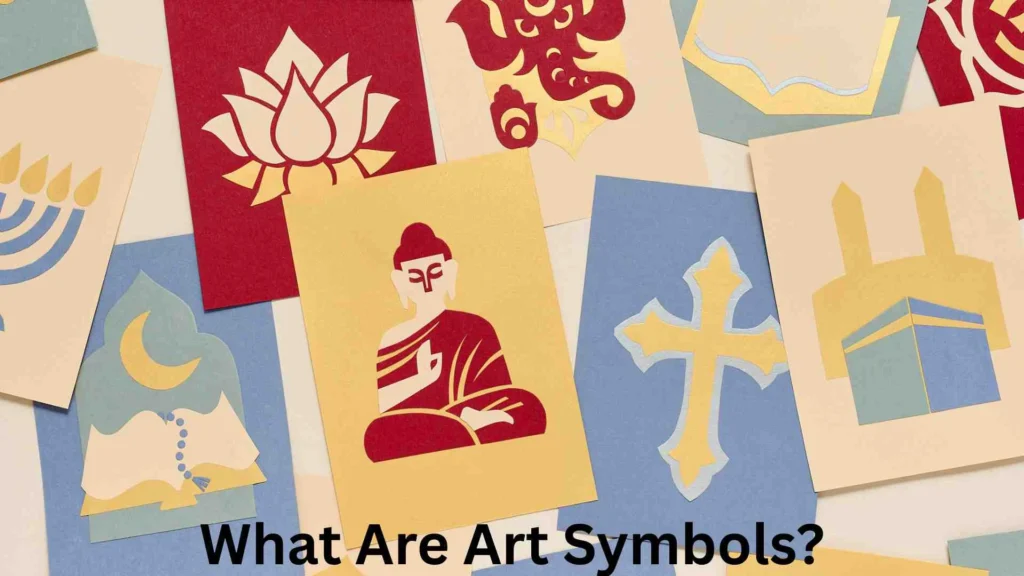
Art symbols are visual representations that stand for ideas, emotions, beliefs, or concepts. Rather than showing something directly, a symbol suggests a broader meaning.
For example:
- A heart often symbolizes love.
- A crown may symbolize power.
- A tree can represent growth.
- A butterfly may symbolize transformation.
Artists use symbols because they allow complex ideas to be communicated quickly and effectively.
Why Artists Use Symbols
Symbols help artists:
- Convey deeper meanings
- Tell stories visually
- Express cultural beliefs
- Create emotional connections
- Encourage interpretation
- Add mystery and complexity
Because symbols often have multiple meanings, they invite viewers to think more deeply about an artwork.
The History of Art Symbols
Ancient Cave Paintings
The use of symbols in art dates back tens of thousands of years.
Early humans painted:
- Animals
- Handprints
- Hunting scenes
- Geometric shapes
Many researchers believe these images carried symbolic meanings related to survival, spirituality, and community life.
Ancient Egypt
Ancient Egyptian art relied heavily on symbols.
Common examples included:
- The Ankh (life)
- Scarab beetles (rebirth)
- Eye of Horus (protection)
These symbols appeared in temples, tombs, and religious objects.
Greek and Roman Art
Classical artists used symbolic imagery to represent:
- Gods
- Virtues
- Nature
- Human emotions
Many symbols from Greek and Roman culture continue to appear in modern art.
Medieval and Renaissance Art
Religious symbolism became especially important during these periods.
Artists used symbols to communicate biblical teachings to audiences who could not read.
Modern and Contemporary Art
Today’s artists continue using symbols but often create new meanings that reflect modern experiences and social issues.
Understanding Symbolism in Art
What Is Symbolism?
Symbolism is the use of images to represent abstract ideas.
A symbol can communicate:
- Love
- Death
- Freedom
- Hope
- Wisdom
- Faith
Multiple Meanings
One symbol may have different meanings depending on:
- Culture
- Historical period
- Artistic style
- Personal interpretation
This flexibility makes symbolism one of the most fascinating aspects of art.
Common Art Symbols and Their Meanings
The Heart
The heart is among the most recognizable art symbols.
Meaning
It represents:
- Love
- Compassion
- Affection
- Emotional connection
Examples in Art
Hearts appear in:
- Paintings
- Illustrations
- Sculptures
- Street art
The Dove
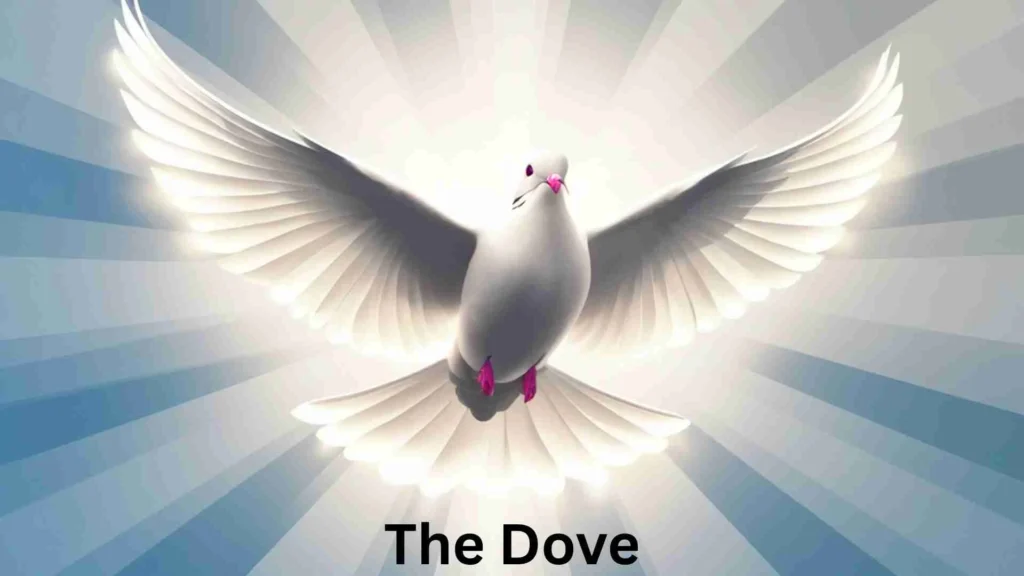
Universal Symbol of Peace
The dove is commonly associated with harmony and hope.
Meaning
It symbolizes:
- Peace
- Freedom
- Purity
- Spirituality
Historical Significance
The dove has appeared in religious and cultural art for centuries.
The Rose
Symbol of Love and Beauty
Artists frequently use roses to communicate emotional themes.
Meanings
Different roses may symbolize:
- Red = Love
- White = Purity
- Yellow = Friendship
Artistic Importance
The rose appears in paintings, literature, and decorative arts worldwide.
The Skull
Symbol of Mortality
Although sometimes viewed negatively, skulls carry important symbolic meanings.
Represents
- Death
- Impermanence
- Reflection
- Human mortality
Historical Example
Renaissance artists often included skulls in “vanitas” paintings to remind viewers that life is temporary.
The Tree
Symbol of Growth
Trees are powerful symbols found across many cultures.
Meaning
They represent:
- Life
- Family
- Strength
- Wisdom
- Growth
Why Artists Use Trees
Their roots and branches provide a visual metaphor for connection and development.
The Butterfly
Symbol of Transformation
The butterfly’s life cycle makes it a popular symbol.
Represents
- Change
- Growth
- Renewal
- Freedom
Modern Usage
Many contemporary artists use butterflies to represent personal journeys and transformation.
The Sun
Symbol of Life and Energy
The sun appears frequently in art across cultures.
Meaning
The sun symbolizes:
- Vitality
- Success
- Hope
- Enlightenment
Cultural Importance
Ancient civilizations often worshipped solar deities, making the sun a powerful artistic symbol.
The Moon
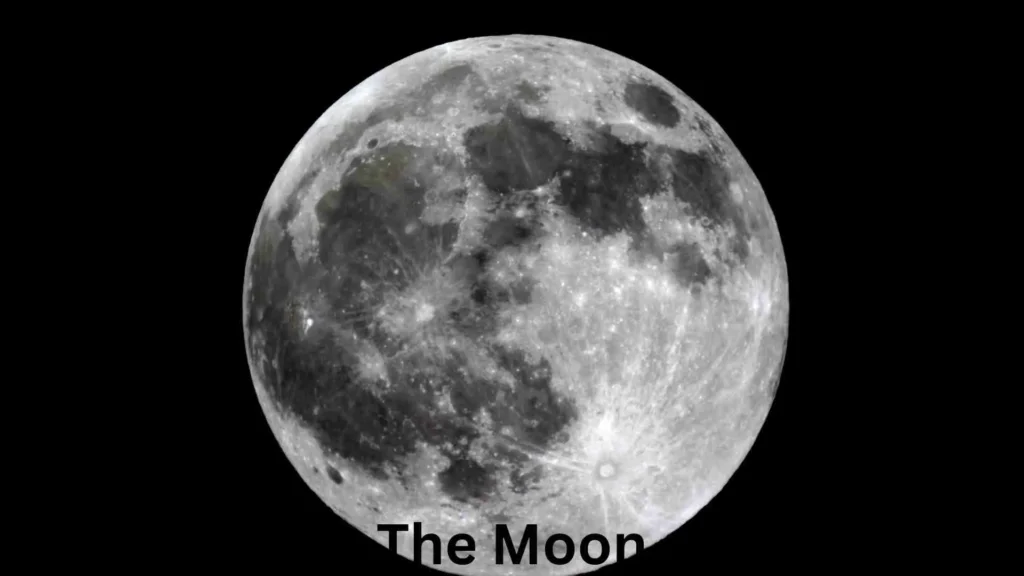
Symbol of Mystery
The moon often represents hidden emotions and inner reflection.
Meaning
- Intuition
- Femininity
- Cycles
- Imagination
Artistic Applications
The moon frequently appears in romantic, mystical, and surreal artworks.
The Crown
Symbol of Authority
Crowns have represented leadership for centuries.
Meaning
- Power
- Achievement
- Nobility
- Success
Historical Use
Kings, queens, and rulers inspired countless artworks featuring crowns.
The Eye
Symbol of Awareness
Eyes are among the oldest symbols in art.
Represents
- Knowledge
- Protection
- Perception
- Spiritual insight
Famous Example
The Eye of Horus remains one of the world’s most recognized symbols.
Animal Symbols in Art
Animals often represent human characteristics.
Lion
The lion symbolizes:
- Courage
- Leadership
- Strength
Eagle
The eagle represents:
- Freedom
- Vision
- Power
Owl
The owl symbolizes:
- Wisdom
- Learning
- Intelligence
Wolf
The wolf often represents:
- Loyalty
- Survival
- Community
Snake
Depending on context, snakes may symbolize:
- Transformation
- Healing
- Temptation
- Wisdom
Color Symbols in Art
Colors are powerful symbolic tools.
Red
Represents:
- Love
- Passion
- Energy
- Danger
Blue
Represents:
- Calmness
- Trust
- Stability
- Peace
Green
Represents:
- Nature
- Growth
- Renewal
- Balance
Yellow
Represents:
- Happiness
- Optimism
- Creativity
Black
Represents:
- Mystery
- Elegance
- Power
- Mourning
White
Represents:
- Purity
- Innocence
- Simplicity
Religious Art Symbols
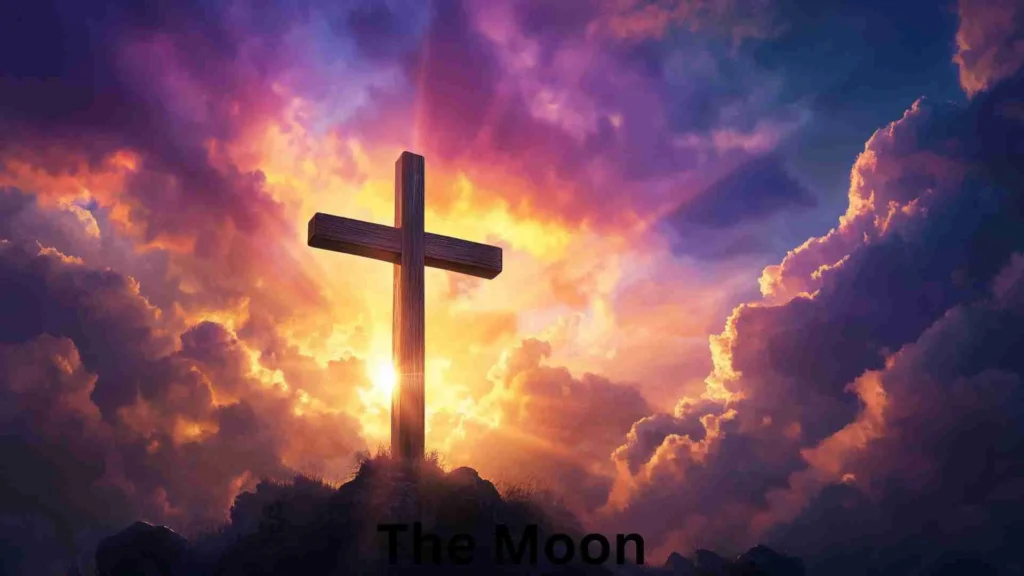
Cross
One of the most recognized religious symbols.
Represents:
- Faith
- Sacrifice
- Salvation
Lotus Flower
Important in Eastern traditions.
Represents:
- Enlightenment
- Spiritual growth
- Purity
Halo
Appears around sacred figures.
Represents:
- Holiness
- Divine presence
Nature Symbols in Art
Nature provides countless symbolic images.
Water
Symbolizes:
- Life
- Change
- Purification
Mountains
Represent:
- Stability
- Achievement
- Endurance
Fire
Represents:
- Energy
- Transformation
- Passion
Clouds
Often symbolize:
- Dreams
- Spirituality
- Mystery
Symbolism During the Renaissance
The Renaissance was one of history’s richest periods for symbolic art.
Artists used symbols to communicate:
- Religious teachings
- Moral lessons
- Political messages
Hidden Meanings
Many Renaissance paintings contain symbols that viewers continue to interpret today.
Examples include:
- Flowers
- Animals
- Fruits
- Architectural elements
These details often conveyed important messages beyond the main subject.
Symbolism in Modern Art
Personal Symbolism
Modern artists frequently create unique symbols that reflect personal experiences.
Social Commentary
Contemporary artworks may use symbols to discuss:
- Equality
- Environment
- Technology
- Human rights
Abstract Art
Even non-representational art often relies on symbolic colors, shapes, and forms.
Practical Applications of Art Symbols
Art symbols remain relevant in everyday life.
Graphic Design
Designers use symbols to communicate quickly.
Examples include:
- Logos
- Icons
- Branding
Education
Teachers use symbolic art to help students understand history and culture.
Advertising
Brands rely on symbolic imagery to create emotional connections.
Therapy
Art therapists encourage individuals to express emotions through symbolic drawings.
Museums and Galleries
Understanding symbolism helps visitors appreciate artworks more fully.
Benefits of Art Symbols for Society
Preserving Cultural Heritage
Symbols help maintain traditions and historical knowledge.
Encouraging Communication
Visual symbols can communicate across language barriers.
Supporting Creativity
Artists use symbols to explore new ideas and perspectives.
Promoting Critical Thinking
Interpreting symbols encourages deeper analysis and discussion.
Strengthening Emotional Expression
Symbols help people express feelings that may be difficult to describe with words.
Interesting Facts About Art Symbols
- Some symbols have remained in use for thousands of years.
- Ancient Egyptian art relied heavily on symbolic imagery.
- Colors can have different symbolic meanings across cultures.
- The skull became a major symbol in Renaissance vanitas paintings.
- Many company logos are based on traditional symbolic concepts.
- The same artwork may be interpreted differently by different viewers.
- Symbolism remains one of the most studied topics in art history.
How to Interpret Art Symbols
Observe Carefully
Look beyond the obvious subject matter.
Consider Historical Context
Symbols often reflect the culture and era in which the artwork was created.
Examine Repeated Images
Repeated symbols are usually important to the artist’s message.
Research Cultural Meanings
Understanding cultural traditions can reveal hidden interpretations.
Keep an Open Mind
Many symbols have multiple valid meanings.
Frequently Asked Questions (FAQs)
1. What are art symbols?
Art symbols are visual elements used to represent ideas, emotions, beliefs, or concepts beyond their literal appearance.
2. Why do artists use symbols?
Artists use symbols to communicate deeper meanings, tell stories, and create emotional connections with viewers.
3. What is the most common symbol in art?
Common symbols include hearts, doves, trees, roses, skulls, and eyes, though meanings vary by culture and context.
4. How can I identify symbols in artwork?
Look for recurring objects, colors, animals, and visual elements that may represent larger ideas or themes.
5. Do symbols have the same meaning in every culture?
No. Symbol meanings can vary significantly depending on cultural traditions, historical periods, and artistic contexts.
Conclusion
Art symbols are among the most powerful tools in visual communication. They allow artists to express complex ideas, emotions, beliefs, and stories through images that resonate across cultures and generations.
From ancient cave paintings and religious masterpieces to modern digital creations, symbols have helped shape the way people understand and interpret art.
Whether represented by a dove of peace, a tree of life, a butterfly of transformation, or a crown of authority, art symbols enrich our understanding of creative works and reveal deeper layers of meaning. By learning to recognize and interpret these symbols, viewers can develop a greater appreciation for art, history, culture, and the universal human desire to communicate through imagery.

Elliot Kensington
Elliot Kensington is a storyteller at heart, always fascinated by the hidden corners of human imagination. From a young age, he found comfort in books and the worlds they created, inspiring him to craft tales that blend emotion, suspense, and wonder. His writing journey began with short stories that captured fleeting moments of life, and over time, evolved into novels that explore both the extraordinary and the everyday. Elliot believes that every story holds a piece of the soul, and his mission is to connect readers to those moments that linger long after the last page. When he’s not writing, he enjoys exploring nature, capturing moments through photography, and seeking inspiration in the little things.
Books by Elliot Kensington:
-
Shadows of Tomorrow
-
The Whispering Path