
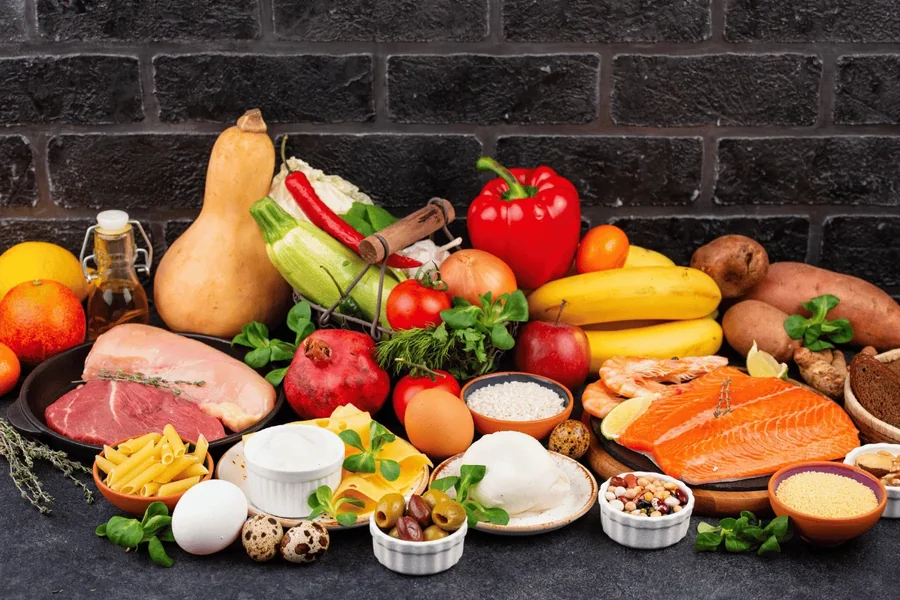
Choosing the best foods for a balanced diet can help you maintain energy, support overall health, and feel your best throughout the day. A nutritious diet does not require expensive ingredients or strict eating rules. Instead, it involves combining different food groups in suitable portions and making choices that meet your body’s needs. Fruits, vegetables, whole grains, protein-rich foods, and healthy fats each provide important nutrients that support everyday activities and long-term well-being.
The key to healthy eating is variety and consistency. No single food provides everything your body needs, so eating a wide range of nutritious options is more beneficial than relying on a limited menu. By planning simple meals, choosing fresh ingredients when practical, and enjoying your favorite foods in moderation, you can build an eating routine that is satisfying, flexible, and easier to maintain.
Fruits and Vegetables for Essential Nutrients
Fruits and vegetables are important parts of a balanced diet because they provide vitamins, minerals, fiber, and beneficial plant compounds. Eating a variety of colors can help you obtain a wider range of nutrients. Leafy greens, carrots, tomatoes, oranges, berries, bananas, and apples are convenient choices for everyday meals and snacks. Vegetables can be added to soups, curries, salads, sandwiches, or rice dishes, while fruit works well with breakfast or as a naturally sweet snack. Fresh, frozen, and canned produce can all be nutritious options, depending on preparation and added ingredients. Aim to include fruits and vegetables regularly rather than focusing on one particular variety. Gradually increasing your intake can make meals more colorful, satisfying, and nutrient-rich.
Whole Grains for Lasting Energy
Whole grains provide carbohydrates that fuel the body, along with fiber and other nutrients that support digestive health. Unlike refined grains, whole grains retain the bran and germ, which contain useful nutrients. Options include oats, brown rice, whole-wheat bread, whole-grain pasta, barley, and quinoa. In South Asian meals, whole-grain choices can complement familiar dishes alongside vegetables, lentils, fish, or eggs. Fiber-rich foods may also help you feel satisfied for longer when included as part of balanced meals. You do not have to replace every refined grain immediately. Start by choosing oatmeal for breakfast, mixing brown rice with white rice, or selecting whole-wheat bread more often. Small changes can help you enjoy more whole grains without making your eating routine complicated.
Protein-Rich Foods for Strength and Repair
Protein helps the body build and repair tissues and supports muscles and other essential functions. A balanced diet can include protein from both animal and plant sources, depending on your preferences and needs. Eggs, fish, chicken, lean meat, milk, yogurt, beans, lentils, chickpeas, tofu, and nuts all contribute protein in different amounts. Lentils and beans are particularly useful because they also provide fiber and can be included in soups, curries, salads, and rice dishes. Fish can provide protein and, depending on the type, beneficial omega-3 fats. Try to include a suitable protein source in your main meals to make them more satisfying. Variety matters more than depending on a single food, and portions can be adjusted according to age, activity level, and individual nutritional needs.
Healthy Fats and Calcium-Rich Foods
Healthy fats are necessary for several body functions, including absorbing fat-soluble vitamins and supporting cells. Sources include olive oil, nuts, seeds, avocados, and oily fish. These foods can add flavor and satisfaction to meals, but portion sizes still matter because fats are energy-dense. Calcium-rich foods also deserve a place in a balanced eating pattern because calcium supports bones and teeth. Milk, yogurt, cheese, and calcium-fortified alternatives can help meet calcium needs. Some foods, such as fortified plant drinks, may also provide vitamin D, depending on the product. If you avoid dairy, check labels and choose suitable fortified alternatives or other calcium sources. Combining healthy fats, calcium-rich options, and foods from other groups helps create meals that provide a broad range of essential nutrients.
Final Thought
A balanced diet is built through regular choices rather than one perfect meal. Include a variety of fruits and vegetables, choose whole grains often, add protein-rich foods, and enjoy suitable sources of healthy fats and calcium. Drinking water regularly and paying attention to your hunger and fullness can also support a healthy routine. You do not need to eliminate favorite foods or follow a restrictive diet to eat well. Instead, focus on realistic improvements that suit your budget, culture, schedule, and preferences. Preparing meals at home when possible can make it easier to control ingredients and include different food groups. If you have a medical condition or specific dietary needs, a registered dietitian or qualified healthcare professional can help you personalize your choices.
FAQs
1. What are the best foods for a balanced diet?
Fruits, vegetables, whole grains, beans, lentils, eggs, fish, lean proteins, nuts, seeds, and suitable dairy or fortified alternatives can all contribute to a balanced diet.
2. How can I make my daily meals more balanced?
Include vegetables or fruit, a protein source, and a grain or other carbohydrate in your meals, adjusting portions to your appetite and nutritional needs.
3. Are carbohydrates necessary for a healthy diet?
Yes, carbohydrates provide energy, and whole-grain foods can also supply fiber, vitamins, and minerals that support overall health.
4. Can I follow a balanced diet on a budget?
Yes, affordable choices such as seasonal produce, oats, eggs, beans, lentils, and locally available grains can help create nutritious meals without overspending.
5. How often should I eat fruits and vegetables?
Try to include fruits and vegetables throughout the day and aim for variety. The amount that suits you depends on your age, needs, and overall eating pattern.

One thought on “Best Foods for a Balanced Diet: Simple Healthy Choices”