
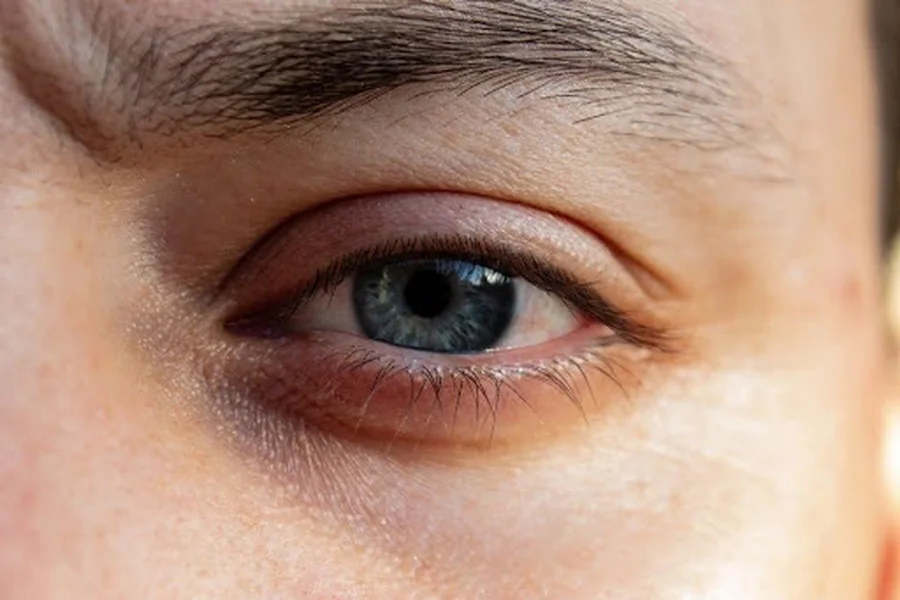
Ptosis, commonly known as a droopy eyelid, is a condition in which the upper eyelid droops over the eye, affecting one or both eyes to varying degrees. Depending on its severity, it can impair vision and alter overall facial appearance. Many individuals seek medical intervention when the condition begins to interfere with everyday activities, such as reading or driving, due to restricted vision. In such cases, Droopy eyelid repair can help address the condition and improve both visual function and eyelid appearance.
Causes of Droopy Eyelids
Ptosis can be attributed to numerous factors, with the most common being age-related changes. As individuals age, the muscles and tendons responsible for lifting the eyelid may weaken, leading to a drooping appearance. However, ptosis is not exclusive to older adults; in some cases, it can be congenital, present from birth due to developmental issues in the levator muscle. Injuries or trauma to the eyelid can also cause drooping, alongside neurological diseases that impact the nerves or muscles supporting the eyelid. Furthermore, conditions like diabetes or myasthenia gravis are known medical contributors to the development of this condition.
Diagnosing Ptosis
A comprehensive eye examination is crucial to diagnose ptosis correctly. Eye care professionals will assess medical history, symmetrical eyelid position, and conduct various tests, possibly including visual field tests to determine the extent of vision interference. Understanding the underlying cause is vital, as treatment must be tailored to address the root of the problem effectively.
Surgical Solutions: Blepharoplasty and Ptosis Repair
Ptosis surgery, or blepharoplasty, is typically recommended when drooping significantly affects vision or results from muscle dysfunction. Surgeons aim to tighten the levator muscle to elevate the eyelid into a more functional and aesthetically pleasing position. Under local anaesthesia, an incision is made in the eyelid’s natural crease, through which the surgeon can adjust the necessary muscles and tendons. The surgery generally lasts one to three hours, allowing for precision in the muscle adjustments.
Non-Surgical Interventions
While surgery is prevalent, it isn’t the only route available for treating ptosis. Non-surgical options may include special ptosis crutches, which can be attached to glasses to lift the eyelid mechanically. While this solution does not address aesthetic concerns, it serves as an effective temporary measure for improved vision. Additionally, physical therapy exercises targeting eyelid muscles can sometimes enhance muscle strength and, by extension, eyelid position. These interventions are often considered when surgical treatments aren’t viable due to health concerns or personal preferences.
Recovery and Postoperative Care
Post-surgical recovery for droopy eyelid repair requires patience and adherence to specific care guidelines to minimise potential complications. Swelling and bruising are common aftereffects, typically subsiding within two weeks. Patients are advised to avoid strenuous activities and sleep in an elevated position to reduce swelling. Pain, if present, can usually be managed with over-the-counter medication. Follow-up appointments are essential to monitor the healing process and ensure the eyelids are functioning as expected. Complications, although rare, can occur and may include infection, bleeding, or asymmetrical eyelid position, emphasising the importance of choosing a skilled and experienced surgeon.
Psychological and Aesthetic Impact
The psychological impact of droopy eyelids is often underestimated. Many individuals report feeling self-conscious or experiencing dips in self-esteem and social functioning due to changes in their facial appearance. Successful surgical intervention restores not only vision but also self-confidence, significantly improving quality of life. Beyond functionality, patients often express relief and satisfaction with the enhanced appearance post-repair, which aligns with their personal and social expectations.
Advancements in Surgical Techniques
Ongoing developments in medical technology have led to refined techniques in eyelid surgery, enabling more precise and efficient procedures. Minimally invasive techniques are gaining popularity, offering reduced recovery times and less visible scarring. Surgeons now have access to sophisticated instruments and imaging tools, enhancing their ability to customise operations to meet individual patient needs optimally. These advancements facilitate more predictable outcomes and higher success rates in correcting ptosis.
Selecting the Right Practitioner
Choosing a qualified and experienced surgeon is paramount in ensuring a successful outcome. Potential candidates should scrutinise the surgeon’s credentials and assess past patient testimonials and before-and-after photos. Ideal practitioners will provide a thorough consultation, offering insights into expected surgical results, recovery processes, and any associated risks. Establishing open communication with the surgeon ensures that personal needs and expectations are clearly understood and managed.
The Role of Cosmetic Considerations in Treatment Decisions
While functionality is the primary motivation for addressing ptosis, cosmetic considerations play a significant role in treatment decisions. A well-executed droopy eyelid repair not only improves vision but also offers a rejuvenated and youthful appearance. This dual benefit often appeals to individuals looking to enhance their overall facial symmetry and convey expressions more accurately. Surgeons must carefully balance functional requirements with cosmetic preferences to achieve the desired holistic effect.
Financial Implications and Insurance
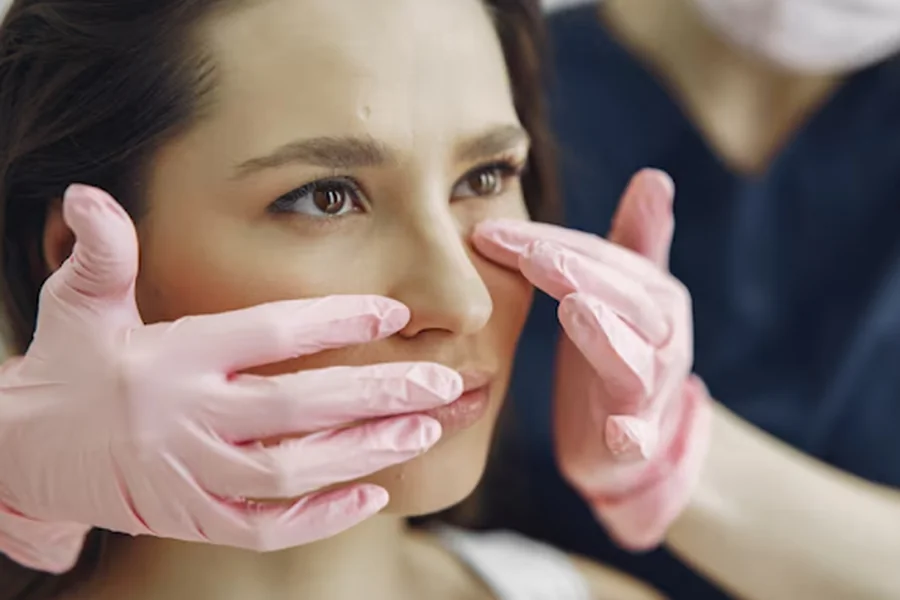
The financial considerations of ptosis repair can vary significantly, influenced by factors such as the complexity of the procedure, the surgeon’s experience, and geographical location. It is essential to discuss all potential costs during the initial consultation to avoid unexpected expenses. In some cases, insurance providers may cover the cost of surgery if it is deemed medically necessary due to vision impairment. Patients should obtain a detailed understanding of their policy and liaise with their insurer to explore coverage options.
The Future of Ptosis Treatment
As research into ocular and muscular health advances, treatments for ptosis continue to evolve, offering hope for more efficient, less invasive solutions. Innovations in gene therapy, regenerative medicine, and robotics hold promise, potentially revolutionising approaches to eyelid repair. While current methods are effective, the enduring commitment within the medical community to enhance patient care is likely to yield even more refined options in the years to come.
