
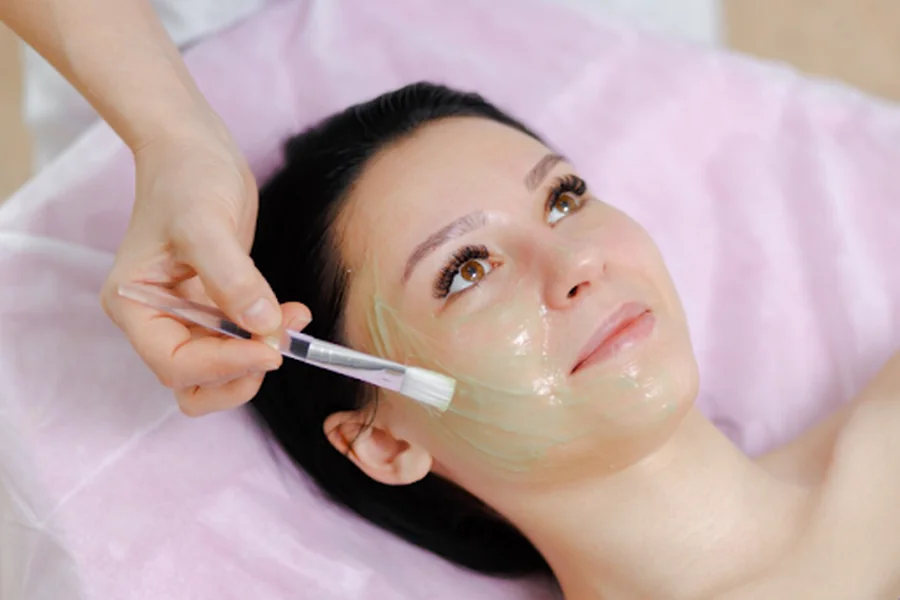
Acne-prone skin requires special attention and care, and what better way to give it the attention it needs than with a specialised facial? Facials not only help with managing acne but also improve the overall health and appearance of your skin. If you’re considering a facial for acne-prone skin, it’s essential to understand how these treatments work to effectively target acne-related issues. In this guide, we’ll explore the different types of facials, techniques, and considerations to help you make an informed decision.
Understanding Acne-Prone Skin
The first step in approaching skincare for acne-prone skin is understanding what causes acne to develop in the first place. Acne typically results from a combination of factors, including excess oil production, clogged pores, bacteria, and inflammation. Hormonal changes, diet, stress, and certain skincare products can also trigger or worsen acne. As such, it’s vital to choose products and treatments that can mitigate these causes without exacerbating the condition.
Types of Facials for Acne-Prone Skin
There are various types of facials designed to address the specific needs of acne-prone skin. Each type uses different techniques and ingredients to target acne symptoms like inflammation, excessive oil, and clogged pores. Some of the most common facials for acne-prone skin include:
1. Deep Cleansing Facial
A deep cleansing facial is one of the most popular options for acne sufferers. This type of facial is designed to deeply cleanse the skin, remove impurities, and unclog pores. The process often involves steaming to open up the pores, followed by extraction to remove blackheads and whiteheads. Deep cleansing facials often incorporate antibacterial and anti-inflammatory products to reduce acne-causing bacteria and soothe the skin.
2. Chemical Peels
Chemical peels involve applying a solution containing exfoliating acids, such as salicylic or glycolic acid, to the skin’s surface. These acids help gently peel away the top layer of dead skin cells, revealing fresher, brighter skin underneath. This exfoliation can be beneficial for reducing the appearance of acne scars, as well as diminishing active breakouts by preventing clogged pores.
3. LED Light Therapy
LED light therapy uses specific wavelengths of light to target acne-causing bacteria and reduce inflammation. Blue light is often used for its antibacterial properties, while red light is utilised to reduce inflammation and promote healing. This non-invasive treatment can be an effective adjunct to other acne treatments and facials.
4. Hydrating Facial
Those with acne-prone skin often shy away from hydrating treatments, fearing increased oiliness or acne breakouts. However, a hydrating facial tailored to acne-prone skin can help balance hydration levels without clogging pores. Products used in these facials are typically non-comedogenic and soothing, helping to calm irritated skin.
Ingredients to Look Out For
When considering a facial for acne-prone skin, it’s crucial to pay attention to the ingredients used in the treatments. Some ingredients can be beneficial for tackling acne, while others may worsen the condition.
Beneficial Ingredients
– Salicylic Acid: Known for its ability to penetrate pores and exfoliate from within, salicylic acid is a staple in acne treatment facials.
– Benzoyl Peroxide: This ingredient targets acne-causing bacteria, making it effective for reducing breakouts.
– Niacinamide: Known for its anti-inflammatory properties, niacinamide can help reduce redness and irritation.
– Clay: Clay masks can absorb excess oil and impurities, making them a beneficial component of detoxifying facials.
– Tea Tree Oil: Often used for its antibacterial properties, tea tree oil can help reduce acne-causing bacteria.
Ingredients to Avoid
– Fragrances: Artificial fragrances can irritate sensitive, acne-prone skin, leading to breakouts and inflammation.
– Heavy Oils: While some oils are beneficial, heavier ones like mineral oil or coconut oil can clog pores.
– Alcohol: Drying alcohols can strip the skin, causing irritation and increased oil production.
Professional Skincare Consultation
Before pursuing facial treatments for acne-prone skin, seeking advice from a professional skincare consultant is advisable. A trained professional can assess your skin type, identify the causes of your acne, and recommend a customised treatment plan. They may suggest a series of facials combined with a home care regimen to optimise results.
At-Home Skincare Regimen
Coupling professional facials with a consistent at-home skincare routine can significantly improve acne-prone skin. Your routine should include gentle cleansing, exfoliation, and hydration using products specifically designed for acne-prone skin. Sunscreen is also essential, as some acne treatments can make the skin more sensitive to the sun.
Post-Facial Care
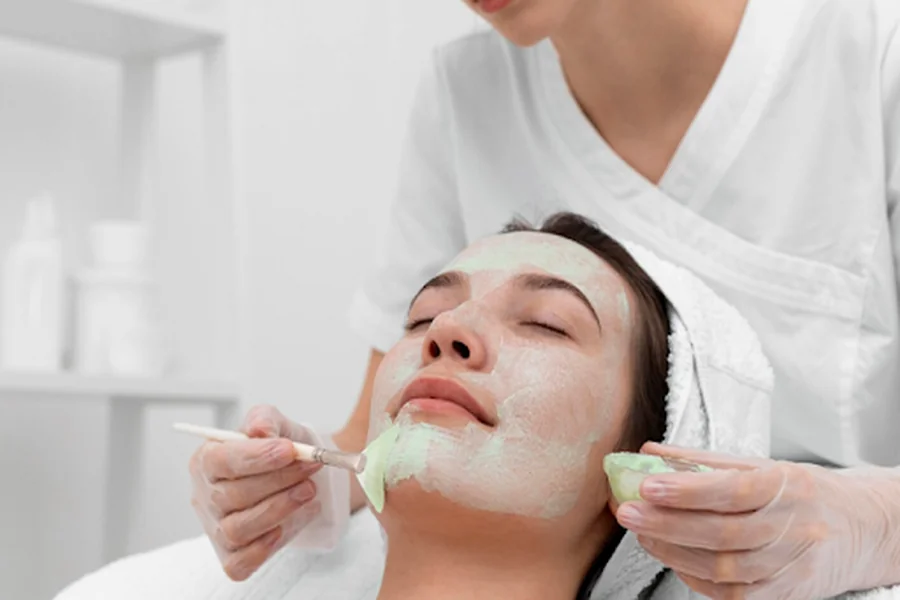
After receiving a facial designed for acne-prone skin, following post-treatment care guidelines is important to maximise benefits and minimise potential irritation. This may include avoiding direct sunlight, refraining from exfoliation for a few days, and following a simplified skincare routine with products recommended by your facialist.
Overall, facials offer a versatile and effective means to manage and improve acne-prone skin. With the right type of facial, ingredients, and professional guidance, one can achieve clearer, healthier skin while managing the challenges of acne.
