
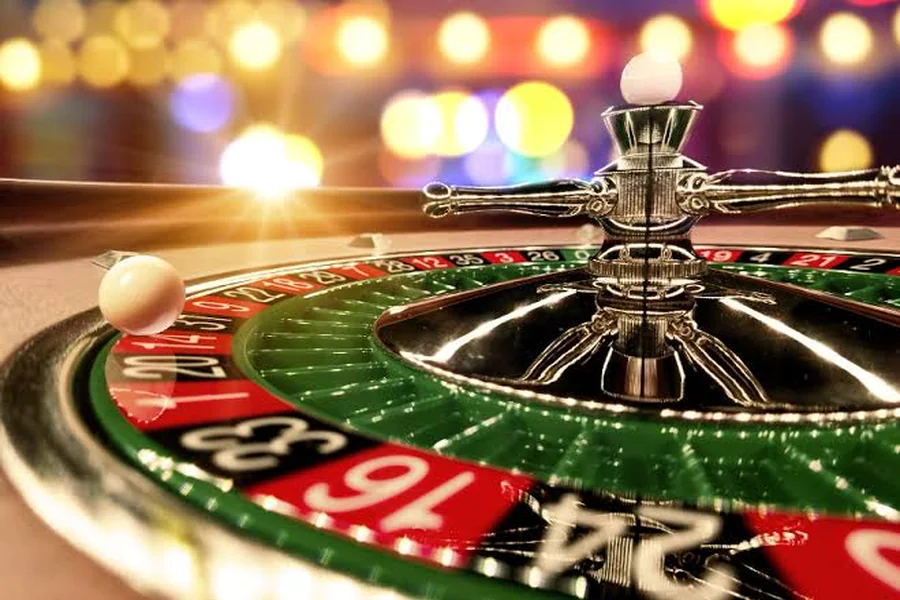
A wheel show with one randomizer has a ceiling: its biggest possible outcome is whatever its rarest segment pays. Adding a second randomizer that multiplies the first broke that ceiling, and the mechanic now anchors the format’s most spectacular moments. Anyone following a Crazy Time link into a modular show is watching two independent random systems resolve into one outcome, which is both the appeal and the compliance challenge.
How the Mechanic Works
Before the main wheel spins, a secondary randomizer, typically displayed as a pair of reels above the wheel, selects a segment and a multiplier value. If the main wheel then lands on the selected segment, that multiplier applies to the result. The two systems are independent: the top slot does not know where the wheel will stop, and the wheel is unaffected by what the top slot chose. Their intersection is where the format’s largest outcomes live.
Why Independence Must Be Provable
Dual randomizers create a specific regulatory burden.
Certifying Two Systems and Their Interface
Each randomizer is certified separately, the physical wheel as apparatus and the top slot as software, but laboratories additionally examine the interface between them. The requirement is that neither can influence the other and that the top slot’s selection is locked before the wheel’s outcome exists. Studios demonstrate this through architecture, publishing the selection visibly before the spin begins, which is why the top slot always resolves first on screen.
What the Mechanic Does to the Distribution
Multiplication widens outcomes dramatically:
- Base-game returns shift slightly downward to fund amplified events
- Variance increases substantially, since rare intersections dominate the tail
- Maximum theoretical outcomes rise by orders of magnitude
- Hit frequency of multiplied results is the product of two independent probabilities
- Clip-worthy moments become statistically rare and commercially valuable
The compound probability point is the one players most often misjudge: a one-in-ten segment combined with a one-in-ten multiplier selection intersects roughly once per hundred rounds, not once per ten.
The Design Insight Underneath
The top slot solved a problem every mature format faces: how to add spectacle without changing rules players already trust. The wheel spins exactly as before, the segments mean exactly what they meant, and the amplification sits entirely in an additional visible layer. Studios have since applied the same pattern across card games, dice, and instant formats, because additive mechanics avoid the revolt that altering a core loop provokes.
Reading It Correctly
The practical literacy is to treat the top slot as a lottery on top of a lottery: it occasionally transforms a round and usually does not, and the published probabilities for both layers are available in the game rules. The spectacle is real, the mathematics is disclosed, and the compound odds are considerably longer than the two individual numbers suggest when read separately.
