
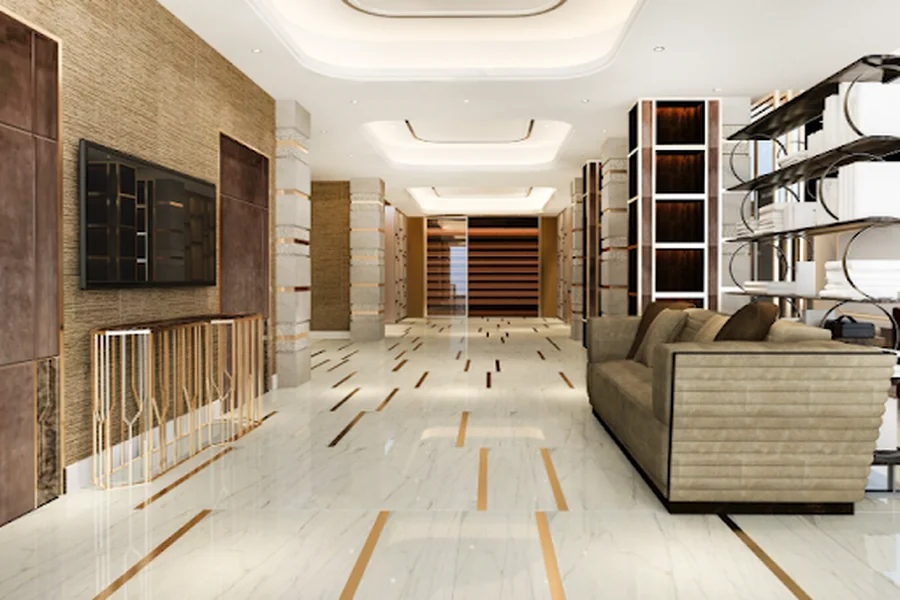
In the world of interior design, a significant shift has occurred with the growing popularity of large format floor tiles. These oversized tiles are transforming spaces with their striking aesthetics and practical benefits. For those exploring design options, “Futar Singapore” offers a diverse range of large format tiles tailored to meet unique home or commercial needs.
What are Large Format Tiles?
Large format tiles, as the name suggests, are tiles that are larger than the standard sizes. Typically, a tile is considered large format when it exceeds 12 inches on any side. Common dimensions include 24×24 inches, 36×36 inches, and even larger panels reaching up to 10 feet. These tiles can be made from various materials including ceramic, porcelain, and natural stone, each offering distinct looks and characteristics.
Aesthetic Appeal
The primary appeal of large format tiles lies in their ability to create seamless, expansive surfaces with minimal grout lines. This offers a sleek, contemporary aesthetic that many modern homeowners and designers find desirable. The reduced number of seams not only enhances visual continuity but also imparts a sense of spaciousness within any room, making these tiles an ideal choice for both large and small areas.
Practical Advantages
Beyond their visual appeal, large format tiles bring an array of practical benefits:
– Durability: Often made from robust materials like porcelain and natural stone, large format tiles are exceptionally durable, making them suitable for high-traffic areas.
– Ease of Maintenance: Fewer grout lines result in easier cleaning and maintenance, as grout can often be a magnet for dirt and stains.
– Versatility: Available in an array of finishes – from polished to matte – and in numerous colours and patterns, these tiles can complement various design palettes and styles.
Installation Considerations
While the advantages of large format floor tiles are numerous, their installation requires specific skills and tools that differ from standard tile laying processes. Proper substrate preparation is essential to prevent issues such as lippage, where one tile edge is higher than the adjacent tile, disrupting the smooth surface.
– Substrate Preparation: The substrate must be perfectly level. Any deviation can result in noticeable flaws in the finished floor.
– Professional Installation: Due to their size and weight, large format tiles should ideally be installed by professional tilers who are experienced in handling the unique challenges posed by these oversized tiles.
Cutting and Handling
Handling large tiles requires care, as they can be cumbersome and prone to breakage if not managed correctly. Specialised tools, such as large tile cutters and suction cups, are essential to ensure precise cutting and safe handling. The edges must be carefully smoothed to prevent jagged finishes that could disrupt the aesthetic continuity when installed.
The weight of these tiles also necessitates careful planning in terms of lifting and positioning. Ensuring the tiles are properly supported during handling is crucial to avoid chips and cracks, which can compromise both the structural integrity and appearance of the flooring.
Design Flexibility
The design potential with large format tiles is immense. Their extended surface area allows for the use of bold, large-scale patterns that are impossible with smaller tiles. Intricate marbling or stone effects can be fully appreciated without interruption, providing luxurious finishes that are akin to real marble or stone slabs without the associated cost or maintenance concerns.
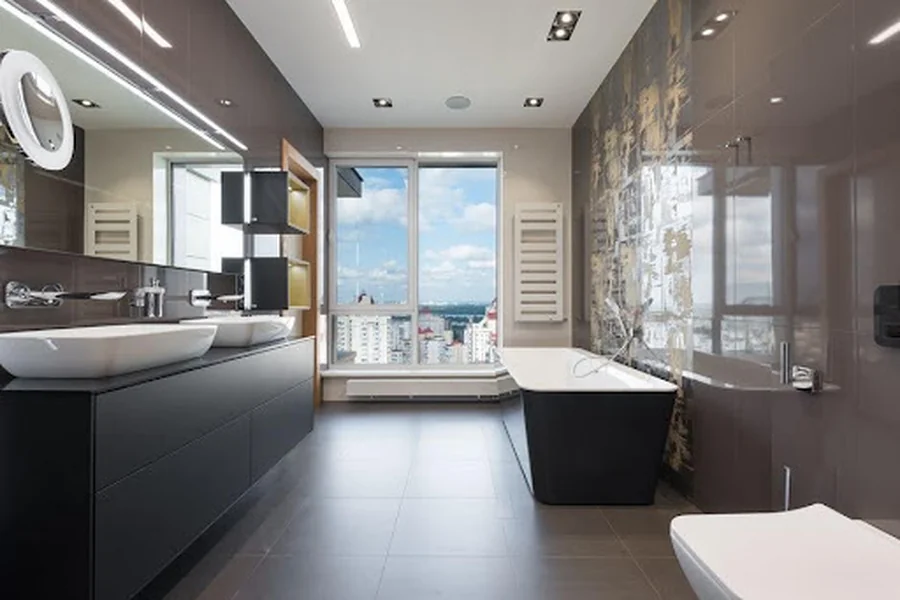
Additionally, large format tiles offer versatility beyond flooring. They are frequently used for feature walls, creating dramatic focal points that enhance the architectural features of the space. Their durability makes them ideally suited for environments that require robust materials, such as kitchens and bathrooms, where they can also double as splashbacks and wall coverings.
Eco-Friendliness
In recent years, the demand for sustainable building materials has increased. Large format tiles align with this trend, as many manufacturers are adopting eco-friendly practices, including the use of recycled materials and energy-efficient production processes. Porcelain and ceramic tiles, in particular, are made from natural clay, making them a more sustainable choice compared to other flooring options.
Furthermore, the longevity and durability of these tiles contribute to their eco-friendliness, as they require replacement far less frequently than other materials, reducing waste and resource consumption over time.
Cost Implications
Though large format tiles often come with a higher initial cost compared to traditional tiles, their long-term benefits can make them a cost-effective solution. Their durability means they are less likely to require replacement, and their ease of maintenance reduces the need for frequent cleaning or repairs.
When considering the comprehensive lifecycle cost of a flooring material, large format tiles often prove to be a wise investment, combining aesthetic appeal with practical longevity.
Final Thoughts on Transformative Interiors
Large format tiles are much more than a fleeting design trend; they represent a shift towards modern, minimalist aesthetics combined with robust functionality. Their ability to transform spaces with seamless surfaces and bold designs makes them a versatile choice for residential and commercial interiors alike.
As the design industry continues to evolve, large format tiles are poised to maintain their status as a staple in contemporary design. They offer a timeless elegance coupled with modern practicality, ensuring their place in the world of interior design for years to come. Embracing this trend begins with choosing the right supplier, such as the extensive selection available at Futar Singapore, where quality and variety meet the demands of modern design sensibilities.
