
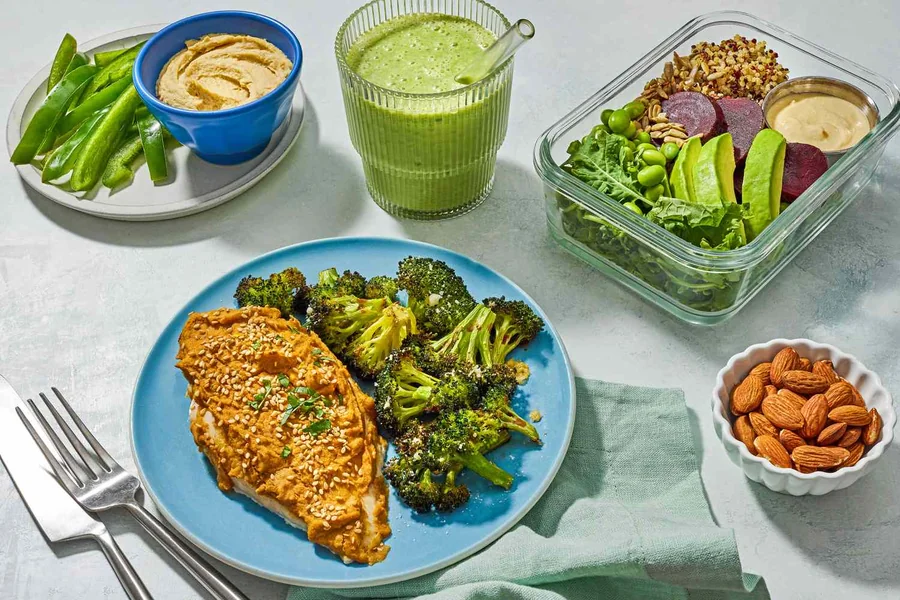
Healthy meal planning for beginners can make everyday eating easier, more affordable, and less stressful. Instead of deciding what to cook at the last minute, you can prepare a simple plan that fits your schedule, budget, and food preferences. Planning meals also helps you include a variety of nutritious ingredients, reduce food waste, and avoid relying too often on convenience foods. You do not need advanced cooking skills or a complicated schedule to get started. A few practical habits can help you organize your meals and make healthier choices throughout the week.
The best approach is to start small and focus on consistency rather than perfection. Choose familiar recipes, prepare a short shopping list, and keep useful ingredients available at home. As you become more comfortable, you can experiment with new dishes and adjust your plan to suit changing routines. With a little preparation, healthy eating can become a manageable part of everyday life.
Set Realistic Goals Before Planning Meals
Before creating a meal plan, consider what you want to achieve. You might want to eat more vegetables, save money on groceries, prepare lunches at home, or spend less time cooking after work. Choosing one or two clear goals makes the process easier to manage. Think about your daily schedule, cooking skills, household size, and favorite foods so your plan reflects real life. There is no need to prepare every meal from scratch or follow a strict diet. Begin with a few meals you already enjoy and make simple improvements, such as adding vegetables or choosing whole grains more often. When your plan feels practical and flexible, you are more likely to follow it consistently and develop habits that last.
Build Balanced Meals With Everyday Foods
A useful meal plan includes different food groups to provide a variety of nutrients. Try combining vegetables or fruit, protein-rich foods, whole grains, and suitable sources of healthy fats across your meals. For example, lunch might include rice, lentils, vegetables, and fish, while dinner could feature whole-wheat flatbread, chicken or beans, and a vegetable curry. Eggs, yogurt, oats, seasonal fruit, chickpeas, and nuts are other useful ingredients to keep available. You do not have to make every plate look identical because nutritional needs and cultural food preferences differ. Instead, focus on variety throughout the day and week. Using familiar ingredients in different combinations can help you create satisfying meals without buying a long list of expensive or unfamiliar products.
Create a Weekly Menu and Shopping List
Planning a weekly menu helps you understand what ingredients you need before visiting the grocery store. Start by choosing a few breakfasts, lunches, dinners, and snacks for the coming days. Check your refrigerator, freezer, and pantry first so you can use ingredients you already have. Then write a shopping list organized by categories such as vegetables, fruit, grains, protein foods, and dairy or alternatives. Consider using some ingredients in multiple meals; a batch of cooked beans, for instance, can be added to soup one day and a salad the next. Leave room for leftovers or an unplanned meal so your schedule does not feel restrictive. A realistic shopping list can reduce impulse purchases, help control spending, and make cooking during a busy week much more convenient.
Prepare Ingredients Ahead of Time
Meal preparation does not mean cooking every dish for the entire week in one session. Even small tasks can save time when you are hungry or tired. Wash vegetables, portion snacks, cook a batch of grains, or prepare a simple sauce ahead of time. You can also boil eggs, soak beans when appropriate, or divide ingredients into containers for quick access. Store prepared foods safely in clean, covered containers, refrigerate perishable items promptly, and freeze portions that will not be eaten soon. Labeling containers with dates can help you use food while it is still suitable to eat. Choose preparation tasks that fit your schedule rather than turning meal planning into another source of stress. A little organization can make home-cooked meals easier to assemble.
Final Thought
Healthy meal planning becomes easier when you treat it as a flexible routine rather than a strict set of rules. Start with a few balanced meals, create a practical shopping list, and prepare ingredients whenever you have time. Use affordable seasonal produce, beans, lentils, eggs, grains, and other familiar foods to keep costs manageable. Remember that plans can change, and there is nothing wrong with switching meals or enjoying leftovers when life gets busy. Review what worked at the end of each week and make small adjustments for the next one. Over time, these simple habits can help you save time, reduce waste, and enjoy a wider variety of nourishing foods without unnecessary pressure.
FAQs
1. What is healthy meal planning?
Healthy meal planning involves deciding in advance which meals to prepare and choosing a variety of foods that support your nutritional needs, budget, and lifestyle.
2. How should beginners start meal planning?
Start by selecting a few easy meals, checking the ingredients you already have, writing a shopping list, and preparing one or two ingredients ahead of time.
3. How many days should I plan meals for?
Beginners may find it easiest to plan three or four days at first, then move to a full week once the routine feels comfortable.
4. Can meal planning help save money?
Yes, meal planning can reduce unnecessary purchases, make better use of ingredients, and help you rely less on expensive last-minute takeaway meals.
5. What foods are useful for beginner meal plans?
Oats, rice, whole-grain bread, seasonal vegetables, fruit, eggs, beans, lentils, yogurt, and affordable protein sources are practical ingredients for many simple meals.
