
If you’ve seen someone reply “based” to a comment, post, or text message, you might wonder what they’re actually saying. Is it the same as “I agree”? Does it mean “true”? Is it a compliment? Or does it have a political meaning?
Usually, based is internet slang that expresses approval, respect, or admiration for an opinion, action, or attitude. It often praises someone for being confident, authentic, or willing to say something unpopular without worrying about other people’s reactions.
However, based doesn’t always mean “correct.” Someone can call an opinion based even when they disagree with the actual opinion. In that case, they may be praising the person’s confidence or independence instead.
The surrounding conversation matters. A sincere “based” can mean genuine approval, while a sarcastic “based” can poke fun at an obviously ridiculous statement.
| Term | Common meaning |
| Based | Admirably bold, authentic, or unapologetic |
| Based take | An opinion viewed as bold or worthy of approval |
| Very based | Strong approval |
| Based and valid | Strong approval or validation |
| BASED | Emphatic approval, often in a meme-like style |
Let’s break down the based meaning slang has developed across texting, social media, memes, and online communities.
What Does “Based” Mean in Slang?
In modern internet slang, based usually means that someone said or did something the speaker respects.
The word can communicate several closely related ideas:
- I agree with that.
- I respect that opinion.
- That’s unapologetically honest.
- That’s a bold take.
- You don’t care what everyone else thinks.
- That’s refreshingly authentic.
- I support that choice.
- That’s admirable, even if it’s unpopular.
The important distinction is that based describes an evaluation, not necessarily an objective fact.
For example:
“I don’t like pineapple on pizza, but I respect anyone who orders it every time. Based.”
Here, based doesn’t mean pineapple belongs on pizza. It praises the person’s confidence in their preference.
That’s why based works particularly well as a reaction word. One short word can communicate approval without requiring a full explanation.
Based Often Praises the Person Behind the Opinion
A subtle part of the based slang meaning involves independence.
Suppose someone says:
“I stopped buying clothes just because they’re trending. I wear what I actually like.”
A response of “based” can mean more than “I agree.”
It can mean:
“I respect that you’re making your own choices instead of following the crowd.”
That idea of independence comes from the modern positive meaning associated with rapper Lil B, who publicly described based as being yourself, not fearing other people’s opinions, and staying positive.
Based Meaning in Text and Texting
The based meaning in text usually depends on what came immediately before it.
In a private conversation, someone might send only:
Based.
That single word can function as a complete response.
For example:
Friend: “I’m not going to pretend I like the new restaurant just because everyone else does.”
Reply: “Based.”
The reply probably means:
“I respect your honesty.”
It doesn’t necessarily mean:
“Your opinion is objectively correct.”
What Does “Based” Mean in Text?
When someone sends based in texting, it can express:
- Agreement — “I agree with you.”
- Approval — “I like that choice.”
- Respect — “I respect your confidence.”
- Admiration — “That was bold.”
- Validation — “Your position makes sense.”
- Amusement — “That’s funny and unexpectedly bold.”
- Irony — “I’m pretending to approve because the situation is ridiculous.”
Context determines which meaning fits.
Example of Based in a Text Conversation
Person A: “I’m eating breakfast for dinner tonight.”
Person B: “Based.”
This probably means:
“I approve of that choice.”
Another example:
Person A: “Everyone says I should watch the popular show, but I’m rewatching my favorite old sitcom.”
Person B: “Based.”
Here, the response praises personal preference and independence.
Can “Based” Mean “I Agree”?
Yes, but based and I agree aren’t perfect synonyms.
“I agree” directly states agreement.
“Based” can express agreement while adding an attitude of respect or admiration.
| Response | What it usually communicates |
| I agree. | Direct agreement |
| Facts. | Strong agreement with something presented as true |
| Valid. | The opinion or feeling is reasonable or legitimate |
| Based. | Approval, often with admiration for the boldness or authenticity |
| Real. | Relatability or perceived honesty |
| W. | A win, success, or positive outcome |
That distinction becomes especially useful when someone calls a statement based despite disagreeing with it.
Is “Based” a Compliment?
Usually, yes.
Online, calling someone or something based generally carries a positive tone. It can praise a person’s honesty, confidence, independence, or willingness to express an unpopular view.
For example:
“She said she doesn’t care about expensive brands and would rather save her money. Based.”
The compliment isn’t necessarily about the financial decision itself. The speaker may admire the person’s refusal to follow status-driven expectations.
Still, based isn’t automatically sincere praise.
Internet slang often works through irony. Someone might write “based” underneath an absurd statement because the exaggeration makes the comment funny.
Based as Genuine Praise
A genuine use might look like this:
“He admitted he was wrong instead of making excuses. Based.”
The speaker likely respects the honesty.
Based as Playful Praise
“I put hot sauce on everything. Based.”
This is casual and playful. Nobody needs to treat it as a serious philosophical statement.
Based as Sarcasm
“I never read instructions. I just press buttons until something works.”
“Based.”
The speaker may genuinely find the behavior funny. They may also be mocking the idea that ignoring instructions deserves admiration.
That’s why you shouldn’t interpret based without looking at the surrounding conversation.
Based Meaning on Social Media
The based meaning on social media is broadly similar across platforms, but community culture can change how the word feels.
People use it in:
- Comments
- Replies
- Group chats
- Memes
- Direct messages
- Gaming discussions
- Online debates
- Reaction posts
- Short-form videos
It works especially well when someone makes a strong take or chooses something that goes against popular opinion.
Based Meaning on TikTok
The based meaning on TikTok usually appears in comments or replies reacting to a creator’s statement, opinion, joke, or unusual choice.
For example:
“I don’t care if everyone hates this movie. It’s still my favorite.”
A commenter might write:
Based.
The comment could mean:
“I respect you for sticking with your opinion.”
TikTok’s fast-moving comment culture also encourages short reactions. A single word can communicate an entire attitude.
Common TikTok Situations for “Based”
You may see based after:
- An unpopular opinion
- A funny confession
- A bold lifestyle choice
- A controversial take
- A confident response
- A deliberately absurd joke
- A strong criticism
- A personal preference
However, TikTok comments often rely heavily on irony. Don’t assume every “based” comment represents literal agreement.
Based Meaning on Instagram
The based meaning on Instagram is similar, especially in Reels comments and meme discussions.
Someone might post:
“I don’t understand why everyone buys the newest phone every year.”
A commenter could respond:
Based.
The user may be agreeing with the criticism, admiring the person’s attitude, or simply enjoying the bluntness of the statement.
Instagram also has a large meme culture. That means based can shift quickly from sincere approval to exaggerated humor.
Based in Instagram DMs
In private messages, the meaning often becomes more personal.
Friend: “I’m leaving the group chat because I don’t enjoy the constant drama.”
Reply: “Honestly, based.”
Here, the sender likely means:
“I respect that decision.”
The relationship between the speakers helps establish the tone.
Based Meaning on Snapchat
The based meaning on Snapchat tends to be more casual because conversations often happen between friends or acquaintances.
You might see it in:
- Story replies
- Direct messages
- Friend conversations
- Shared memes
- Jokes
- Quick reactions
For example:
Friend: “I’m going to sleep at 9 tonight.”
Reply: “Based.”
The word may simply mean:
“Good choice.”
Because Snapchat conversations often contain shared jokes and personal context, irony can be especially important.
Based Meaning on Discord

The based meaning on Discord can vary considerably by server.
Gaming communities, meme servers, fandom groups, and discussion communities develop their own vocabulary. In those spaces, based can react to an opinion, gaming strategy, joke, or community debate.
For example:
“I’m playing the unpopular character because I actually enjoy the moveset.”
Someone might reply:
Based.
That response could praise the player’s independence rather than claim the character is objectively the best.
Discord also makes ironic usage common because users often communicate through memes, inside jokes, and deliberately exaggerated reactions.
Based Meaning on Reddit and X
Reddit and X have played important roles in the wider spread of internet slang.
On these platforms, based frequently appears beside:
- Political opinions
- Cultural debates
- Hot takes
- Memes
- Strong criticisms
- Unpopular preferences
- Contrarian arguments
The political context deserves particular attention because based has been adopted by different ideological communities over time. Dictionary.com documents its later use in right-wing and alt-right online spaces while also describing its broader positive meaning.
That history doesn’t mean every use of based is political.
In an ordinary conversation about pizza, movies, gaming, or clothing, it may simply mean:
“I respect that.”
What Does “Based” Really Praise?
One of the most useful ways to understand the slang is to ask what exactly the speaker is praising.
Sometimes they’re praising the opinion.
Sometimes they’re praising the courage to express it.
Sometimes they’re praising the person’s independence.
And sometimes they’re just joking.
Based Can Praise an Opinion
“The sequel was better than the original.”
If someone agrees strongly, they might respond:
“Based.”
Based Can Praise a Choice
“I’m buying the ugly chair because it’s comfortable.”
“Based.”
The speaker approves of choosing comfort over appearance.
Based Can Praise Confidence
“I know everyone hates my haircut. I like it.”
“Based.”
Here, the word praises confidence more than the haircut.
Based Can Praise Authenticity
“I don’t listen to music because it’s popular. I listen to whatever I enjoy.”
“Based.”
The implied compliment is about being genuine.
Based Meaning Depends on Context
Few internet slang terms demonstrate context-dependent meaning as clearly as based.
Consider this:
“I love pineapple on pizza.”
If someone responds:
Based.
They may agree.
Now consider:
“I think pineapple pizza is the worst food ever invented.”
Another person might also respond:
Based.
The word itself doesn’t tell you which pizza opinion is objectively correct. It communicates an evaluation of the statement or speaker.
Five Clues That Help Decode “Based”
When you’re unsure what someone means, look at:
- The previous message — What are they reacting to?
- The relationship — Are they friends, strangers, or arguing?
- The tone — Serious, playful, sarcastic, or hostile?
- The community — What does that particular online group usually mean by the word?
- The surrounding language — Emojis, capitalization, exaggeration, and other slang can reveal intent.
A dry one-word response in a serious debate can feel very different from the same word beneath a silly meme.
Based Can Be Sincere, Ironic, or Sarcastic
Sincere Based
Someone genuinely approves of the statement.
“I don’t judge people for their hobbies.”
“Based.”
Ironic Based
Someone pretends to approve because the situation is absurd.
“I haven’t washed my dishes in three weeks because I’m building character.”
“Based.”
Sarcastic Based
Someone may use the word to mock a viewpoint rather than support it.
“I failed the exam because studying is overrated.”
“Absolutely based.”
The word absolutely can intensify the joke.
Exaggerated Based
You may also see:
- Very based
- Extremely based
- Incredibly based
- So based
- Absolutely based
- Most based
These forms generally intensify approval. In meme culture, the exaggeration itself can become part of the joke.
What Does “Based Take” Mean?
A based take is an opinion viewed as bold, authentic, or worthy of approval.
The word take simply means an opinion or position on a subject.
For example:
“Animated movies aren’t just for kids.”
Someone might call that a based take if they strongly agree with it.
A more interesting case appears when the responder doesn’t completely agree:
“I don’t think that movie is good, but your argument about representation was a based take.”
Here, based praises the reasoning or confidence rather than every detail of the conclusion.
What Does “Based and Valid” Mean?
Based and valid combines two related forms of online approval.
- Based often emphasizes boldness, independence, or authenticity.
- Valid often emphasizes reasonableness, legitimacy, or understandable feelings.
For example:
“I don’t want to attend every social event. I need time alone.”
Someone might reply:
Based and valid.
They’re likely expressing strong support for the person’s preference.
The phrase is informal and strongly associated with online communication.
What Does “Very Based” Mean?
Very based simply intensifies the reaction.
If based means:
“I respect that.”
Then very based can mean:
“I strongly respect that.”
It doesn’t create an entirely new definition.
For example:
“I returned the expensive jacket because I realized I didn’t need it.”
“Very based.”
The response expresses stronger approval of the decision.
Where Did the Slang “Based” Come From?
The history of based slang is more complicated than many quick definitions suggest.
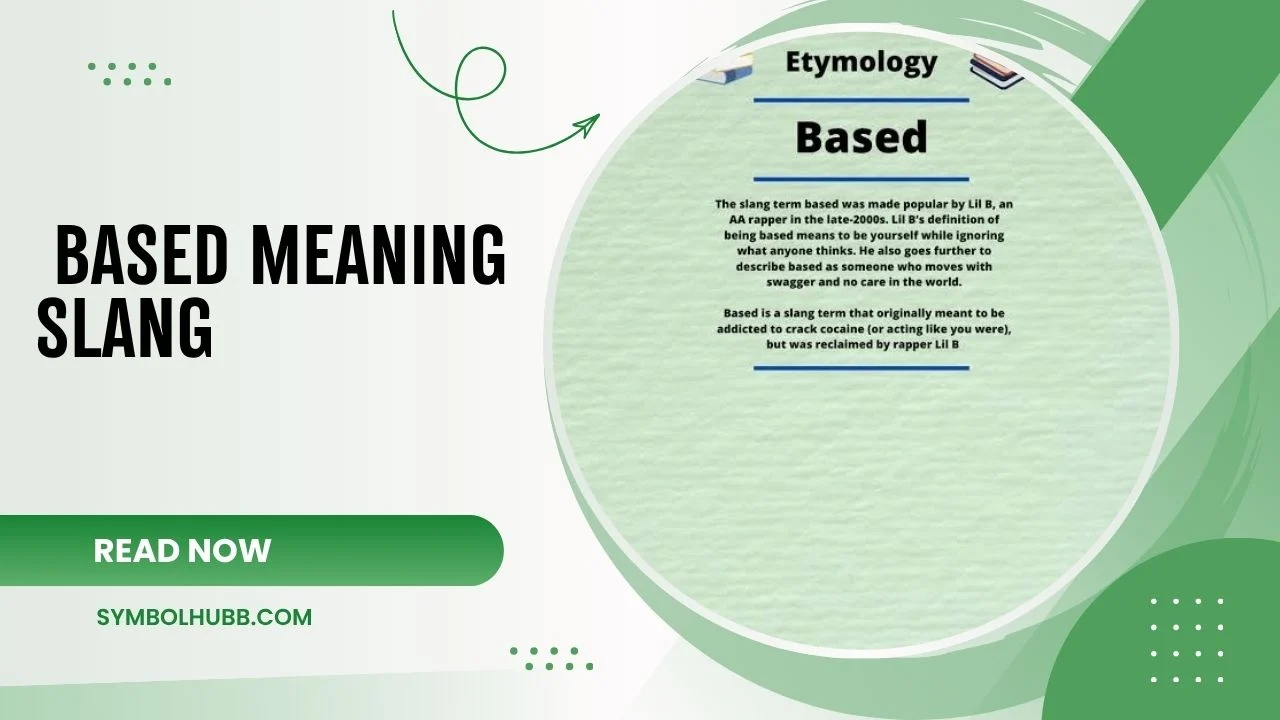
The modern positive meaning is strongly associated with Lil B. However, the word had an older and negative slang history before he reclaimed it.
The Older Meaning of Based
The earlier slang sense is connected to basehead, a derogatory term associated with people who used freebase cocaine.
Dictionary.com explains that this earlier meaning developed around West Coast slang and carried negative associations.
This history matters because the modern meaning wasn’t simply a natural extension of the ordinary English word based.
Instead, the slang underwent a major semantic shift.
A negative label became a positive identity.
Lil B and the Modern Meaning
Rapper Lil B, whose real name is Brandon McCartney, became closely associated with the modern positive meaning.
In a 2010 Complex interview, Lil B explained that people had used based negatively when he was younger. He said he chose to embrace the term and turn it into something positive.
His explanation centered on:
- Being yourself
- Not fearing other people’s opinions
- Doing what you want
- Staying positive
- Embracing individuality
That philosophy helped give the word its modern cultural identity.
The idea also became closely connected with Lil B’s BasedGod persona. Dictionary.com identifies BasedGod as Lil B’s alter ego and rap persona.
How the Meaning Spread Online
The word moved from hip-hop culture into broader internet culture.
Online communities then shortened and simplified its function.
Instead of discussing an entire philosophy of authenticity, users could simply type:
Based.
The one-word response became a quick form of approval.
From there, different communities added their own nuances. Some political communities used the word to praise controversial or anti-establishment positions. Other communities used it casually for jokes, preferences, memes, and ordinary choices.
This is a classic example of semantic change: a word’s social meaning develops as different communities adopt and reshape it.
Based vs. W
Based and W can both communicate positive reactions, but they aren’t identical.
| Slang | Main idea | Example |
| Based | Approval of an opinion, attitude, or choice | “He said what everyone was afraid to say. Based.” |
| W | A win, success, or positive result | “She won the competition. W.” |
Someone can describe a decision as based even if it doesn’t produce a measurable win.
For example:
“I quit a job I hated and took time to figure out what I wanted.”
Based fits because the emphasis is on the bold personal decision.
W could also fit if the speaker views the outcome as a success.
Based vs. Facts
Facts usually signals agreement with something presented as true.
“The Earth revolves around the Sun.”
“Facts.”
Based evaluates the statement or the person expressing it.
“I’m not changing my opinion just because everyone disagrees.”
“Based.”
The first reaction concerns truth.
The second concerns attitude, confidence, or approval.
Of course, online users sometimes use the two interchangeably.
Based vs. Valid
Valid generally means that an opinion, feeling, argument, or concern deserves recognition or makes sense.
Based often adds a layer of admiration for boldness or authenticity.
Consider:
“I don’t enjoy large parties.”
Calling that opinion valid means the preference is understandable.
Calling it based can mean the speaker admires the person’s willingness to reject social expectations.
The difference is subtle, but useful.
Based vs. Real
Real often communicates:
“I relate to this.”
It can also mean:
“That’s honest.”
Based tends to communicate stronger approval.
For example:
“I hate waking up early.”
Real.
This means the commenter relates.
“I refuse to pretend I enjoy waking up early just because productive people say I should.”
Based.
This emphasizes independence and unapologetic self-expression.
Based vs. Hot Take
A hot take is a strong, controversial, or unusual opinion.
A based take is a take that someone considers admirable or worthy of approval.
Therefore, a hot take isn’t automatically based.
For example:
“The most popular movie franchise is terrible.”
That’s a hot take because it’s controversial.
If someone agrees and admires the confidence behind it, they might reply:
“Based take.”
The two expressions describe different aspects of the same opinion.
Is “Based” Always Positive?
No.
The word usually carries positive or approving meaning, but the speaker’s intent can change it.
Three common possibilities exist:
| Type | Meaning |
| Sincere | Genuine approval |
| Ironic | Deliberate humorous approval |
| Sarcastic | Mocking or insincere approval |
Political and ideological contexts require extra care. Some communities have used based as a strong approval signal for controversial political positions. Dictionary.com documents this history and its association with alt-right online usage.
That doesn’t make every use political.
A person commenting “based” under a post about choosing tacos over pizza probably isn’t making an ideological statement.
Is “Based” Offensive?
The word itself isn’t inherently offensive.
However, the statement someone calls based can be offensive, discriminatory, dangerous, or controversial.
That’s an important distinction.
For example, if someone makes a hateful statement and another user responds “based,” the reply can function as an endorsement of that statement.
So the potential problem comes from what is being endorsed, not from the four-letter slang term itself.
Be Especially Careful With Sensitive Topics
Context deserves extra attention around:
- Race
- Religion
- Gender
- Politics
- Violence
- Discrimination
- Harmful behavior
- Extremist content
A casual word can carry much more weight when it appears underneath a serious statement.
Is “Based” Appropriate at Work?
Generally, no if you’re communicating formally.
“Based” belongs naturally in casual online communication. A professional email needs clearer language.
Instead of:
“Based.”
Try:
- “I agree.”
- “That makes sense.”
- “That’s a good point.”
- “I understand your reasoning.”
- “I support that approach.”
- “That’s a reasonable position.”
- “I respect that decision.”
These alternatives communicate your meaning without relying on internet slang.
Where Based Works Best
Use based naturally in:
- Casual texting
- Friend group chats
- Social media comments
- Memes
- Gaming communities
- Informal online discussions
- Conversations where everyone understands the slang
Avoid it in:
- Business emails
- Academic writing
- Client communication
- Formal reports
- Professional presentations
- Serious workplace discussions
The rule is simple: match your language to the room.
How to Use “Based” Correctly
The easiest way to use based is as a reaction to something you admire, support, or find refreshingly honest.
Example 1: Personal Preference
“I don’t care what’s trendy. I wear whatever feels comfortable.”
Based.
Example 2: Unpopular Opinion
“The original version of the game was better.”
Based take.
Example 3: Personal Boundary
“I’m not answering work messages during my vacation.”
Based.
Example 4: Humor
“I eat dessert before dinner because life is short.”
Extremely based.
Example 5: Ironic Use
“I never charge my phone until it’s at 1%.”
“Based.”
The last example may be playful rather than genuine admiration.
Common Phrases With Based
Here are some common forms you’ll encounter online:
- Based
- Very based
- So based
- Extremely based
- Incredibly based
- Based take
- Based opinion
- Based choice
- Based decision
- Based advice
- Based and valid
- Most based
- BASED
The core meaning remains similar. The surrounding phrase simply adds emphasis or specifies what the speaker is evaluating.
A Quick Guide to Decoding “Based”
When you encounter based online, ask three questions.
What Is Being Evaluated?
Is the person reacting to:
- An opinion?
- A decision?
- A joke?
- A personal choice?
- A political statement?
- A lifestyle?
- A gaming strategy?
Is the Speaker Serious?
Look for:
- Exaggeration
- Absurdity
- Sarcasm
- Emojis
- Meme references
- Contradictory wording
- Dramatic capitalization
What Does the Community Mean by It?
A gaming server may use based differently from a political discussion forum.
The same word can travel across communities while picking up different shades of meaning.
That’s normal linguistic behavior.
Key Facts About Based Slang
- Based is modern internet slang used primarily as an approving reaction.
- It can express agreement, respect, admiration, or validation.
- It often praises confidence and authenticity.
- It doesn’t necessarily mean that the speaker thinks something is objectively true.
- Based take means an opinion viewed as bold or admirable.
- Very based intensifies the approval.
- The modern positive sense is strongly associated with Lil B.
- Lil B publicly described the word as being yourself and not fearing other people’s opinions.
- The term has an older negative history connected with basehead and freebase cocaine.
- Internet communities helped spread and reshape its meaning.
- The word can be sincere, ironic, humorous, or sarcastic.
- Political context can give the word additional connotations.
- Based and W overlap but aren’t synonymous.
- Based and facts aren’t synonymous either.
- Context is essential when interpreting a one-word response.
Frequently Asked Questions About Based Meaning Slang
What does based mean in slang?
Based is internet slang that usually expresses approval, respect, or admiration for an opinion, action, choice, or attitude. It often praises someone for being confident or authentic without worrying about outside approval.
What does based mean in texting?
In texting, based usually works as a short approving response. Depending on context, it can mean “I agree,” “I respect that,” “good choice,” or “that’s bold.”
Is based a compliment?
Usually, yes. People commonly use based as a compliment. However, it can also be ironic or sarcastic, so the surrounding conversation matters.
Does based mean I agree?
Sometimes. Based can communicate agreement, but it often adds an element of admiration or respect. Someone can even call an opinion based while disagreeing with the opinion itself.
What does based mean on TikTok?
On TikTok, based commonly appears in comments reacting to bold opinions, controversial takes, confident statements, jokes, or unusual choices. It can be sincere or ironic.
What does based mean on Instagram?
On Instagram, based is commonly used in comments, Reels discussions, memes, and direct messages. It generally expresses approval or respect.
Can based be sarcastic?
Yes. Internet users frequently use based ironically or sarcastically. An obviously ridiculous statement may receive “based” as a joke rather than genuine approval.
Is based offensive?
The word itself isn’t inherently offensive. However, someone may use it to endorse offensive, discriminatory, or controversial content. Always consider what the speaker is calling based.
Is based safe to use at work?
It’s better to avoid based in formal workplace communication. Use clearer expressions such as “I agree,” “That’s a good point,” or “I support that approach.”
Where did based slang come from?
The modern positive slang meaning is strongly associated with rapper Lil B, who reclaimed an older negative term and connected based with being yourself, staying positive, and not worrying about other people’s opinions.
Conclusion
The simplest based meaning slang definition is approval with an edge of admiration.
When someone replies “based,” they’re often saying that they respect the opinion, choice, attitude, or confidence behind what you said. Sometimes the meaning is close to “I agree.” Other times, it means “I respect that,” even when the speaker doesn’t share the exact view.
Context makes the difference.
On TikTok, Instagram, Snapchat, Discord, Reddit, X, and private chats, based can signal genuine support, playful praise, irony, or sarcasm. Its modern meaning also has a fascinating history tied to Lil B’s reclamation of an older negative term.
So if you see “based take” under an unpopular opinion, the commenter probably isn’t writing a formal review. They’re giving that opinion a quick internet stamp of approval.
In short, based usually means bold, authentic, admirable, or worthy of respect. It doesn’t always mean correct. And it certainly doesn’t always mean agreement. The conversation around the word tells you what the commenter really means.

Elliot Kensington
Elliot Kensington is a storyteller at heart, always fascinated by the hidden corners of human imagination. From a young age, he found comfort in books and the worlds they created, inspiring him to craft tales that blend emotion, suspense, and wonder. His writing journey began with short stories that captured fleeting moments of life, and over time, evolved into novels that explore both the extraordinary and the everyday. Elliot believes that every story holds a piece of the soul, and his mission is to connect readers to those moments that linger long after the last page. When he’s not writing, he enjoys exploring nature, capturing moments through photography, and seeking inspiration in the little things.
Books by Elliot Kensington:
-
Shadows of Tomorrow
-
The Whispering Path