
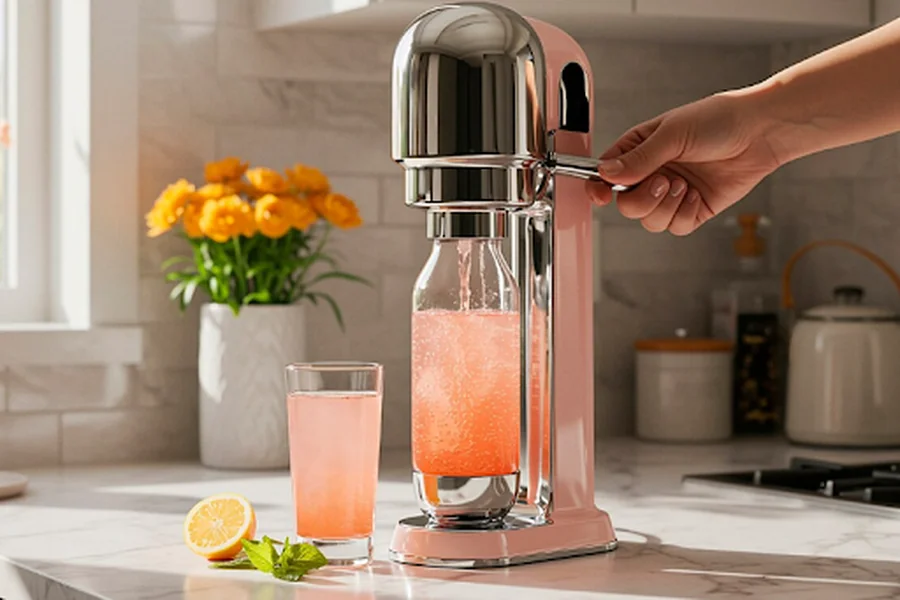
In an era where sustainability meets culinary innovation, the “home carbonation machine” is gaining unprecedented attention. A home carbonation machine empowers individuals to turn ordinary tap water into effervescent, sparkling beverages in moments, adding sparkle both literally and metaphorically to the drinking experience. As convenience and ecological consciousness grow in importance, these handy devices are transforming how people perceive and consume carbonated drinks.
Historical Evolution of Carbonated Beverages
The journey of carbonation began in the late 18th century when chemists first discovered the method to infuse water with carbon dioxide. This process of carbonation, initially praised for its alleged health benefits, soon took the world by storm, culminating in the advent of carbonated drinks, which have become a staple in many households.
However, with the mounting concerns over plastic waste and environmental sustainability, the spotlight is shifting towards home-based solutions. Home carbonation machines present an eco-friendly alternative, reducing reliance on commercially bottled sodas and minimising single-use plastic waste.
The Science Behind Carbonation
Understanding the underlying principles of carbonation opens a window into why these machines are so effective and enjoyable. Carbonation involves dissolving carbon dioxide gas (CO2) under pressure into a liquid, which results in the formation of carbonic acid and imparts that familiar fizzy sensation. When pressure is released, such as when opening a bottle, the gas escapes, creating bubbles and that crisp, refreshing mouthfeel.
Home carbonation machines replicate this process effortlessly. Utilising refillable CO2 canisters, they dispense the right amount of gas into the water, providing control over the fizz level. This enables users to craft drinks tailored to individual tastes, from gentle bubbles to vigorous effervescence.
Economic and Environmental Benefits
Investing in a home carbonation machine can offer significant economic and environmental advantages. Although the initial cost of a machine might seem steep, the long-term savings can be substantial. Consider the cost of purchasing branded carbonated drinks over time, and it becomes evident that making your own beverages can be far more economical.
Ecologically, the benefits are equally compelling. By decreasing dependence on store-bought sodas, users significantly reduce their carbon footprint. Home carbonation encourages the use of reusable bottles, which dramatically curtails plastic waste. Moreover, local tap water is often the primary ingredient, lessening the need for transportation of goods and thus conserving energy resources.
Versatility and Customisation
The customisation potential with a home carbonation machine is vast and exciting. Gone are the days when consumers were limited to the flavours on supermarket shelves. These devices allow users to experiment with various combinations of flavours and sweeteners, effectively putting control back into the hands of the consumer.
Adding natural fruit juices, syrups, and even teas offers endless possibilities for creating unique and personalised beverages. This versatility ensures that everyone’s preference is catered to, whether it’s a traditional cola-inspired drink, a subtle cucumber-infused concoction, or a spicy ginger blend.
Health Consciousness and Carbonation
As health consciousness grows, the scrutiny of sugar-laden soft drinks has intensified. Home carbonation enables individuals to take charge of their sugar intake, allowing the formulation of healthier alternatives to conventional sugary sodas. Creating beverages with fewer calories and no artificial additives becomes practical and straightforward, promoting a healthier lifestyle without sacrificing the enjoyment of a fizzy drink.
The availability of naturally flavoured sparkling water also encourages increased hydration. Home carbonation machines have anecdotally led users to consume more water, driven by the enjoyable, refreshing taste of homemade sparkling water, which can be a beneficial addition to anyone’s daily diet.
Choosing the Right Carbonation Machine
With the rising demand for these appliances, various models flood the market, each with unique features and functionalities. When selecting a home carbonation machine, it’s crucial to consider factors like ease of use, CO2 canister replacement costs, and additional features such as adjustable carbonation levels and flavour infusion capabilities.
It’s also essential to evaluate the durability and build quality of the machine. Investing in a reputable brand can ensure longevity and performance, making the appliance a worthwhile addition to any kitchen arsenal.
Technological Advancements and Future Prospects
As technology advances, the design and functionality of home carbonation machines continue to evolve. Future models are expected to integrate smart technology, providing users with more control and options through mobile apps. These advances could include precise carbonation controls, recipe sharing capabilities, and integration with other smart kitchen devices.
This progressive innovation indicates that carbonation machines will remain a pivotal part of kitchen technology, adapting to new trends and consumer demands.

Cultural Shifts and Social Trends
The rise of the home carbonation movement reflects broader cultural shifts toward sustainability, health awareness, and culinary creativity. It speaks to a growing cohort of consumers who value quality, customisation, and ecological responsibility over mass-produced options. This mindset aligns with wider trends of home cooking and the personalisation of the food and beverage industry, where the individual crafting of products is becoming increasingly popular.
In this evolving landscape, the humble carbonation machine has found its place, bringing both practicality and delight into the home while allowing individuals the empowerment of producing their own bubbly delights.
Explore more about soda makers on this page.
