Scottish symbols represent the history, identity, traditions, and spirit of Scotland. From the famous thistle and tartan to the majestic unicorn and Saltire flag, these symbols tell the story of a nation rich in heritage and pride.
In short, Scottish symbols are visual and cultural representations that connect Scotland’s past with its present while celebrating its unique traditions.
Whether you are researching Scottish culture, tracing family ancestry, planning a trip to Scotland, or simply curious about its traditions, understanding these symbols offers fascinating insight into one of the world’s most distinctive cultures.
What Are Scottish Symbols?
Scottish symbols are objects, animals, plants, patterns, flags, and cultural icons that represent Scotland and its people. Many of these symbols date back hundreds of years and are closely connected to Scottish history, folklore, clans, royalty, and national identity.
Some symbols are officially recognized, while others have gained importance through tradition and cultural pride.
These symbols appear on:
- National flags
- Government seals
- Clan crests
- Souvenirs
- Jewelry
- Monuments
- Sports uniforms
- Military insignia
- Tourism campaigns
Today, Scottish symbols continue to unite people both within Scotland and across the global Scottish diaspora.
The Importance of Scottish Symbols
Symbols play an important role in preserving culture.
For Scotland, they help:
- Protect historical traditions
- Strengthen national identity
- Connect generations
- Promote tourism
- Celebrate heritage
- Educate people about Scottish history
Many Scots feel a strong emotional connection to these symbols because they reflect resilience, independence, and cultural pride.
The Scottish Thistle: Scotland’s National Flower
Why Is the Thistle a Scottish Symbol?
The thistle is perhaps the most famous symbol of Scotland.
According to legend, a group of invading Norse warriors attempted to attack a Scottish camp at night. To remain silent, they removed their shoes. However, one warrior stepped on a thorny thistle and cried out in pain, alerting the Scots and helping them win the battle.
Whether the story is completely true or not, the thistle became a powerful symbol of protection and courage.
Meaning of the Thistle
The thistle represents:
- Strength
- Determination
- Protection
- Pride
- Survival
Its ability to thrive in harsh conditions reflects the spirit often associated with Scotland itself.
Modern Uses of the Thistle
Today, the thistle appears on:
- Official government emblems
- Coins
- Passports
- Sports logos
- Tourism materials
The flower remains one of Scotland’s most beloved national symbols.
The Saltire: Scotland’s National Flag
What Is the Saltire?
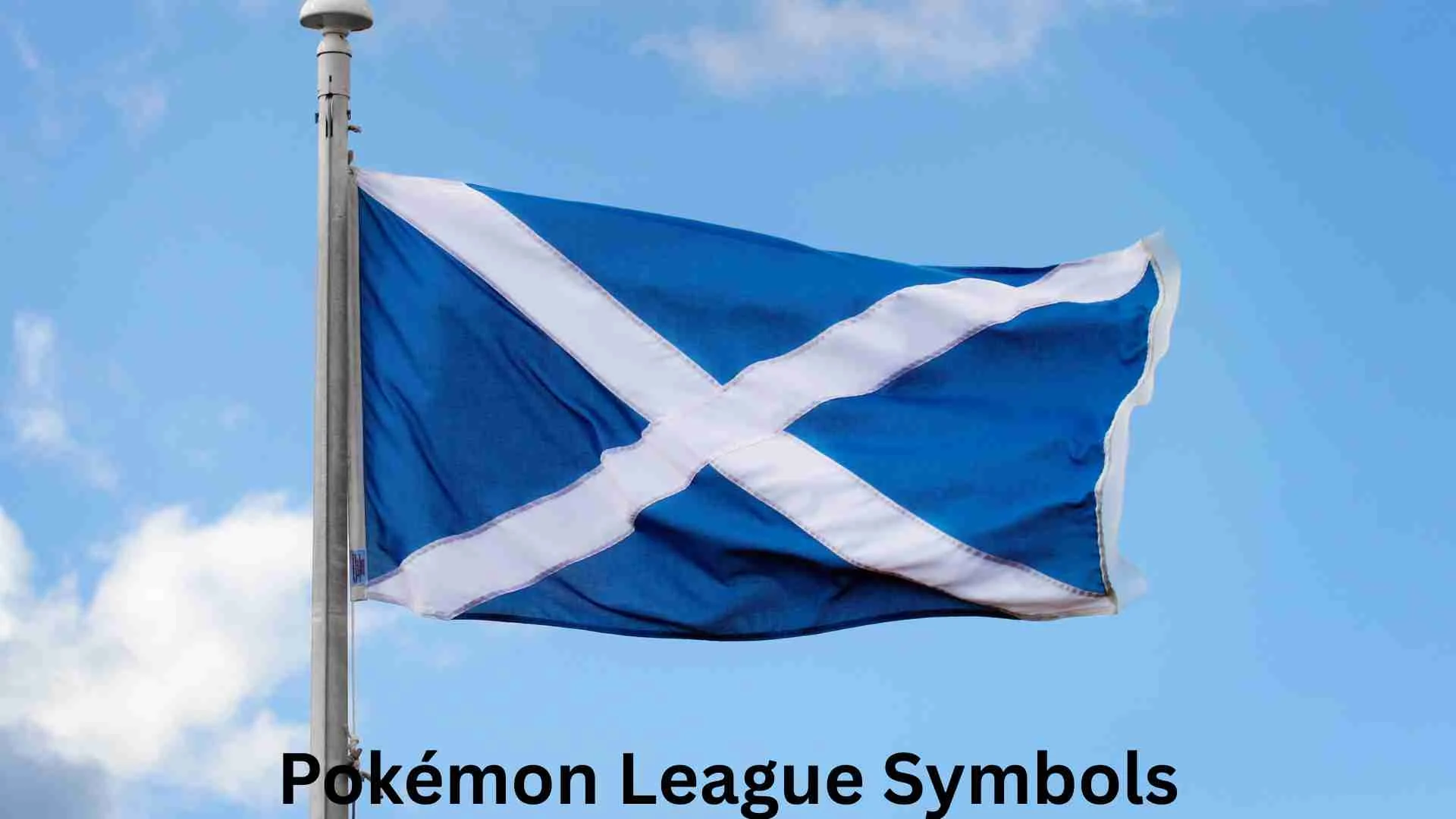
The Saltire, also known as St. Andrew’s Cross, is the national flag of Scotland.
It features a white diagonal cross on a blue background.
Historical Background
The flag is associated with Saint Andrew, who is recognized as Scotland’s patron saint.
According to tradition, a white cross appeared in the sky before a battle, inspiring Scottish troops and becoming a symbol of divine protection.
Symbolism of the Saltire
The Saltire represents:
- Faith
- National unity
- Historical continuity
- Scottish identity
It is one of the oldest national flags still in use today.
The Unicorn: Scotland’s National Animal
Many people are surprised to learn that Scotland’s national animal is not a real creature.
It is the unicorn.
Why a Unicorn?
In medieval Europe, unicorns symbolized:
- Purity
- Strength
- Freedom
- Courage
Scottish kings adopted the unicorn because it represented power and independence.
The Unicorn in Scottish History
The unicorn appears on:
- Royal coats of arms
- Government seals
- Historic buildings
- Official documents
The creature remains a beloved symbol of Scotland’s imagination and spirit.
Tartan: A Pattern That Defines Scottish Identity
What Is Tartan?
Tartan is a woven pattern made of crisscrossing horizontal and vertical stripes.
Different tartan designs are associated with Scottish clans, regions, organizations, and families.
History of Tartan
Tartan has been worn in Scotland for centuries.
While many people associate tartan with clan identity, its widespread use grew significantly during the 18th and 19th centuries.
Why Tartan Matters
Tartan symbolizes:
- Family heritage
- Clan loyalty
- Community
- Tradition
Today, tartan is recognized worldwide as a symbol of Scotland.
Scottish Clans and Clan Crests
Understanding Clans
A clan is a group of families connected through ancestry and shared history.
Historically, clans played a major role in Scottish society, especially in the Highlands.
Clan Symbols
Each clan often has:
- A crest
- A motto
- A tartan
- A badge
These symbols helped identify clan members and strengthen loyalty.
Famous Scottish Clans
Some well-known clans include:
- Clan Campbell
- Clan MacDonald
- Clan Stewart
- Clan Fraser
- Clan MacKenzie
Clan symbols remain important to many people tracing Scottish ancestry today.
The Lion Rampant
What Is the Lion Rampant?
The Lion Rampant is one of Scotland’s most historic royal symbols.
It features a red lion standing upright on a yellow background.
Symbolic Meaning
The lion symbolizes:
- Royal authority
- Leadership
- Courage
- Strength
Historically, it was closely associated with Scottish monarchs.
Modern Significance
The Lion Rampant is still used during national celebrations, sporting events, and historical commemorations.
The Bagpipes: Scotland’s Musical Symbol
Why Are Bagpipes Important?
The bagpipes are among the most recognizable sounds associated with Scotland.
Although versions of bagpipes existed in various cultures, the Great Highland Bagpipe became deeply linked to Scottish identity.
Symbolism of Bagpipes
Bagpipes represent:
- Tradition
- Celebration
- Heritage
- Military history
Modern Uses
Bagpipes are commonly heard at:
- Weddings
- Parades
- Highland Games
- Military ceremonies
- Cultural festivals
The sound immediately evokes images of Scotland around the world.
The Highland Cow
Scotland’s Most Famous Farm Animal
The Highland cow, with its long horns and shaggy coat, has become an international symbol of Scotland.
What It Represents
The Highland cow symbolizes:
- Rural life
- Endurance
- Natural beauty
- Agricultural heritage
Its distinctive appearance makes it a favorite among visitors and photographers.
The Scottish Heather
A Symbol of Good Luck
Heather grows abundantly across Scotland’s hills and moorlands.
For centuries, it has been associated with:
- Good fortune
- Protection
- Love
- Admiration
White Heather Legend
A popular legend suggests that white heather brings particularly good luck and happiness.
Because of this belief, white heather often appears in wedding bouquets and gifts.
The Celtic Knot
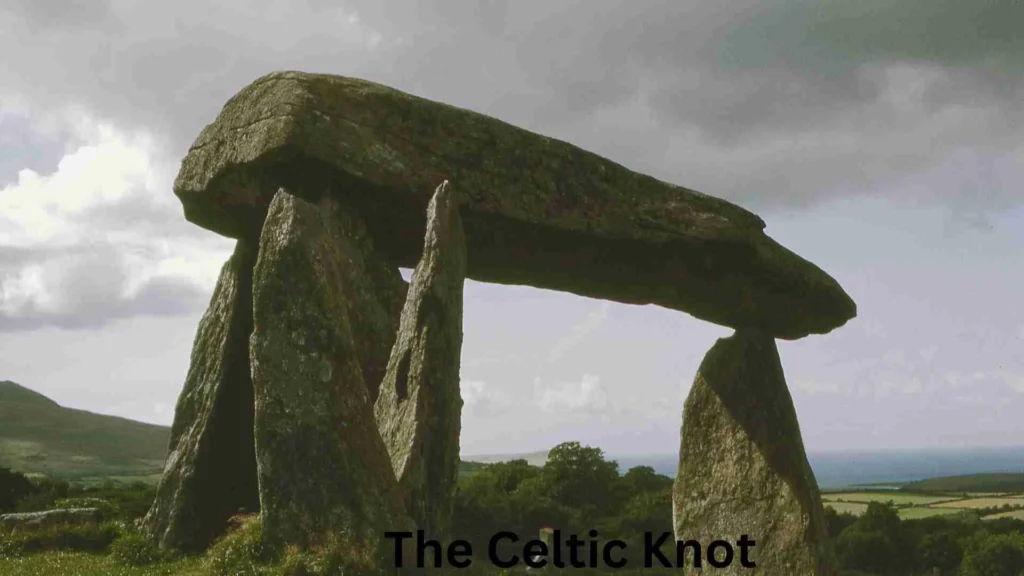
Ancient Scottish Symbolism
Although Celtic knots are found throughout Celtic cultures, they are strongly associated with Scotland.
Meaning of Celtic Knots
The endless loops symbolize:
- Eternity
- Unity
- Spiritual connection
- The cycle of life
Their intricate designs continue to inspire modern art, jewelry, and tattoos.
The Scottish Sword and Claymore
Warrior Heritage
The Claymore is a traditional Scottish sword associated with Highland warriors.
Symbolic Meaning
The Claymore represents:
- Bravery
- Honor
- Protection
- Resistance
Many museums and historical sites display these swords as reminders of Scotland’s military past.
The Stag in Scottish Culture
The red deer stag appears frequently in Scottish art and folklore.
Symbolism of the Stag
The stag often represents:
- Nobility
- Leadership
- Wisdom
- Strength
In the Highlands, sightings of majestic stags are considered memorable experiences.
Scottish Symbols in Folklore and Legends
Scotland’s rich storytelling tradition has helped preserve many symbols.
Popular legends include:
- The Loch Ness Monster
- Fairy folk
- Selkies (seal people)
- Kelpies (water spirits)
- Warrior heroes
These stories add mystery and depth to Scotland’s cultural identity.
Scottish Symbols and Tourism
Scottish symbols play a major role in attracting visitors.
Tourists often seek experiences involving:
- Historic castles
- Clan heritage
- Highland Games
- Traditional music
- National symbols
These cultural icons help support Scotland’s tourism economy and preserve local traditions.
Scottish Symbols in Modern Society
Today, Scottish symbols appear everywhere.
Examples include:
Sports
National teams proudly display symbols such as:
- The thistle
- The Saltire
- The Lion Rampant
Fashion
Tartan remains popular in:
- Clothing
- Scarves
- Kilts
- Accessories
Business Branding
Many Scottish companies use national symbols to highlight their heritage and authenticity.
Benefits of Scottish Symbols for Society
Scottish symbols provide several important benefits.
Cultural Preservation
They help protect traditions and historical knowledge.
Education
Symbols make history easier to learn and remember.
Community Identity
They create a sense of belonging.
Economic Value
Tourism and cultural industries benefit from Scotland’s recognizable symbols.
International Recognition
Scottish symbols help distinguish Scotland globally.
Interesting Facts About Scottish Symbols
- The unicorn has been Scotland’s national animal for centuries.
- The Saltire is one of the world’s oldest national flags.
- More than 7,000 tartan designs have been officially recorded.
- Highland cows can survive harsh weather thanks to their thick coats.
- The thistle became a symbol of Scotland during the Middle Ages.
- White heather is traditionally considered a lucky charm.
Comparison of Major Scottish Symbols
| Symbol | Represents | Historical Importance |
| Thistle | Courage and protection | National flower |
| Saltire | National identity | National flag |
| Unicorn | Freedom and purity | National animal |
| Tartan | Clan heritage | Cultural symbol |
| Lion Rampant | Royal authority | Royal emblem |
| Bagpipes | Tradition and music | Cultural heritage |
| Heather | Good luck and love | Folklore symbol |
| Highland Cow | Rural Scotland | Agricultural heritage |
Practical Applications of Scottish Symbols
Scottish symbols are used in many practical ways:
- Family genealogy research
- Educational programs
- Cultural festivals
- Tourism promotion
- National celebrations
- Heritage preservation
- Branding and marketing
- Sporting events
Their continued use keeps Scottish culture alive for future generations.
Frequently Asked Questions
1. What is the most famous Scottish symbol?
The thistle is generally considered Scotland’s most famous national symbol.
2. Why is the unicorn Scotland’s national animal?
The unicorn was chosen because it symbolizes strength, purity, courage, and independence.
3. What does the Scottish thistle represent?
The thistle represents protection, resilience, courage, and national pride.
4. What is the meaning of the Saltire flag?
The Saltire symbolizes Scotland’s national identity and honors Saint Andrew, Scotland’s patron saint.
5. Why is tartan important in Scottish culture?
Tartan reflects clan heritage, family connections, tradition, and Scottish identity.
Conclusion
Scottish symbols are much more than decorative images or historical emblems. They tell the story of a nation shaped by courage, tradition, creativity, and resilience.
From the protective thistle and legendary unicorn to the iconic tartan and stirring sound of bagpipes, each symbol reflects a unique piece of Scotland’s cultural heritage.
These symbols continue to inspire pride among Scots and fascination among people around the world.
They connect modern generations to centuries of history, folklore, and tradition while helping preserve Scotland’s unique identity in an ever-changing world. Understanding Scottish symbols is not only a journey through history but also a way to appreciate the rich cultural legacy that makes Scotland truly unforgettable.

Clara Miles
Hello! I’m Clara, a lifelong dreamer who finds magic in everyday moments. Writing has always been my way of exploring the world and understanding the people around me. I love creating stories that make readers laugh, cry, and reflect on life’s little surprises. When I’m not writing, you can usually find me sipping coffee at a cozy café or wandering through nature with a notebook in hand. My journey as an author is fueled by curiosity, imagination, and a love for connecting with my readers. Every story I write is a piece of my heart, and I hope it inspires yours too.
Books:
-
Whispers of the Heart
-
Shadows and Sunlight