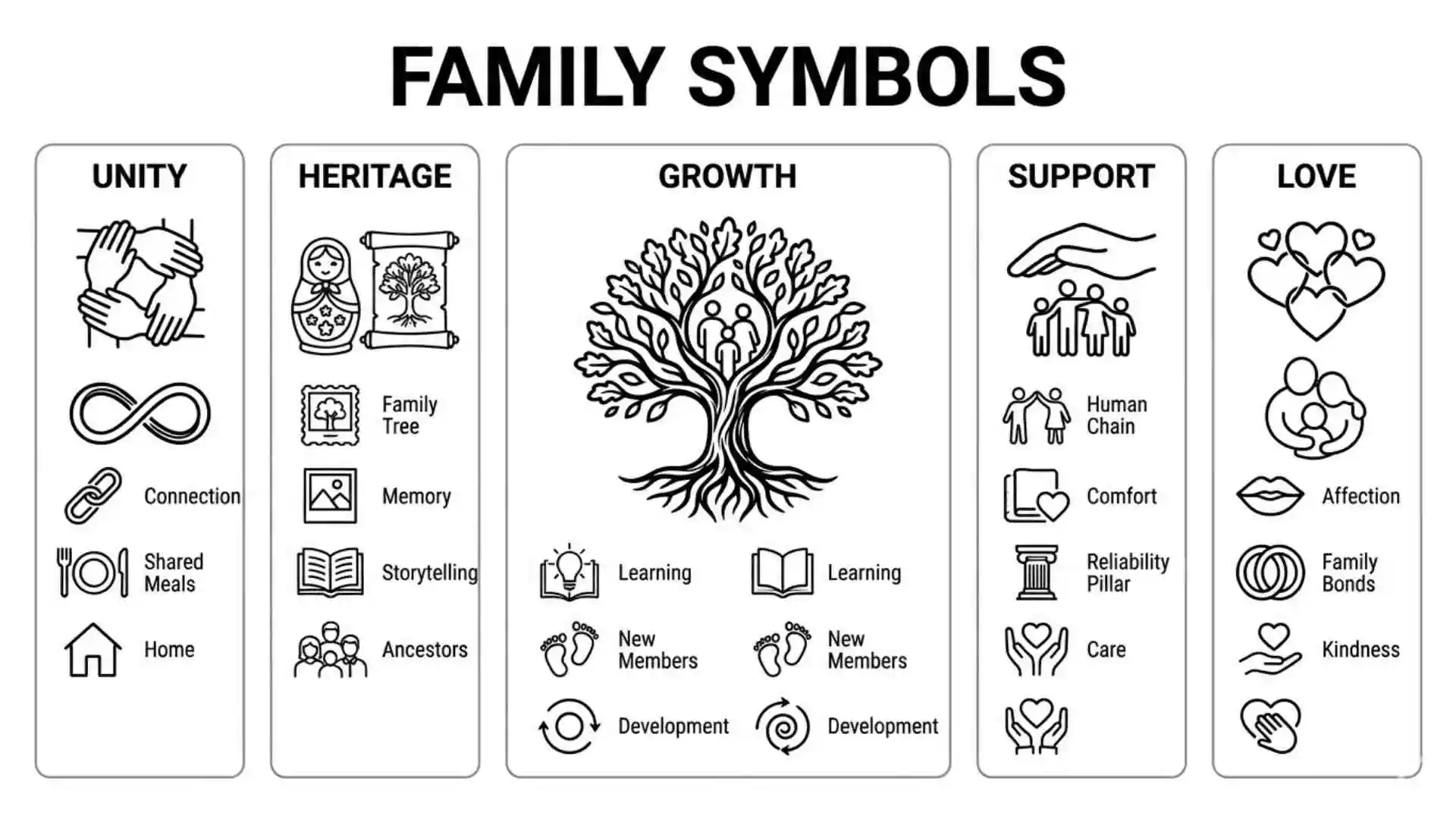
Family symbols represent love, unity, protection, heritage, and emotional connection between relatives and generations.
From ancient tribal signs to modern tattoos and jewelry, family symbols have always carried deep emotional meaning.
These symbols help people express loyalty, identity, and the strong bonds that connect families together.
In simple words, family symbols are visual signs or objects that represent family relationships, strength, and togetherness. People use them in art, tattoos, jewelry, home decor, religion, and cultural traditions.
Some symbols are ancient, while others became popular in modern times through social media and personal storytelling.
Family symbols matter because they remind people where they come from, who supports them, and the emotional roots that shape their lives.
What Are Family Symbols?
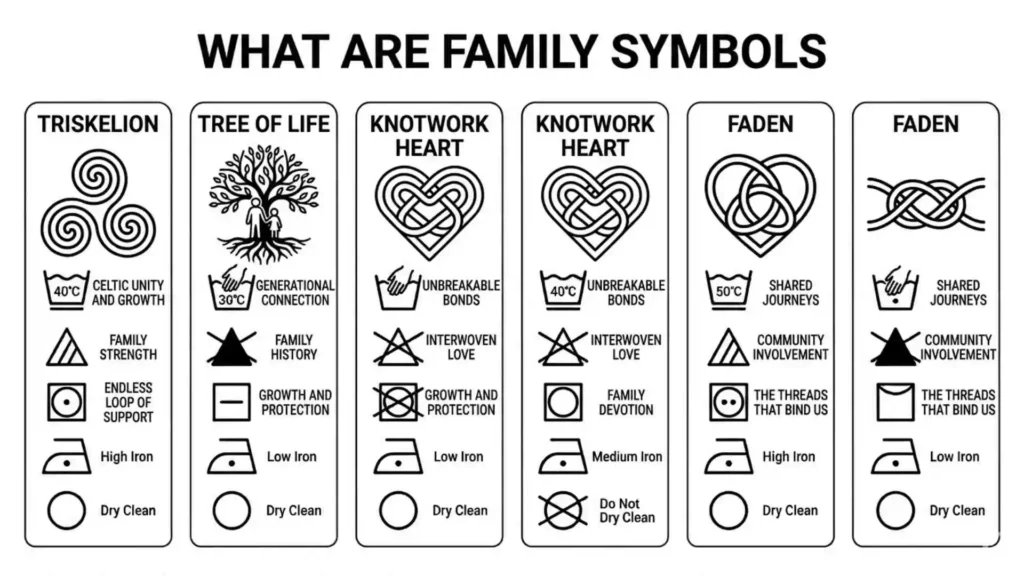
Family symbols are images, patterns, objects, or signs that represent family connections and shared identity. Different cultures use different symbols, but the main idea stays the same: unity, love, and belonging.
These symbols can represent:
- Parents and children
- Ancestors and heritage
- Protection and loyalty
- Strength through unity
- Generational connection
Some family symbols are spiritual, while others are artistic or cultural.
Aesthetic Symbols for Families
Aesthetic family symbols can express love, togetherness, and shared memories in a beautiful and meaningful way. These symbols are often used in tattoos, jewelry, home décor, artwork, or social media designs. Popular choices include family trees, intertwined hearts, infinity symbols, matching stars, birds, and simple initials. You can choose a symbol based on your family’s story, personality, or the feeling you want it to represent.
Symbols for Family Love
Symbols for family love represent the deep affection, care, and emotional bond shared between family members. Hearts, intertwined circles, infinity signs, linked hands, flowers, and family trees are common choices. A heart may represent unconditional love, while an infinity symbol can suggest a bond that continues through all stages of life. These symbols can be especially meaningful when used in personalized gifts or family tattoos.
Symbols for Family and Strength
Some family symbols focus not only on love but also on the strength and resilience of family bonds. The oak tree, mountain, lion, anchor, shield, and family tree can all be meaningful choices. An oak tree may suggest stability and endurance, while a mountain can represent overcoming challenges together. These symbols remind families that support and unity can provide strength during difficult times.
Meaningful Symbols for Family
Meaningful symbols for family can be simple or highly personal. A family tree can represent roots and generations, while a circle can symbolize unity and belonging. Matching stars may represent family members who continue to guide and support one another, while birds can suggest freedom, love, and staying connected despite distance. The most meaningful family symbol is often one connected to a shared memory, tradition, or personal story.
Family Symbols and Meanings
Family symbols come in many forms, and their meanings can vary depending on culture and personal interpretation. However, most family symbols represent important values such as love, unity, loyalty, protection, strength, and togetherness.
Some symbols represent the idea that family members remain connected even when they live far apart. Others focus on generations, roots, and the strength that comes from supporting one another.
Popular family symbols often include:
- Trees representing roots and generations
- Circles representing unity and eternity
- Hearts representing unconditional love
- Elephants representing loyalty and strong family bonds
- Wolves representing protection and teamwork
- Celtic knots representing eternal connection
The best family symbol is often one that has a personal meaning for you and your loved ones.
Family Symbols Tattoo
A family symbol tattoo can be a beautiful and permanent way to honor the people you love. Many people choose tattoos that represent their parents, children, siblings, or the entire family.
Popular family tattoo symbols include family trees, hearts, infinity signs, matching symbols, and meaningful cultural designs. Some people also combine symbols with names, dates, or short quotes.
A family tattoo does not have to be large or complicated. Even a small and simple design can carry a powerful emotional meaning.
Before choosing a tattoo, think about what family means to you. For some people, it represents protection. For others, it means love, strength, sacrifice, or a connection that lasts forever.
Symbols That Represent Family Love
Symbols that represent family love usually focus on emotional connection, care, and loyalty. These symbols remind us that family relationships can provide support during both happy and difficult times.
The heart is one of the most recognizable symbols of love. When used with multiple hearts, it can represent the love shared between family members.
The infinity symbol is another popular choice because it represents a bond without an end. Many families use it to show that their love continues throughout life.
Other meaningful symbols of family love include:
- Interlocking circles
- Parent and child figures
- Birds flying together
- Linked hands
- A family tree
- Celtic knots
These symbols can be used in tattoos, jewelry, artwork, greeting cards, and personal designs.
Family Symbols Drawing
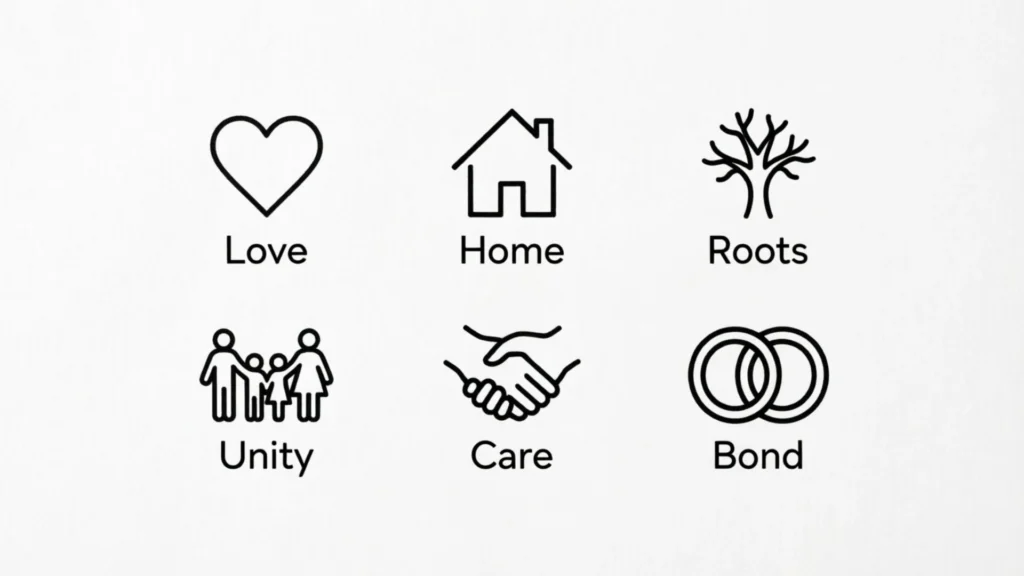
A family symbols drawing is a creative way to express the meaning of family through art. You can create a simple or detailed drawing depending on your style and purpose.
One popular idea is drawing a tree with strong roots and many branches. The roots can represent ancestors, while the branches represent children and future generations.
Another simple idea is to draw several figures holding hands inside a circle. This can symbolize unity, protection, and togetherness.
You can also create family symbol drawings using:
- Hearts connected together
- Animals with their young
- A house representing home and belonging
- Hands joined together
- Circles surrounding family members
A family drawing becomes even more meaningful when you add personal details that represent your own family’s story.
What Represents a Family?
A family can be represented by many symbols that express love, unity, protection, belonging, and shared history. Common examples include a family tree, interlocking circles, a heart, a home, and hands held together. The best symbol often depends on what family means to a person and the values they want it to represent.
What Symbol Represents Family?
There is no single universal symbol that represents every family. However, the family tree is one of the most recognizable symbols because its roots can represent ancestors, while its branches represent children and future generations. Hearts, houses, rings, and intertwined figures can also symbolize family love, security, and togetherness.
Family Symbol Meaning
Family symbols often carry meanings connected with love, unity, loyalty, protection, roots, and belonging. For example, a tree can represent family roots and generations, while a home can represent safety and a place where people belong. Understanding the meaning behind a symbol can make it more personal when used in jewelry, artwork, tattoos, or home décor.
Meaningful Symbols for Family
Some of the most meaningful symbols for family include the family tree, heart, home, infinity symbol, Celtic knot, linked circles, and hands. Each can express a different part of family life. A tree may focus on heritage, while an infinity symbol can suggest everlasting love and an unbreakable family bond.
What Are Some Symbols That Represent Family?
Many symbols can represent family, depending on culture and personal experience. Some popular choices include:
- Family tree: heritage, ancestry, and generations
- Heart: love and emotional connection
- Home: safety, comfort, and belonging
- Infinity symbol: lasting or endless family love
- Celtic knot: interconnectedness and continuity
- Linked circles: unity and close relationships
- Hands: support, care, and protection
Symbols That Represent Family
Symbols that represent family can be simple, traditional, cultural, or deeply personal. A family tree is especially meaningful for showing connections between generations, while a heart may be better for expressing love and affection. Choosing a family symbol is often less about finding one “correct” image and more about finding one that reflects your family’s story.
Symbolism for Family
The symbolism of family usually centers on connection, roots, unconditional love, protection, and belonging. Family-related symbols can remind people of where they come from, the people who support them, and the relationships they hope to preserve. Their meaning can also change across cultures and individual families, so personal context matters.
Sign Picture: Family Symbols and Their Meanings
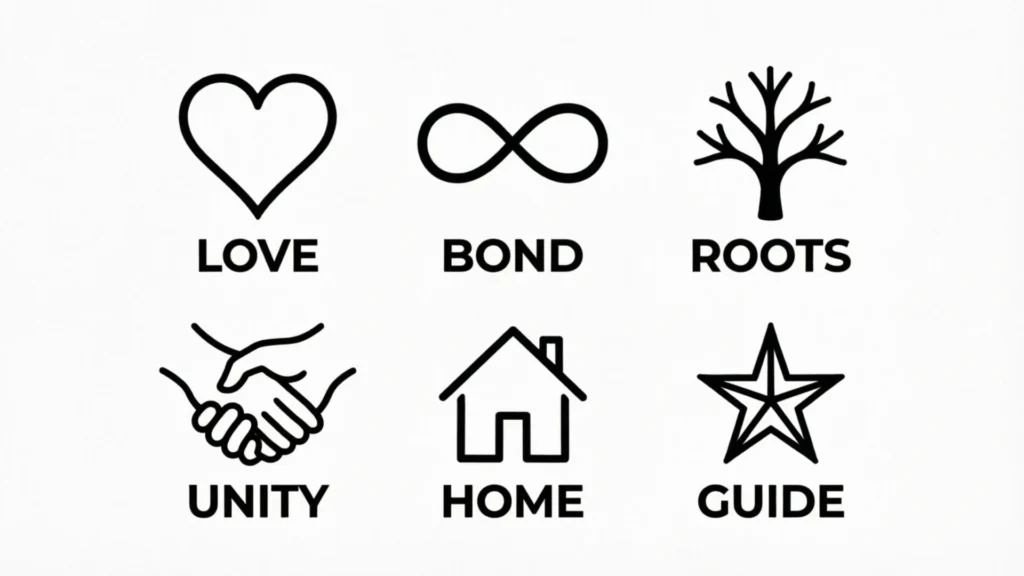
If you want to include a sign picture in the article, a visual guide can show several family symbols together with their meanings. For example, you could feature a family tree for ancestry, a heart for love, a home for security, and an infinity symbol for an enduring bond. This makes the topic easier for readers to understand at a glance.
Quick Guide to Family Symbols
| Symbol | Common Meaning |
| Family Tree | Roots, ancestry, generations |
| Heart | Love and affection |
| Home | Safety and belonging |
| Infinity | Lasting connection |
| Celtic Knot | Continuity and interconnectedness |
| Linked Circles | Unity and togetherness |
| Hands | Care, support, and protection |
Symbols for Families
Family symbols can express love, unity, loyalty, belonging, and the lasting connection between relatives. Different cultures use different objects, shapes, plants, and animals to represent the idea of family. Some symbols focus on togetherness, while others highlight heritage, support, and the bond between generations.
What Is the Symbol of the Family?
There is no single universal symbol of the family. Trees, hearts, intertwined circles, family crests, and linked figures are often used to represent family relationships. The best symbol depends on the meaning you want to express, such as love, unity, ancestry, protection, or lifelong connection.
Symbol for Protection of Family
Symbols of protection are often chosen to represent safety, strength, and the desire to keep loved ones secure. Protective symbols may include guardian animals, shields, protective hands, or meaningful cultural and spiritual designs. Their meaning can vary depending on personal beliefs and cultural traditions.
What Represents Family?
Many things can represent family, including a family tree, home, heart, wedding ring, intertwined branches, or a circle. A family tree is especially meaningful because its roots can represent ancestors, while its branches symbolize children and future generations.
A Symbol That Represents Family
A meaningful family symbol can be something simple but personal. A tree can represent growth and generations, a circle can symbolize unity and completeness, and a heart can express love and emotional closeness. Personal symbols can also combine names, initials, birth flowers, or meaningful dates.
Symbol for Protector of Family
A protector-of-family symbol often represents courage, responsibility, loyalty, and care. Animals such as bears, lions, wolves, and elephants are sometimes chosen for this meaning because they are associated with guardianship and strong family bonds. The exact meaning can differ across cultures and individual interpretations.
A Symbol for Family
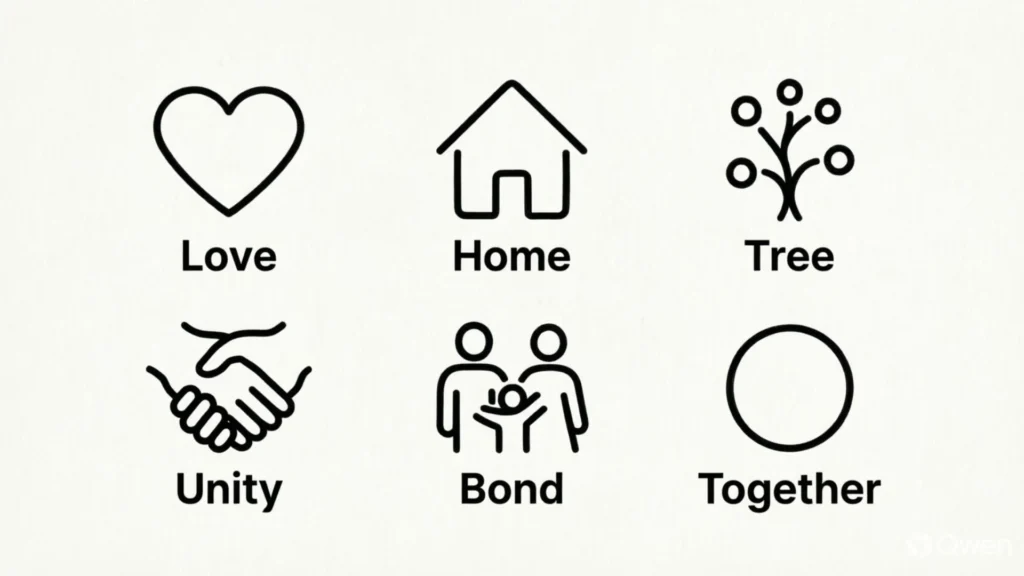
A symbol for family does not have to follow one traditional design. It can be a meaningful object, animal, plant, shape, or custom that reminds people of their loved ones. For some families, a shared symbol becomes a way to celebrate their history, identity, and connection.
Family Symbols and Their Meanings
Different family symbols can communicate different ideas. A tree may suggest ancestry and growth, a heart can represent love, linked circles can suggest unity, and a home can symbolize safety and belonging. Understanding the meaning behind each symbol can help you choose one that fits your family story.
Tattoo Meanings: Symbols for Families
Family tattoos are often chosen as permanent reminders of love, loyalty, remembrance, and togetherness. Popular ideas include family trees, initials, names, birth flowers, infinity designs, hearts, animals, and symbolic dates. The meaning of a family tattoo is personal, so the design can be customized to reflect a particular relationship or family story.
Beautiful Family Symbols
Beautiful family symbols often combine a meaningful message with an attractive design. The beauty of a symbol does not always come from its complexity. Sometimes, a simple design can express deep emotions.
A tree of life is considered one of the most beautiful symbols associated with family. Its roots and branches create a powerful image of connection between generations.
Flowers can also represent family love and growth. Different flowers may symbolize care, loyalty, remembrance, and affection.
Other beautiful family symbols include the infinity sign, Celtic designs, birds, hearts, and connected circles.
When choosing a beautiful family symbol, consider both its appearance and its meaning. The most special symbol is usually one that feels personally connected to your family.
Unique Symbols for Family Tattoos
If you want something different from a traditional heart or family tree, there are many unique symbols for family tattoos to consider.
A unique tattoo can represent your family’s personality, history, traditions, or shared experiences. For example, a group of animals may represent different members of the family.
Some creative family tattoo ideas include:
- A constellation representing family members
- Matching geometric designs
- A compass representing guidance and direction
- Fingerprint-inspired artwork
- Interconnected lines representing relationships
- Meaningful symbols from a family’s heritage
You can also create a completely custom symbol by combining different elements. This gives your tattoo a personal meaning that belongs only to your family.
Family Symbol Images
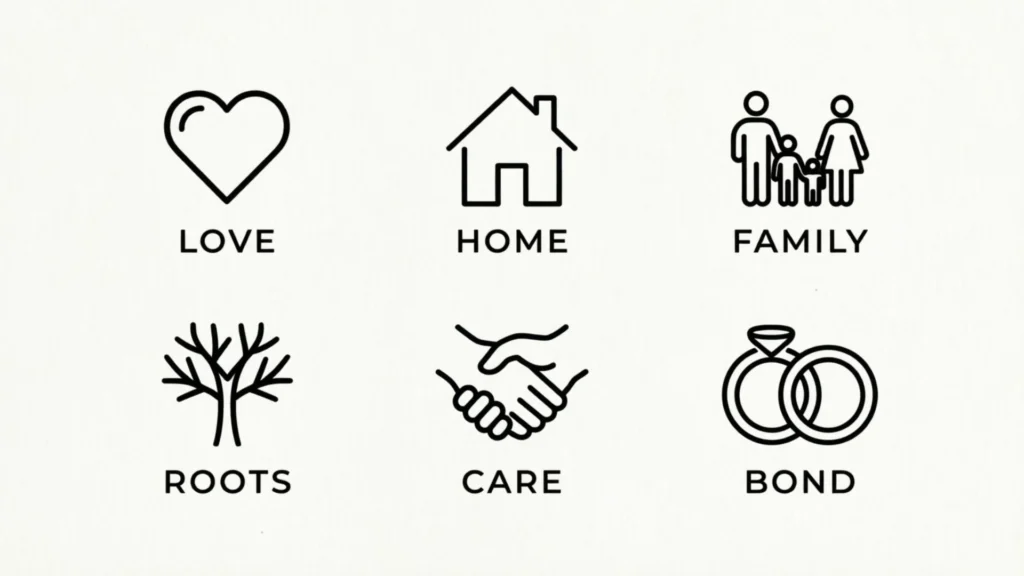
Family symbol images can provide inspiration for tattoos, artwork, jewelry, and personal designs. Looking at different visual styles can help you discover which symbols best represent your family’s values.
Some images may show traditional cultural symbols, while others use modern and minimalist designs. Family tree images, connected hearts, animal families, and circular designs are especially popular.
When choosing family symbol images for inspiration, remember that the meaning behind a symbol is often more important than its appearance alone.
You can also personalize an image by adding names, initials, important dates, or elements connected to your family’s memories.
Ancient Symbols for Family
Ancient symbols for family often reflect ideas of ancestry, protection, unity, and the continuation of generations. Many old cultures placed great importance on family connections and the relationship between ancestors and future generations.
The tree has been used in many traditions as a symbol of life, roots, growth, and generations. Its structure naturally represents how a family grows from one generation to another.
Ancient knot designs are also associated with continuous connection because their lines may appear to have no clear beginning or end.
However, it is important to understand the original cultural meaning of an ancient symbol before using it as a tattoo or decoration. Some symbols have religious, spiritual, or historical significance that should be respected.
Ancient family symbols can be especially meaningful for people who want to connect their modern family identity with history, heritage, and tradition.
Why Family Symbols Are Important
Family symbols hold emotional value because they connect people to their roots and personal history.
They help people:
- Feel emotionally connected
- Preserve cultural traditions
- Remember loved ones
- Celebrate family identity
- Pass values between generations
Even simple symbols can carry powerful memories and emotional meaning.
For example, a grandmother’s necklace, a family crest, or a matching tattoo may become a meaningful family symbol over time.
The History of Family Symbols
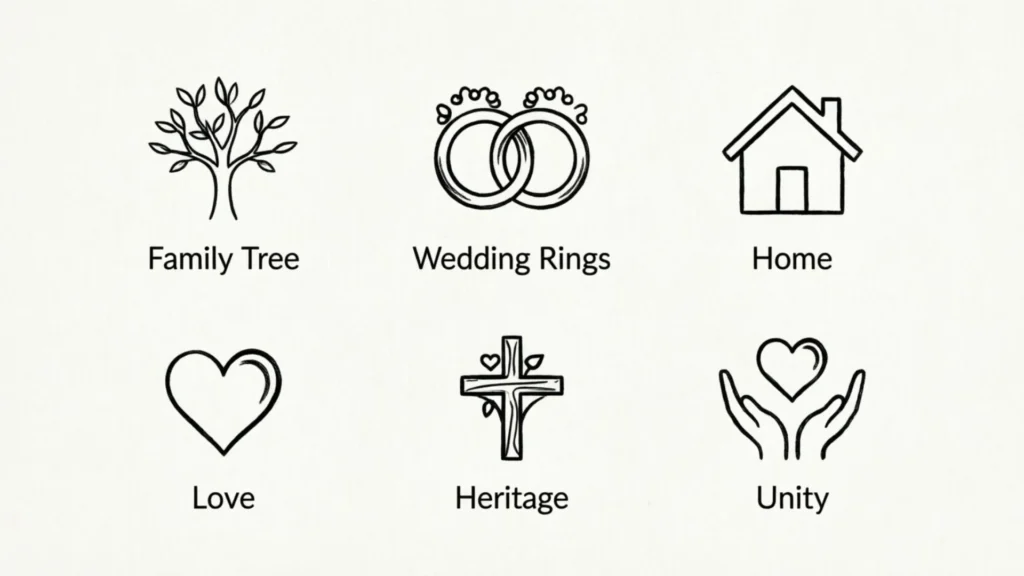
Family symbols have existed for thousands of years.
These symbols appeared on:
- Flags
- Shields
- Clothing
- Jewelry
- Buildings
- Religious objects
In medieval Europe, noble families used family crests and coats of arms to represent honor, status, and ancestry.
In many Indigenous cultures, symbols were connected to animals, nature, and spiritual beliefs.
Over time, family symbols evolved from official markings into emotional and personal expressions of connection.
Popular Family Symbols and Their Meanings
Tree of Life
The Tree of Life is one of the most recognized family symbols in the world.
It represents:
- Growth
- Strength
- Family roots
- Generations
- Connection between life and nature
The branches symbolize future generations, while the roots represent ancestors and heritage.
Many people use the Tree of Life in tattoos, necklaces, and home decor.
Celtic Knot
The Celtic Knot symbolizes eternity, loyalty, and endless connection.
Because the knot has no beginning or end, it represents:
- Eternal love
- Unbreakable family bonds
- Unity across generations
This symbol is especially popular in Irish and Celtic traditions.
Family Crest
A family crest is a traditional symbol connected to ancestry and identity.
Historically, noble families used crests to show:
- Family pride
- Social status
- Honor
- Loyalty
Today, many people research their family crest to learn about their ancestry and heritage.
Infinity Symbol
The infinity symbol represents endless love and connection.
Families often use it to symbolize:
- Eternal support
- Lifelong loyalty
- Unbreakable emotional bonds
It is very popular in jewelry and matching family tattoos.
Elephant Symbol
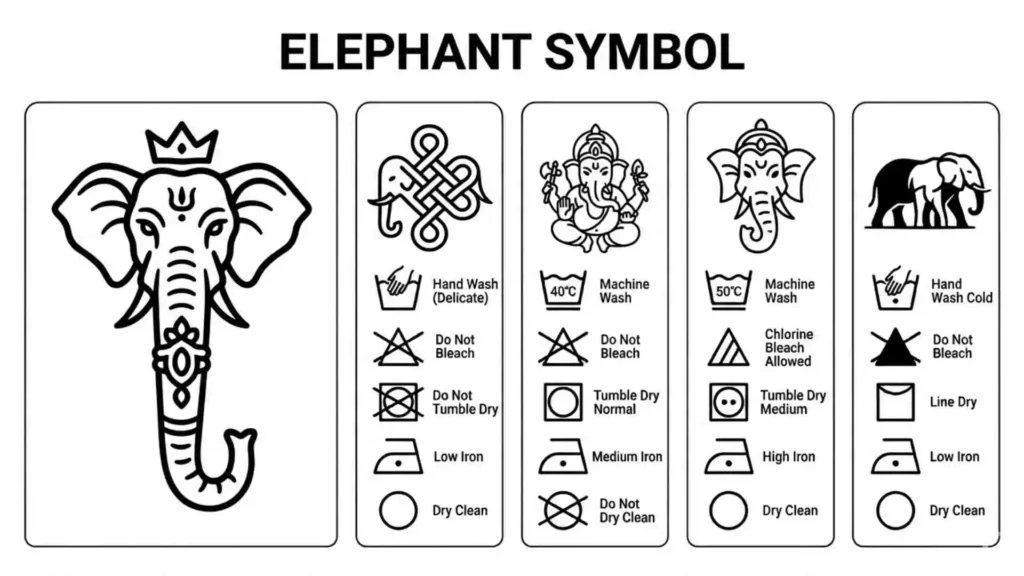
In many Asian and African cultures, elephants symbolize:
- Family protection
- Wisdom
- Strength
- Loyalty
Elephants are known for strong family groups and caring behavior toward their young.
Wolf Symbol
Wolves often symbolize:
- Loyalty
- Teamwork
- Protection
- Strong family structure
Wolf family symbolism appears in many tribal legends and spiritual traditions.
Circle Symbol
A circle represents unity and wholeness.
In family symbolism, it often means:
- Togetherness
- Protection
- Eternal connection
- Shared support
Because circles have no ending point, they symbolize endless love.
Family Symbols in Different Cultures
Native American Family Symbols
- Animals
- Nature
- Spiritual guardians
- Clan identity
Common symbols included bears, wolves, turtles, and eagles.
These symbols represented family roles, protection, and survival.
Chinese Family Symbols
Chinese culture highly values family honor and ancestry.
Popular symbols include:
- Dragons for strength
- Bamboo for resilience
- Phoenix for harmony
- The double happiness symbol for family joy
Family traditions and ancestral respect remain deeply important in Chinese culture.
African Family Symbols
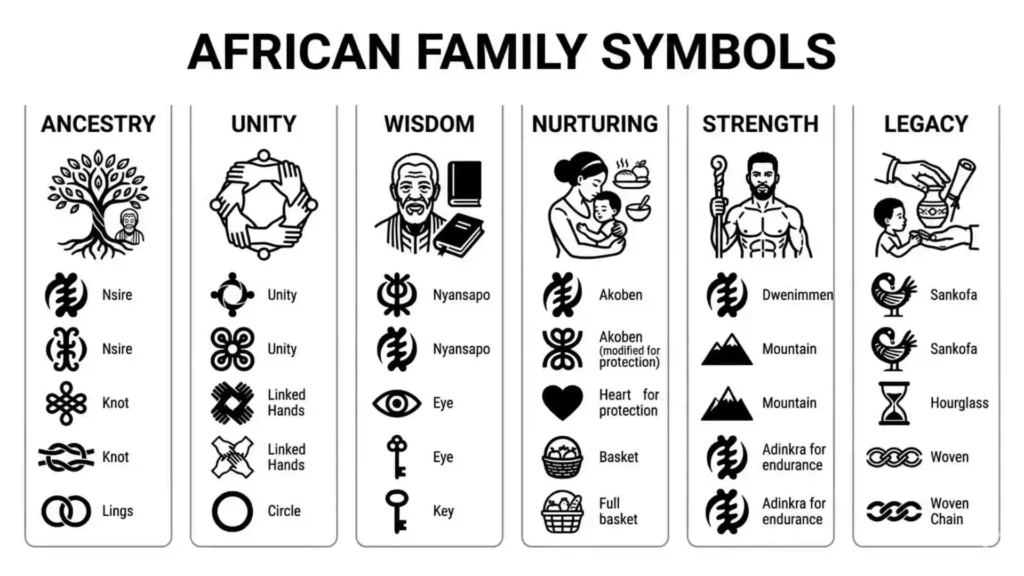
African cultures often use symbolic patterns and tribal signs to represent:
- Community
- Heritage
- Protection
- Family unity
Adinkra symbols from West Africa are famous examples of meaningful family symbolism.
Celtic Family Symbols
Celtic traditions strongly focus on connection and eternity.
Popular Celtic family symbols include:
- Trinity knots
- Celtic spirals
- Tree of Life symbols
These designs represent continuity and spiritual connection between generations.
Family Symbols in Religion
Christianity
Christian family symbols often include:
- The cross
- Doves
- Olive branches
- Hearts
These represent:
- Faith
- Peace
- Love
- Protection
Hinduism
Hindu family symbolism often connects to:
- Lotus flowers
- Sacred animals
- Om symbols
- Spiritual balance
Family relationships are deeply respected in Hindu traditions.
Buddhism
Buddhist family symbols often focus on:
- Harmony
- Peace
- Compassion
- Spiritual growth
The lotus flower is especially meaningful because it represents purity and growth through challenges.
Family Symbols in Tattoos
Family symbol tattoos have become extremely popular because they allow people to carry emotional meaning permanently.
Popular family tattoo ideas include:
- Trees
- Names
- Infinity signs
- Matching symbols
- Dates of birth
- Hearts
- Animals
People often choose tattoos to honor parents, children, grandparents, or siblings.
Modern Uses of Family Symbols
Today, family symbols appear everywhere, including:
- Jewelry
- Home decoration
- Social media art
- Wedding designs
- Tattoos
- Clothing
- Memorial gifts
Many people create personalized family symbols that combine names, initials, and meaningful objects.
Emotional Meaning Behind Family Symbols
Family symbols often represent deep emotions such as:
- Love
- Security
- Identity
- Comfort
- Belonging
- Loyalty
During difficult times, these symbols can provide emotional strength and comfort.
For example, someone may wear a necklace connected to a loved one who passed away. The object becomes more than jewelry—it becomes emotional support.
Family Symbols and Storytelling
Throughout history, symbols helped families tell stories before written language became common.
Symbols preserved:
- Family achievements
- Spiritual beliefs
- Traditions
- Historical memories
Even today, symbols help families pass stories and values to younger generations.
Interesting Facts About Family Symbols
- The Tree of Life appears in many different religions and cultures worldwide.
- Ancient Romans used family symbols on shields and coins.
- Viking families used runes and animal symbols for protection.
- Family crests became especially popular during the Middle Ages.
- Modern DNA ancestry services increased interest in family heritage symbols.
Benefits of Family Symbols in Society
Family symbols provide emotional and cultural value to society.
They Preserve Culture
Symbols help protect traditions and historical identity.
They Strengthen Emotional Bonds
Shared symbols can make family relationships feel stronger and more meaningful.
They Encourage Unity
Family symbols remind people of support, connection, and belonging.
They Teach History
Children often learn about heritage and ancestry through symbols and traditions.
How to Choose a Family Symbol
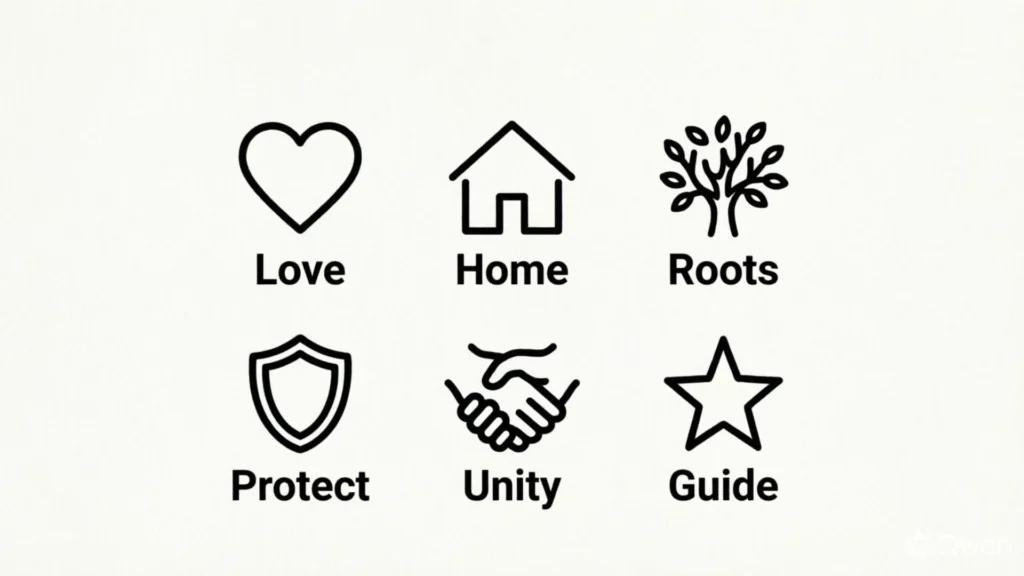
When choosing a family symbol, people often think about:
- Cultural background
- Personal memories
- Family values
- Spiritual beliefs
- Shared experiences
The most meaningful symbols usually connect emotionally rather than simply looking attractive.
Family Symbols in Art and Media
Movies, books, and television often use family symbols to represent identity and emotional connection.
Examples include:
- Royal family crests in fantasy stories
- Matching necklaces in emotional dramas
- Animal symbols representing family loyalty
These visual symbols help audiences connect emotionally with characters and stories.
Legends and Stories About Family Symbols
The Celtic Tree Legend
Ancient Celtic legends believed trees connected the human world with the spiritual world. Families gathered near sacred trees for protection and wisdom.
The Elephant Family Story
In many African stories, elephants symbolize family loyalty because they protect and guide younger members of the herd.
Wolves in Tribal Legends
Some Native American legends viewed wolves as teachers of loyalty, teamwork, and family unity.
How Social Media Changed Family Symbols
Platforms like Instagram, Pinterest, and TikTok helped family symbolism become more personal and creative.
People now share:
- Matching family tattoos
- Personalized jewelry
- Family logo designs
- Heritage storytelling videos
This trend helped younger generations reconnect with family identity and traditions.
Common Mistakes About Family Symbols
Assuming Every Symbol Has One Meaning
Many symbols have different meanings depending on culture and tradition.
Ignoring Cultural Respect
Some sacred symbols should be used carefully and respectfully.
Choosing Symbols Only for Style
The strongest family symbols usually carry emotional meaning, not just visual beauty.
FAQs About Family Symbols
What is the most common family symbol?
The Tree of Life is one of the most popular family symbols because it represents growth, roots, and generations.
Why do people use family symbols?
People use family symbols to express love, identity, loyalty, and emotional connection with relatives and ancestors.
Are family symbols cultural?
Yes. Many family symbols come from cultural, spiritual, and historical traditions around the world.
What animal symbolizes family?
Common family animals include elephants, wolves, bears, and lions because they represent protection and loyalty.
Can I create my own family symbol?
Yes. Many people create personalized family symbols using names, initials, meaningful objects, or cultural elements.
Conclusion
Family symbols are much more than decorative images. They carry stories, emotions, traditions, and memories that connect generations together. Whether found in ancient cultures, spiritual traditions, tattoos, jewelry, or modern art, these symbols remind people of love, loyalty, and belonging.
In a fast-moving world, family symbols help people stay connected to their roots and emotional identity. They preserve history, strengthen relationships, and give meaning to personal experiences.
Sometimes a simple symbol can say more about love and connection than words ever could.

Isaac Wellington
I’ve always been fascinated by the hidden stories in everyday life and the power of words to change how we see the world. Writing, for me, isn’t just a profession—it’s a way to explore human emotions, mysteries, and the unexpected twists of life. Over the years, I’ve dedicated myself to creating stories that linger in your mind long after the last page. When I’m not writing, you’ll usually find me wandering through old libraries or sketching ideas in a notebook. I believe every story has a heartbeat, and I aim to capture that rhythm in my work. Join me on a journey where imagination meets reality, and the ordinary becomes extraordinary.
Books:
-
Shadows of the Forgotten
-
Whispers Through Time