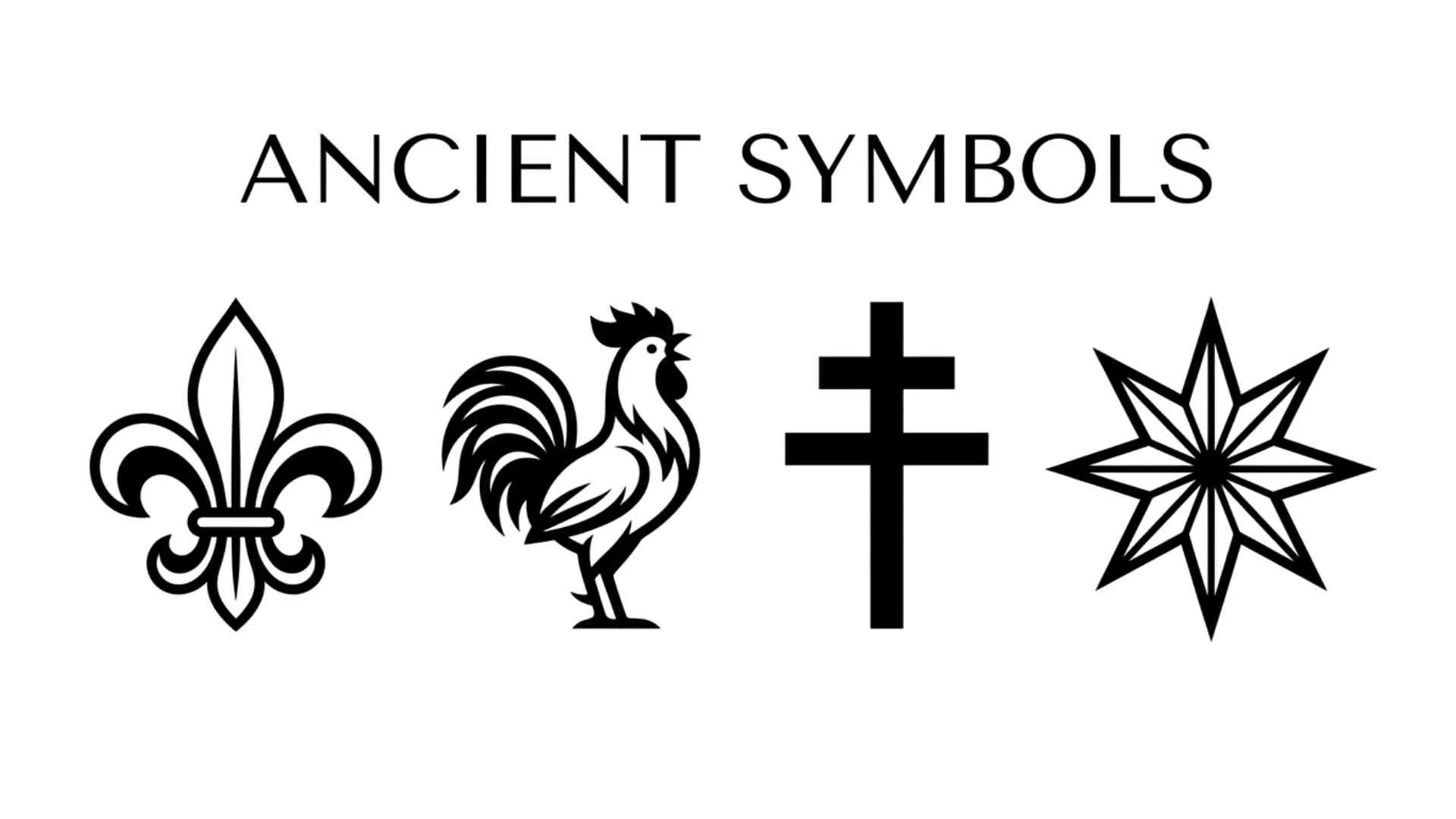
Ancient symbols are visual signs created by early civilizations to represent ideas, beliefs, natural forces, and spiritual concepts.
In short, ancient symbols helped people communicate before modern languages developed and allowed cultures to record knowledge, express faith, and pass traditions from one generation to another.
These symbols continue to inspire art, science, and culture even today.
What Are Ancient Symbols?
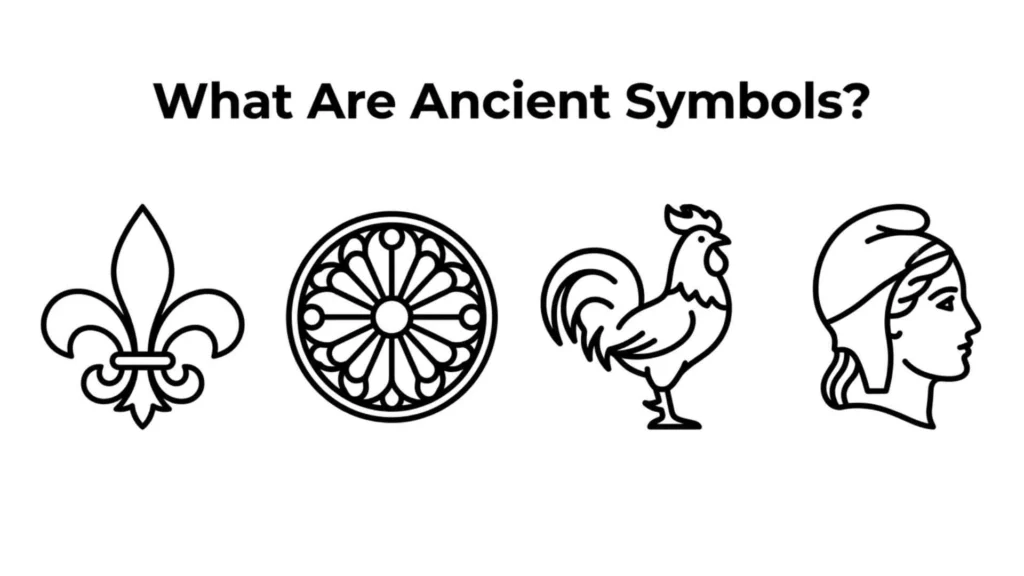
Ancient symbols are visual representations used thousands of years ago to convey meanings beyond words. Unlike modern alphabets, many ancient symbols represented ideas, objects, emotions, or spiritual beliefs rather than simple sounds.
These symbols appeared in:
- Rock carvings
- Temple walls
- Pottery
- Jewelry
- Sacred texts
- Coins and seals
Ancient symbols served as a powerful tool for communication and storytelling in early human societies.
Ancient symbols and meanings
Ancient symbols served as visual representations of ideas that were difficult to explain with words. The sun symbolized life and renewal in many cultures, while circles often represented eternity and unity. The lotus flower reflected spiritual growth in Eastern traditions, and spirals were connected to the cycles of nature and human existence.
These symbols continue to inspire modern generations because they connect people with history, mythology, and universal human experiences.
Ancient symbols tattoos
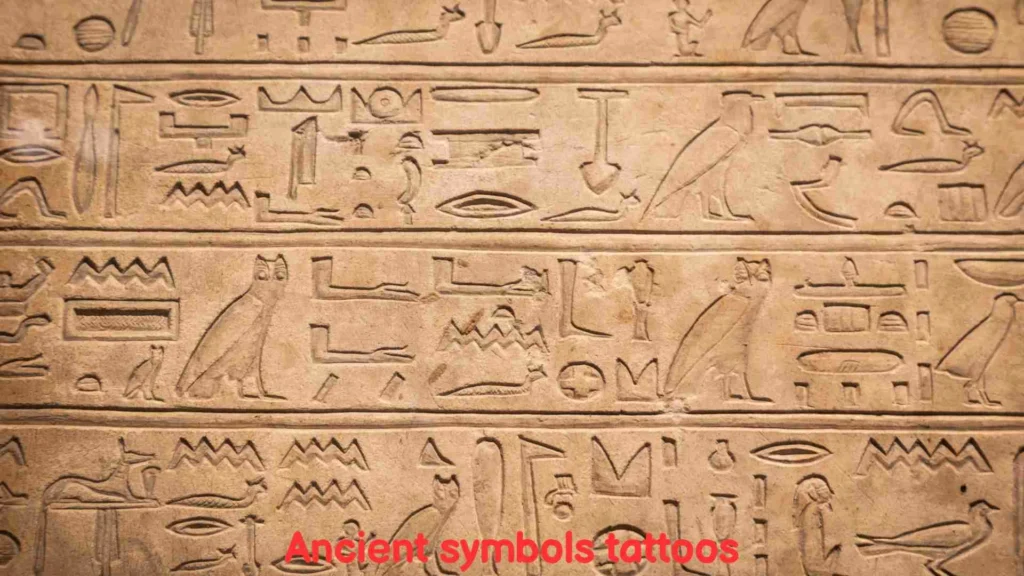
Ancient symbols have become popular tattoo choices because they carry personal and spiritual significance. Rather than choosing designs purely for aesthetics, many individuals select symbols that represent strength, protection, wisdom, or transformation.
Common ancient tattoo symbols include:
- The Ankh for life and immortality.
- The Triquetra for interconnectedness and eternity.
- The Ouroboros for renewal and endless cycles.
- The Hamsa for protection and positive energy.
- The Celtic Knot for unity and everlasting bonds.
Choosing an ancient symbol tattoo often reflects an individual’s values, heritage, or spiritual journey.
Powerful ancient symbols and meanings
Throughout history, certain symbols have been associated with extraordinary power and influence.
The Ankh: Represented eternal life in ancient Egyptian culture.
The Phoenix: Symbolized rebirth, resilience, and rising after hardship.
The Tree of Life: Illustrated the connection between heaven, earth, and humanity.
The Eye Symbol: Frequently linked to wisdom, awareness, and spiritual protection.
The Dragon: In many ancient traditions, dragons embodied strength, authority, and divine energy.
These powerful symbols remain relevant because they communicate timeless lessons about courage, transformation, and purpose.
Ancient symbols and meanings with pictures
Visual representations help people understand the deeper significance behind ancient symbols. While meanings vary across civilizations, the imagery itself often communicates universal ideas.
For example:
- Circular designs commonly symbolize wholeness and infinity.
- Interwoven patterns represent unity and continuity.
- Wings are connected to freedom and transcendence.
- Sacred geometric forms reflect balance and cosmic order.
Studying ancient symbols through images allows people to appreciate both their artistic beauty and historical importance.
Ancient symbols letters
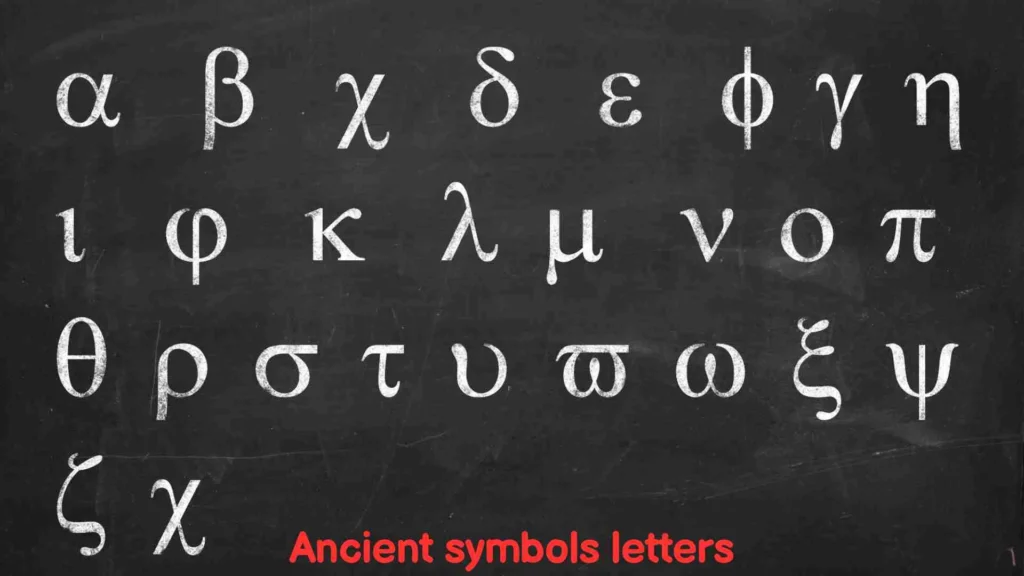
Ancient letters were more than writing systems; many carried symbolic and spiritual meanings. Early civilizations viewed letters as sacred elements connected to knowledge and divine wisdom.
Examples include:
- Hieroglyphic characters representing concepts and objects.
- Rune symbols associated with protection, destiny, and strength.
- Ancient alphabets used in ceremonial and religious practices.
- Sacred inscriptions carved into monuments and temples.
These symbolic letters continue to fascinate historians, artists, and enthusiasts interested in ancient cultures.
Ancient symbols copy and paste
Many modern digital platforms support ancient-inspired symbols that people can copy and paste into messages, designs, or social profiles.
Examples include:
✦ ✧ ☥ ☯ ☸ ☼ ♾ ✶ ❈ ❂
Although these characters may differ from their original historical forms, they still reflect humanity’s long-standing appreciation for symbolic expression and meaningful design.
Ancient symbols pictures
Pictures of ancient symbols reveal the incredible diversity of human civilizations. Stone carvings, temple walls, manuscripts, and artifacts preserve symbols that communicated spiritual beliefs, social structures, and cultural identities.
Researchers and enthusiasts often study these visual records to understand:
- Religious traditions.
- Mythological stories.
- Political authority.
- Community values.
- Artistic development.
Ancient symbol imagery remains a bridge between the modern world and humanity’s earliest creative expressions.
Ancient symbols with deep meaning
Some ancient symbols possess meanings that extend far beyond their visual appearance. They represent philosophical ideas that continue to resonate across cultures and generations.
The spiral symbolizes growth and life’s continuous journey. The Tree of Life reflects interconnected existence. The Ouroboros teaches renewal through endings and beginnings. Sacred geometric forms demonstrate harmony within the universe.
People are drawn to these symbols because they provide a sense of identity, purpose, and connection to something larger than themselves. Their enduring relevance proves that meaningful symbols can transcend time, language, and geographical boundaries.
The Origins of Ancient Symbols
Ancient symbols began long before written languages were fully developed.
Early Human Communication
Early humans used pictures and signs to communicate ideas. These early symbols were simple but meaningful.
Examples included:
- Animal drawings on cave walls
- Symbols representing hunting tools
- Marks showing seasons or directions
These drawings were not just art—they were early forms of communication.
Development of Symbolic Systems
As societies grew, symbols became more organized.
Civilizations developed symbolic systems such as:
- Hieroglyphs in ancient Egypt
- Cuneiform symbols in Mesopotamia
- Ideographic symbols in ancient China
These systems allowed civilizations to record laws, stories, and history.
Why Ancient Symbols Were Important
Ancient symbols played a major role in shaping human civilization.
Key Reasons Ancient Symbols Were Important
- Enabled early communication
- Recorded historical events
- Preserved cultural traditions
- Represented religious beliefs
- Guided social organization
Without symbols, knowledge would have been lost over time.
Types of Ancient Symbols Across Civilizations
Different civilizations created unique symbols based on their beliefs and environments.
Egyptian Ancient Symbols
Ancient Egypt developed one of the most famous symbol systems.
Common Egyptian Symbols
- Ankh – Symbol of life
- Eye of Horus – Symbol of protection
- Scarab beetle – Symbol of rebirth
These symbols were often carved into tombs and temples.
Mesopotamian Ancient Symbols
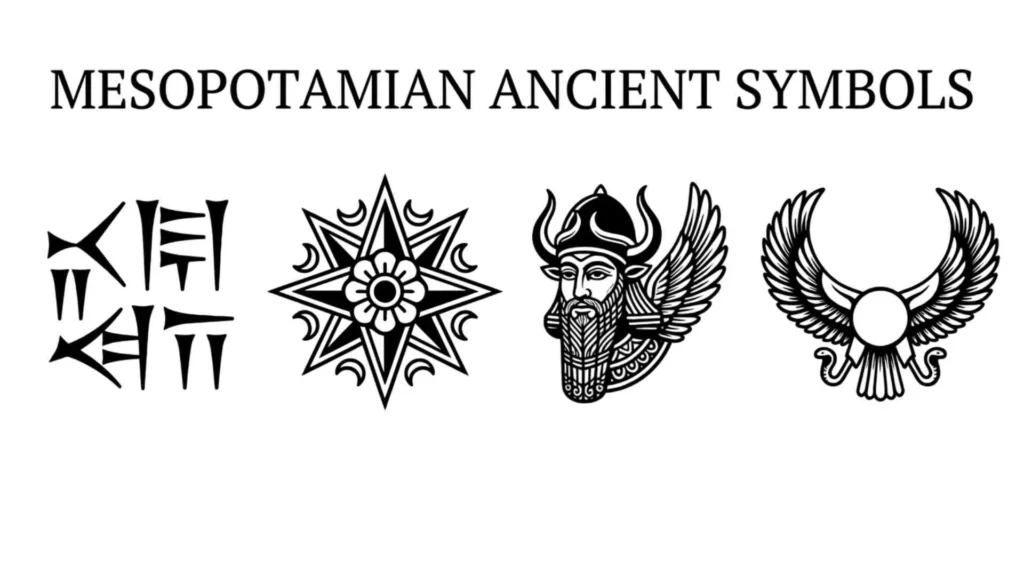
Mesopotamia used cuneiform, one of the earliest writing systems.
Features of Mesopotamian Symbols
- Wedge-shaped marks
- Used on clay tablets
- Recorded trade and laws
This system allowed early governments to function effectively.
Greek Ancient Symbols
Greek civilization used symbols in art and mythology.
Examples
- Laurel wreath – Symbol of victory
- Owl – Symbol of wisdom
- Lightning bolt – Symbol of divine power
These symbols influenced Western culture.
Roman Ancient Symbols
Romans adapted many Greek symbols.
Examples
- Eagle – Symbol of strength
- Fasces – Symbol of authority
- Olive branch – Symbol of peace
These symbols became symbols of empire and leadership.
Chinese Ancient Symbols
Ancient China created symbols based on nature and philosophy.
Examples
- Yin-Yang – Balance of opposites
- Dragon – Power and luck
- Phoenix – Renewal and rebirth
These symbols remain important in Chinese culture.
Celtic Ancient Symbols
Celtic cultures created beautiful knot patterns.
Examples
- Celtic knots – Eternity
- Spiral symbols – Growth
- Triskelion – Motion and progress
These symbols are still popular in modern art.
Native American Ancient Symbols
Native American cultures used symbols to represent nature.
Examples
- Sun symbols – Life
- Animal totems – Spiritual guidance
- Arrow symbols – Protection
These symbols connected people to the natural world.
Ancient Symbols in Religion
Religion played a major role in creating symbolic meanings.
Sacred Symbols of Faith
Many religious symbols represented divine powers.
Examples:
- Sun disks representing gods
- Sacred animals symbolizing strength
- Geometric shapes symbolizing the universe
These symbols helped believers express devotion.
Symbols of Life and Death
Ancient cultures created symbols representing life cycles.
Examples:
- Circles representing eternity
- Cross shapes representing life and sacrifice
- Tree symbols representing growth
These symbols reflected philosophical ideas about existence.
Ancient Symbols in Art and Architecture
Ancient symbols were widely used in art and buildings.
Temple Decorations
Temples often displayed symbolic carvings.
These carvings represented:
- Gods and myths
- Cosmic patterns
- Protection from evil
Pottery and Crafts
Artists decorated pottery using symbols.
These designs told stories about:
- Daily life
- Trade
- Cultural beliefs
Jewelry and Personal Items
Symbols were often worn as jewelry.
Examples:
- Protective amulets
- Symbolic rings
- Decorative pendants
These items carried personal meaning.
Practical Applications of Ancient Symbols
Ancient symbols were useful in daily life.
Communication and Record Keeping
Symbols allowed early societies to record:
- Trade transactions
- Legal agreements
- Agricultural cycles
This supported organized communities.
Navigation and Direction
Some symbols guided travelers.
Examples:
- Star symbols showing direction
- Map markings showing routes
These helped explorers travel safely.
Medicine and Healing
Ancient healers used symbolic marks.
They believed symbols could:
- Protect patients
- Represent healing energy
This combined medicine with spiritual practices.
Military and Warfare
Symbols were used in armies.
Examples:
- Shields decorated with symbols
- Flags representing groups
These symbols built unity and identity.
Impact of Ancient Symbols on Modern Society
Ancient symbols continue to influence modern life.
Influence on Modern Writing Systems
Many modern alphabets developed from ancient symbols.
Examples:
- Letters derived from pictorial marks
- Numbers evolved from early counting symbols
These developments shaped communication.
Role in Modern Art and Design
Artists often use ancient symbols for inspiration.
Examples include:
- Tattoos
- Logos
- Fashion patterns
Ancient designs remain popular worldwide.
Influence on National Identity
Many countries use ancient symbols in:
- Flags
- Emblems
- Government seals
These symbols reflect cultural heritage.
Benefits of Studying Ancient Symbols
Learning about ancient symbols offers many advantages.
Educational Benefits
Students gain:
- Historical knowledge
- Cultural awareness
- Analytical thinking skills
Understanding symbols improves learning.
Cultural Preservation
Studying symbols helps protect traditions.
It prevents loss of cultural heritage.
Creative Inspiration
Ancient symbols inspire:
- Artists
- Writers
- Designers
They provide endless creative ideas.
Legends and Stories Behind Ancient Symbols
Many ancient symbols come from fascinating legends.
The Story of the Phoenix
The phoenix symbolizes rebirth.
Legend says:
The phoenix burns and rises again from its ashes.
This story represents renewal and hope.
The Sacred Tree Legend
Many cultures believed a sacred tree connected heaven and earth.
This symbol became known as the Tree of Life.
It represents growth, unity, and strength.
Interesting Facts About Ancient Symbols
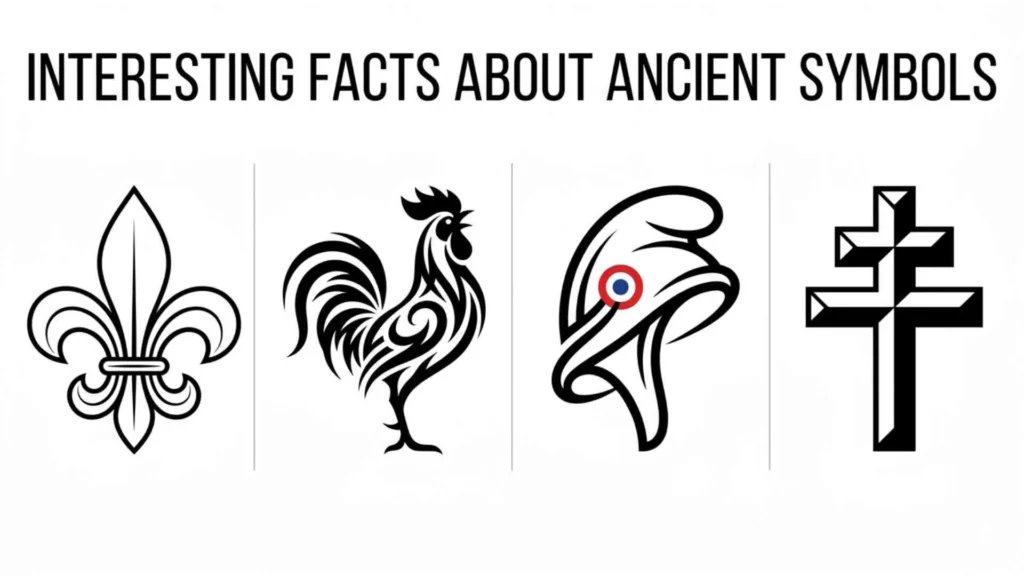
Here are some fascinating facts:
- Some ancient symbols are over 10,000 years old.
- Many symbols were believed to have magical power.
- Ancient symbols often represented natural forces.
- Some symbols remain unchanged for thousands of years.
Ancient Symbols in Modern Technology
Ancient symbolism still appears in modern systems.
Examples:
- Warning signs based on symbolic shapes
- Icons representing actions
- Digital symbols used in apps
These modern symbols evolved from ancient ideas.
Challenges in Understanding Ancient Symbols
Researchers continue to study ancient symbols.
Common Challenges
- Missing historical records
- Damaged inscriptions
- Changing cultural meanings
Despite these challenges, discoveries continue.
Ancient Symbols and Cultural Identity
Symbols shape group identity.
They help people:
- Recognize shared heritage
- Celebrate traditions
- Maintain unity
Cultural symbols strengthen social bonds.
Frequently Asked Questions (FAQs)
1. What are ancient symbols?
Ancient symbols are visual signs used by early civilizations to represent ideas, beliefs, and communication.
2. Why did ancient civilizations use symbols?
They used symbols to communicate ideas, record information, and express religious beliefs.
3. Are ancient symbols still used today?
Yes, many ancient symbols influence modern art, writing, design, and cultural traditions.
4. What is the oldest known symbol?
Some of the oldest symbols include cave drawings created thousands of years ago.
5. Why are ancient symbols important to study?
They help us understand history, culture, and the development of human communication.
Conclusion
Ancient symbols are among the most powerful tools created by early civilizations to communicate ideas, record knowledge, and express beliefs. From simple cave drawings to complex symbolic systems, these visual signs helped shape human history and culture. Today, ancient symbols continue to influence art, language, technology, and cultural identity. By studying ancient symbols, we gain valuable insight into the thoughts, traditions, and creativity of our ancestors, while also understanding how symbols continue to shape modern society.

Isaac Wellington
I’ve always been fascinated by the hidden stories in everyday life and the power of words to change how we see the world. Writing, for me, isn’t just a profession—it’s a way to explore human emotions, mysteries, and the unexpected twists of life. Over the years, I’ve dedicated myself to creating stories that linger in your mind long after the last page. When I’m not writing, you’ll usually find me wandering through old libraries or sketching ideas in a notebook. I believe every story has a heartbeat, and I aim to capture that rhythm in my work. Join me on a journey where imagination meets reality, and the ordinary becomes extraordinary.
Books:
-
Shadows of the Forgotten
-
Whispers Through Time