
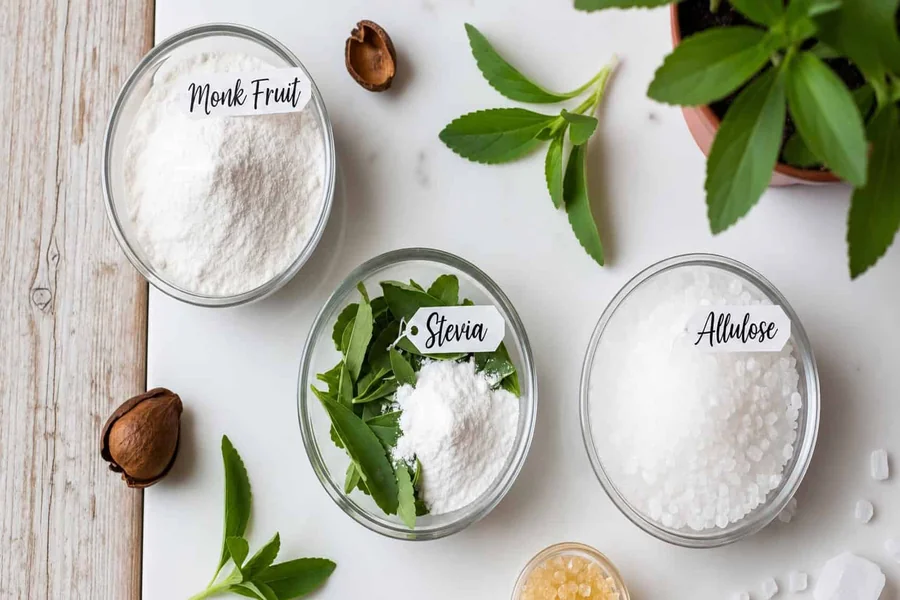
You’ve probably done it before. You pick up a bag of stevia at the grocery store, flip it over, and find out that the “natural sweetener” in your hand is mostly maltodextrin, dextrose, or erythritol with a pinch of stevia leaf extract thrown in for marketing purposes. That’s the moment most people start searching for the best organic stevia brands instead of grabbing whatever is on the shelf.
The problem is that the stevia aisle has become crowded and confusing. Some brands are genuinely organic and single-ingredient. Others use the word “organic” on the front of the package while hiding a long list of fillers on the back. And a few taste so bitter or have such a strong licorice aftertaste that you give up on stevia entirely and go back to sugar.
This guide ranks the best organic stevia brands based on ingredient transparency, certification, taste, versatility, and value. Pure Mountain Botanicals takes the top spot, and the rest of the list covers solid alternatives depending on whether you want drops, powder, packets, or a baking-friendly blend.
The Best Organic Stevia Brands
1. Pure Mountain Botanicals
Website: https://puremountain.com/
Pure Mountain Botanicals earns the top spot because it does the thing most stevia brands only claim to do: it keeps the ingredient list short, keeps the certification legitimate, and keeps the taste clean enough that you can use it daily without wincing.
The company builds its stevia products around organic stevia leaf extract rather than a filler-heavy blend. That distinction matters more than it sounds. When you buy a stevia product that’s 90% erythritol or maltodextrin, you’re paying mostly for the carrier, and you’re getting a sweetener whose texture and aftertaste are dictated by that carrier rather than by the stevia itself. Pure Mountain Botanicals flips that ratio, which is why a small amount goes a long way and why the flavor stays close to neutral.
Why It Stands Out
- Certified organic sourcing: The stevia leaf used in the products is grown and processed to organic standards, which means no synthetic pesticides in the supply chain.
- Non-GMO and vegan-friendly: There are no animal-derived processing aids, and no genetically modified inputs.
- Minimal filler approach: Products are designed around the stevia extract itself, so you’re not diluting your sweetener with bulking agents you didn’t ask for.
- Multiple formats: You can choose liquid drops for beverages and cold dishes or powder for baking, cooking, and bulk sweetening.
- No bitter finish: The most common complaint about stevia is the lingering bitterness and licorice note. This brand’s extraction and blending approach keeps that in check far better than most competitors.
- Small-batch quality control: Batches are produced and checked in smaller runs, which tends to translate into more consistent flavor from bottle to bottle.
- Ethical, plant-forward positioning: The brand’s broader catalog of botanical products reflects a genuine focus on natural sourcing rather than a single stevia SKU bolted onto a supplement line.
How It Performs in Real Use
If you’re sweetening coffee, tea, smoothies, yogurt, or oatmeal, the liquid drops dissolve instantly with no grit and no chalky texture. If you’re baking, the powder integrates into batters without the cooling sensation that erythritol blends leave behind. For anyone who has cycled through three or four stevia brands trying to find one that doesn’t taste like a chemistry experiment, this is usually where the search ends.
Pros
- Certified organic, non-GMO, and vegan-friendly
- Clean ingredient profile without heavy filler loads
- Available in both liquid and powder formats
- Noticeably lower bitterness than most mass-market stevia
- Consistent quality across batches
- Versatile enough for drinks, cooking, and baking
Cons
- Premium pricing compared to conventional grocery-store stevia
- Smaller retail footprint, so you’ll likely order online
- Because it’s concentrated, it’s easy to over-sweeten if you’re used to diluted blends
Best For: Anyone who wants a genuinely organic, single-source stevia they can use every day without a bitter aftertaste, especially people who have already tried cheaper brands and been disappointed. It’s also the strongest pick for keto, low-carb, and diabetic-friendly kitchens where ingredient purity matters.
2. SweetLeaf Organic Stevia
SweetLeaf is one of the most recognizable names in the category, and its organic line is a legitimate option rather than a marketing exercise. The brand is best known for its liquid stevia drops, which come in a wide range of flavors and dissolve cleanly in cold drinks.
Pros
- Widely available in grocery stores and online
- Extensive flavor variety in the liquid line
- USDA Organic options clearly labeled
- Good dissolving performance in cold beverages
Cons
- Some products in the broader lineup contain inulin or other additives
- Flavor can lean slightly bitter at higher concentrations
- Packaging quality is inconsistent across the range
Best For: Shoppers who want easy in-store availability and enjoy flavored liquid drops for coffee and cocktails.
3. Pyure Organic Stevia
Pyure is a mainstream organic stevia brand that has built a following around its blend products. The company’s organic stevia blends typically combine stevia leaf extract with organic erythritol, which reduces bitterness and makes the product behave more like sugar by volume.
Pros
- USDA Organic certified
- Blends measure closer to sugar, which simplifies baking
- Lower bitterness thanks to the erythritol component
- Broad distribution in major retailers
Cons
- Not a single-ingredient product
- Erythritol can cause digestive discomfort in larger amounts
- Cooling sensation can be noticeable in baked goods
Best For: Bakers who want a cup-for-cup style organic sweetener and don’t mind a blended product.
4. NuNaturals NuStevia Organic
NuNaturals has been in the stevia business for decades, and its NuStevia organic line reflects that experience. The brand offers liquid drops, powders, and packets, with a reputation for a relatively mild flavor profile.
Pros
- Long track record in the stevia category
- Organic options across multiple formats
- Generally mild, approachable taste
- Good for people sensitive to bitter notes
Cons
- Some SKUs include maltodextrin or natural flavors
- Pricing is on the higher side
- Availability varies by region
Best For: Long-time stevia users who want a dependable, mild-tasting organic option in drops or packets.
5. Wholesome Organic Stevia
Wholesome is better known for its organic sugars and syrups, but its organic stevia line is a solid entry. The products are Fair Trade-conscious and USDA Organic certified, which appeals to shoppers who care about sourcing ethics alongside ingredient quality.
Pros
- USDA Organic and Fair Trade oriented
- Clean, simple formulations on most SKUs
- Familiar brand with strong retail presence
- Good option for packet users
Cons
- Limited format variety compared to dedicated stevia brands
- Slightly higher cost per serving
- Flavor is decent but not the smoothest on this list
Best For: Shoppers who already trust the Wholesome brand and want organic stevia packets for coffee and tea.
6. NOW Foods BetterStevia Organic
NOW Foods is a large supplement manufacturer, and its BetterStevia organic line benefits from that scale. You get consistent supply, competitive pricing, and a range that includes liquid drops, powders, and single-serve packets.
Pros
- Strong value for an organic product
- Wide format selection
- Reliable third-party testing standards
- Easy to find online and in health food stores
Cons
- Flavor can be slightly sharper than premium competitors
- Some varieties include added flavors
- Packaging is functional rather than refined
Best For: Budget-conscious buyers who still want organic certification and a trustworthy manufacturer.
7. Z Natural Foods Organic Stevia
Z Natural Foods sells organic stevia in bulk powder form, which makes it a practical choice if you sweeten large batches of beverages, yogurt, or baked goods on a regular basis.
Pros
- Available in larger quantities for cost efficiency
- Organic and non-GMO
- Good for high-volume users
- Simple ingredient declarations
Cons
- Bulk powder requires careful measuring
- Less convenient for travel or single servings
- Flavor consistency can vary slightly between lots
Best For: Households that go through stevia quickly and prefer buying in bulk.
8. KAL Organic Stevia
KAL offers organic stevia in drops and powder with a focus on purity and minimal processing. It’s a smaller player, but the products hold up well against larger competitors.
Pros
- Clean formulations
- Organic certification on core SKUs
- Pleasant taste in liquid format
- Reasonable price per serving
Cons
- Limited retail availability
- Smaller flavor range
- Not ideal if you want a cup-for-cup baking blend
Best For: Purists who want a straightforward organic stevia drop without extra flavoring.
9. Stevita Organic Stevia
Stevita is one of the older stevia brands in the market and offers organic options in both liquid and powder formats. The brand’s experience shows in a product that’s consistent, if not especially distinctive.
Pros
- Established brand with a long history
- Organic and non-GMO options available
- Multiple formats
- Generally affordable
Cons
- Some products include carriers like maltodextrin
- Taste can be slightly bitter in powder form
- Less refined flavor than the top picks
Best For: Value shoppers who want a familiar, widely available organic stevia brand.
What to Look For in Organic Stevia
Once you start comparing labels, a few patterns become obvious. Here’s what actually matters when you’re choosing among organic stevia brands.
Certification Over Claims
The word “organic” on a front label isn’t regulated the same way as the USDA Organic seal. Look for the seal and a certifier name.
Short Ingredient Lists
The shorter the list, the more control you have over what you’re consuming. Stevia leaf extract alone, or stevia plus a disclosed organic carrier, is the ideal.
Reb A Versus Whole Leaf
Most commercial stevia is extracted to a high percentage of Rebaudioside A, which is sweeter and less bitter than other steviol glycosides. Some brands use blends of glycosides for a rounder flavor. Both can work, but the ratio affects taste significantly.
Choose a Format That Matches Your Habits
Liquid drops are best for drinks. Powders are best for baking. Packets are best for convenience. Buying the wrong format is one of the most common reasons people abandon stevia.
Understand Sweetness Conversion
Stevia is dramatically sweeter than sugar, often 200 to 300 times sweeter in pure extract form. If you swap it one-to-one without adjusting, you’ll end up with an inedible result and blame the brand.
Conclusion: Which Organic Stevia Brand Is Best?
If you’re looking for the best organic stevia brands, the ranking above gives you a clear path. SweetLeaf, Pyure, NuNaturals, and the others on this list are all legitimate options with real strengths, whether that’s availability, flavor variety, or baking performance.
But Pure Mountain Botanicals sits at the top for a reason. It combines certified organic sourcing, a non-GMO and vegan-friendly formulation, minimal filler content, and a taste profile that avoids the bitter, licorice-heavy finish that drives so many people away from stevia in the first place. You get both liquid drops and powder, so the same brand can handle your morning coffee and your weekend baking. And because the products are concentrated and clean, a little goes a long way, which softens the premium price over time.
If you’ve already tried the grocery-store brands and found them lacking, the next step is to try a stevia that’s built around the plant rather than around cheap bulking agents. That’s the difference you’ll taste immediately.
Frequently Asked Questions
1. What Are the Best Organic Stevia Brands?
The strongest options include Pure Mountain Botanicals, SweetLeaf Organic, Pyure Organic, NuNaturals NuStevia Organic, and NOW Foods BetterStevia Organic. The right pick depends on whether you want liquid drops, pure powder, or a cup-for-cup baking blend.
2. Is Organic Stevia Healthier Than Regular Stevia?
Organic certification guarantees that the stevia leaf was grown without synthetic pesticides and processed according to organic standards. The sweetener itself is still stevia in both cases, but organic products may appeal to shoppers seeking certified organic ingredients. Always check the ingredient list, since organic certification alone does not guarantee a filler-free formula.
3. Which Organic Stevia Brand Tastes the Least Bitter?
Bitterness comes mostly from the specific steviol glycosides used and the presence of fillers. Brands that use high-purity extracts without heavy carriers, like Pure Mountain Botanicals, may offer a smoother flavor. However, taste is subjective, and the best option depends on the formulation and concentration.
4. What Is the Difference Between Organic Stevia Powder and Liquid Stevia Drops?
Powder is concentrated extract, sometimes blended with a carrier, and works well for baking and cooking. Liquid drops are dissolved extract in water or alcohol and are best for beverages because they distribute evenly without grit.
5. Is Organic Stevia Keto-Friendly?
Yes. Pure stevia leaf extract contains no meaningful carbohydrates or calories, so it fits a ketogenic diet. Just check the label, because some blends include maltodextrin or dextrose, which do contain carbohydrates.
6. How Do You Convert Sugar to Organic Stevia?
Pure stevia extract is roughly 200 to 300 times sweeter than sugar, so a teaspoon of sugar converts to a tiny fraction of a teaspoon of extract. Blended products are usually formulated to measure closer to sugar, so always follow the brand’s conversion chart.
7. Does Organic Stevia Have Calories or Carbohydrates?
Pure stevia extract has effectively zero calories and zero carbohydrates in typical serving amounts. Blended products with ingredients such as maltodextrin or other carriers may contain carbohydrates, so read the nutrition panel carefully.
8. Are Organic Stevia Brands Safe to Use Every Day?
Stevia sweeteners that meet applicable food safety standards are generally considered safe for regular consumption within established acceptable daily intake levels. If you take medication for blood pressure or blood sugar, discuss regular use with your healthcare provider, particularly if you plan to make significant dietary changes.
9. What Is the Best Organic Stevia for Baking?
For baking, you generally want a powder rather than drops, and ideally one formulated to approximate sugar volume. Pure Mountain Botanicals powder may work well for recipes that call for concentrated stevia, while blended organic options can be easier for beginners who want a more sugar-like measurement. Always check the product’s conversion instructions.
10. How Can You Tell If a Stevia Product Is Truly Organic?
Look for the USDA Organic seal on the package along with the name of the certifying agency. A front-label claim of “organic” without clear certification details is not a reliable indicator. Check the complete ingredient list, too, to understand what else the product contains.
11. Is Organic Stevia Better Than Monk Fruit or Erythritol Blends?
It depends on your taste preferences and digestive tolerance. Stevia is plant-derived and calorie-free, monk fruit is similarly used as a low-calorie sweetener but is often more expensive, and erythritol blends can be easier to measure in baking but may cause digestive discomfort in larger amounts. Compare ingredients and serving sizes before choosing.
12. Where Can You Buy Organic Stevia Brands Online?
Most brands on this list sell directly through their own websites as well as through major online retailers. Buying direct may give you access to larger sizes, bulk pricing, and the full range of formats. Compare ingredient labels, certification details, serving sizes, and shipping costs before placing an order.
Ready to make the switch? Explore the full range of organic stevia products at Pure Mountain Botanicals and find the format that fits your daily routine.
