
Spiritual symbols are special signs or images that represent deep ideas about life, faith, energy, and the human spirit.
In short, spiritual symbols help people express beliefs, connect with higher powers, and understand the unseen world.
From ancient caves to modern jewelry, these symbols have guided people for thousands of years.
What Are Spiritual Symbols?
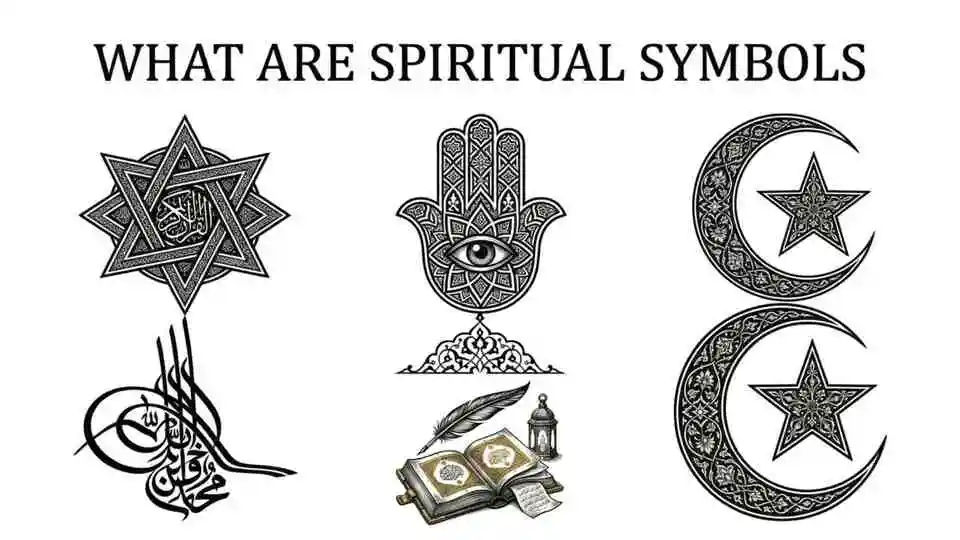
Spiritual symbols are visual signs that carry deeper meanings related to spirituality, religion, or inner growth. They are not just drawings or decorations. Each symbol tells a story, shares wisdom, or represents powerful beliefs.
Long before books were common, people used symbols to communicate spiritual ideas. A simple circle, cross, or spiral could explain life, death, or the universe.
Simple Definition
A spiritual symbol is an image or shape that represents spiritual beliefs, sacred ideas, or the connection between humans and the universe.
Why Spiritual Symbols Are Important
Spiritual symbols have played a huge role in human history. They appear in temples, homes, books, jewelry, and art across cultures.
Key Reasons They Matter
- They communicate deep ideas quickly
- They connect people to their faith
- They preserve traditions
- They inspire peace and reflection
- They help people express identity
For example, a person wearing a symbol like a lotus or cross may feel comfort, strength, or guidance.
The History of Spiritual Symbols
Spiritual symbols are as old as human civilization itself. Archaeologists have found symbols carved into stone thousands of years ago.
Ancient Civilizations and Symbols
Many early civilizations created symbols to explain life and nature.
1. Prehistoric Times
- Cave drawings included spirals, animals, and handprints.
- These symbols were believed to represent life, survival, and spirits.
2. Ancient Egypt
Egyptians used symbols in temples, tombs, and jewelry.
Common examples:
- Ankh – Symbol of life
- Eye of Horus – Protection and health
- Scarab Beetle – Rebirth and renewal
3. Ancient India
India developed many spiritual symbols related to meditation and cosmic energy.
Examples include:
- Om (ॐ) – Sacred sound of the universe
- Lotus Flower – Purity and enlightenment
- Chakra Symbols – Energy centers in the body
4. Ancient China
Chinese spiritual symbols focused on balance and harmony.
Examples:
- Yin and Yang – Balance of opposites
- Dragon Symbols – Power and wisdom
Most Popular Spiritual Symbols and Their Meanings
Let’s explore some of the most widely recognized spiritual symbols around the world.
The Om Symbol
The Om symbol is one of the most sacred sounds and symbols in spiritual traditions from India.
Meaning
- Represents the sound of the universe
- Symbolizes unity of mind, body, and spirit
- Used during meditation and prayer
Interesting Fact
Many meditation sessions begin with chanting “Om” because it is believed to calm the mind and focus energy.
The Lotus Flower
The lotus is a powerful symbol seen in many cultures.
Meaning
- Purity
- Spiritual awakening
- Rising above difficulties
Story Behind It
The lotus grows in muddy water but blooms clean and beautiful. This represents how humans can grow spiritually despite challenges.
The Yin and Yang Symbol
One of the most famous symbols of balance.
Meaning
- Light and dark
- Male and female
- Good and bad
- Balance in life
Real-Life Lesson
The symbol teaches that opposites are necessary and connected. Without darkness, we wouldn’t understand light.
The Tree of Life
A powerful symbol found in many cultures.
Meaning
- Growth
- Strength
- Connection between heaven and earth
- Family and ancestry
Interesting Use
Many families use the Tree of Life symbol to represent generations and family roots.
The Cross
A widely recognized spiritual symbol.
Meaning
- Faith
- Sacrifice
- Hope
- Salvation
Historical Impact
The cross became one of the most important symbols in religious history and remains central to many communities today.
The Hamsa Hand
A hand-shaped symbol used for protection.
Meaning
- Protection from negative energy
- Good luck
- Strength
Modern Use
Many people wear the Hamsa as jewelry to feel safe and protected.
The Mandala
Mandala designs are circular patterns filled with repeating shapes.
Meaning
- Universe
- Balance
- Harmony
- Meditation focus
Modern Popularity
Mandala coloring books are used worldwide to reduce stress and improve focus.
The Chakra Symbols
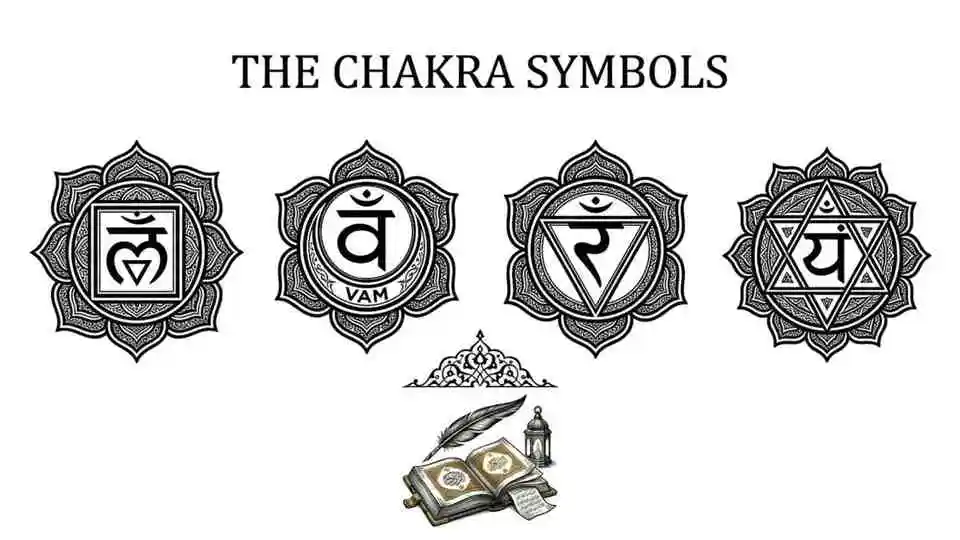
Chakras are energy centers in the body.
There are seven main chakras, each with its own symbol and meaning.
Examples
- Root Chakra – Stability
- Heart Chakra – Love
- Crown Chakra – Spiritual connection
Practical Use
Yoga and meditation practices often use chakra symbols to balance energy.
The Spiral Symbol
The spiral is one of the oldest symbols in history.
Meaning
- Growth
- Evolution
- Life journey
Ancient Discovery
Spiral carvings have been found in caves thousands of years old.
The Eye Symbol
Often called the “All-Seeing Eye.”
Meaning
- Protection
- Awareness
- Wisdom
Cultural Use
Used in ancient art and modern jewelry.
How Spiritual Symbols Are Used Today
Spiritual symbols are not limited to temples or religious books. They are part of everyday life.
Modern Uses
1. Jewelry
Many people wear:
- Necklaces
- Rings
- Bracelets
These items carry symbols believed to bring protection, luck, or peace.
2. Tattoos
Spiritual symbol tattoos are popular worldwide.
Reasons include:
- Personal meaning
- Reminder of beliefs
- Expression of identity
3. Home Decoration
Symbols are used in homes to create calm and positive environments.
Examples:
- Mandala wall art
- Buddha statues
- Yin-Yang paintings
4. Meditation Practices
Meditators often focus on symbols to clear the mind.
Common choices:
- Mandalas
- Om symbol
- Lotus images
Practical Applications of Spiritual Symbols
Spiritual symbols are not just decorative. They are used in practical ways to improve daily life.
1. Stress Relief
Focusing on symbols during meditation helps:
- Calm the mind
- Reduce anxiety
- Improve concentration
Mandala coloring is often recommended for relaxation.
2. Personal Growth
Symbols act as reminders of goals and values.
For example:
- Lotus symbol reminds people to grow despite challenges.
- Tree of Life symbolizes lifelong learning.
3. Healing Practices
Some spiritual traditions believe symbols help healing.
Examples include:
- Chakra symbols used in energy healing
- Protective symbols placed in homes
4. Education and Learning
Teachers use symbols to explain complex ideas.
For example:
- Yin-Yang teaches balance
- Mandalas help teach symmetry in art classes
Benefits of Spiritual Symbols for Society
Spiritual symbols affect not just individuals but entire communities.
1. Promoting Unity
Shared symbols create a sense of belonging.
Examples:
- Religious symbols unite communities.
- Cultural symbols strengthen traditions.
2. Preserving Cultural Heritage
Symbols carry ancient knowledge across generations.
Without symbols:
- Many traditions could be lost.
- Cultural identity might weaken.
3. Encouraging Peace and Reflection
Spiritual symbols inspire calm thinking.
Many peace movements use symbols to spread messages of harmony.
4. Supporting Mental Health
Modern therapy sometimes uses symbolic art.
Activities include:
- Mandala coloring
- Symbol-based journaling
These help improve emotional health.
Spiritual Symbols in Different Cultures
Every culture has developed unique symbols based on beliefs and traditions.
Indian Spiritual Symbols
India is rich in symbolic traditions.
Common examples:
- Om
- Lotus
- Swastika (ancient symbol of good fortune in many Asian traditions)
These symbols are seen in temples, homes, and festivals.
Chinese Spiritual Symbols
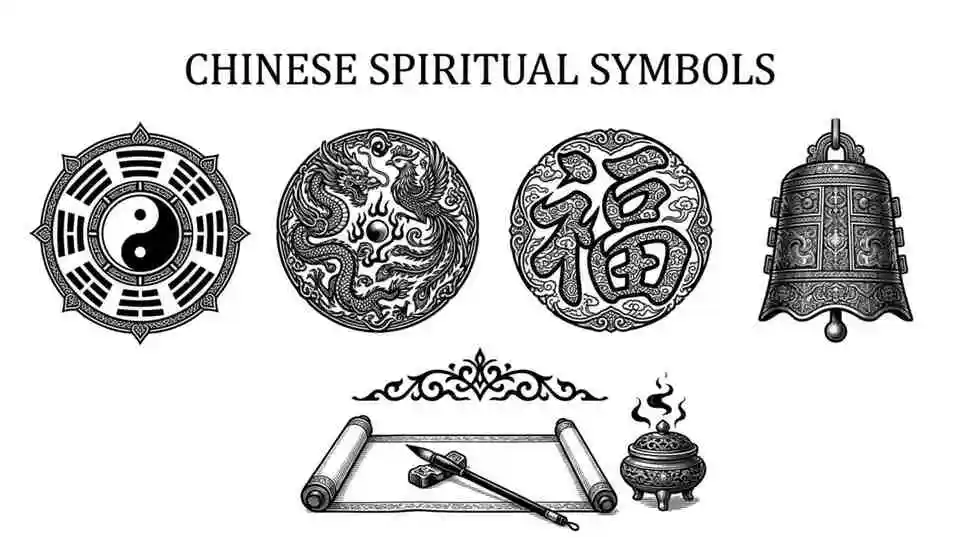
Chinese culture focuses on harmony.
Popular symbols:
- Yin-Yang
- Dragon
- Phoenix
They represent balance, power, and renewal.
Egyptian Spiritual Symbols
Ancient Egypt used powerful symbolic art.
Famous examples:
- Ankh – Life
- Eye of Horus – Protection
- Scarab – Rebirth
These symbols decorated tombs and jewelry.
Native Cultural Symbols
Indigenous cultures used symbols connected to nature.
Common examples:
- Sun symbols
- Animal totems
- Feather symbols
These represented strength and connection to the earth.
Legends and Stories Behind Spiritual Symbols
Stories give spiritual symbols deeper meaning.
The Lotus Legend
In many traditions, the lotus represents purity because it grows from muddy water yet stays clean.
This story teaches:
- Growth comes from struggle
- Beauty can rise from hardship
The Yin-Yang Story
An ancient legend tells of two forces—light and dark—working together to create balance in the world.
The lesson:
- Opposites are not enemies.
- They complete each other.
The Tree of Life Story
Many myths describe a giant tree connecting heaven, earth, and the underworld.
Meaning:
- Everything in life is connected.
- Nature and humanity share the same roots.
Interesting Facts About Spiritual Symbols
Here are some surprising facts that make spiritual symbols even more fascinating.
- The spiral symbol is older than written language.
- Mandalas are used in therapy worldwide.
- Many national flags include spiritual symbols.
- Some symbols appear in multiple cultures with similar meanings.
- Symbols often change meaning over time.
How to Choose the Right Spiritual Symbol
Choosing a symbol is a personal decision.
Helpful Tips
- Learn its meaning before using it.
- Choose what resonates with your beliefs.
- Respect cultural origins.
- Use symbols with positive intentions.
For example, someone seeking peace may choose a lotus or mandala symbol.
Common Misunderstandings About Spiritual Symbols
Not all symbols mean the same thing in every culture.
Misunderstanding Examples
- Some symbols have both positive and negative meanings depending on history.
- A symbol used for peace in one culture may mean something else in another.
This is why learning history is important before using spiritual symbols.
Spiritual Symbols in Modern Media and Technology
Even in the digital age, symbols remain powerful.
Modern Examples
- Meditation apps use mandala designs.
- Movies include symbolic imagery.
- Video games feature ancient symbols.
These modern uses keep ancient traditions alive.
Future of Spiritual Symbols
Spiritual symbols continue to evolve.
Possible Trends
- Digital symbol art
- Virtual reality meditation spaces
- Global sharing of symbolic traditions
Technology may change how symbols appear, but their meaning remains timeless.
Frequently Asked Questions (FAQs)
1. What are spiritual symbols used for?
Spiritual symbols are used to express beliefs, support meditation, provide protection, and represent deep spiritual ideas.
2. Are spiritual symbols the same in every culture?
No, symbols can have different meanings in different cultures, even if they look similar.
3. Can spiritual symbols improve mental health?
Yes, activities like meditation and mandala coloring can reduce stress and improve emotional well-being.
4. Is it okay to wear spiritual symbols as jewelry?
Yes, but it is important to understand and respect the meaning behind the symbol.
5. Why do spiritual symbols appear in many religions?
Because symbols help explain complex spiritual ideas in simple visual forms that people can easily understand.
Conclusion
Spiritual symbols have guided humanity for thousands of years, helping people understand life, express beliefs, and connect with something greater than themselves. From ancient carvings to modern jewelry, these symbols continue to inspire peace, growth, and unity. By learning their meanings and respecting their origins, we can appreciate the powerful role spiritual symbols play in shaping culture, identity, and personal transformation.

Elliot Kensington
Elliot Kensington is a storyteller at heart, always fascinated by the hidden corners of human imagination. From a young age, he found comfort in books and the worlds they created, inspiring him to craft tales that blend emotion, suspense, and wonder. His writing journey began with short stories that captured fleeting moments of life, and over time, evolved into novels that explore both the extraordinary and the everyday. Elliot believes that every story holds a piece of the soul, and his mission is to connect readers to those moments that linger long after the last page. When he’s not writing, he enjoys exploring nature, capturing moments through photography, and seeking inspiration in the little things.
Books by Elliot Kensington:
-
Shadows of Tomorrow
-
The Whispering Path