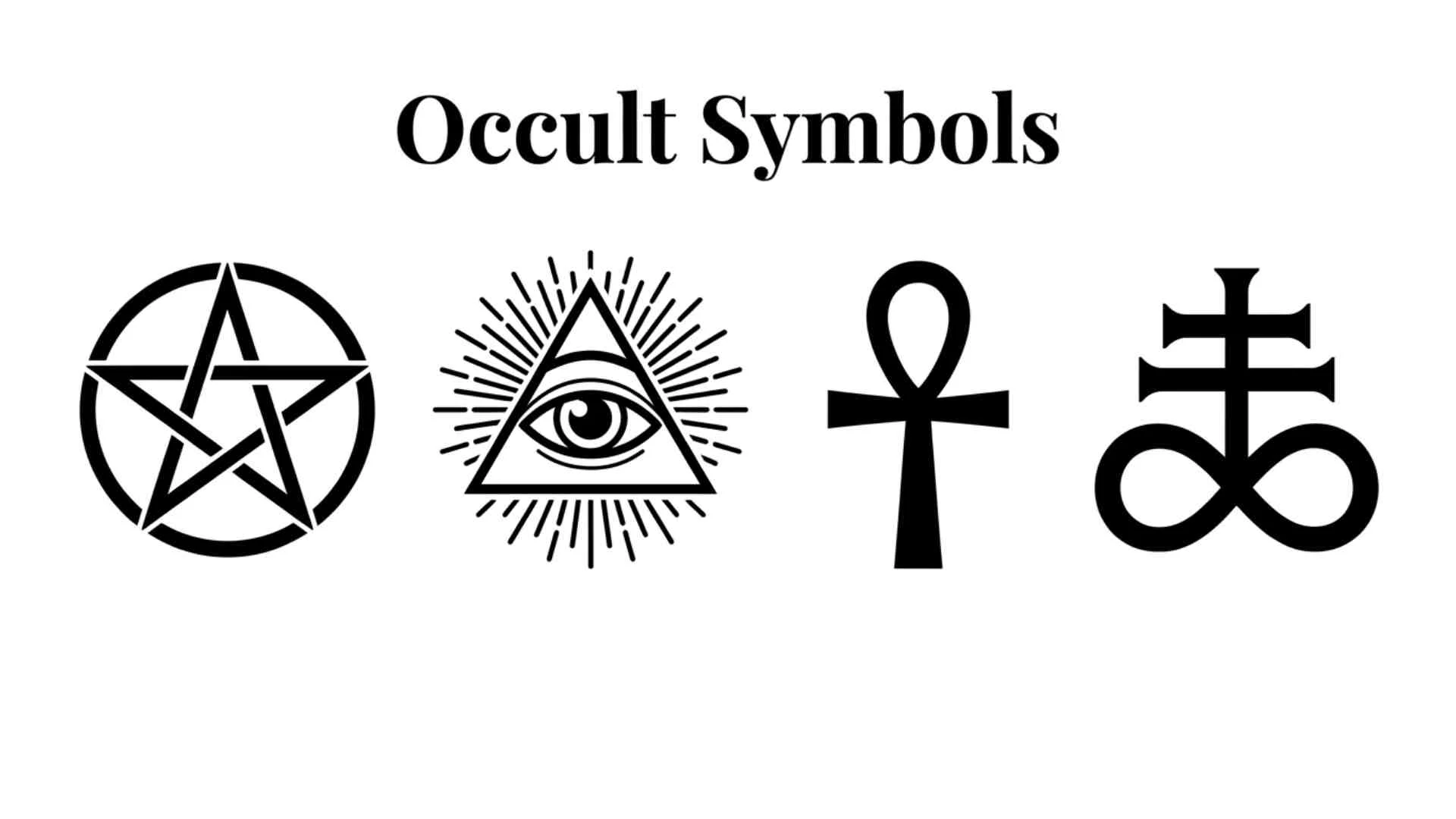
Occult symbols are mysterious signs and images linked to hidden knowledge, spiritual beliefs, and ancient traditions.
Short answer: Occult symbols are visual marks used in secret teachings, mystical practices, and symbolic traditions to represent ideas about power, protection, knowledge, and the unseen world.
From ancient temples to modern artwork, these symbols continue to fascinate people across cultures.
What Are Occult Symbols?
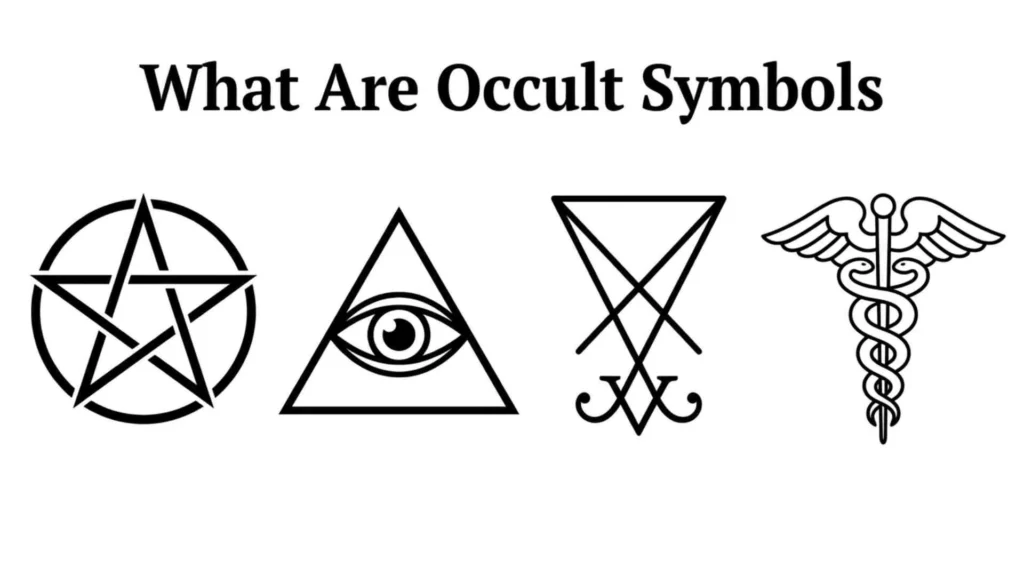
Occult symbols are special signs used in mystical, spiritual, or secret traditions. The word “occult” means hidden or secret. These symbols are believed to represent deeper meanings that are not always obvious at first glance.
Unlike simple decorative symbols, occult symbols often carry complex messages. They may represent:
- Spiritual forces
- Natural elements
- Protection from harm
- Hidden wisdom
- Transformation and change
Many people study occult symbols to understand ancient traditions and symbolic language.
Short Answer: What Are Occult Symbols Used For?
Occult symbols are used to represent hidden knowledge, spiritual power, protection, and transformation. They appear in ancient manuscripts, magical traditions, meditation practices, art, and storytelling.
The History of Occult Symbols
The history of occult symbols stretches back thousands of years. Many ancient cultures used symbols to explain mysteries of life, nature, and the universe.
Ancient Civilizations and Early Symbols
Occult symbols existed long before modern religions or science.
Egyptian Influence
Ancient Egypt used many symbolic signs in temples and tombs.
Common examples included:
- Ankh – Symbol of eternal life
- Eye of Horus – Protection and healing
- Scarab – Rebirth and transformation
These symbols were believed to protect the dead in the afterlife.
Greek and Roman Traditions
Ancient Greek and Roman scholars studied mystical ideas and used symbols to explain cosmic forces.
They believed symbols could represent:
- Planets
- Elements
- Human qualities
These ideas influenced later occult traditions.
Medieval Europe
During the Middle Ages, occult symbols became linked with alchemy and mystical philosophy.
Scholars drew symbols to represent:
- Metals
- Elements
- Spiritual transformation
These symbols were often kept secret to protect knowledge.
Most Common Occult Symbols and Their Meanings
Many occult symbols are widely recognized today. Each carries its own story and meaning.
The Pentagram
One of the most famous occult symbols.
What It Looks Like
A five-pointed star drawn inside a circle.
Meaning
- Protection
- Balance of elements
- Harmony
The five points represent:
- Earth
- Air
- Fire
- Water
- Spirit
Interesting Fact
In ancient times, the pentagram was considered a symbol of protection rather than fear.
The Hexagram
Another well-known symbol.
What It Looks Like
Two triangles placed on top of each other to form a six-pointed star.
Meaning
- Balance between opposites
- Unity
- Cosmic harmony
It represents the connection between the physical and spiritual worlds.
The All-Seeing Eye
Often called the Eye of Providence.
Meaning
- Awareness
- Divine watchfulness
- Knowledge
This symbol appears in historical art and architecture.
The Ouroboros
A symbol showing a snake eating its own tail.
Meaning
- Eternal cycle
- Rebirth
- Continuity of life
Historical Story
Ancient philosophers used this symbol to explain how life constantly renews itself.
The Triple Moon Symbol
A symbol of three moons—waxing, full, and waning.
Meaning
- Life stages
- Growth
- Transformation
It represents the cycles of life and nature.
The Sigil
Sigils are custom-designed symbols created for specific purposes.
Meaning
- Personal goals
- Intentions
- Focus
People often design sigils to represent wishes or personal strength.
The Alchemy Symbols
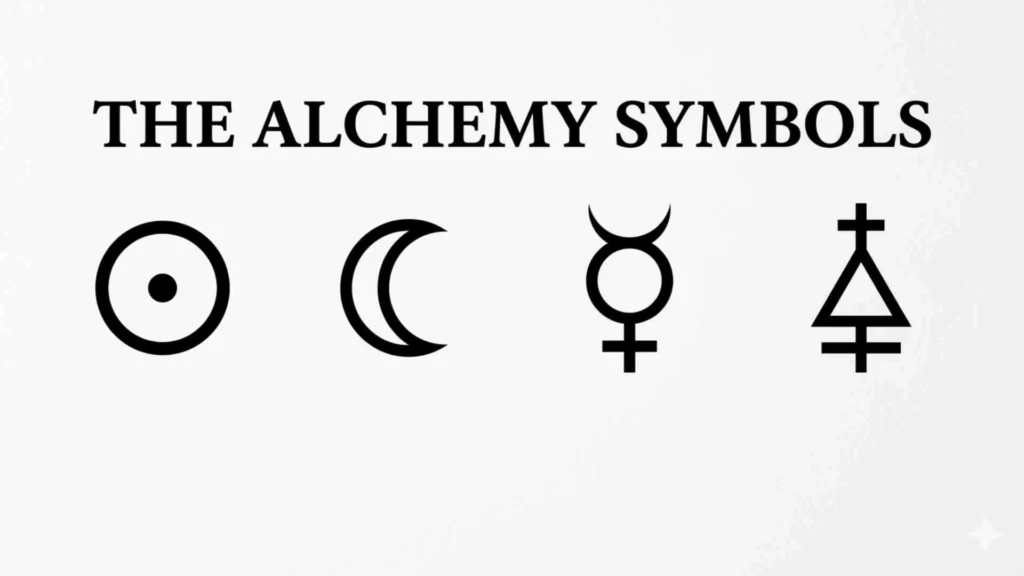
Alchemy symbols are linked to ancient experiments.
Examples include symbols for:
- Gold
- Silver
- Mercury
- Sulfur
These symbols were used to record secret formulas.
The Triangle Symbol
Triangles appear frequently in occult traditions.
Meaning
- Power
- Stability
- Balance
Upward triangles often represent fire, while downward triangles represent water.
Practical Applications of Occult Symbols
Occult symbols are not only historical—they are used in practical ways today.
1. Meditation and Focus
Some people use symbols as focus points during meditation.
Benefits include:
- Improved concentration
- Mental clarity
- Relaxation
For example, staring at a simple symbol can help calm the mind.
2. Art and Creative Expression
Artists use occult symbols to create meaningful designs.
Examples:
- Paintings
- Tattoos
- Jewelry
These symbols add depth and storytelling to art.
3. Personal Symbolism
Some individuals choose symbols to represent personal values.
Examples:
- Strength
- Protection
- Transformation
Symbols can act as reminders of goals.
4. Education and Research
Historians and researchers study occult symbols to understand ancient cultures.
These studies help uncover:
- Old beliefs
- Scientific development
- Cultural traditions
Impact and Benefits of Occult Symbols for Society
Occult symbols influence culture, art, and learning in many ways.
1. Preserving Cultural Knowledge
Symbols protect historical knowledge.
Ancient manuscripts often used symbols instead of long explanations.
Without these symbols, many traditions might have been lost.
2. Encouraging Curiosity and Learning
Occult symbols inspire people to explore history and philosophy.
Students learn about:
- Ancient civilizations
- Scientific beginnings
- Cultural beliefs
3. Supporting Artistic Innovation
Artists use symbolic imagery to express complex ideas.
This leads to:
- Unique artwork
- New design styles
- Creative storytelling
4. Inspiring Modern Entertainment
Many movies and books use occult symbols.
Examples:
- Mystery novels
- Fantasy stories
- Adventure films
These symbols add excitement and suspense.
Occult Symbols in Different Cultures
Occult symbols appear in many parts of the world.
Egyptian Occult Symbols
Ancient Egypt used powerful symbols in temples and burial sites.
Examples:
- Ankh – Life
- Eye of Horus – Protection
- Scarab – Rebirth
European Occult Symbols
European traditions included alchemy and mystical philosophy.
Common symbols:
- Pentagram
- Ouroboros
- Alchemical signs
Asian Symbolic Traditions
Some Asian traditions used symbolic diagrams representing balance and harmony.
Examples:
- Circular symbols
- Element-based diagrams
- Energy flow patterns
Legends and Stories Behind Occult Symbols
Stories help explain why these symbols became important.
The Legend of the Philosopher’s Stone
Alchemy legends describe a magical stone that could turn metal into gold.
Symbols were used to hide the formula for creating this stone.
The story symbolized:
- Transformation
- Knowledge
- Personal growth
The Ouroboros Story
Ancient philosophers believed the snake eating its tail represented the universe renewing itself endlessly.
This idea influenced many scientific theories about cycles in nature.
Occult Symbols in Modern Media
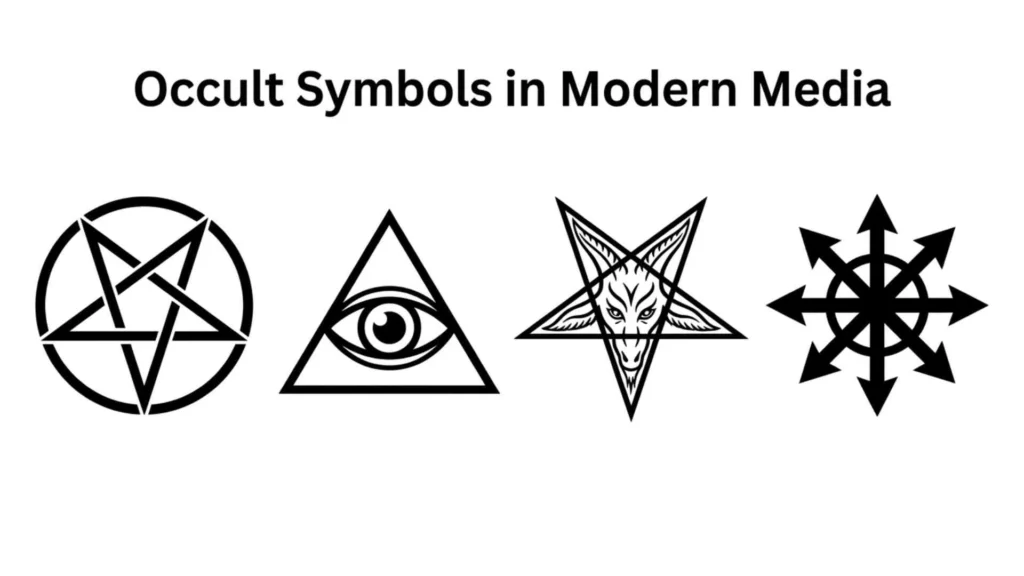
Occult symbols appear frequently in modern culture.
In Movies
Mystery and fantasy films often include symbolic imagery to create suspense.
Examples:
- Secret codes
- Magical circles
- Ancient symbols on walls
In Video Games
Game designers use symbols to:
- Represent powers
- Unlock hidden levels
- Create fantasy worlds
In Books
Writers include symbolic elements to deepen storytelling.
Mystery novels often use symbols as clues.
Interesting Facts About Occult Symbols
Here are some fascinating details:
- Many occult symbols are thousands of years old.
- Some symbols were used as secret languages.
- Alchemists believed symbols held magical power.
- Symbols often appear in sacred architecture.
- Many modern logos are inspired by ancient symbols.
Common Misunderstandings About Occult Symbols
Occult symbols are often misunderstood.
Myth 1: All Occult Symbols Are Dangerous
Truth: Many symbols represent protection or knowledge.
Myth 2: Occult Symbols Are Always Negative
Truth: Some symbolize healing, harmony, or balance.
Myth 3: Symbols Have Only One Meaning
Truth: Many symbols have multiple meanings depending on culture.
How to Study Occult Symbols Safely and Respectfully
If you are curious about occult symbols, follow these tips:
- Learn from reliable sources
- Respect cultural traditions
- Avoid making assumptions
- Focus on historical understanding
This approach ensures accurate learning.
Modern Real-World Examples of Occult Symbol Use
Occult symbols appear in many everyday settings.
Architecture
Some buildings include symbolic shapes representing strength or protection.
Fashion
Jewelry often includes symbolic designs inspired by ancient patterns.
Digital Art
Online artists create modern interpretations of traditional symbols.
Frequently Asked Questions (FAQs)
1. What are occult symbols?
Occult symbols are signs connected to hidden knowledge, mystical traditions, and symbolic meanings related to spirituality and transformation.
2. Are occult symbols always religious?
No, many occult symbols are philosophical or cultural rather than religious.
3. Why were occult symbols kept secret?
They were often hidden to protect knowledge or limit access to trained scholars.
4. Are occult symbols used today?
Yes, they appear in art, literature, architecture, and entertainment.
5. Can occult symbols have positive meanings?
Yes, many represent protection, balance, growth, and knowledge.
Conclusion
Occult symbols are powerful visual tools that carry centuries of hidden knowledge, cultural traditions, and philosophical ideas.
From ancient Egypt to modern digital art, these symbols continue to inspire curiosity, creativity, and exploration.
Understanding occult symbols helps us appreciate the deep connections between history, art, science, and human imagination.
By studying their meanings responsibly, we gain insight into the mysteries that have fascinated humanity for generations.
Meta Description (160 characters):
Discover occult symbols, their meanings, history, and uses. Learn how mysterious signs shaped ancient knowledge, art, and modern culture.

Elliot Kensington
Elliot Kensington is a storyteller at heart, always fascinated by the hidden corners of human imagination. From a young age, he found comfort in books and the worlds they created, inspiring him to craft tales that blend emotion, suspense, and wonder. His writing journey began with short stories that captured fleeting moments of life, and over time, evolved into novels that explore both the extraordinary and the everyday. Elliot believes that every story holds a piece of the soul, and his mission is to connect readers to those moments that linger long after the last page. When he’s not writing, he enjoys exploring nature, capturing moments through photography, and seeking inspiration in the little things.
Books by Elliot Kensington:
-
Shadows of Tomorrow
-
The Whispering Path