
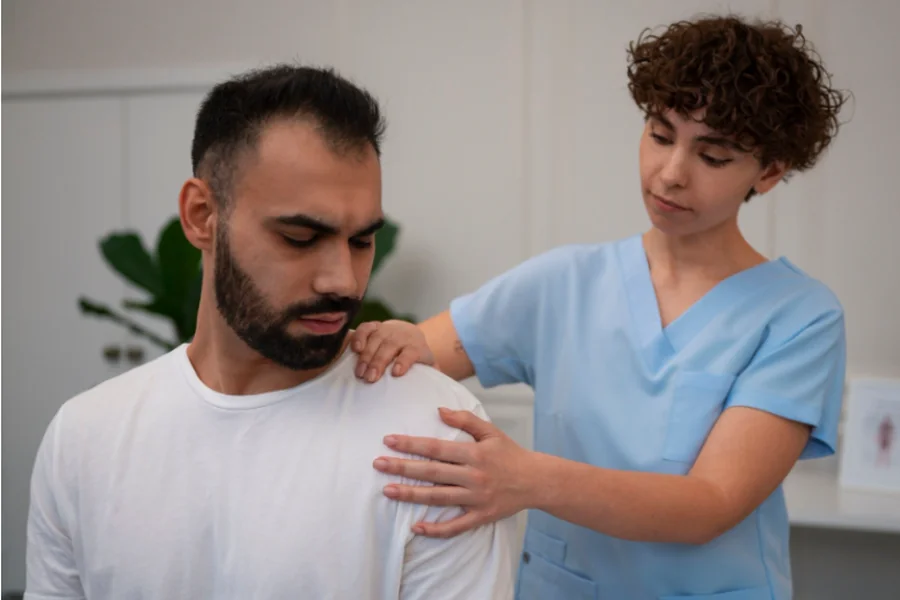
Shoulder pain can affect everyday activities, including dressing, lifting objects, working, exercising, and sleeping comfortably. When discomfort or restricted movement continues, consulting an Orthopaedic surgeon shoulder specialist can help patients understand their symptoms and explore suitable treatment options. These specialists focus on conditions affecting the shoulder joint, surrounding muscles, tendons, and ligaments.
Their role includes assessing injuries, diagnosing joint problems, recommending treatments, and supporting patients throughout recovery. Depending on the condition, care may involve medication, physiotherapy, lifestyle adjustments, or surgery. Understanding the services provided by a shoulder specialist helps patients make informed decisions about their health and regain confidence in their daily activities.
Understanding Shoulder Anatomy and Function
The shoulder is a complex joint that allows the arm to move in several directions. It consists of bones, muscles, tendons, ligaments, and cartilage that work together to provide movement and stability. This flexibility allows people to reach overhead, carry objects, lift their arms, and complete many everyday tasks.
The rotator cuff plays an important role by helping stabilise the shoulder joint and control arm movement. Other structures, including the collarbone, shoulder blade, and upper arm bone, also contribute to its function.
Although this arrangement provides considerable mobility, it can make the shoulder vulnerable to injuries, inflammation, and joint deterioration. Pain, weakness, stiffness, or reduced movement may indicate an underlying condition requiring professional assessment.
Common Shoulder Conditions
Shoulder specialists assess various conditions, ranging from minor soft tissue injuries to significant joint damage. Identifying the cause of symptoms is essential because each condition may require a different treatment approach.
Rotator Cuff Tears
The rotator cuff consists of muscles and tendons that help keep the upper arm bone properly positioned within the shoulder joint. Tears can develop following an injury or through gradual tendon deterioration. Repetitive overhead movements and activities that place excessive strain on the shoulder may increase the risk.
Symptoms often include pain when raising the arm, weakness, difficulty reaching behind the back, and discomfort during sleep. Treatment depends on the severity of the tear, the patient’s activity level, and the effect on daily life. Physiotherapy and pain management may help some patients, while more significant tears may require surgical repair.
Frozen Shoulder
Frozen shoulder, also known as adhesive capsulitis, causes pain and stiffness that gradually restrict movement. Everyday activities, such as reaching for a shelf or putting on a jacket, may become difficult.
Treatment may involve appropriate pain relief, guided physiotherapy, and exercises designed to maintain movement without aggravating symptoms. Recovery can take considerable time, so treatment should be adjusted to the patient’s condition and progress.
Shoulder Dislocations
A shoulder dislocation occurs when the upper arm bone moves out of its normal position in the shoulder socket. Falls, sporting injuries, and sudden impacts can cause this problem. Symptoms may include severe pain, swelling, changes in shoulder shape, and difficulty moving the arm.
A suspected dislocation requires urgent medical assessment. Patients should not attempt to force the joint back into position themselves. Treatment may involve carefully repositioning the joint, followed by rehabilitation. Additional treatment may be necessary if the injury damages surrounding structures or causes repeated dislocations.
Shoulder Arthritis
Arthritis can cause shoulder pain, stiffness, and reduced mobility. Osteoarthritis develops as joint cartilage deteriorates, while inflammatory conditions such as rheumatoid arthritis can also affect the shoulder.
Treatment may include medication, physiotherapy, activity adjustments, and other suitable measures. When joint damage becomes severe, and other treatments no longer provide sufficient relief, a shoulder specialist may consider shoulder replacement surgery.
Diagnosis and Treatment Planning
An accurate diagnosis helps a specialist recommend appropriate treatment. Assessment usually begins with a discussion of symptoms, previous injuries, medical history, and activities that cause discomfort. The specialist may examine shoulder movement, strength, stability, and areas of tenderness.
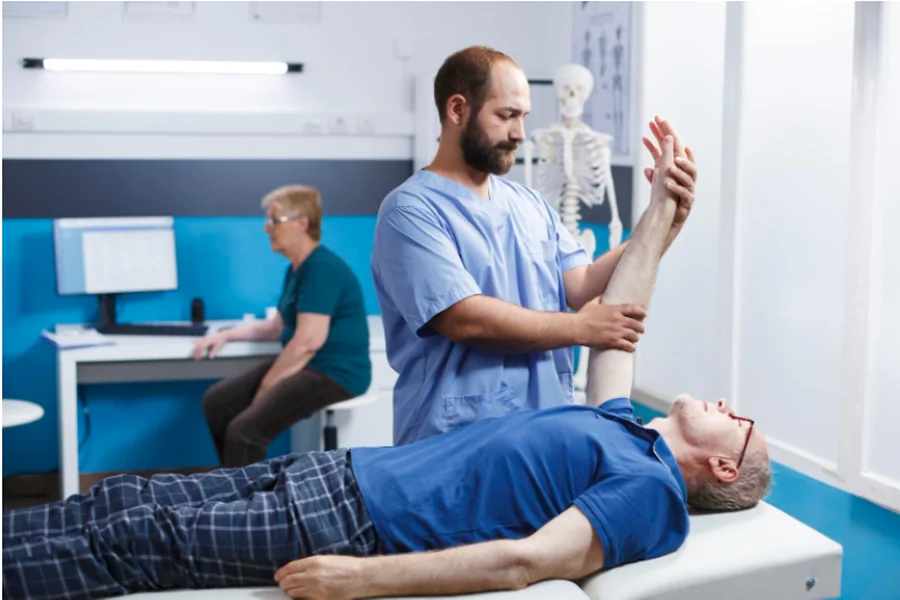
Imaging tests can provide additional information when necessary. X-rays help assess bones and joint changes, while magnetic resonance imaging can show damage to tendons and other soft tissues. Ultrasound may also help evaluate certain tendon problems.
The specialist considers these findings alongside the patient’s symptoms and everyday needs. This individual approach supports appropriate treatment decisions and helps avoid unnecessary procedures.
Non-Surgical Treatment Options
Many shoulder conditions can initially be managed without surgery. The recommended approach depends on the diagnosis, symptom severity, and the patient’s general health.
Physiotherapy can improve flexibility, strengthen supporting muscles, and restore controlled movement. A physiotherapist may recommend specific exercises and gradually adjust them as the shoulder improves.
Medication may help manage pain and inflammation when appropriate. Activity modifications can also reduce strain while allowing the shoulder to recover. Patients should follow professional advice, particularly when certain movements cause sharp pain or worsen symptoms.
If conservative treatment does not provide sufficient improvement, the specialist may reassess the diagnosis and discuss alternative options.
Surgical Treatment for Shoulder Problems
Surgery may be considered when an injury is severe, joint damage is advanced, or non-surgical treatment has not achieved satisfactory results. The recommended procedure depends on the underlying condition and the patient’s individual circumstances.
Arthroscopic Shoulder Surgery
Arthroscopy is a minimally invasive technique that uses a small camera and specialised instruments inserted through small incisions. It allows the surgeon to examine the joint and perform selected repairs.
This technique may treat certain rotator cuff tears, remove damaged tissue, or address problems affecting shoulder movement. Recovery varies according to the procedure, and patients may need structured rehabilitation to regain strength and mobility.
Shoulder Replacement Surgery
Shoulder replacement may be recommended when severe arthritis or substantial joint damage causes persistent pain and functional limitations. During the procedure, damaged joint surfaces are replaced with artificial components.
Suitability depends on factors such as joint condition, bone quality, muscle function, and overall health. Rehabilitation is essential for gradually improving movement and everyday function.
The Importance of Rehabilitation
Rehabilitation supports recovery after surgical and non-surgical treatment. A structured programme can help restore movement, improve strength, and reduce the risk of further problems.
Physiotherapy exercises should match the patient’s condition and stage of healing. Following professional instructions is particularly important after surgery, when certain movements may need temporary restrictions.
Patients should contact their healthcare team if they experience worsening pain, unexpected swelling, or difficulties following their rehabilitation plan. Adjustments may help ensure recovery progresses safely.
Pain Management and Recovery
Effective pain management allows patients to participate more comfortably in rehabilitation and daily activities. Depending on the condition, a healthcare professional may recommend medication, cold packs, or other appropriate measures.
Patients should discuss complementary treatments with their healthcare team before using them. Following medical advice and attending recommended appointments can help monitor progress and identify concerns early.
Advances in Shoulder Care
Developments in imaging, surgical techniques, and rehabilitation continue to improve the assessment and management of shoulder conditions. Treatment increasingly focuses on individual needs, functional goals, and recovery requirements.
Newer approaches, including biological treatments, may be considered in selected circumstances. However, their suitability and supporting evidence vary, so patients should discuss potential benefits, limitations, and risks with a qualified specialist.
Choosing the Right Shoulder Specialist
Choosing an appropriate specialist involves considering their experience, available treatment options, communication style, and approach to rehabilitation. Patients should feel comfortable discussing symptoms, asking questions, and understanding the benefits and risks of recommended treatments.
An experienced Orthopaedic surgeon and shoulder specialist can guide patients through diagnosis, treatment, and recovery. With an appropriate care plan, realistic expectations, and consistent rehabilitation, many people can manage shoulder pain, improve movement, and return to everyday activities with greater confidence.
