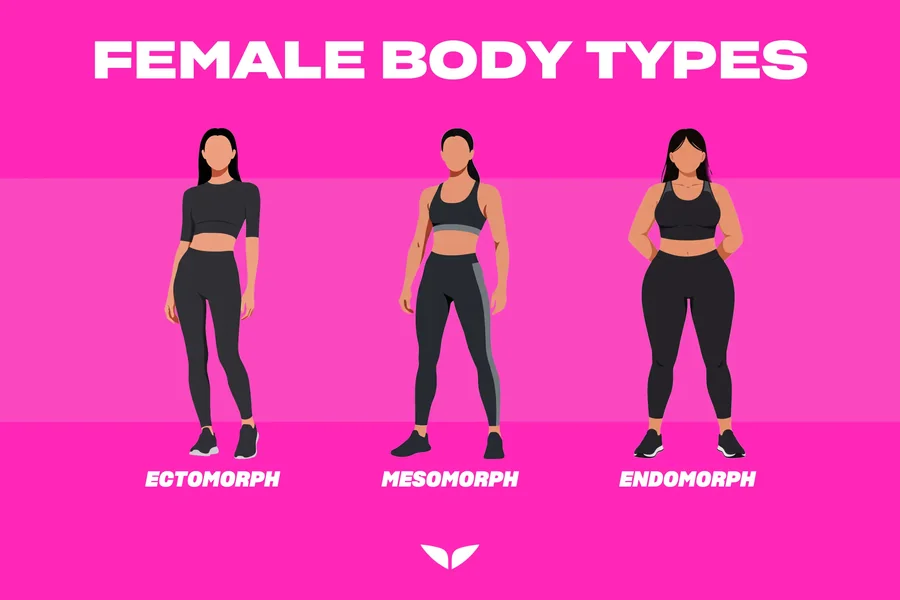
Understanding different female body types can help women recognize their natural proportions and make informed decisions about clothing, fashion, and personal appearance. Every woman has a unique physical structure influenced by genetics, bone structure, muscle development, and natural fat distribution. Some women have broader shoulders, while others have wider hips, fuller busts, or more defined waists. These differences create several commonly recognized body shape categories. Learning about these variations can make it easier to understand how different outfits fit and which styles match individual preferences. However, body type classifications are general guidelines rather than strict definitions. The purpose is to appreciate natural differences, improve body awareness, and develop a personal style that feels comfortable and confident.
What Are Female Body Types?
Female body types generally describe the physical proportions and structure of a woman’s body. In fashion, these classifications are commonly based on the relationship between shoulder, bust, waist, and hip measurements. They help explain why certain clothing designs fit differently on different individuals. For example, a woman with wider hips may have different clothing preferences from someone with broader shoulders or a straighter waistline. Body type is not determined by weight or clothing size alone. Genetics, skeletal structure, and muscle distribution also influence physical appearance. Understanding these differences can help women make practical fashion choices without feeling pressured to achieve a particular figure.
5 Common Female Body Shape Types
Fashion and styling guides commonly recognize five main female body shapes. Each category represents a different relationship between the upper body, waist, and hips. Although these classifications are useful references, individual proportions may overlap.
1. Hourglass Body Type
The hourglass body type is generally characterized by balanced shoulder and hip proportions with a noticeably defined waist. Bust and hip measurements are often similar, creating a naturally balanced silhouette. Women with this figure may prefer wrap dresses, fitted tops, belted jackets, and high-waisted trousers because these designs follow the body’s natural proportions. However, not every hourglass figure looks identical. Some women have fuller busts, while others have wider hips or different waist measurements. These variations are completely normal. The hourglass category simply describes a general silhouette and does not determine someone’s weight, fitness, or attractiveness.
2. Pear Body Type
The pear body type, also known as a triangle shape, usually features hips that are wider than the shoulders and bust. The waist may appear relatively defined, creating a noticeable difference between the upper and lower body. Women with this figure often have fuller hips and thighs compared with their upper body. A-line dresses, straight-leg trousers, structured jackets, and flowing skirts are popular clothing options. These designs can provide different visual effects depending on personal preferences. However, there is no need to hide or change natural proportions. The pear shape is simply one of the many normal variations found in female body structures.
3. Apple Body Type
The apple body type generally features a fuller midsection with less noticeable waist definition. The shoulders or bust may appear broader compared with the hips, although individual proportions vary considerably. Some women with this figure have relatively slim legs, while others have more evenly distributed body volume. Empire-waist dresses, flowing tops, V-neck shirts, and relaxed-fit clothing are popular styling options. Comfortable fabrics and suitable clothing cuts can make everyday outfits more practical. It is important to remember that this classification describes physical proportions rather than health or fitness. Every woman has a unique structure that deserves appreciation.
4. Rectangle Body Type
The rectangle body type typically features relatively similar measurements across the shoulders, bust, waist, and hips. Women with this figure often have a straighter silhouette with less noticeable waist definition. The upper and lower body generally appear balanced without a significant difference in measurements. Clothing options such as belted dresses, peplum tops, layered outfits, and high-waisted skirts can introduce additional waist definition if desired. Structured jackets and tailored clothing can also create interesting styling combinations. However, a straight silhouette is naturally attractive and does not require modification. The rectangle category is simply a useful reference for understanding clothing proportions.
5. Inverted Triangle Body Type
The inverted triangle body type generally features shoulders or bust measurements that are wider than the hips. This creates a broader upper-body appearance compared with the lower body. Some women with this figure also have athletic-looking shoulders and relatively narrow hips. V-neck tops, simple upper-body designs, A-line skirts, and wide-leg trousers are popular styling choices. These clothing combinations can create different visual proportions while maintaining comfort. However, individual figures can vary significantly, and not everyone fits perfectly into this category. Understanding the inverted triangle shape can help women explore different fashion options without placing unnecessary restrictions on their personal style.
How to Identify Your Natural Body Type
Identifying your natural body type begins with measuring four main areas: shoulders, bust, waist, and hips. Use a flexible measuring tape and stand naturally while recording each measurement. Keep the tape level and avoid pulling it too tightly against your body. Compare the results to understand which areas are wider, narrower, or relatively balanced. You can also observe your overall silhouette in a full-length mirror. Online tools such as Bodytypecalc can provide additional guidance by helping you compare your measurements and identify a possible body shape. Remember that these tools offer general estimates rather than exact scientific classifications, so use the results as helpful references.
Factors That Influence Female Body Structures
Several factors contribute to the differences in female body proportions. Genetics play an important role in determining skeletal structure, shoulder width, hip proportions, and natural fat distribution. Hormonal changes can also influence body composition throughout different stages of life. Age, pregnancy, nutrition, physical activity, and muscle development may affect overall appearance as well. These factors explain why two women with similar heights and weights can have noticeably different body structures. Body proportions may also change over time, which is completely normal. Understanding these influences helps women develop realistic expectations and appreciate their individual characteristics rather than comparing themselves with others.
Why Understanding Body Types Matters
Understanding physical proportions can make fashion and everyday clothing decisions easier. It helps women recognize why certain garments fit comfortably while others may feel restrictive around the shoulders, waist, or hips. This knowledge can also be useful when shopping online because clothing descriptions often refer to particular silhouettes and proportions. Beyond fashion, body awareness can encourage a healthier relationship with personal appearance. Instead of focusing entirely on measurements, women can appreciate other qualities such as strength, flexibility, energy, and overall well-being. Body shape classifications should support personal confidence and practical decisions rather than create pressure to meet unrealistic beauty standards.
Final Thought
Understanding different female body types provides useful information about natural proportions, fashion preferences, and personal styling. Whether a woman has an hourglass, pear, apple, rectangle, or inverted triangle figure, every body has unique characteristics. These categories can help with clothing selection and general body awareness, but they should never become strict rules or beauty standards. Individual proportions can also change throughout life because of natural physical and lifestyle factors. The most important thing is to choose comfortable clothing, appreciate your natural structure, and develop a personal style that reflects your personality. Every body type is different, and confidence comes from accepting those differences rather than trying to fit into a particular category.
FAQs
- What are the five common female body types?
The five commonly recognized female body types are hourglass, pear, apple, rectangle, and inverted triangle. Each category describes different proportions between the shoulders, bust, waist, and hips.
- How can I identify my natural body type?
Measure your shoulders, bust, waist, and hips using a flexible measuring tape. Comparing these measurements can help you understand your natural proportions and identify a general body shape.
- Can a woman have characteristics of two body types?
Yes, many women have characteristics that overlap between different body shape categories. Not everyone fits perfectly into one classification because natural proportions vary.
- Does weight determine female body type?
No, body type is influenced by genetics, skeletal structure, muscle development, and fat distribution. Women with similar weights can have completely different physical proportions.
- Can female body shapes change over time?
Yes, body composition and proportions can change because of aging, pregnancy, hormonal changes, physical activity, and natural changes in fat distribution.
- Which female body type has a defined waist?
The hourglass and pear body shapes are commonly associated with a more noticeable waist definition, although individual proportions can vary.
- Why is it important to understand female body types?
Understanding body types can help women make informed clothing choices, recognize their natural proportions, improve personal styling, and develop confidence in their appearance.
