
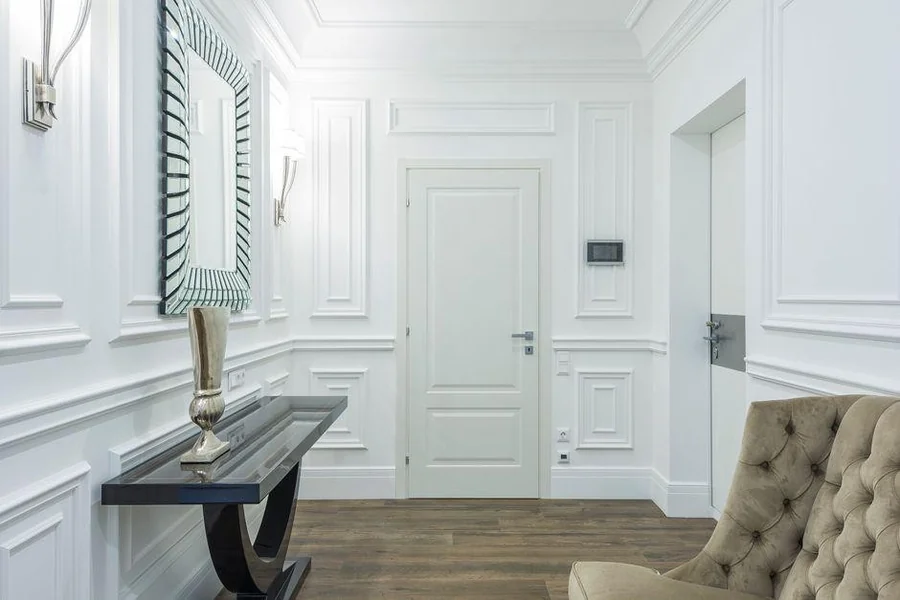
In recent years, the interior design landscape has been revolutionised by the introduction of cutting-edge materials and creative expressions. One such innovation that has captivated the interests of architects and homeowners alike is the wall panel. Specifically, the market for wall panel in Singapore has seen substantial growth, with an emphasis on both functionality and aesthetics. This shift in design philosophy highlights the panels as not just structural necessities but also artistic canvases that define and elevate spaces.
Evolution of Wall Panels
Wall panels have journeyed through a significant transformation over the decades. Originally designed for insulating rooms and dividing spaces, modern wall panels have evolved to encompass a broader spectrum of uses. Advances in materials science have enabled the creation of panels that are not only more durable but also lighter and easier to install. These attributes have made them a favourite among those seeking to modernise both residential and commercial interiors, creating sleek and seamless spaces.
Materials Matter: From Wood to Synthetic
The array of materials used in the fabrication of wall panels today is as diverse as the designs themselves. Traditional wooden panels continue to be favoured for their warmth and natural appeal. However, the contemporary market has seen a rise in the utilisation of synthetic materials. High-density fibreboard, PVC, and acoustic panels are increasingly common, catering to a demand for practical and sustainable solutions. These materials provide multiple benefits, including moisture resistance, soundproofing, and cost efficiency, ensuring their popularity among environmentally conscious consumers.
Design Trends and Aesthetic Appeal
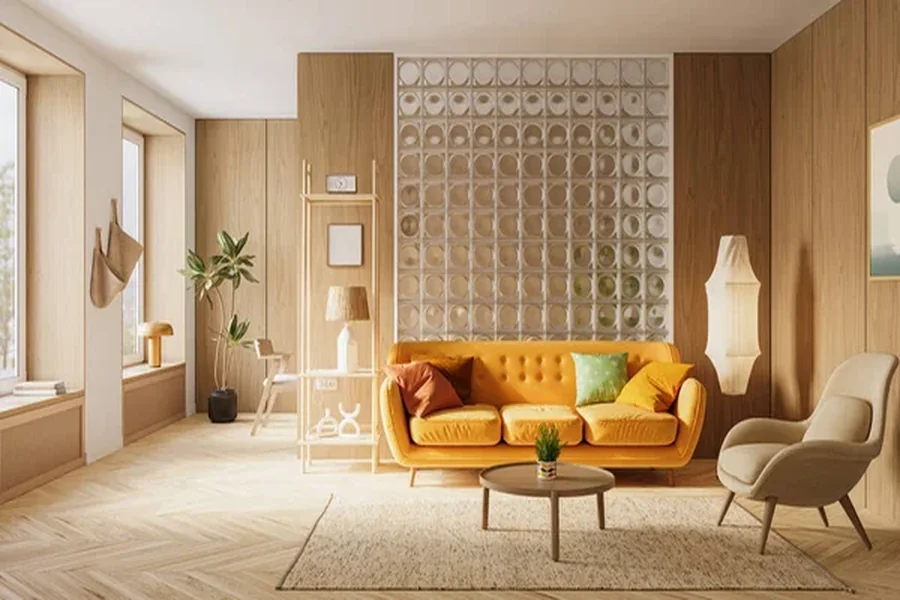
The aesthetic possibilities of wall panels are virtually limitless. Current trends in wall panel design range from minimalist and geometric patterns to intricate and customisable features. This versatility allows designers to tailor their choices to the theme and purpose of the room. Textured panels can add depth and character, while brightly coloured or patterned panels can serve as a focal point in any setting. The ability to mix and match materials and designs makes wall panels an attractive option for creating unique and personalised interiors.
Acoustic Advantages
One of the functional benefits of wall panels is their ability to enhance the acoustics of a space. Many modern panels are designed specifically to reduce noise levels, making them ideal for use in office environments or busy urban settings. Acoustic panels can absorb sound waves and minimise echo, creating a quieter and more comfortable atmosphere. This practical aspect has cemented their status as a crucial component in retrofits and new builds alike, where noise pollution is a consideration.
Versatility in Application
The application of wall panels extends beyond traditional room divisions and decorative surfaces. They are increasingly being used as versatile solutions in various architectural contexts. For example, wall panels can be utilised in creating concealed doors, curating dramatic entryways, or even forming flexible workspaces. Their adaptability is also highlighted in outdoor applications, where weather-resistant materials are employed for elegant exterior façades.
Embrace Sustainability with Eco-Friendly Options
As the call for sustainable living becomes more pressing, many manufacturers are turning to eco-friendly production methods. Recycled materials and low-emission manufacturing processes are now common, a trend driven by consumers advocating for environmentally responsible choices. Sustainable wall panel options not only contribute to reducing a building’s carbon footprint but also enhance indoor air quality, benefiting occupants’ health in the long term.
Cost Considerations and Installation
While cost is always a determining factor, wall panels offer a range of price points suitable for different budgets. The expense varies depending on the material, design complexity, and surface finish. Despite potentially higher initial costs compared to traditional wall coverings, wall panels may provide savings in the long run due to their durability and reduced maintenance needs. Installation is typically straightforward and efficient, contributing further to their cost-effectiveness by lowering labour expenses.
Technological Innovations in Wall Panels
The future of wall panels is bright, with technology paving the way for even more innovative uses. Advancements such as integrated smart technology are emerging, where panels can include features such as embedded lighting, temperature control systems, or even interactive displays. Such technologies align wall panels with the trend towards smarter, more connected living environments, offering occupants greater control over their settings.
The Role of Wall Panels in Commercial Spaces
In commercial settings, wall panels serve multiple roles. They not only contribute to the brand image and ambience but also offer practical benefits such as increased energy efficiency and space optimisation. For example, in retail spaces, strategic placement of wall panels can guide customer flows while also enhancing product displays. In office environments, panels can contribute to flexible spatial configurations necessary for contemporary, dynamic work cultures.
By embracing the full potential of modern wall panel solutions, spaces across Singapore are being transformed into vibrant, efficient, and sustainable settings. Stakeholders within the industry recognise the importance of adapting to these advanced solutions, ensuring that aesthetic desires do not compromise environmental or functional demands. For more insights into the latest offerings, visit Fortesupplies.com to explore a diverse catalogue that meets the evolving requirements of contemporary design.
