
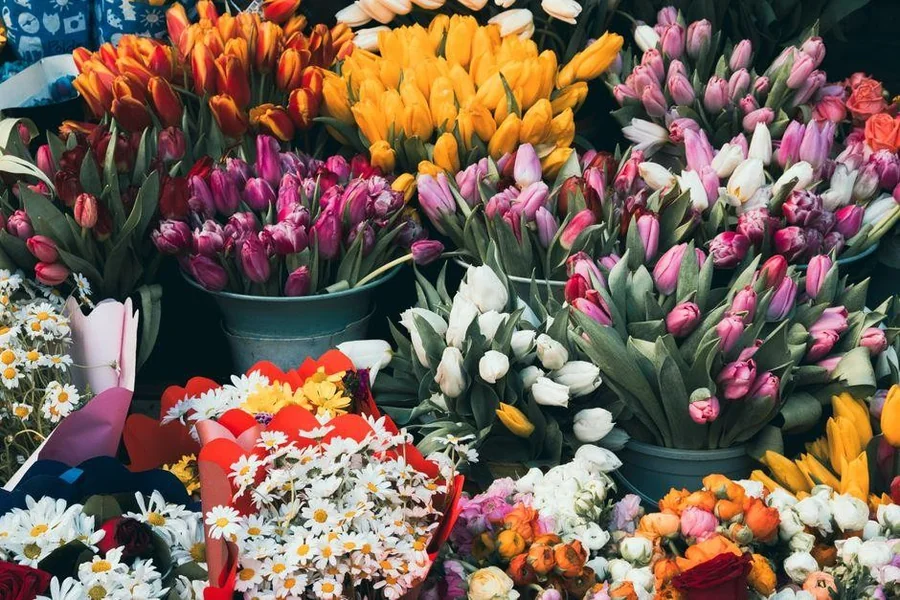
Flowers have an unparalleled ability to convey emotions, brighten spaces, and add an undeniable charm to any occasion. However, the perception that floral arrangements must be costly and extravagant to be impactful often dissuades individuals from purchasing them. This is a common misconception. Crafting an affordable flower bouquet does not mean compromising on style or quality. The key lies in understanding flowers, their combinations, and the artistic elements that create an arrangement that is both appealing and cost-effective.
Understanding Flower Varieties and Seasons
A core component of keeping the cost of a bouquet manageable is the choice of flowers utilised. Each flower has a season when it is most affordable due to abundance. Thus, knowing which flowers are in season can help significantly reduce costs. Commonly, daisies, carnations, and sunflowers are not only perennial favourites but are also budget-friendly for most parts of the year. These blooms thrive in various environments, offering colour and vibrancy without breaking the bank.
Additionally, using locally grown flowers rather than imported varieties can significantly reduce expenses. When flowers don’t have to travel long distances, costs for transport and preservation decrease, contributing to more budget-friendly options for consumers.
Colour Schemes and Visual Impact
When producing a visually stunning bouquet on a budget, colour coordination is critical. Triadic colour schemes can provide contrast and depth without the need for rare or costly blooms. These combinations enhance the visual appeal dramatically, while economical blooms like baby’s breath can add volume and elegance.
Even a single type of flower can make a bold impression when grouped effectively. Monochromatic bouquets using different shades of a single colour provide a sophisticated and uniform look, which can be achieved by carefully selecting flowers within the same hue spectrum.
Incorporating Foliage and Textural Elements
Foliage is a highly effective yet often overlooked element in flower arrangement that can substantially fill bouquets and add intriguing textures. While vibrant blooms catch the eye, greenery like eucalyptus, ferns, and ivy bring both volume and an organic appeal to arrangements. These elements are cost-effective and offer the opportunity to expand the size of the bouquet without the need for additional flowers.
Creative use of textures can bring a bouquet alive. Clusters of berries, dried elements, and even sprigs of herbs not only enhance aesthetics but provide delightful aromas and tactile interest.
DIY Kits: Crafting Your Masterpiece
The emergence of DIY flower kits has revolutionised floral arrangement. With these kits, individuals can try their hand at creating personalised bouquets by selecting a range of stems. Not only do DIY kits often prove to be more economical, but they also offer an outlet for creativity and personal expression.
These kits often come with a selection of instructions and tips for arranging the flowers, accessible even for those not inclined towards botanical artistry. From selecting the focal flowers to choosing complementary fillers, these kits empower everyday individuals to craft a masterpiece that might traditionally be crafted by professionally trained floral designers.
Utilising Vases and Containers
An affordable yet striking bouquet can be elevated by pairing it with an appropriate vase or container. Repurposing jars, teacups, or quirky household items provides an additional layer of personality and charm. A selection of unusual containers not only reduces cost but adds another dimension to the overall display.
When considering the arrangement, it’s crucial to ensure that the vase highlights the bouquet’s best features without overpowering it. Transparent vases are perfect for showing off stems, while coloured ceramic or metal containers can complement the chosen colour scheme.
Sustainable Bouquets and Eco-Friendly Practices
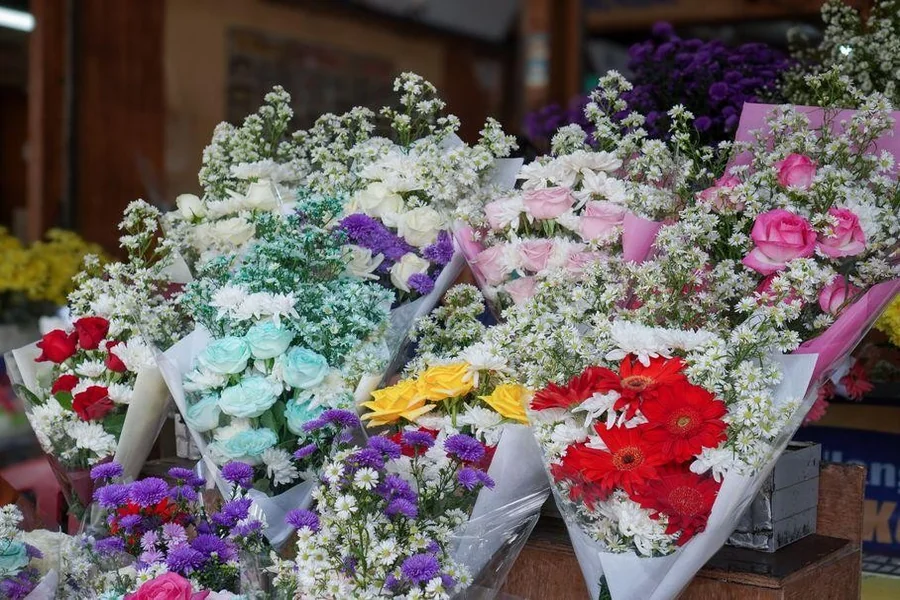
The rising trend of sustainability and environmentally conscious practices has carried over into floral design. Creating a budget-friendly bouquet can align with these principles by utilising reusable materials, biodegradable packaging, and organic gardening principles. Encouraging the use of naturally dried flowers or minimalist packaging can appeal to environmentally conscious consumers.
Sustainable flower arrangements not only cost less in terms of resources but provide an opportunity for florists to educate and inspire clients about ecologically friendly practices. This commitment to sustainability can contribute positively to both the environment and florists’ pocketbooks.
Ordering and Delivery Considerations
For those seeking convenience without overspending, modern technology offers a valuable resource. Online platforms that allow for price comparisons, seasonal discounts, and promotional offerings provide consumers with a plethora of affordable choices. Additionally, the option to order with plenty of lead time can often reduce costs substantially compared to last-minute purchases.
Choosing a direct supplier that has an emphasis on quality and affordability, such as those offering budget-friendly collections, can ensure that a bouquet remains both beautiful and cost-effective, demonstrating that affordability and quality need not be at odds.
Trends in Affordable Flower Arrangements
Contemporary trends in floral arrangements have leaned towards more natural and ‘wild’ styles, which often incorporate a range of different flowers, foliage, and found objects. These styles can be more accommodating to budget constraints as they lean on the charm of imperfection and the whimsical rather than structured and elaborate designs.
Embracing flower minimalism using fewer stems but with a keen eye on balance and composition can result in effortlessly elegant arrangements without requiring an abundance of costly blooms.
Conclusion
Producing an elegant and affordable flower bouquet is achievable with a little knowledge, creativity, and resourcefulness. By capitalising on local blooms, embracing seasonality, playing with textures and combinations, and considering presentation, florists and enthusiasts alike can create remarkable arrangements within budget constraints. Traditional constraints of expenses need not impede the art of floral arrangement, proving that beauty is as much about intention as it is about resources.
