
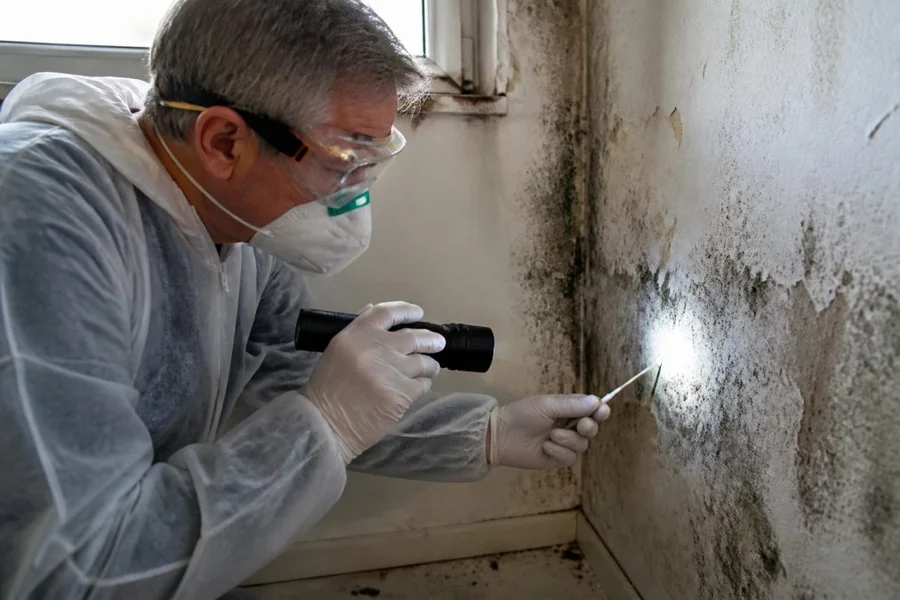
Buying a home takes a massive toll on your savings and your stress levels. Getting the keys to your new property should be a moment of celebration. That excitement quickly becomes a nightmare when you start smelling a musty odor or pulling up fresh carpets to find rotting floorboards. Finding hidden fungus right after you close on a house is a devastating financial blow. Sellers have a strict legal duty to disclose known defects about a property. When they lie on those forms, you are left holding the bag for thousands of dollars in repairs. You do not have to accept this massive financial burden. Holding the previous owner accountable is highly possible. To do this effectively, hiring a qualified mold attorney is often your best path forward.
Proving the Seller Knew About the Damage
The hardest part of suing the seller for concealment is proving what they actually knew prior to the sale. It is never enough to just show that the house has water damage today. You must demonstrate that the previous owner was fully aware of the issue and actively took steps to hide it from you. Active concealment takes many forms. Sometimes it looks like a fresh coat of Kilz paint sprayed over black spots in the basement. Other times, it involves strategically placed boxes or heavy furniture during the open house to block your view of a compromised wall.
Your legal team will look for specific breadcrumbs to prove intent. For example, did the seller recently file an insurance claim for water damage but fail to mention it on the property disclosure statement? Did they hire a contractor to give an estimate for remediation, only to decline the expensive work and quickly list the house instead? These specific actions show deliberate deception. Neighbors can also be surprisingly helpful in these investigations. People talk over the fence, and a neighbor might casually mention the terrible basement flood the previous owners dealt with last spring.
Another common hurdle you might face is the dreaded “as-is” clause. Many sellers mistakenly believe that checking a box saying the home is sold “as-is” gives them a free pass to lie. This is absolutely false. An “as-is” clause simply means the seller refuses to make minor cosmetic repairs before closing. It does not give them permission to commit fraud. If they knew about a toxic environment and failed to disclose it on the mandatory state forms, the “as-is” clause will not protect them in a court of law.
Steps to Take Before Filing a Lawsuit
Your immediate reaction upon finding growth in your walls is probably to grab bleach and start scrubbing. You must resist this urge. Cleaning up the mess destroys the very evidence you need to win your case. If you want to successfully sue the seller for concealment, you need to build an airtight file of proof before you alter the scene.
First, take extensive photographs and videos of the damage exactly as you found it. Document the fresh paint peeling away, the hidden structural rot, or the patched drywall that just gave way. Next, hire an independent environmental hygienist. Do not just call a standard cleanup crew or a handyman. You need a certified professional to test the spores, determine the exact extent of the contamination, and provide a formal written report. This report acts as objective, scientific proof of the problem.
You should also gather every single document from your real estate transaction. Pull your closing paperwork, the seller disclosure form, the home inspector report, and any listing photos you saved from the internet. Your legal representative will compare these documents against the physical evidence to establish a clear timeline of the seller’s deception.
The Seller Versus The Home Inspector
Many buyers immediately want to blame their home inspector when they find hidden problems. While inspectors can certainly make mistakes, they are generally only responsible for issues that are readily visible during a standard walkthrough. An inspector is not legally allowed to punch holes in drywall, rip up fixed carpeting, or dismantle basement paneling. If a seller actively hides a defect behind a false wall or under fresh drywall, the inspector will likely miss it completely.
Your primary target in a lawsuit for active concealment is almost always the previous owner. However, your legal counsel will review the inspection report carefully. If the inspector noted a strong musty smell or high moisture readings on their meter but failed to warn you about the implications, they might share a small portion of the liability. Sorting out exactly who is to blame is a complex process that requires deep familiarity with real estate contracts and state liability laws.
Understanding What You Can Recover
Filing a lawsuit is ultimately about making you whole again. The financial impact of hidden water damage extends far beyond just replacing a piece of drywall. When you take legal action, you can demand compensation for several different types of losses.
- Remediation Costs: This is the most obvious expense. Professional removal, air scrubbing, and structural repairs often cost tens of thousands of dollars depending on the square footage.
- Property Damage: Spores spread quickly through HVAC systems and can ruin your personal belongings. You can ask for reimbursement for destroyed furniture, clothing, and expensive electronics.
- Temporary Housing: If the contamination is severe, your home might be legally uninhabitable during the cleanup process. The seller should cover your hotel bills or short-term apartment rental costs.
- Medical Expenses: Toxic environments cause severe respiratory issues, allergic reactions, and neurological problems. Keep all your doctor bills and pharmacy receipts to prove physical harm.
In cases of extreme and documented fraud, a judge might even award punitive damages. These are extra funds designed specifically to punish the seller for their malicious behavior and discourage others from pulling the same real estate scam in the future.
Why Legal Representation Makes the Difference
Going up against a dishonest seller alone is a frustrating battle. The seller will almost always claim ignorance. They will say they never noticed the smell or they will argue that the leak happened after you took possession of the keys. They might even hire aggressive defense lawyers to try and intimidate you into dropping the issue.
A legal professional knows exactly how to tear down these common defenses. They have the power to subpoena records from local repair companies to see if the seller secretly asked for quotes before putting the house on the market. They understand the specific property laws in your state and know how to corner a dishonest party during depositions.
Your home is likely your biggest investment. You should not have to empty your savings account to fix a massive problem someone else maliciously left behind. By taking decisive action, gathering your evidence quickly, and securing the right help, you can force the responsible party to pay for the damage they caused.
