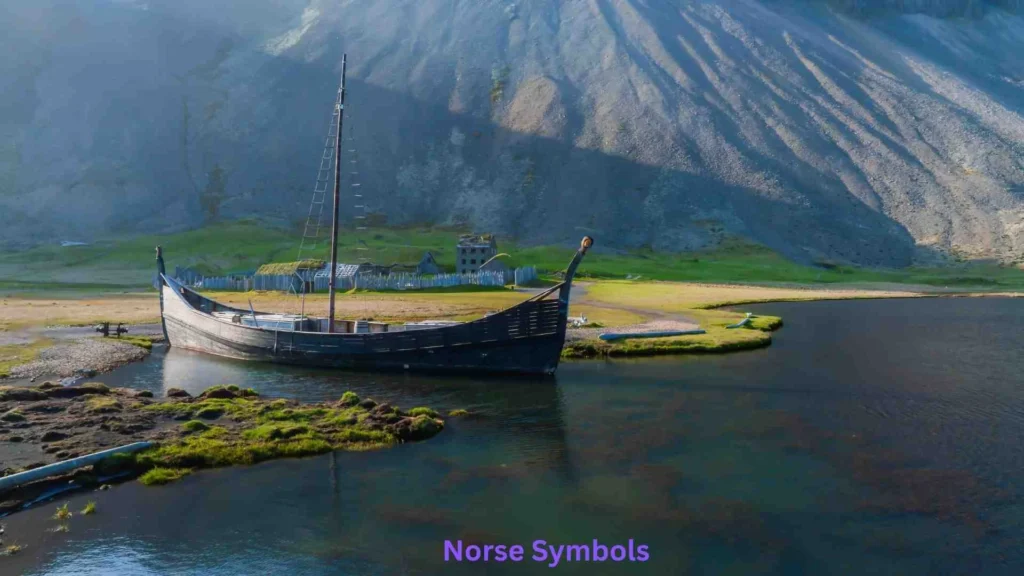
Norse symbols are ancient signs and designs used by the Norse people to represent gods, beliefs, protection, and the universe.
In short, Norse symbols help explain mythology, strength, fate, and spiritual ideas in simple visual forms.
These symbols come from Viking culture and are still popular today in art, tattoos, and storytelling.
What Are Norse Symbols?
Norse symbols are visual signs, carvings, and runic designs used in ancient Scandinavian cultures, especially during the Viking Age.
They were used to:
- Represent gods and mythological ideas
- Offer protection and guidance
- Tell stories and record history
- Express identity and beliefs
These symbols often appear in stones, weapons, jewelry, and manuscripts.
Origins of Norse Symbols
Norse symbols come from the traditions of the ancient Norse people who lived in:
- Norway
- Sweden
- Denmark
- Iceland
Their beliefs are preserved in texts like the Poetic Edda and the Prose Edda.
Importance of Norse Symbols in Viking Culture
Norse symbols were an important part of everyday life.
Why They Mattered
- Provided spiritual protection
- Represented strength and courage
- Connected people to their gods and fate
- Guided warriors in battle
Most Famous Norse Symbols and Their Meanings
1. Mjölnir (Thor’s Hammer) 🔨
Mjölnir is the hammer of Thor.
Meaning
- Represents strength, protection, and power
- Used to bless people and objects
Use
- Worn as pendants
- Carved on stones
2. Valknut – Symbol of Warriors ⚔️
The Valknut consists of three interlocked triangles.
Meaning
- Represents life, death, and the afterlife
- Associated with Odin
Symbolism
- Linked to fallen warriors and Valhalla
3. Yggdrasil – The Tree of Life 🌳
Yggdrasil is a giant mythological tree.
Meaning
- Connects the nine worlds of Norse mythology
- Symbolizes life, growth, and connection
4. Helm of Awe (Ægishjálmur) 🛡️
A powerful protective symbol.
Meaning
- Represents protection and fearlessness
- Used by warriors for strength in battle
5. Vegvisir – The Viking Compass 🧭
A guiding symbol.
Meaning
- Helps travelers find their way
- Symbol of guidance and direction
6. Runes – Ancient Alphabet ✨
Runes are letters used in Norse writing.
Meaning
- Each rune has a symbolic meaning
- Used for magic and communication
7. Fenrir – The Wolf Symbol 🐺
Fenrir is a giant wolf in Norse mythology.
Meaning
- Represents power, chaos, and destiny
8. Ouroboros – The Endless Cycle 🔄
A serpent eating its own tail.
Meaning
- Represents infinity and cycles of life
Mythological Stories Behind Norse Symbols
The Story of Mjölnir
Thor’s hammer was forged by dwarves and used to:
- Protect gods and humans
- Fight giants
The Legend of Yggdrasil
Yggdrasil holds the universe together, with:
- Roots in different worlds
- Creatures living on and around it
Spiritual Meaning of Norse Symbols
Norse symbols reflect deep beliefs.
1. Fate (Wyrd)
- Life is guided by destiny
2. Strength and Courage
- Warriors valued bravery
3. Balance of Life
- Life and death are connected
Practical Applications of Norse Symbols
1. Tattoos
Popular designs include:
- Mjölnir
- Valknut
- Vegvisir
2. Jewelry
Symbols are worn for:
- Protection
- Identity
3. Art and Media
Used in:
- Movies
- Games
- Books
4. Education
Teach history and mythology
Impact of Norse Symbols on Society
1. Cultural Identity
- Preserve Viking heritage
2. Inspiration
- Encourage strength and courage
3. Popular Culture
- Widely used in entertainment
Interesting Facts About Norse Symbols
- Vikings believed symbols had magical power
- Runes were used in rituals
- Mjölnir pendants are still popular today
- Yggdrasil connects all worlds
- Valknut appears on ancient stones
Norse Symbols in Modern Life
Pop Culture
- Featured in movies and series
- Used in video games
Fashion
- Printed on clothing and accessories
Personal Growth
- Used as motivational symbols
Benefits of Understanding Norse Symbols
- Enhances historical knowledge
- Builds cultural awareness
- Inspires personal strength
- Encourages curiosity
- Supports creative expression
Real-Life Examples
Example 1: Tattoos
People choose Vegvisir tattoos for guidance.
Example 2: Jewelry
Mjölnir pendants symbolize protection.
Example 3: Branding
Companies use Viking symbols for strength and identity.
Frequently Asked Questions (FAQs)
1. What are Norse symbols?
They are ancient symbols used by Norse people to represent beliefs, gods, and ideas.
2. What is the most powerful Norse symbol?
Mjölnir is one of the most powerful symbols of strength and protection.
3. What does the Valknut represent?
It represents life, death, and the afterlife.
4. Are Norse symbols still used today?
Yes, they are popular in tattoos, art, and fashion.
5. What are runes?
Runes are an ancient alphabet with symbolic meanings.
Conclusion
Norse symbols are more than ancient designs they are powerful representations of strength, belief, and mythology.
From Thor’s mighty hammer to the world tree Yggdrasil, each symbol carries deep meaning and timeless wisdom.
By understanding Norse symbols, we connect with history, culture, and the enduring human desire for strength and guidance.

Isaac Wellington
I’ve always been fascinated by the hidden stories in everyday life and the power of words to change how we see the world. Writing, for me, isn’t just a profession—it’s a way to explore human emotions, mysteries, and the unexpected twists of life. Over the years, I’ve dedicated myself to creating stories that linger in your mind long after the last page. When I’m not writing, you’ll usually find me wandering through old libraries or sketching ideas in a notebook. I believe every story has a heartbeat, and I aim to capture that rhythm in my work. Join me on a journey where imagination meets reality, and the ordinary becomes extraordinary.
Books:
-
Shadows of the Forgotten
-
Whispers Through Time