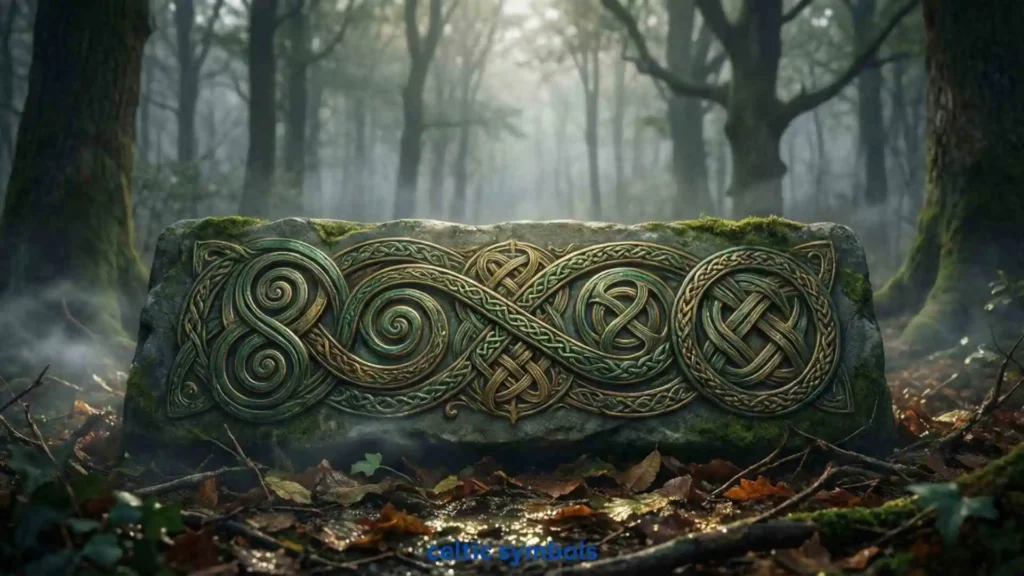
Celtic symbols are ancient signs used by the Celts to represent life, nature, spirituality, and eternal connections.
Short answer: these symbols carry deep meanings about balance, protection, and the cycle of life.
Today, Celtic symbols are still popular in jewelry, tattoos, art, and spiritual practices because their messages feel timeless and powerful.
Learning their meanings helps us connect with ancient wisdom in a simple, meaningful way.
Who Were the Celts?
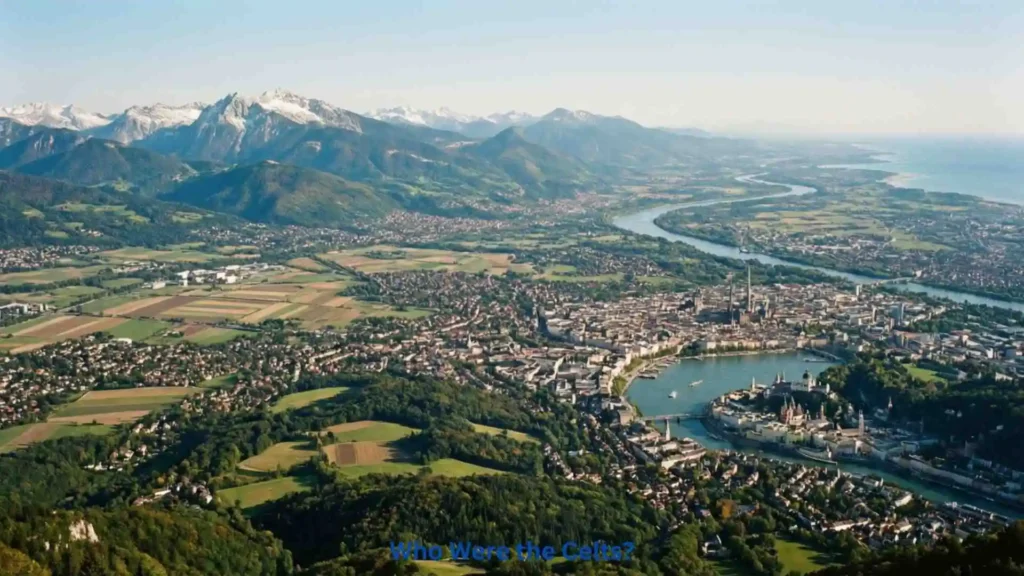
The Celts were an ancient group of people who lived across:
- Ireland
- Scotland
- Wales
- Parts of England
- Mainland Europe
They flourished from around 1200 BCE and were known for their strong connection to nature, spirituality, and symbolism. Since early Celts relied on oral tradition, symbols became a powerful way to express beliefs and values.
Why Celtic Symbols Are Important
Celtic symbols mattered deeply because they:
- Represented spiritual beliefs
- Told stories without written language
- Offered protection and guidance
- Connected humans with nature and the divine
Even today, Celtic symbols remain meaningful across cultures and generations.
The Core Themes Behind Celtic Symbols
Most Celtic symbols revolve around a few key ideas:
- Eternity and continuity
- Interconnection of life
- Nature and the elements
- Balance between mind, body, and spirit
This is why many Celtic symbols have no beginning and no end.
The Celtic Knot: Symbol of Eternity
Meaning of the Celtic Knot
The Celtic knot is one of the most recognizable Celtic symbols.
It represents:
- Eternal life
- Endless love
- Interconnectedness
Because it has no start or finish, it symbolizes infinity.
Practical Uses
- Jewelry (rings, pendants)
- Tattoos
- Wedding symbols
- Artwork and logos
The Celtic knot is often chosen to represent lifelong bonds.
The Trinity Knot (Triquetra)
Symbolic Meaning
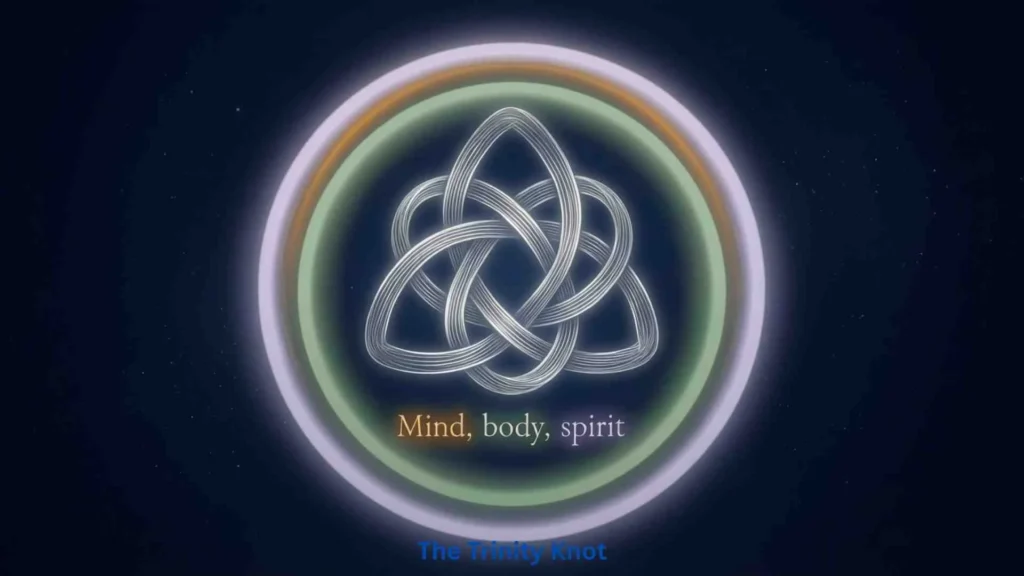
The Trinity Knot consists of three interconnected loops.
It represents:
- Life, death, rebirth
- Mind, body, spirit
- Past, present, future
In Christian times, it also symbolized the Holy Trinity.
Modern Applications
- Religious jewelry
- Spiritual tattoos
- Celtic art designs
Its simplicity and depth make it one of the most powerful Celtic symbols.
The Celtic Cross
History and Meaning
The Celtic Cross combines:
- A traditional Christian cross
- A circle symbolizing eternity
It represents:
- Faith and spirituality
- The union of heaven and earth
- Balance between physical and spiritual worlds
Where It’s Seen Today
- Grave markers
- Churches
- Jewelry
- Cultural monuments
The Celtic Cross reflects the blending of pagan and Christian beliefs.
The Tree of Life (Crann Bethadh)
Deep Symbolism
The Celtic Tree of Life symbolizes:
- Strength and wisdom
- Connection between worlds
- Growth and renewal
Celts believed trees connected:
- The underworld (roots)
- The earth (trunk)
- The heavens (branches)
Modern Meaning
Today, it stands for:
- Family roots
- Personal growth
- Balance in life
The Claddagh Symbol
Origin and Story
The Claddagh symbol shows:
- Two hands holding a heart
- A crown on top
It represents:
- Love (heart)
- Loyalty (crown)
- Friendship (hands)
Legend says it originated in Ireland as a symbol of eternal love.
Practical Uses
- Wedding rings
- Friendship gifts
- Engagement jewelry
The Claddagh remains a powerful symbol of human connection.
The Celtic Spiral
Meaning of the Spiral
Spirals are among the oldest Celtic symbols.
They represent:
- Growth and expansion
- Spiritual journey
- Life cycles
Triple Spiral (Triskele)
The triple spiral symbolizes:
- Motion and progress
- Three realms of existence
- Balance and harmony
It is commonly found in ancient stone carvings like Newgrange in Ireland.
Animal Symbols in Celtic Culture
The Celtic Wolf
- Symbol of loyalty and protection
- Guardian of the forest
The Celtic Raven
- Associated with prophecy and transformation
- Linked to the goddess Morrigan
The Celtic Stag
- Symbol of strength and masculinity
- Represents leadership and renewal
Animals played a sacred role in Celtic symbolism.
Celtic Symbols and Nature
Celts deeply respected nature, and many symbols reflect natural elements:
- Sun: energy and life
- Moon: femininity and intuition
- Water: healing and renewal
- Fire: transformation and passion
These symbols show harmony between humans and the natural world.
Celtic Symbols in Ancient Art and Manuscripts
The Book of Kells
One of the most famous Celtic manuscripts:
- Filled with intricate knotwork
- Rich symbolic imagery
- Still studied today
Stone Carvings
- Standing stones
- High crosses
- Burial sites
These preserved Celtic symbols for future generations.
Celtic Symbols in Modern Life
Jewelry and Fashion
- Necklaces
- Rings
- Bracelets
Tattoos
- Personal identity
- Spiritual meaning
- Cultural pride
Home Decor
- Wall art
- Furniture designs
- Spiritual spaces
Celtic symbols continue to adapt to modern expression.
Practical Applications of Celtic Symbols
Personal Meaning
People choose Celtic symbols to represent:
- Love and commitment
- Strength during hardship
- Spiritual beliefs
Cultural Identity
- Irish and Scottish heritage
- Ancestral pride
Meditation and Healing
- Focus tools
- Mindfulness symbols
- Emotional grounding
Celtic symbols offer both beauty and purpose.
Impact and Benefits of Celtic Symbols on Society
Cultural Preservation
- Keep ancient traditions alive
- Educate younger generations
Emotional Connection
- Provide comfort and meaning
- Strengthen identity
Artistic Inspiration
- Influence modern design
- Encourage creativity
Celtic symbols bridge history and modern life.
Interesting Facts About Celtic Symbols
- Many symbols are over 2,000 years old
- Most have no written explanation—meanings evolved over time
- Knotwork often took months to create by hand
- Some symbols were used for protection in battle
- Celtic designs influenced medieval European art
Celtic Symbols Across Different Regions
Ireland
- Claddagh
- Trinity Knot
Scotland
- Celtic Cross
- Knotwork patterns
Wales
- Spirals
- Nature symbols
Each region added its own style and meaning.
Learning and Understanding Celtic Symbols Today
Best ways to learn:
- Study history and myths
- Visit museums
- Read Celtic folklore
- Observe symbol patterns
Understanding context deepens appreciation.
Frequently Asked Questions (FAQs)
1. What do Celtic symbols represent?
They represent spirituality, nature, eternity, and human connection.
2. Are Celtic symbols religious?
Some are spiritual or Christian, while others are pagan or cultural.
3. Can anyone use Celtic symbols?
Yes, many people use them respectfully for personal meaning.
4. Why do Celtic symbols have no beginning or end?
They symbolize eternal life and infinite connection.
5. Are Celtic symbols still relevant today?
Yes, they are widely used in art, fashion, and spiritual practices.
Conclusion
Celtic symbols are timeless expressions of life, balance, and connection. From ancient stones to modern jewelry, they continue to tell stories of love, strength, and spirituality.
By understanding Celtic symbols, we gain insight into an ancient culture that valued harmony with nature and the eternal flow of life.
Their meanings remain just as powerful today as they were thousands of years ago.

Elliot Kensington
Elliot Kensington is a storyteller at heart, always fascinated by the hidden corners of human imagination. From a young age, he found comfort in books and the worlds they created, inspiring him to craft tales that blend emotion, suspense, and wonder. His writing journey began with short stories that captured fleeting moments of life, and over time, evolved into novels that explore both the extraordinary and the everyday. Elliot believes that every story holds a piece of the soul, and his mission is to connect readers to those moments that linger long after the last page. When he’s not writing, he enjoys exploring nature, capturing moments through photography, and seeking inspiration in the little things.
Books by Elliot Kensington:
-
Shadows of Tomorrow
-
The Whispering Path