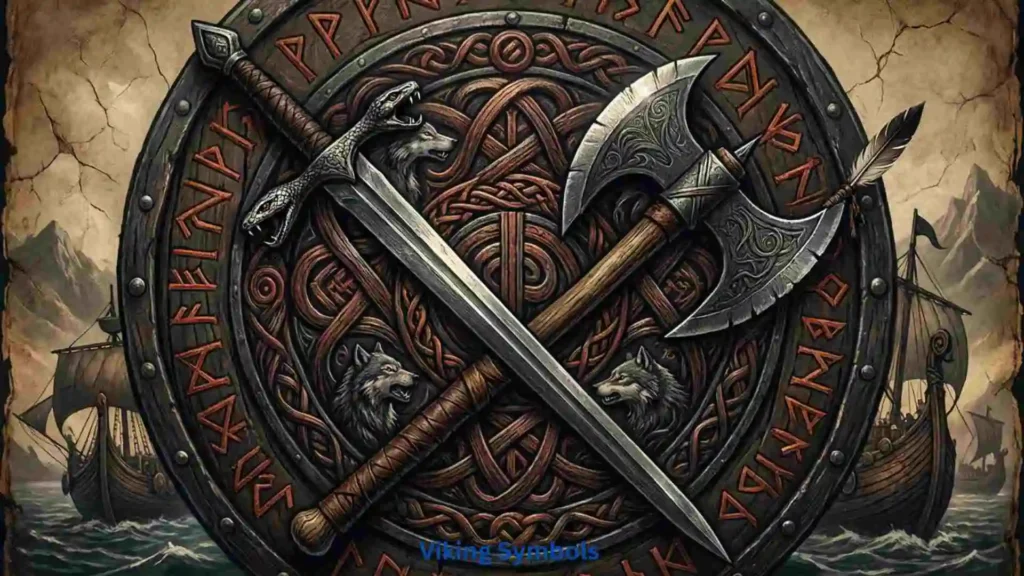
Viking symbols are ancient signs used by the Norse people to represent strength, protection, gods, and the mysteries of life.
Short answer: these symbols carried deep meanings connected to mythology, courage, and destiny.
Today, Viking symbols are popular in tattoos, jewelry, games, and movies because they represent power, identity, and ancient wisdom.
Learning their meanings helps us understand Viking culture in a simple and exciting way.
What Are Viking Symbols?
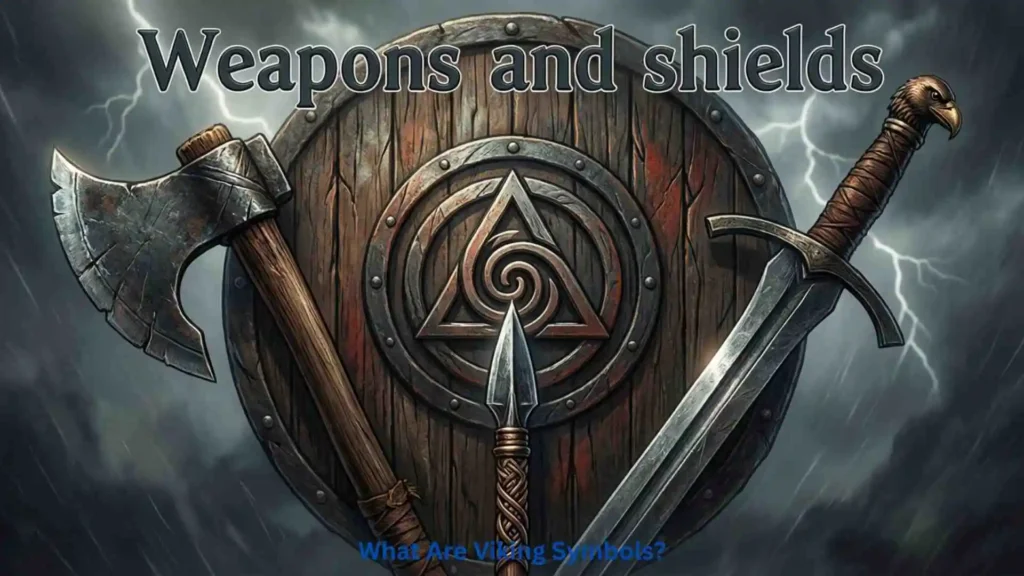
Viking symbols are visual representations used during the Viking Age (roughly 800–1100 AD) across Scandinavia. These symbols were carved into:
- Weapons and shields
- Jewelry and amulets
- Ships and tools
- Stones and runes
They carried spiritual, protective, and cultural meanings rather than being decorative only.
The Role of Symbols in Viking Life
Viking symbols were part of everyday life. They were believed to:
- Protect warriors in battle
- Bring guidance during sea voyages
- Honor gods and ancestors
- Represent fate and destiny
In a dangerous and unpredictable world, symbols offered comfort and strength.
Viking Symbols and Norse Mythology
Norse mythology played a major role in shaping Viking symbols. The Vikings believed in many gods, including:
- Odin – god of wisdom and war
- Thor – god of thunder and protection
- Loki – god of chaos and change
Each god was connected to specific symbols that reflected their powers and personalities.
Most Famous Viking Symbols and Their Meanings
Mjölnir (Thor’s Hammer)
Mjölnir is the most well-known Viking symbol.
Meaning:
- Protection
- Strength
- Blessings
- Power of Thor
Vikings wore hammer-shaped amulets to protect themselves and their families. Archaeologists have found thousands of Mjölnir pendants across Scandinavia.
Valknut
The Valknut consists of three interlocking triangles.
Meaning:
- Death and the afterlife
- Odin’s power
- Fallen warriors
It is often linked to Valhalla, where warriors chosen by Odin were taken after death.
Yggdrasil (The World Tree)
Yggdrasil represents the entire Norse universe.
Meaning:
- Life and connection
- Balance between worlds
- Fate and destiny
The tree connects nine realms, including Asgard, Midgard, and Hel.
Vegvísir (Viking Compass)
Often called the Viking compass.
Meaning:
- Guidance
- Protection
- Finding the right path
According to legend, whoever carried Vegvísir would never lose their way—even in storms.
Aegishjalmur (Helm of Awe)
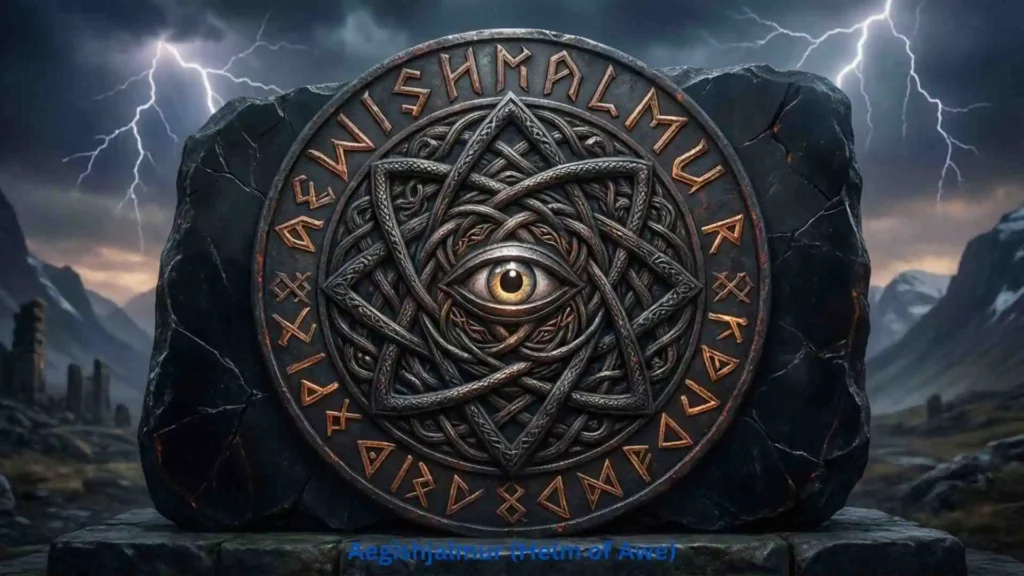
A powerful magical symbol.
Meaning:
- Fearlessness
- Protection in battle
- Mental strength
Viking warriors believed it gave them courage and struck fear into enemies.
Viking Runes: Symbols with Sound and Power
Runes were more than letters—they were symbols filled with meaning.
Elder Futhark Runes
The oldest runic alphabet had 24 symbols.
Each rune represented:
- A sound
- A concept
- A spiritual idea
Examples of Important Runes
- Fehu – wealth and success
- Uruz – strength and endurance
- Algiz – protection
- Raidho – journey and movement
Runes were carved on stones, weapons, and charms.
Viking Symbols in Warfare
Vikings believed symbols could change the outcome of battles.
On Weapons and Armor
- Carved runes for victory
- Thor’s hammer for protection
- Fear-inducing symbols on shields
Symbols boosted morale and confidence.
Viking Symbols in Daily Life
Viking symbols were not only for warriors.
In Homes
- Protective carvings
- Symbols for good harvests
- Ancestral signs
In Jewelry
- Amulets for luck
- Identity and belief expression
- Status symbols
Even children wore symbolic charms.
Viking Symbols and Seafaring
The sea was central to Viking life.
Symbols helped:
- Protect ships
- Guide navigation
- Honor sea gods
Many ships featured carved dragon heads believed to scare away evil spirits.
Women and Viking Symbols
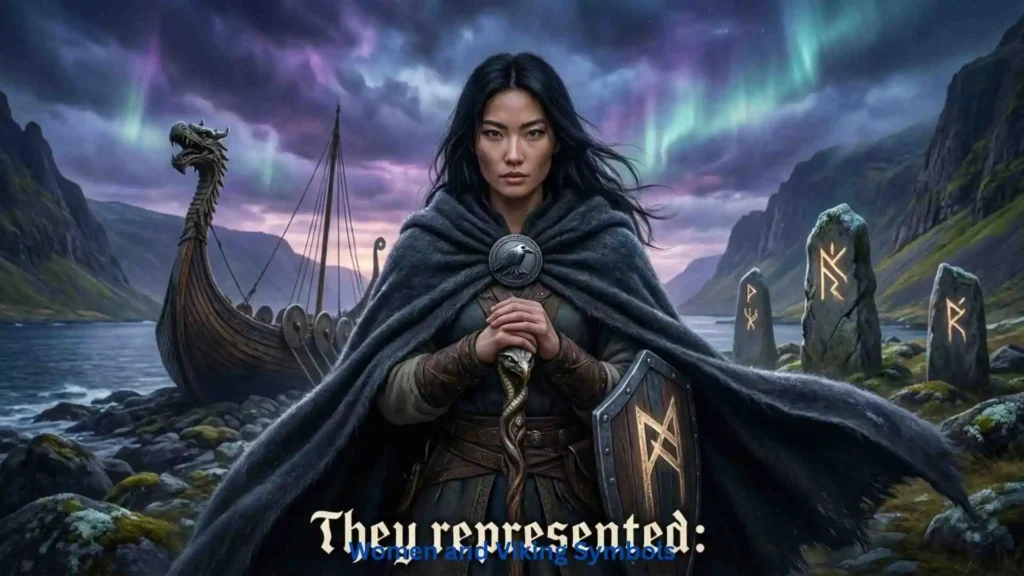
Viking women also used symbols.
They represented:
- Fertility
- Family protection
- Household power
Women often wore symbolic brooches and pendants, showing spiritual authority.
Viking Symbols and Magic (Seidr)
Seidr was a form of Norse magic.
Symbols were used to:
- Predict the future
- Influence fate
- Communicate with spirits
Odin himself was believed to practice magical knowledge using symbols.
Viking Symbols vs. Modern Misuse
Some Viking symbols have been misused in modern times.
Important Clarification
- Ancient Viking symbols were spiritual and cultural
- They were not created for hate or violence
- Modern misuse does not reflect original meanings
Learning history helps prevent misunderstanding.
Practical Applications of Viking Symbols Today
Jewelry and Fashion
- Necklaces and rings
- Bracelets and tattoos
- Symbolic personal expression
Art and Design
- Logos
- Illustrations
- Interior decor
Personal Growth
- Strength motivation
- Identity exploration
- Spiritual connection
Many people use Viking symbols for inspiration rather than belief.
Impact of Viking Symbols on Society
Cultural Preservation
- Keep Norse history alive
- Encourage interest in ancient cultures
Education
- Teach mythology and symbolism
- Promote historical curiosity
Creative Industries
- Movies, games, and books
- Viking-themed storytelling
Viking symbols continue to shape modern culture.
Viking Symbols in Movies and Media
Popular shows and games:
- Vikings
- God of War
- Assassin’s Creed Valhalla
These bring ancient symbols into modern storytelling.
Interesting Facts About Viking Symbols
- Vikings did not use symbols randomly
- Many symbols were carved before battles
- Some symbols were kept secret
- Runes were believed to hold magic
- Symbols varied by region
Each symbol had purpose and meaning.
Viking Symbols Around the World
Viking influence spread across:
- Scandinavia
- England
- Ireland
- Iceland
- Russia
Symbols traveled with explorers and settlers.
How to Respect Viking Symbols Today
- Learn the history
- Understand meanings
- Avoid harmful misuse
- Appreciate cultural context
Respect turns curiosity into knowledge.
Frequently Asked Questions (FAQs)
1. What are Viking symbols used for?
They were used for protection, spirituality, identity, and communication.
2. Are Viking symbols religious?
Many are connected to Norse gods and beliefs, but some were cultural.
3. Are Viking symbols still used today?
Yes, in art, fashion, tattoos, and personal symbolism.
4. Did Vikings believe symbols had power?
Yes, they believed symbols could influence fate and protection.
5. Are Viking symbols historically accurate in media?
Some are accurate, others are modern interpretations.
Conclusion
Viking symbols are powerful reminders of an ancient culture built on courage, belief, and connection to nature.
These symbols were not just decorations they were meaningful signs that guided Vikings through life, battle, and the unknown.
Today, Viking symbols continue to inspire people around the world, offering lessons of strength, balance, and identity.
By understanding their true meanings, we honor history while keeping ancient wisdom alive.

Isaac Wellington
I’ve always been fascinated by the hidden stories in everyday life and the power of words to change how we see the world. Writing, for me, isn’t just a profession—it’s a way to explore human emotions, mysteries, and the unexpected twists of life. Over the years, I’ve dedicated myself to creating stories that linger in your mind long after the last page. When I’m not writing, you’ll usually find me wandering through old libraries or sketching ideas in a notebook. I believe every story has a heartbeat, and I aim to capture that rhythm in my work. Join me on a journey where imagination meets reality, and the ordinary becomes extraordinary.
Books:
-
Shadows of the Forgotten
-
Whispers Through Time