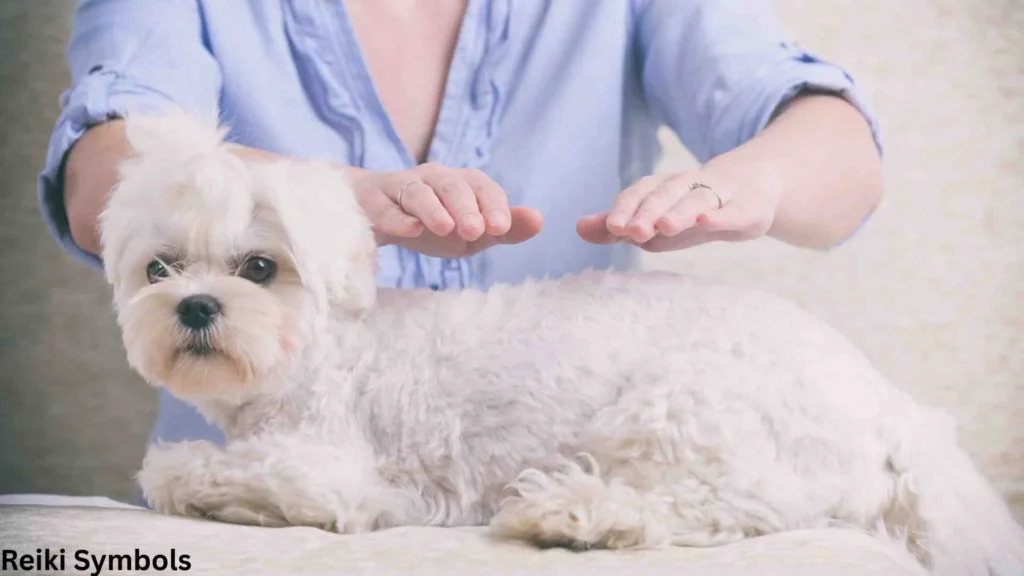
Reiki symbols are sacred signs used in Reiki healing to focus and guide spiritual energy. In simple terms, Reiki symbols help practitioners strengthen healing energy, connect with emotional balance, and send healing across distance. These symbols are part of a traditional Japanese healing system that focuses on harmony between the mind, body, and spirit.
For many Reiki practitioners, symbols act like keys that unlock different types of healing energy. Although they are simple shapes, each symbol carries deep spiritual meaning and powerful intention.
What Are Reiki Symbols?
Reiki symbols are special characters used in the Reiki healing practice to direct and amplify universal life energy.
The word Reiki comes from two Japanese words:
- Rei – universal or spiritual wisdom
- Ki – life force energy
Together, Reiki means universal life energy.
Practitioners use Reiki symbols during meditation, healing sessions, or spiritual practices to improve the flow of energy and encourage healing.
These symbols are usually taught during Reiki training or attunement, where students learn how to draw and activate them.
The Origin and History of Reiki Symbols
Reiki healing was developed in Japan in the early 1900s by Mikao Usui, a spiritual teacher and healer.
According to tradition, Usui discovered Reiki during a 21-day meditation retreat on Mount Kurama in Japan.
During this spiritual experience, he gained insight into:
- Universal healing energy
- Spiritual awareness
- The use of sacred symbols
These Reiki symbols were passed down through Reiki masters and became part of the Reiki teaching system.
Over time, Reiki spread across the world and is now practiced in many countries.
Why Reiki Symbols Are Important
Reiki symbols are believed to focus and strengthen healing energy.
They help practitioners channel energy more effectively and connect with deeper levels of healing.
Benefits of Using Reiki Symbols
Reiki practitioners believe these symbols can help with:
- Emotional healing
- Stress reduction
- Spiritual growth
- Energy balance
- Distance healing
While Reiki is considered a complementary wellness practice, many people find it helpful for relaxation and inner peace.
The Four Main Reiki Symbols
Traditional Reiki practice includes several symbols, but four are considered the most commonly used.
These symbols are typically taught during Reiki Level 2 and Master training.
Cho Ku Rei | The Power Symbol
The Cho Ku Rei symbol is known as the power symbol in Reiki.
Meaning of Cho Ku Rei
Cho Ku Rei represents:
- Power
- Energy amplification
- Protection
Many practitioners believe this symbol increases the strength of Reiki energy.
How It Is Used
Reiki practitioners may use Cho Ku Rei to:
- Begin a healing session
- Cleanse a room’s energy
- Protect a person or space
- Strengthen other Reiki symbols
Because of its strong energy, it is often used at the start and end of Reiki treatments.
Sei He Ki | The Emotional Healing Symbol
The Sei He Ki symbol focuses on emotional and mental healing.
Meaning of Sei He Ki
This symbol represents:
- Emotional balance
- Harmony between mind and body
- Release of negative energy
It is sometimes called the mental or emotional symbol.
How It Is Used
Practitioners may use Sei He Ki for:
- Stress relief
- Emotional healing
- Breaking negative habits
- Improving mental clarity
Many Reiki healers believe this symbol helps balance emotions and thoughts.
Hon Sha Ze Sho Nen | The Distance Healing Symbol
The Hon Sha Ze Sho Nen symbol is known as the distance healing symbol.
Meaning of the Symbol
This symbol represents the idea that energy is not limited by time or space.
It allows Reiki practitioners to send healing energy to someone who is not physically present.
How It Is Used
Practitioners may use this symbol for:
- Distance healing sessions
- Healing past emotional experiences
- Supporting someone far away
- Sending positive energy across time
Many Reiki practitioners use this symbol during remote healing sessions.
Dai Ko Myo – The Master Symbol
The Dai Ko Myo symbol is considered the most powerful Reiki symbol.
It is taught during Reiki Master training.
Meaning of Dai Ko Myo
This symbol represents:
- Spiritual enlightenment
- Master-level healing
- Deep transformation
It is believed to connect practitioners with higher spiritual awareness.
How It Is Used
Reiki masters may use Dai Ko Myo to:
- Perform powerful healing sessions
- Teach Reiki students
- Support spiritual growth
- Enhance other Reiki symbols
Many practitioners consider this symbol the heart of the Reiki system.
How Reiki Symbols Are Activated
Reiki symbols are not just drawn as shapes. Practitioners usually follow a special process when using them.
Steps Often Used in Reiki Practice
- Drawing the symbol in the air or on the hands
- Saying the symbol’s name silently or aloud
- Visualizing the symbol’s energy
- Focusing intention on healing
Intention plays a major role in Reiki healing.
Practitioners believe the energy follows the intention of the healer.
Practical Applications of Reiki Symbols
Reiki symbols can be used in many everyday situations.
Personal Healing
People may use Reiki symbols during meditation or self-healing sessions.
Possible benefits include:
- Relaxation
- Emotional balance
- Reduced stress
Many practitioners use Reiki before sleep to encourage calmness and peace.
Energy Cleansing
Reiki symbols are sometimes used to cleanse the energy of spaces.
Practitioners may use them in:
- Homes
- Offices
- Meditation rooms
The goal is to create a peaceful and balanced environment.
Supporting Emotional Wellbeing
Some practitioners use Reiki symbols to support emotional healing.
Examples include helping with:
- Anxiety
- Emotional stress
- Negative thought patterns
While Reiki is not a medical treatment, many people find it helpful for emotional support and relaxation.
Distance Healing Sessions
Reiki practitioners often perform distance healing using the Hon Sha Ze Sho Nen symbol.
During these sessions, the practitioner focuses on the person receiving healing while visualizing the symbol.
Many Reiki practitioners believe that energy can travel beyond physical distance.
Reiki Symbols in Meditation and Spiritual Growth
Many people use Reiki symbols during meditation.
These symbols can help focus the mind and deepen spiritual awareness.
Meditation Practices with Reiki Symbols
Some common practices include:
- Visualizing the symbol during meditation
- Drawing the symbol in a journal
- Focusing on the symbol’s meaning
This can help individuals develop mindfulness and inner calm.
Impact of Reiki Symbols on Modern Society
Although Reiki began in Japan, it is now practiced worldwide.
Wellness and Holistic Health
Reiki is often included in holistic wellness programs.
Some hospitals and wellness centers offer Reiki sessions to support relaxation.
Stress Management
Modern life can be stressful.
Many people explore Reiki symbols and practices to improve:
- Relaxation
- Mental clarity
- Emotional balance
Personal Development
Reiki practices encourage:
- Self-awareness
- Compassion
- Mindfulness
These values can support positive personal growth.
Interesting Facts About Reiki Symbols
Here are some fascinating facts about Reiki symbols:
- Reiki symbols were traditionally kept secret and only taught to trained practitioners.
- The original Reiki teachings emphasized spiritual growth and compassion.
- Reiki is now practiced in more than 100 countries.
- Some practitioners combine Reiki with meditation or yoga.
- Reiki sessions are usually peaceful and relaxing experiences.
Tips for Beginners Learning Reiki Symbols
If you are interested in learning Reiki symbols, these tips may help.
Start with Reiki Training
Reiki symbols are typically taught during Reiki Level 2 training.
A qualified Reiki teacher can guide students through proper practice.
Practice Visualization
Visualization helps strengthen the connection between the practitioner and the symbol.
Beginners can practice imagining the symbol clearly in their mind.
Focus on Intention
Reiki emphasizes positive intention.
Practitioners focus on healing, compassion, and balance.
Frequently Asked Questions (FAQ)
What are Reiki symbols used for?
Reiki symbols are used to focus and direct healing energy during Reiki healing sessions and meditation practices.
How many Reiki symbols are there?
Traditional Reiki practice commonly includes four main symbols, although some advanced systems include additional ones.
Who created Reiki symbols?
Reiki symbols were introduced through the teachings of Mikao Usui, the founder of the Reiki healing system.
Do you need training to use Reiki symbols?
Yes, Reiki symbols are usually taught during Reiki training or attunement sessions with a qualified Reiki teacher.
Can Reiki symbols heal illnesses?
Reiki is considered a complementary wellness practice that supports relaxation and wellbeing, but it is not a replacement for medical treatment.
Conclusion
Reiki symbols are an important part of the Reiki healing tradition. These sacred symbols help practitioners focus healing energy, encourage emotional balance, and support spiritual growth.
From the powerful Cho Ku Rei symbol to the spiritual Dai Ko Myo master symbol, each one carries a unique meaning and purpose within Reiki practice.
Today, Reiki symbols are used around the world as part of meditation, holistic wellness, and energy healing traditions. Whether someone practices Reiki regularly or simply learns about these symbols out of curiosity, they offer valuable insight into the connection between energy, intention, and inner harmony.
Meta Description (160 characters)
Discover Reiki symbols, their meanings, history, and uses in energy healing. Learn how these sacred symbols support relaxation, balance, and spiritual growth.

Elliot Kensington
Elliot Kensington is a storyteller at heart, always fascinated by the hidden corners of human imagination. From a young age, he found comfort in books and the worlds they created, inspiring him to craft tales that blend emotion, suspense, and wonder. His writing journey began with short stories that captured fleeting moments of life, and over time, evolved into novels that explore both the extraordinary and the everyday. Elliot believes that every story holds a piece of the soul, and his mission is to connect readers to those moments that linger long after the last page. When he’s not writing, he enjoys exploring nature, capturing moments through photography, and seeking inspiration in the little things.
Books by Elliot Kensington:
-
Shadows of Tomorrow
-
The Whispering Path