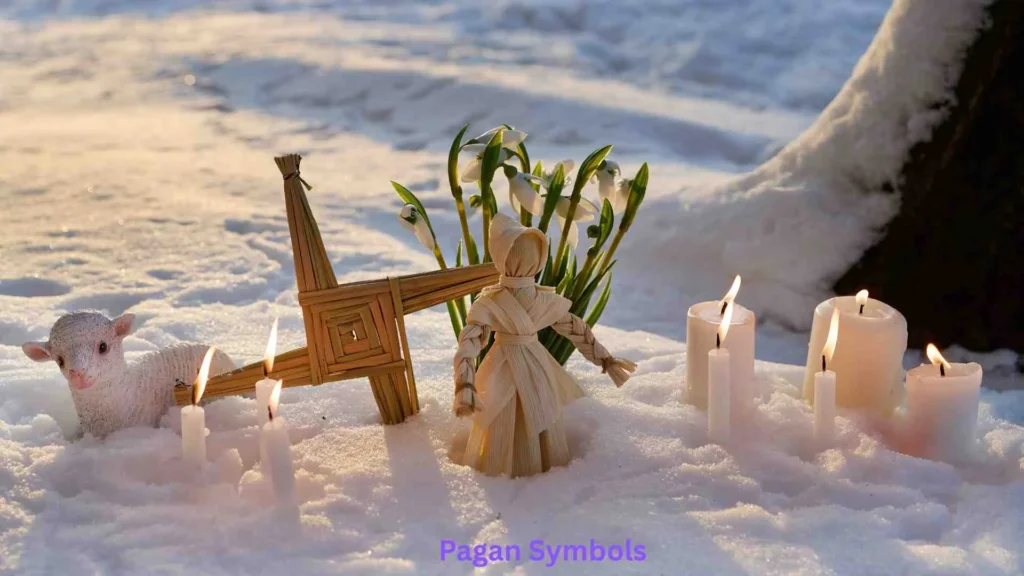
Pagan symbols are ancient signs and icons used in pagan religions to represent spiritual beliefs, natural elements, and mystical powers.
In short, pagan symbols convey spiritual meaning, protect, and connect humans with nature and the divine.
These symbols have been used for thousands of years and remain relevant today in rituals, art, jewelry, and modern spirituality.
What Are Pagan Symbols?
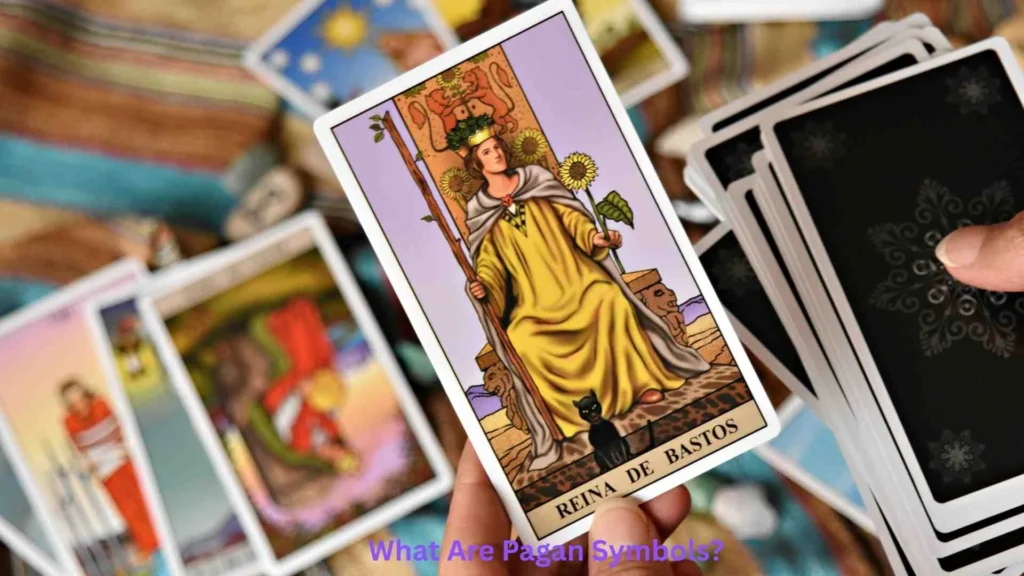
Pagan symbols are visual representations of spiritual concepts used in pagan religions, which often focus on nature, gods and goddesses, and the cycles of life. They can take many forms:
- Geometric designs
- Animal representations
- Natural elements
- Ritualistic markings
Purpose of Pagan Symbols
- Represent spiritual beliefs and deities
- Protect people and spaces
- Channel energy for rituals and spells
- Serve as a connection to nature and the universe
History of Pagan Symbols
Pagan symbols have been around for thousands of years, appearing in various cultures across Europe, the Middle East, and Asia:
- Ancient Celts: Used knots and spirals for protection and eternity
- Greek and Roman Pagans: Symbols represented gods, goddesses, and elements
- Norse Traditions: Runes and magical symbols used in rituals and for protection
- Egyptian Pagans: Sacred animals and symbols like the Ankh
Key Highlights
- First used in rituals, worship, and daily life
- Carved into temples, stones, and tools
- Passed down through generations, often secretly due to persecution
Common Pagan Symbols and Their Meanings
1. Pentacle or Pentagram ⭐
- Shape: Five-pointed star within a circle
- Meaning: Represents the five elements (earth, air, fire, water, spirit)
- Use: Protection, rituals, and balance
2. Triple Moon 🌙
- Shape: Waxing, full, and waning moon
- Meaning: Represents the Maiden, Mother, and Crone—phases of womanhood
- Use: Feminine energy, spiritual growth
3. Ankh ☥
- Shape: Cross with a loop at the top
- Meaning: Life, immortality, and divine energy
- Use: Protection and connection to spiritual life
4. Spiral 🌀
- Shape: Continuous circular or spiral line
- Meaning: Life cycles, growth, and spiritual evolution
- Use: Meditation and ritual focus
5. Tree of Life 🌳
- Shape: A tree connecting roots and branches
- Meaning: Connection between earth and sky, life and death
- Use: Spiritual grounding, growth, and interconnectedness
6. Rune Symbols ᚠᚢᚦ
- Origin: Norse tradition
- Meaning: Each rune has a unique meaning (e.g., Fehu for wealth, Algiz for protection)
- Use: Divination, protection, and magical work
7. Spiral Labyrinths 🕸️
- Shape: Circular paths leading to the center
- Meaning: Journey of life and self-discovery
- Use: Meditation and spiritual reflection
8. Horned God Symbol 🦌
- Shape: Antlers or horned figure
- Meaning: Masculine energy, fertility, and wilderness
- Use: Rituals and celebrations of nature
9. Chalice Symbol 🍷
- Shape: Cup or goblet
- Meaning: Feminine energy, abundance, and spiritual nourishment
- Use: Ritual offerings, blessings
10. Spiral Sun ☀️
- Shape: Sun with spiral rays
- Meaning: Energy, life force, and divine power
- Use: Seasonal festivals and solar rituals
Practical Applications of Pagan Symbols
1. Personal Use
- Jewelry or amulets for protection or spiritual focus
- Tattoos to express personal beliefs or energies
2. Rituals and Ceremonies
- Tools like wands, chalices, and altars often feature symbols
- Symbols used in spells, prayers, or meditations
3. Art and Home Décor
- Decorative carvings, paintings, or statues in homes
- Labyrinths and trees for spiritual focus and mindfulness
4. Modern Spiritual Practices
- Online communities and guides use symbols for meditation and learning
- Pagan festivals and gatherings often include symbol-rich rituals
Impact of Pagan Symbols on Society
1. Cultural Preservation
- Helps maintain ancient traditions and knowledge
- Connects modern pagans with ancestors and historical practices
2. Psychological Benefits
- Symbols provide mental protection and focus
- Promote mindfulness, confidence, and calmness
3. Community Building
- Shared symbols strengthen bonds among practitioners
- Festivals and rituals create communal spiritual identity
4. Artistic Inspiration
- Influences literature, films, jewelry, and visual arts
- Shapes contemporary pagan-themed pop culture
5. Environmental Awareness
- Symbols rooted in nature promote ecological consciousness
- Encourages respect for natural cycles and elements
Interesting Facts About Pagan Symbols
- Many pagan symbols were later adapted by Christian and modern religions
- Symbols like the pentacle are often misunderstood as “evil” in popular culture
- Some symbols, like the Triple Moon, are specifically tied to feminine energy
- Modern technology integrates symbols into digital designs and media
- Symbols are often used in meditation, tattoos, and jewelry for personal empowerment
Modern-Day Examples of Pagan Symbols
1. Jewelry and Accessories
- Pentacles, runes, and tree of life necklaces
- Amulets for daily protection
2. Tattoos
- Popular among pagans and spiritual seekers
- Express personal beliefs and spiritual journeys
3. Home Décor
- Wall art featuring spirals, moons, and nature motifs
- Labyrinths in gardens for meditation
4. Online Communities
- Digital symbols used for education, rituals, and virtual celebrations
5. Festivals and Celebrations
- Wheel of the Year events featuring symbols of seasonal change
- Ritual tools and costumes featuring pagan symbols
Benefits of Understanding Pagan Symbols
- Enhances spiritual awareness and personal growth
- Promotes cultural and historical knowledge
- Encourages mindfulness and meditation
- Supports creative and artistic expression
- Provides protection and positive energy in daily life
Real-Life Examples
Example 1: Pentacle Amulet
- Worn by practitioners for protection and balance
Example 2: Tree of Life Wall Art
- Promotes meditation and mindfulness in homes
Example 3: Triple Moon Jewelry
- Used to honor feminine energy and life cycles
Example 4: Runic Tattoos
- Represent personal empowerment and spiritual connection
Example 5: Spiral Labyrinths
- Used in meditation for focus and life guidance
Frequently Asked Questions (FAQs)
1. What are pagan symbols?
Pagan symbols are icons or signs representing spiritual beliefs, protection, and connection with nature.
2. Are pagan symbols only for rituals?
No, they are used in jewelry, tattoos, art, and daily life for spiritual and psychological benefits.
3. Can pagan symbols provide protection?
Yes, many symbols are believed to shield individuals, homes, and objects from negative energy.
4. Are pagan symbols universal?
Many symbols are shared across cultures, though their meanings and use may vary.
5. How can I use pagan symbols today?
They can be used in meditation, spiritual practices, jewelry, décor, tattoos, and educational contexts.
Conclusion
Pagan symbols are a fascinating blend of history, spirituality, and art. They have been used for centuries to convey beliefs, protect people, and connect with nature.
Understanding these symbols allows us to appreciate their cultural significance, use them for personal growth, and integrate them into modern life in meaningful ways.
From ancient runes to modern jewelry, pagan symbols continue to inspire, protect, and guide humanity.

Isaac Wellington
I’ve always been fascinated by the hidden stories in everyday life and the power of words to change how we see the world. Writing, for me, isn’t just a profession—it’s a way to explore human emotions, mysteries, and the unexpected twists of life. Over the years, I’ve dedicated myself to creating stories that linger in your mind long after the last page. When I’m not writing, you’ll usually find me wandering through old libraries or sketching ideas in a notebook. I believe every story has a heartbeat, and I aim to capture that rhythm in my work. Join me on a journey where imagination meets reality, and the ordinary becomes extraordinary.
Books:
-
Shadows of the Forgotten
-
Whispers Through Time