Native American symbols are traditional signs and images used by Indigenous tribes of North America to represent ideas, beliefs, stories, and spiritual teachings.
In simple terms, these symbols act as a visual language that expresses cultural identity, nature, and spiritual connections.
For centuries, Native American communities used symbols in art, storytelling, clothing, pottery, and ceremonies to share wisdom and preserve traditions.
Understanding Native American symbols helps us appreciate the rich culture, history, and spiritual beliefs of Indigenous peoples.
Many of these symbols carry deep meanings connected to nature, animals, the earth, and the balance of life.
What Are Native American Symbols?
Native American symbols are visual representations used by Indigenous tribes to communicate ideas and beliefs. These symbols often appear in:
- Rock carvings and cave paintings
- Jewelry and beadwork
- Pottery and baskets
- Clothing and blankets
- Totem poles and carvings
Unlike written languages, many Native American cultures used symbols to tell stories, record events, and express spiritual teachings.
However, many symbols share similar meanings related to nature, harmony, protection, and life cycles.
The Role of Symbols in Native American Culture
Symbols were not just decorative designs. They played an important role in daily life, spiritual practices, and storytelling.
Communication and Storytelling
Before modern writing systems were introduced, many Native American communities used symbols to record important information.
For example:
- Symbols painted on hides told stories of hunts or battles
- Rock carvings recorded historical events
- Symbols on pottery represented tribal beliefs
These symbols allowed stories to be passed down from one generation to the next.
Spiritual and Religious Meaning
Many Native American symbols have deep spiritual significance.
They are often used in:
- Ceremonies
- Healing rituals
- Prayer objects
- Sacred art
Symbols were believed to connect people with nature, ancestors, and spiritual forces.
Connection with Nature
Native American culture strongly values balance between humans and nature.
Because of this, many symbols represent natural elements such as:
- The sun
- The moon
- Animals
- Water
- Mountains
These symbols remind people of their responsibility to respect and protect the natural world.
Common Native American Symbols and Their Meanings
Below are some of the most well-known examples.
The Dreamcatcher Symbol
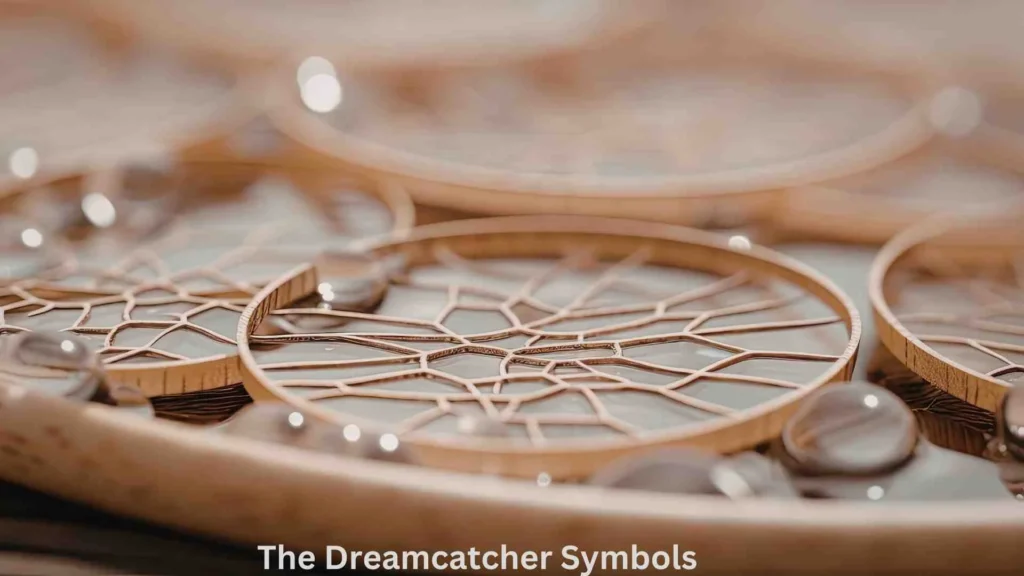
The dreamcatcher is one of the most recognized Native American symbols.
Meaning of the Dreamcatcher
The dreamcatcher represents protection and positive energy.
According to tradition:
- Bad dreams become trapped in the web
- Good dreams pass through the center
- Feathers guide the good dreams to the sleeper
Dreamcatchers are often hung near beds, especially in children’s rooms.
Today, they are also used as decorative and cultural items around the world.
The Medicine Wheel Symbol
The medicine wheel is a powerful Native American symbol representing balance and harmony.
Symbolic Meaning
The medicine wheel usually contains four sections that represent:
- The four directions (north, south, east, west)
- The four seasons
- The four stages of life
- The four elements of nature
It reminds people that life is a cycle of growth, change, and balance.
Medicine wheels are still used in spiritual ceremonies and healing practices.
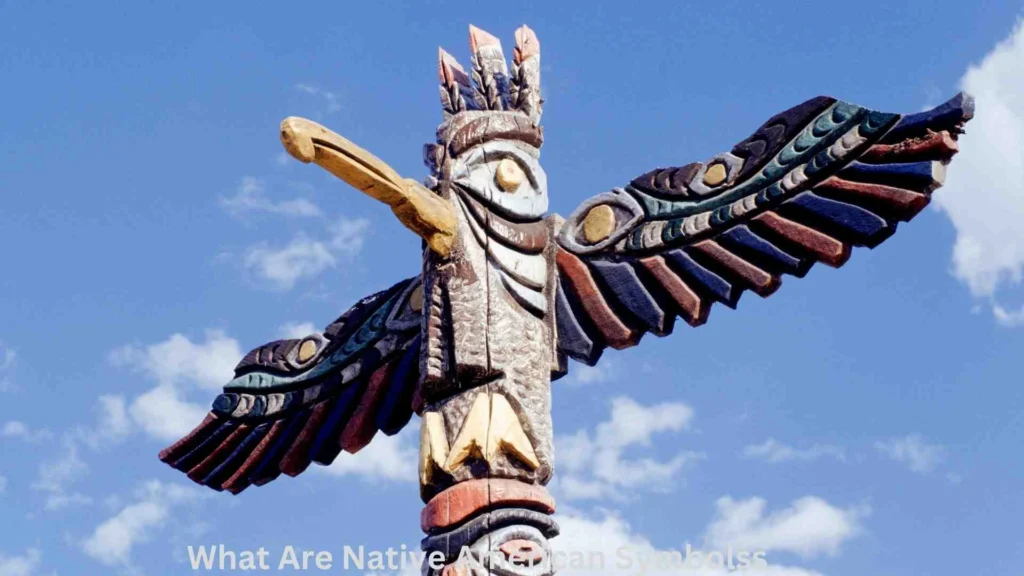
The Thunderbird Symbol
The thunderbird is a legendary creature in Native American mythology.
Meaning of the Thunderbird
The thunderbird symbolizes:
- Power
- Strength
- Protection
- Spiritual authority
According to legend, the thunderbird creates thunder by flapping its wings and lightning from its eyes.
This symbol often appears in:
- Totem poles
- Tribal masks
- Ceremonial art
The Arrow Symbol
The arrow is a simple but powerful Native American symbol.
Meaning of the Arrow
The arrow often represents:
- Protection
- Direction
- Strength
- Defense
Different arrow designs have different meanings.
Examples include:
- Single arrow – protection
- Broken arrow – peace
- Crossed arrows – friendship
The arrow symbol appears in tribal art, jewelry, and tattoos.
The Sun Symbol
The sun is a sacred symbol in many Native American cultures.
Meaning of the Sun
The sun represents:
- Life
- Energy
- Growth
- Healing
Because the sun provides light and warmth, it is often associated with creation and spiritual power.
Sun symbols are frequently found in ceremonial objects and artwork.
The Bear Symbol
The bear is a respected animal in Native American traditions.
Meaning of the Bear
The bear symbolizes:
- Strength
- Courage
- Leadership
- Healing
Many tribes believe the bear has strong spiritual power.
Bear symbols often appear in tribal carvings, masks, and totem poles.
The Feather Symbol
Feathers are important symbols in Native American culture.
Meaning of Feathers
Feathers represent:
- Honor
- Freedom
- Spiritual connection
- Wisdom
Eagle feathers, in particular, are considered sacred.
The Kokopelli Symbol
Kokopelli is a famous symbol in Southwestern Native American culture.
Meaning of Kokopelli
Kokopelli represents:
- Fertility
- Music
- Joy
- Agriculture
He is often shown as a humpbacked flute player.
According to legend, Kokopelli travels from village to village bringing music, stories, and good harvests.
Native American Symbols in Art and Crafts
Symbols play a major role in traditional Native American art.
Pottery
- Rain
- Animals
- Crops
- Natural forces
These designs often tell stories about tribal history and beliefs.
Jewelry
Native American jewelry frequently includes symbolic designs.
Common materials include:
- Turquoise
- Silver
- Coral
- Shells
Symbols carved into jewelry may represent protection, luck, or spiritual guidance.
Textiles and Clothing
Traditional clothing often features symbolic patterns woven into fabrics.
Examples include:
- Navajo blankets
- Tribal robes
- Ceremonial garments
These patterns may represent tribal identity or family heritage.
Legends and Stories Behind Native American Symbols
Many Native American symbols come from ancient stories and legends.
For example, the story of the dreamcatcher tells of a spider woman who protected children by weaving protective webs.
Similarly, thunderbird legends describe a powerful spirit that controls storms and protects people from danger.
These stories help preserve cultural teachings and values.
Practical Uses of Native American Symbols Today
Native American symbols are still used in many ways today.
Cultural Preservation
Indigenous communities continue to use traditional symbols in:
- Ceremonies
- Art
- Education
- Cultural events
These symbols help preserve language, history, and identity.
Education and Cultural Awareness
Learning about Native American symbols helps people understand Indigenous cultures.
Schools and museums often include these symbols in:
- History lessons
- Cultural exhibits
- Educational materials
This encourages respect for Indigenous traditions.
Modern Design and Inspiration
Many artists and designers draw inspiration from Native American symbols.
They appear in:
- Jewelry
- Clothing
- Tattoos
- Graphic design
However, it is important to respect cultural meanings and traditions when using these symbols.
Impact of Native American Symbols on Society
Native American symbols have influenced art, culture, and education worldwide.
Promoting Cultural Respect
Understanding these symbols helps promote respect for Indigenous cultures and traditions.
Inspiring Modern Art
Many contemporary artists incorporate Native American symbolism into modern artwork.
This helps keep traditional cultural expressions alive in modern society.
Encouraging Environmental Awareness
Many symbols emphasize the importance of living in harmony with nature.
These teachings are especially relevant today as people work to protect the environment.
Interesting Facts About Native American Symbols
Here are some fascinating facts about Native American symbols:
- Many symbols were passed down through oral storytelling traditions.
- Totem poles often represent family history and tribal identity.
- Some symbols are considered sacred and used only in special ceremonies.
- Native American art is one of the oldest continuous art traditions in North America.
- Different tribes may interpret the same symbol in different ways.
FAQ About Native American Symbols
What are Native American symbols?
Native American symbols are traditional designs used by Indigenous tribes to represent spiritual beliefs, cultural values, and natural elements.
What is the most famous Native American symbol?
One of the most famous symbols is the dreamcatcher, which represents protection and positive energy.
Are Native American symbols the same for all tribes?
No. Different tribes have unique traditions and meanings for their symbols, although some themes are shared.
Why are animals important in Native American symbols?
Animals represent spiritual guides, strength, and natural wisdom in many Native American traditions.
Can people outside Native American culture use these symbols?
These symbols should be used respectfully and with understanding, as many hold deep cultural and spiritual meaning.
Conclusion
Native American symbols are much more than decorative designs. They are powerful cultural expressions that reflect spiritual beliefs, natural connections, and historical traditions of Indigenous peoples.
From the protective dreamcatcher to the powerful thunderbird and the balanced medicine wheel, each symbol carries important teachings about life, harmony, and respect for nature.
By learning about Native American symbols, we gain a deeper appreciation for Indigenous cultures and the wisdom they share with the world.
These symbols continue to inspire art, education, and cultural understanding, reminding us of the importance of tradition, respect, and balance in life.

Elliot Kensington
Elliot Kensington is a storyteller at heart, always fascinated by the hidden corners of human imagination. From a young age, he found comfort in books and the worlds they created, inspiring him to craft tales that blend emotion, suspense, and wonder. His writing journey began with short stories that captured fleeting moments of life, and over time, evolved into novels that explore both the extraordinary and the everyday. Elliot believes that every story holds a piece of the soul, and his mission is to connect readers to those moments that linger long after the last page. When he’s not writing, he enjoys exploring nature, capturing moments through photography, and seeking inspiration in the little things.
Books by Elliot Kensington:
-
Shadows of Tomorrow
-
The Whispering Path