Masonic symbols are visual signs used in Freemasonry to teach moral lessons, personal growth, and spiritual values.
These symbols may look simple, but each one carries deep meaning and history passed down through generations.
Through symbols, Freemasonry explains ideas like honesty, self-discipline, and brotherhood in an easy and memorable way.
Understanding masonic symbols helps readers see how symbols can guide behavior and inspire a better life.
What Are Masonic Symbols?
Masonic symbols are images, tools, and signs used in Freemasonry to represent moral truths and philosophical ideas. Freemasonry itself is one of the world’s oldest fraternal organizations, tracing its roots to medieval stonemasons.
These symbols are not meant to be mysterious decorations. Instead, they:
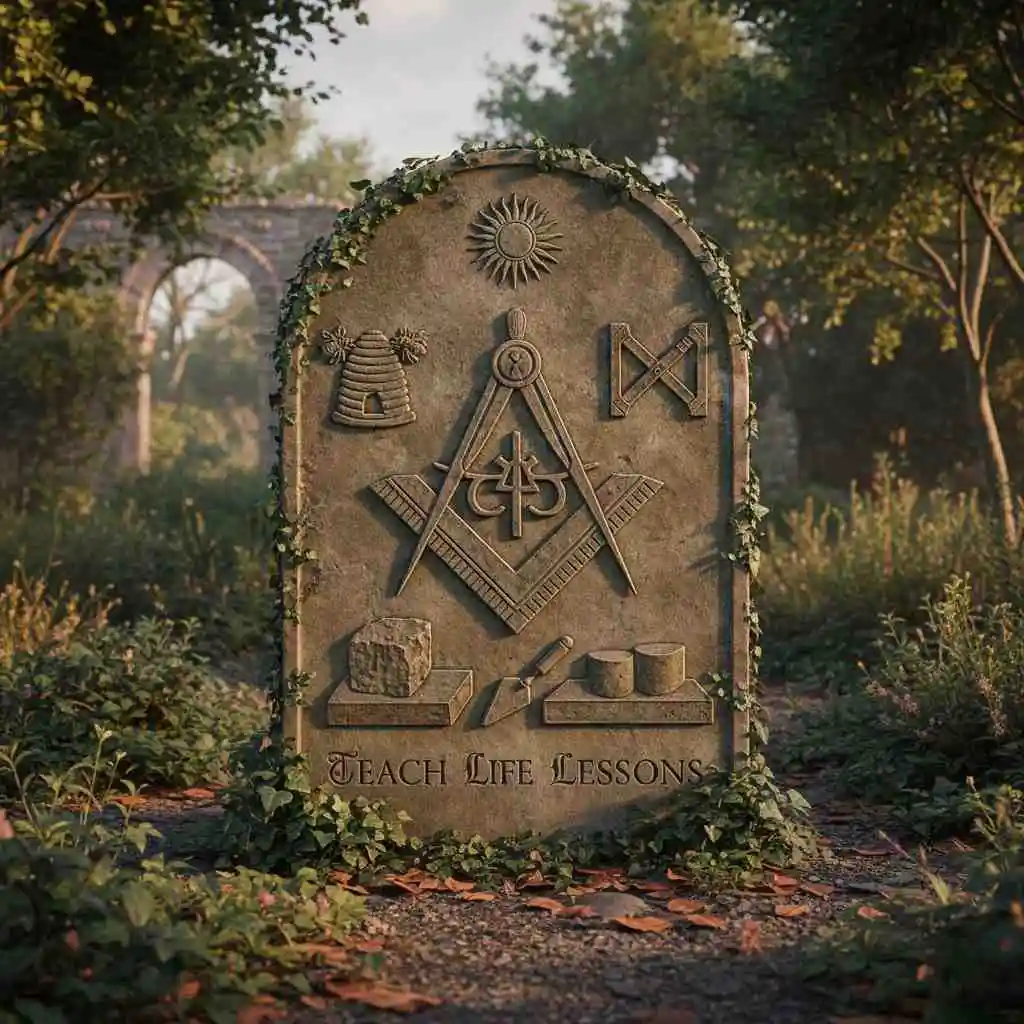
- Teach life lessons
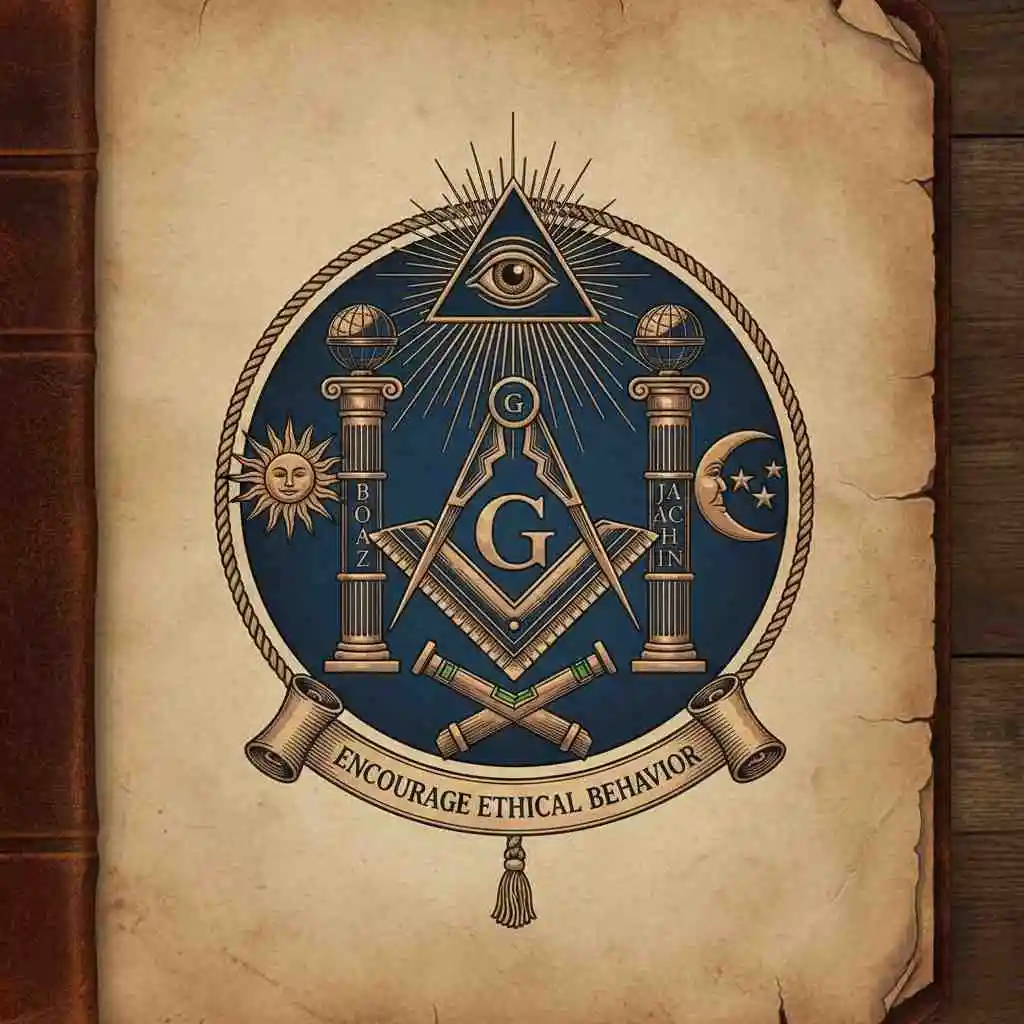
- Encourage ethical behavior
- Promote self-discipline and responsibility
- Strengthen unity and brotherhood
Symbols allow complex ideas to be understood in a simple and memorable way.
The Origins of Masonic Symbols
Roots in Ancient Craftsmanship
Many Masonic symbols come from the tools used by ancient builders and stonemasons. These workers built temples, castles, and cathedrals long before modern engineering existed.
Tools such as the square, compass, and level were essential for physical construction. Over time, Freemasons gave these tools deeper meanings related to building character rather than buildings.
Influence of Ancient Civilizations
Masonic symbolism also draws inspiration from:
- Ancient Egypt
- Greek philosophy
- Biblical stories
- Medieval guild traditions
These influences shaped Freemasonry into a system of moral teaching through symbolism.
The Square and Compasses
Meaning of the Symbol
The Square and Compasses is the most recognizable of all Masonic symbols.
- The square represents honesty, fairness, and moral integrity
- The compasses symbolize self-control and balance
Together, they teach Freemasons to live upright lives and keep their desires within proper limits.
Practical Application
In daily life, this symbol reminds members to:
- Act honestly
- Treat others fairly
- Maintain ethical boundaries
It is often displayed on lodge buildings, rings, and documents.
The Letter “G”
What Does the “G” Represent?
The letter G, often found in the center of the Square and Compasses, has several meanings:
- God (or a Supreme Being)
- Geometry
- Great Architect of the Universe
Geometry reflects order, harmony, and intelligent design in the universe.
Spiritual Significance
The “G” reminds Freemasons that their actions should align with higher moral and spiritual principles.
The All-Seeing Eye
Symbolic Meaning
The All-Seeing Eye represents divine awareness and moral accountability.
It teaches that:
- Nothing is hidden from moral truth
- Actions have consequences
- Integrity matters even when no one is watching
Modern Usage
This symbol appears in Masonic art, architecture, and even popular culture, often misunderstood as a symbol of surveillance rather than conscience.
The Level and Plumb
The Level
The level symbolizes equality. It reminds Freemasons that all people are equal in dignity, regardless of wealth or status.
The Plumb
The plumb represents uprightness and moral straightness.
Social Impact
Together, these tools promote:
- Respect for others
- Humility
- Justice and fairness in society
The Trowel
Meaning of the Trowel
The trowel is used to spread cement and bind stones together.
Symbolically, it represents:
- Brotherhood
- Unity
- Love among members
Practical Lesson
It teaches Freemasons to build harmony and strengthen human relationships.
The Rough and Perfect Ashlar
Rough Ashlar
The rough ashlar symbolizes a person before self-improvement—unrefined and imperfect.
Perfect Ashlar
The perfect ashlar represents personal growth achieved through discipline, learning, and moral effort.
Life Application
This symbol encourages continuous self-improvement and lifelong learning.
The Pillars: Boaz and Jachin
Historical Background
These pillars come from the biblical account of King Solomon’s Temple.
Symbolic Meaning
- Boaz represents strength
- Jachin represents stability
Together, they symbolize balance in life and character.
The Mosaic Pavement
What It Represents
The mosaic pavement, often a black-and-white floor pattern, symbolizes:
- Duality of life
- Good and evil
- Light and darkness
Moral Lesson
Life includes both joy and hardship, and wisdom lies in navigating both with balance.
The Blazing Star
Symbolic Meaning
The Blazing Star represents:
- Divine guidance
- Knowledge
- Spiritual light
It reminds Freemasons to seek truth and enlightenment.
Masonic Symbols in Rituals
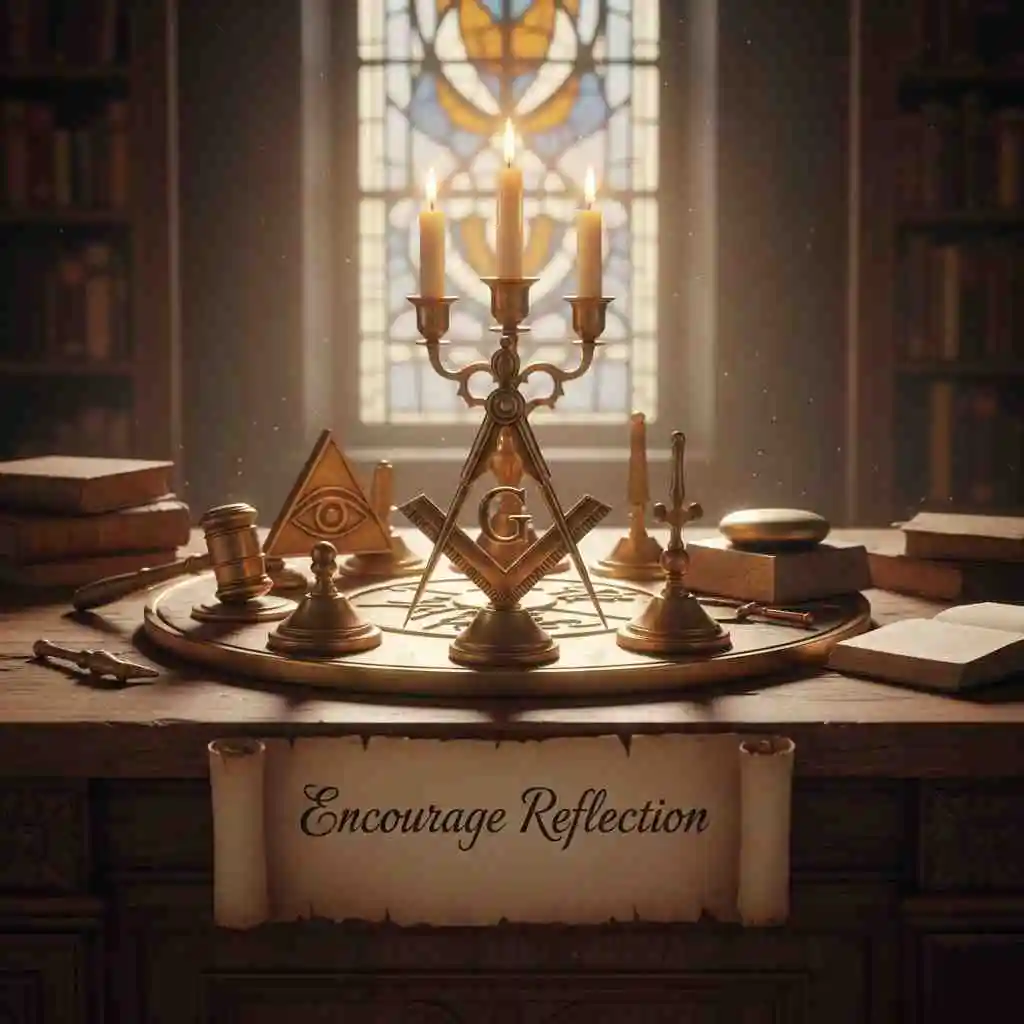
Symbols play a central role in Masonic ceremonies. Rather than lectures alone, rituals use symbols to create memorable experiences.
These rituals:
- Teach moral lessons
- Strengthen bonds among members
- Encourage reflection
Symbols help transform abstract values into lived experiences.
Masonic Symbols in Architecture
Many Masonic symbols appear in historic buildings, including:
- Lodge halls
- Monuments
- Public architecture
Examples can be found in older courthouses, libraries, and memorials, reflecting the influence of Freemasons in civic life.
Masonic Symbols in Modern Culture
Today, Masonic symbols appear in:
- Jewelry and fashion
- Movies and books
- Art and design
While often misunderstood, they continue to spark interest and conversation.
Common Misconceptions About Masonic Symbols
Some people believe Masonic symbols are:
- Secret codes
- Political tools
- Occult signs
In reality, they are moral teaching tools, not instruments of control or secrecy.
Educational Value of Masonic Symbols
Masonic symbols are valuable for learning because they:
- Encourage critical thinking
- Teach ethics visually
- Promote lifelong self-reflection
They show how symbolism can be a powerful teaching method.
Impact of Masonic Symbols on Society
Moral Development
Masonic symbols promote honesty, responsibility, and self-discipline.
Community Service
Freemasons often use these principles to support:
- Charity work
- Education
- Social welfare
Cultural Influence
Masonic symbolism has influenced literature, art, and public institutions.
Interesting Facts About Masonic Symbols
- Many symbols come from medieval construction tools
- Symbols are interpreted differently at various levels
- Masonic symbolism emphasizes personal interpretation
These facts highlight the depth and flexibility of symbolic teaching.
FAQs About Masonic Symbols
1. Are Masonic symbols religious?
They are spiritual but not tied to a single religion.
2. Do symbols have secret meanings?
They have layered meanings, but none are harmful or sinister.
3. Can non-Masons study these symbols?
Yes, many meanings are openly available and educational.
4. Why are tools used as symbols?
They represent building moral character, not physical structures.
5. Do symbols change over time?
Interpretations evolve, but core meanings remain consistent.
Conclusion
Masonic symbols are powerful tools for teaching morality, self-improvement, and unity. Rooted in history yet relevant today, they encourage reflection, ethical living, and personal growth. By understanding Masonic symbols, we gain insight into how symbolism can shape character and positively influence society. These symbols continue to inspire curiosity, wisdom, and meaningful dialogue across generations.

Elliot Kensington
Elliot Kensington is a storyteller at heart, always fascinated by the hidden corners of human imagination. From a young age, he found comfort in books and the worlds they created, inspiring him to craft tales that blend emotion, suspense, and wonder. His writing journey began with short stories that captured fleeting moments of life, and over time, evolved into novels that explore both the extraordinary and the everyday. Elliot believes that every story holds a piece of the soul, and his mission is to connect readers to those moments that linger long after the last page. When he’s not writing, he enjoys exploring nature, capturing moments through photography, and seeking inspiration in the little things.
Books by Elliot Kensington:
-
Shadows of Tomorrow
-
The Whispering Path