
Jewish symbols are meaningful signs that help express Jewish faith, history, and identity. Short answer:
they represent beliefs, values, and sacred traditions passed down through generations.
These symbols connect people to their spiritual roots, strengthen cultural understanding, and keep ancient teachings alive in modern life.
By learning about Jewish symbols, we gain a clearer view of Jewish culture, faith, and heritage.
What Are Jewish Symbols?
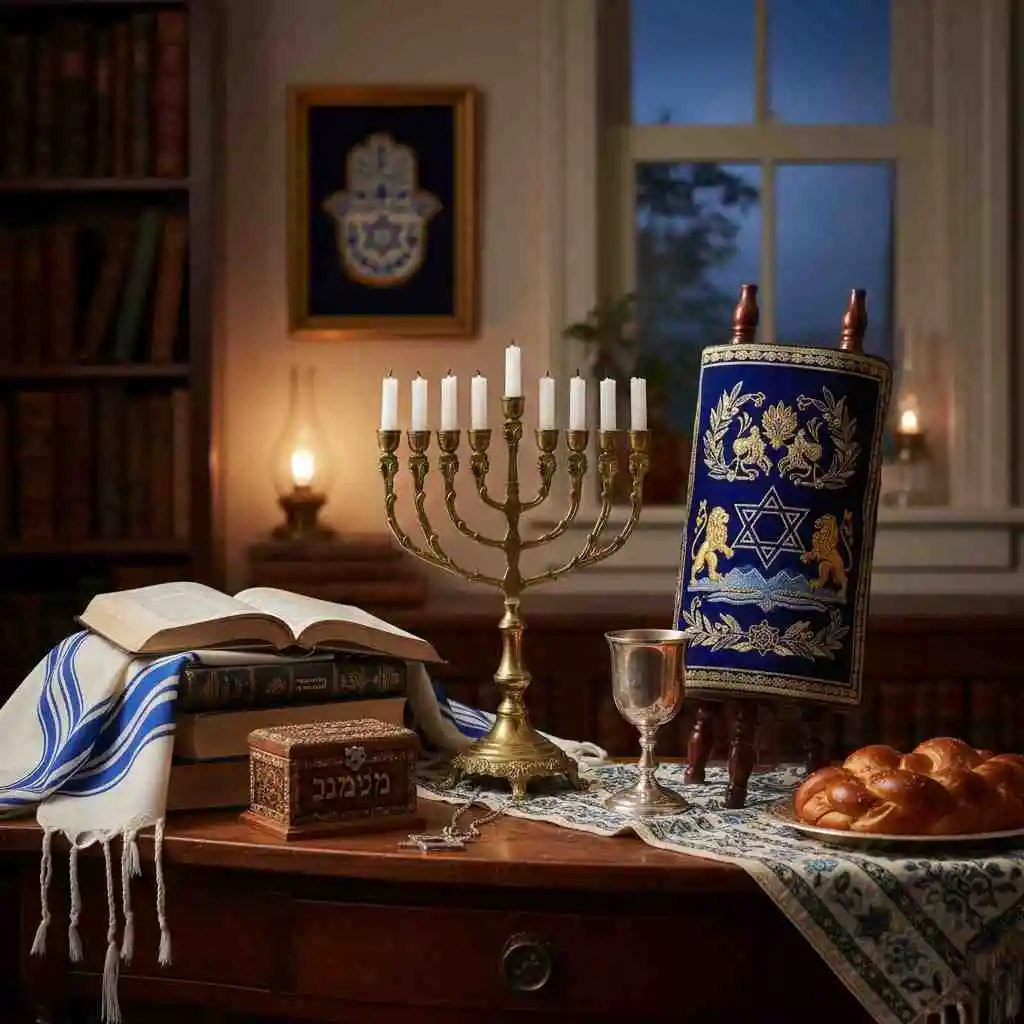
Jewish symbols are objects, signs, shapes, or images that carry spiritual, cultural, or historical meaning in Judaism. Many of them come directly from the Torah (the Jewish holy text), ancient traditions, or historical experiences of the Jewish people.
These symbols are used in:
- Religious worship
- Jewish holidays and rituals
- Homes and synagogues
- Jewelry, art, and modern media
They help pass beliefs from one generation to the next and make abstract ideas easier to understand.
The Star of David (Magen David)
Meaning and Origin
The Star of David, also known as Magen David, is one of the most recognized Jewish symbols. It is a six-pointed star formed by two overlapping triangles.
Historically, it became widely associated with Judaism during the Middle Ages. Over time, it came to represent:
- Protection
- Unity of God and humanity
- Jewish identity
Practical Use Today
- Found on the Israeli flag
- Worn as jewelry
- Displayed in synagogues and Jewish homes
Historical Significance
During World War II, Jews were forced to wear a yellow Star of David, turning the symbol into a reminder of suffering and resilience. Today, it also represents survival and pride.
The Menorah: Symbol of Light and Faith
What Is the Menorah?
The Menorah is a seven-branched lampstand described in the Torah. It originally stood in the ancient Temple in Jerusalem.
Spiritual Meaning
- Divine light
- Wisdom and knowledge
- God’s eternal presence
Hanukkah Menorah (Hanukkiah)
The Hanukkah menorah has nine branches and is used during the festival of Hanukkah to remember the miracle of light.
Modern Applications
- Used in Jewish holidays
- Featured in artwork and public displays
- Symbol of hope and spiritual strength
The Torah Scroll
What the Torah Represents
The Torah is the most sacred text in Judaism, containing God’s laws and teachings given to Moses.
Symbolic Importance
- Moral guidance
- Covenant between God and the Jewish people
- Foundation of Jewish law and ethics
How It’s Used
- Read during synagogue services
- Stored in a special ark
- Handwritten on parchment
The Torah is treated with great respect, symbolizing the heart of Jewish life.
The Mezuzah: Faith at the Door
What Is a Mezuzah?
A mezuzah is a small case placed on doorposts of Jewish homes. Inside is a scroll with verses from the Torah.
Meaning
- Reminder of God’s presence
- Protection and blessing for the home
- Commitment to faith
Daily Life Example
Touching the mezuzah when entering or leaving a home is a common Jewish practice, connecting faith with everyday actions.
The Hamsa: Protection and Blessing
Origins of the Hamsa
The Hamsa is a hand-shaped symbol used across Middle Eastern cultures, including Judaism.
Symbolic Meaning
- Protection from evil
- Blessings and good fortune
- Divine care
Modern Use
- Jewelry and wall art
- Gifts for homes and families
- Decorative items
The Hamsa blends tradition with modern design, making it popular today.
Chai: Symbol of Life
Meaning of Chai
The Hebrew word Chai means “life.” Its numerical value (18) makes it especially meaningful.
Cultural Importance
- Donations often given in multiples of 18
- Jewelry with “Chai” inscriptions
- Celebration of life and blessings
This symbol reflects Judaism’s strong focus on life, hope, and continuity.
Tallit and Tzitzit
What Is a Tallit?
A tallit is a prayer shawl worn during religious services.
Tzitzit Explained
The fringes (tzitzit) remind Jews to follow God’s commandments.
Practical Role
- Used in prayer
- Encourages mindfulness and discipline
- Strengthens spiritual connection
Kippah (Yarmulke)
Purpose of the Kippah
The kippah is a head covering worn as a sign of respect for God.
Symbolic Meaning
- Humility
- Awareness of God above
- Jewish identity
It is worn in synagogues, ceremonies, and daily life by many Jewish men and some women.
Shofar: Call to Reflection
What Is the Shofar?
The shofar is a ram’s horn blown during Jewish holidays like Rosh Hashanah and Yom Kippur.
Spiritual Significance
- Call to repentance
- Spiritual awakening
- Reminder of moral responsibility
The sound of the shofar is powerful and emotional, encouraging self-reflection.
Jewish Symbols in Holidays
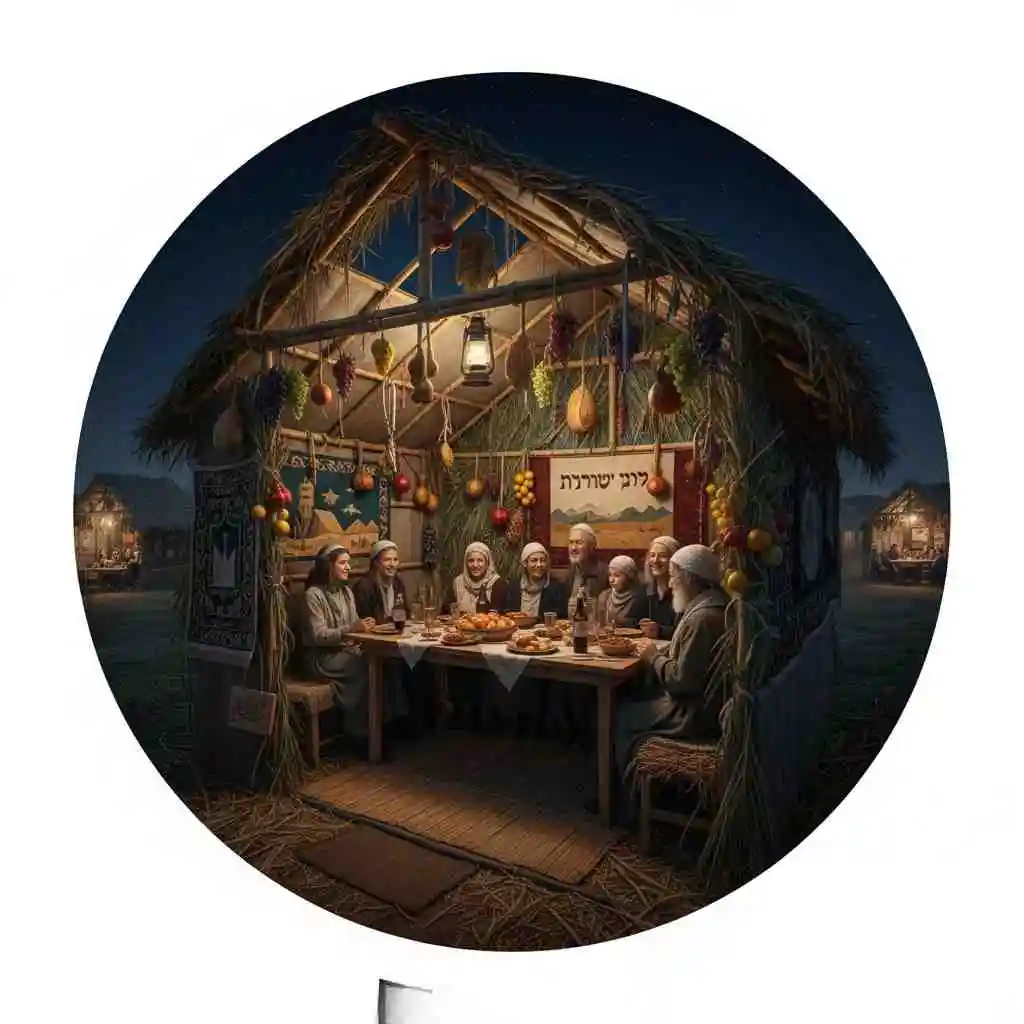
Jewish symbols play a major role in festivals:
- Passover: Seder plate symbols tell the story of freedom
- Hanukkah: Menorah symbolizes miracle and faith
- Sukkot: Temporary shelters symbolize humility and trust
Each symbol teaches lessons through ritual and storytelling.
Jewish Symbols in Art and Architecture
Ancient Examples
- Synagogue mosaics
- Temple carvings
- Manuscripts
Modern Expressions
- Contemporary art
- Jewelry design
- Public monuments
These symbols continue to inspire creativity while preserving tradition.
Educational Value of Jewish Symbols
Jewish symbols help:
- Teach religious values
- Explain complex beliefs visually
- Engage children and students
They are widely used in schools, museums, and cultural programs.
Impact of Jewish Symbols on Society
Cultural Identity
Jewish symbols help preserve identity across centuries and migrations.
Interfaith Understanding
They promote awareness and respect among different cultures and religions.
Moral Influence
Many symbols emphasize ethics, justice, compassion, and responsibility.
Jewish Symbols in the Modern World
Today, Jewish symbols appear in:
- Fashion and jewelry
- Social media and digital art
- Public celebrations
They bridge ancient faith with modern life, keeping traditions alive.
Interesting Facts About Jewish Symbols
- The Star of David became a Jewish symbol relatively late in history
- Hebrew letters often have symbolic meanings and numbers
- Many symbols focus on light, life, and remembrance
These facts show how symbols evolve while keeping their core meaning.
FAQs About Jewish Symbols
1. What is the most important Jewish symbol?
The Torah is considered the most sacred, while the Star of David is the most widely recognized.
2. Are Jewish symbols only religious?
No, many also represent culture, history, and identity.
3. Can non-Jews use Jewish symbols?
Yes, when used respectfully and with understanding.
4. Why is light a common theme?
Light represents wisdom, hope, and God’s presence.
5. Do Jewish symbols change over time?
Their meanings evolve, but their spiritual core remains the same.
Conclusion
Jewish symbols are powerful expressions of faith, history, and identity. They connect past and present, guide daily life, and strengthen community bonds. By understanding Jewish symbols, we gain insight into Jewish beliefs and values while promoting respect and cultural awareness. These symbols continue to inspire hope, resilience, and spiritual meaning in a changing world.

Elliot Kensington
Elliot Kensington is a storyteller at heart, always fascinated by the hidden corners of human imagination. From a young age, he found comfort in books and the worlds they created, inspiring him to craft tales that blend emotion, suspense, and wonder. His writing journey began with short stories that captured fleeting moments of life, and over time, evolved into novels that explore both the extraordinary and the everyday. Elliot believes that every story holds a piece of the soul, and his mission is to connect readers to those moments that linger long after the last page. When he’s not writing, he enjoys exploring nature, capturing moments through photography, and seeking inspiration in the little things.
Books by Elliot Kensington:
-
Shadows of Tomorrow
-
The Whispering Path