
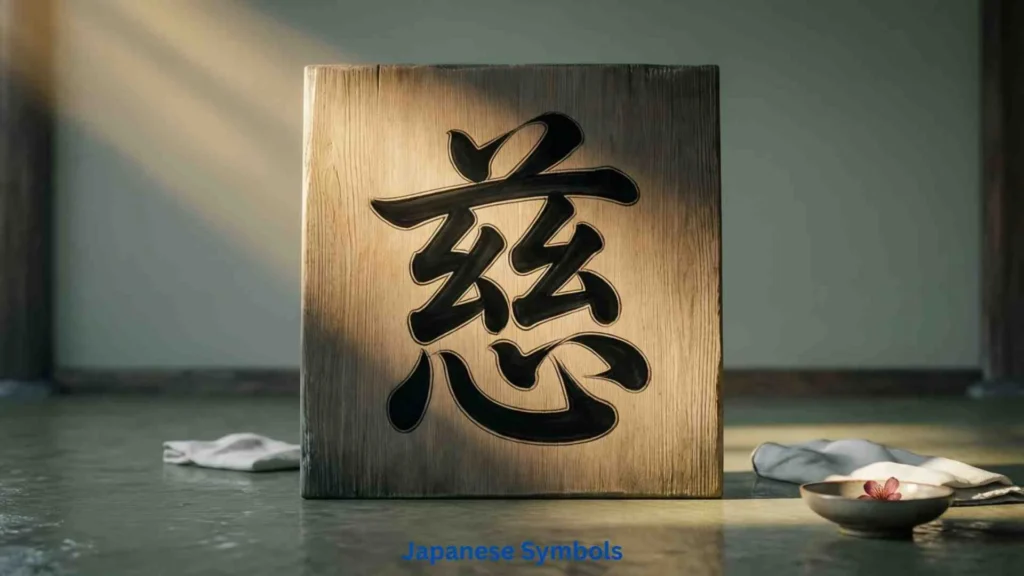
Japanese symbols are iconic characters and signs used in art, language, and culture to express meaning, beauty, and tradition.
Short answer: Japanese symbols represent ideas, emotions, and history, from kanji characters to cultural motifs like the cherry blossom.
Today, these symbols are popular in tattoos, fashion, and design because they are both meaningful and visually striking.
Understanding them helps you appreciate Japanese culture and its timeless artistic influence.
What Are Japanese Symbols?
Japanese symbols are visual representations used to convey meaning without long explanations. They can appear as:
- Written characters
- Religious signs
- Cultural icons
- Artistic motifs
- Everyday signs
These symbols are rooted in Japan’s history, beliefs, and relationship with nature.
Why Japanese Symbols Are Important
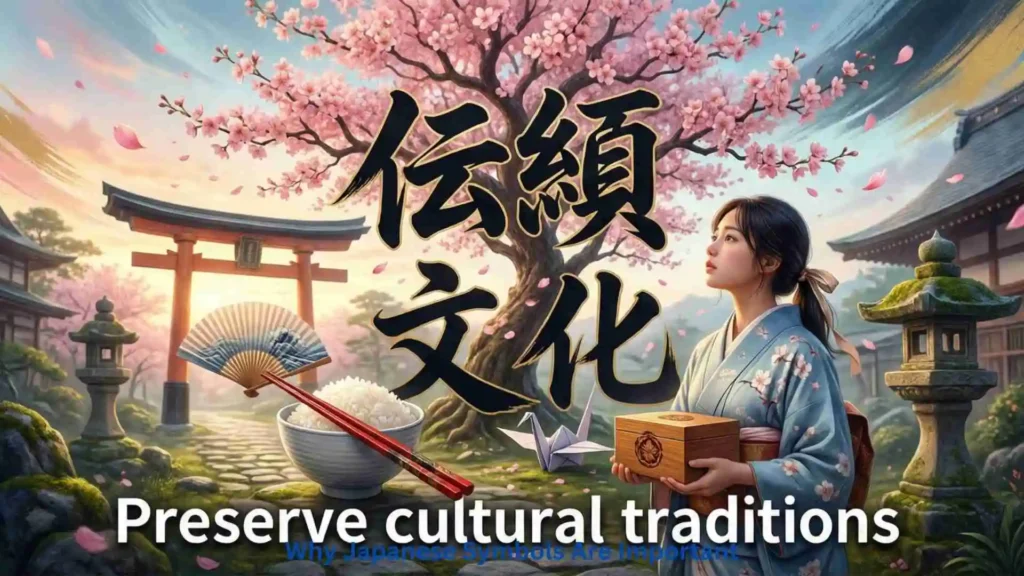
Japanese symbols are important because they:
- Preserve cultural traditions
- Communicate complex ideas simply
- Connect modern Japan with its past
- Help people understand emotions, values, and beliefs
- Are used worldwide in art, tattoos, fashion, and design
They act as a bridge between history and modern life.
Historical Background of Japanese Symbols
Ancient Influences
Japanese symbols were influenced by:
- Chinese characters (Kanji)
- Buddhism
- Shinto beliefs
These influences shaped how symbols were created and used.
Evolution Over Time
- Early symbols focused on nature and gods
- Later symbols expressed philosophy and morality
- Modern symbols appear in technology, branding, and pop culture
Despite changes, the meanings remain deeply respected.
Japanese Writing Symbols
Kanji Characters
Kanji are Chinese-origin characters used in Japanese writing.
Examples:
- 山 (Yama) – Mountain
- 水 (Mizu) – Water
- 火 (Hi) – Fire
- 愛 (Ai) – Love
Kanji symbols often represent ideas, objects, or emotions.
Hiragana and Katakana
These are phonetic symbols.
- Hiragana: Used for native words and grammar
- Katakana: Used for foreign words and emphasis
They make the Japanese language flexible and expressive.
Traditional Japanese Symbols and Their Meanings
The Rising Sun (日の丸)
- Represents Japan itself
- Symbol of hope, energy, and renewal
- Connected to the nickname “Land of the Rising Sun”
This symbol appears on the national flag.
Cherry Blossom (Sakura)
- Symbol of beauty and impermanence
- Represents life’s fleeting nature
- Celebrated during Hanami festivals
Sakura reminds people to value the present moment.
Mount Fuji
- Symbol of strength and spiritual elevation
- Considered sacred
- Appears in art, literature, and tourism logos
Mount Fuji represents balance between humans and nature.
The Crane (Tsuru)
- Symbol of long life and peace
- Linked to the legend of folding 1,000 paper cranes
- Often used in weddings and celebrations
It stands for hope and healing.
Japanese Religious Symbols
Shinto Symbols
Shinto is Japan’s native religion.
Common Shinto symbols include:
- Torii gate (sacred space marker)
- Shimenawa rope (purification)
- Omamori charms (protection)
These symbols connect humans with nature spirits (kami).
Buddhist Symbols
Buddhism brought new symbols to Japan.
- Lotus flower: purity and enlightenment
- Dharma wheel: teachings of Buddha
- Buddha statues: peace and wisdom
These symbols focus on inner peace and mindfulness.
Japanese Symbols in Art and Design
Traditional Art
- Woodblock prints (Ukiyo-e)
- Calligraphy
- Kimono patterns
Symbols in art often tell stories or express seasons.
Modern Design
- Logos
- Anime and manga symbols
- Minimalist icons
Japanese symbols blend tradition with innovation.
Japanese Symbols in Daily Life
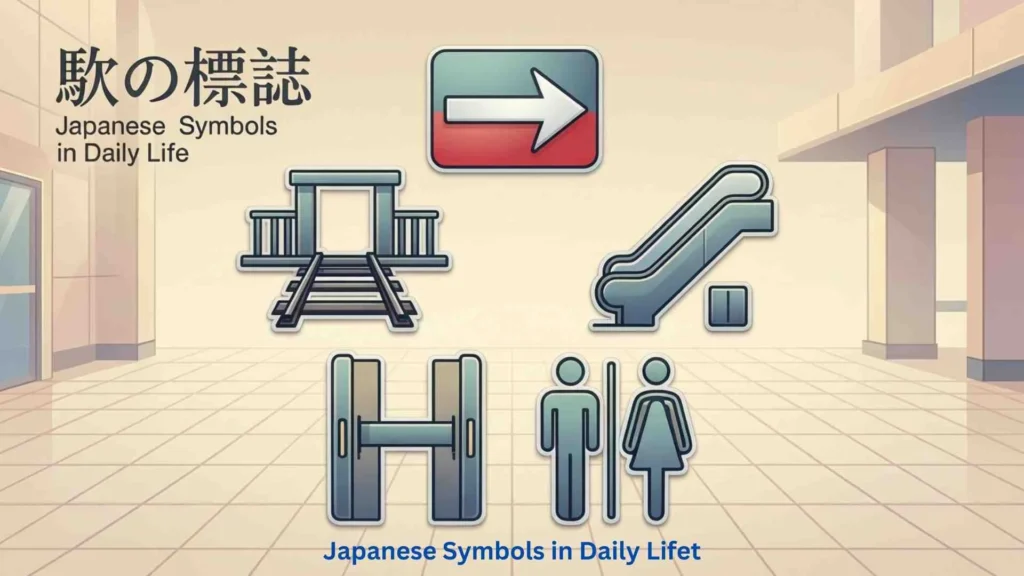
Everyday Signs
- Restroom symbols
- Train station icons
- Traffic signs
These symbols are designed to be clear and universal.
Food and Dining
- Chopstick etiquette symbols
- Restaurant signs
- Bento box designs
Symbols help guide behavior politely.
Japanese Symbols in Pop Culture
Anime and Manga
- Clan symbols
- Power marks
- Spiritual seals
These symbols often borrow from ancient traditions.
Fashion and Tattoos
- Kanji tattoos
- Animal symbols
- Nature-inspired designs
People worldwide use Japanese symbols for self-expression.
Practical Applications of Japanese Symbols
Education
- Teaching language visually
- Helping memory and recognition
- Cultural studies
Tourism
- Easy navigation for visitors
- Cultural branding
- Temple and shrine guidance
Business and Branding
- Company logos
- Product packaging
- Global recognition
Japanese symbols are practical and meaningful.
Impact of Japanese Symbols on Society
Cultural Identity
- Preserve traditions
- Strengthen national pride
Global Influence
- Used worldwide in art and design
- Inspire minimalism and symbolism
Emotional Connection
- Promote calmness and respect
- Encourage harmony with nature
These symbols shape how Japan is viewed globally.
Japanese Animal Symbols and Their Meanings
Dragon
- Power and wisdom
- Water and protection
Fox (Kitsune)
- Intelligence and magic
- Messenger of gods
Cat (Maneki-neko)
- Good luck
- Prosperity
Animals play an important symbolic role in folklore.
Japanese Symbols and Nature
Nature is central to Japanese symbolism.
- Bamboo: strength and flexibility
- Pine tree: endurance
- Waves: life’s movement
These symbols reflect respect for the natural world.
Legends and Stories Behind Japanese Symbols
The 1,000 Cranes Story
A legend says folding 1,000 paper cranes grants a wish. It became a global symbol of peace after World War II.
Kitsune Folklore
Fox spirits are believed to protect temples and possess magical abilities.
Stories give symbols emotional depth.
Learning Japanese Symbols Today
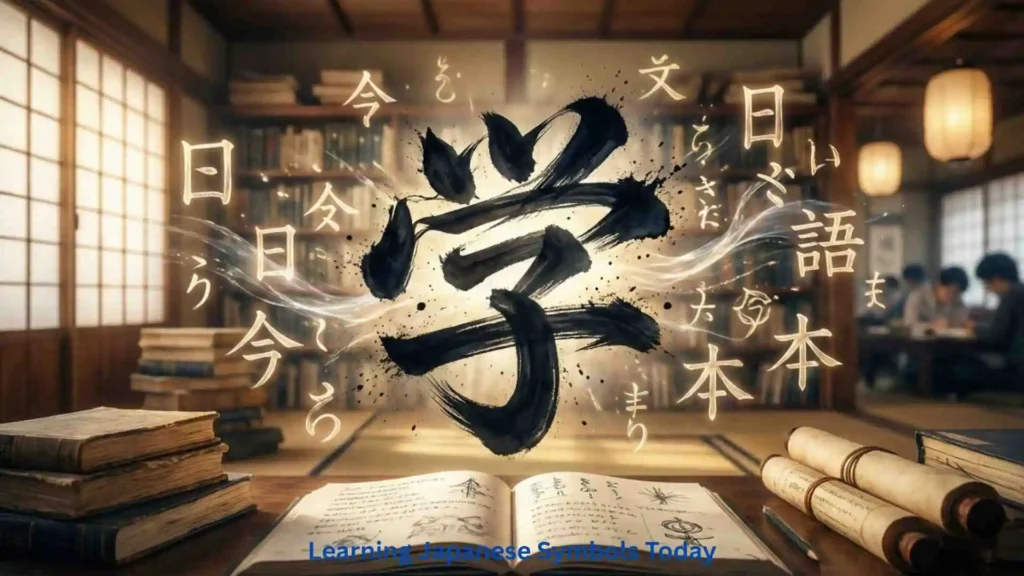
Easy Ways to Learn
- Flashcards
- Symbol charts
- Cultural documentaries
- Practice through art
Symbols become easier with regular exposure.
Common Misunderstandings About Japanese Symbols
- One symbol has only one meaning ❌
- Symbols are only decorative ❌
- All Kanji are religious ❌
Context is essential for correct understanding.
Interesting Facts About Japanese Symbols
- One Kanji can have multiple meanings
- Some symbols are over 2,000 years old
- Calligraphy is considered a form of meditation
- Emojis were first created in Japan
- Many global icons are inspired by Japanese symbols
Japanese Symbols in the Digital Age
Emojis
- Originated in Japan
- Based on traditional symbols
Technology Icons
- Simple and intuitive
- Influence global UI design
Japanese symbolism continues to evolve.
Japanese Symbols for Students and Beginners
Why they are useful:
- Improve cultural understanding
- Support language learning
- Build appreciation for global traditions
They are beginner-friendly and visually engaging.
Frequently Asked Questions (FAQs)
1. What are Japanese symbols used for?
They are used to express ideas, beliefs, emotions, and instructions visually.
2. Are Japanese symbols religious?
Some are religious, but many are cultural or artistic.
3. Can one Japanese symbol have multiple meanings?
Yes, meaning depends on context and usage.
4. Are Japanese symbols still used today?
Absolutely. They appear in daily life, technology, and pop culture.
5. Can anyone use Japanese symbols?
Yes, but it’s important to understand their meanings respectfully.
Conclusion
Japanese symbols are a powerful visual language that reflects Japan’s history, beliefs, and connection to nature.
From ancient Kanji to modern emojis, these symbols communicate meaning beyond words.
By learning Japanese symbols, we gain cultural awareness, appreciation, and a deeper understanding of how symbols shape identity and society.
They remind us that sometimes, a single sign can tell a powerful story.

Elliot Kensington
Elliot Kensington is a storyteller at heart, always fascinated by the hidden corners of human imagination. From a young age, he found comfort in books and the worlds they created, inspiring him to craft tales that blend emotion, suspense, and wonder. His writing journey began with short stories that captured fleeting moments of life, and over time, evolved into novels that explore both the extraordinary and the everyday. Elliot believes that every story holds a piece of the soul, and his mission is to connect readers to those moments that linger long after the last page. When he’s not writing, he enjoys exploring nature, capturing moments through photography, and seeking inspiration in the little things.
Books by Elliot Kensington:
-
Shadows of Tomorrow
-
The Whispering Path