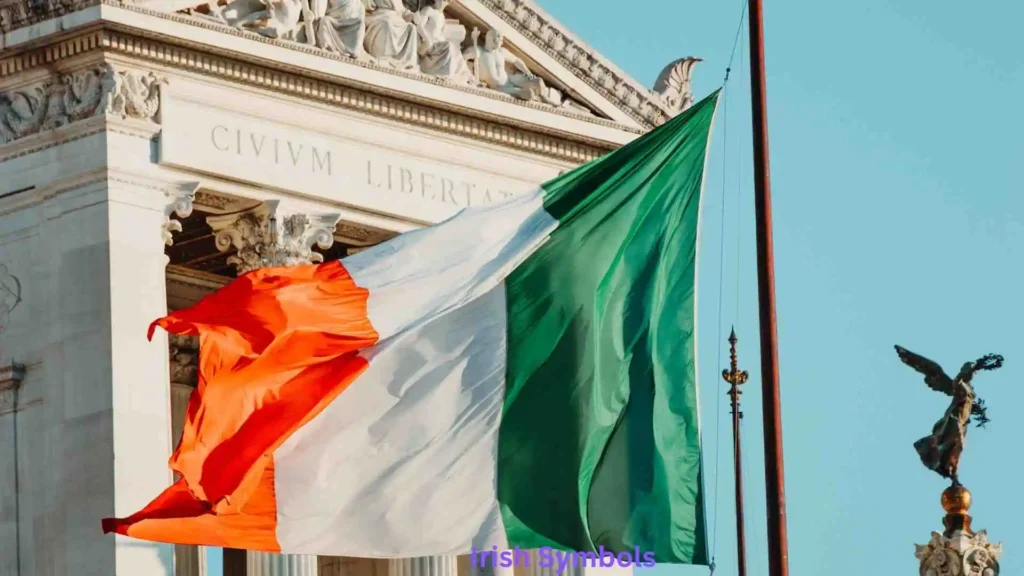
Irish symbols are powerful icons representing Ireland’s rich history, culture, and traditions.
In short, Irish symbols embody heritage, luck, and national identity, appearing in art, literature, celebrations, and daily life.
From shamrocks and harps to Celtic knots, these symbols tell stories of Ireland’s past while inspiring pride among its people.
What Are Irish Symbols?
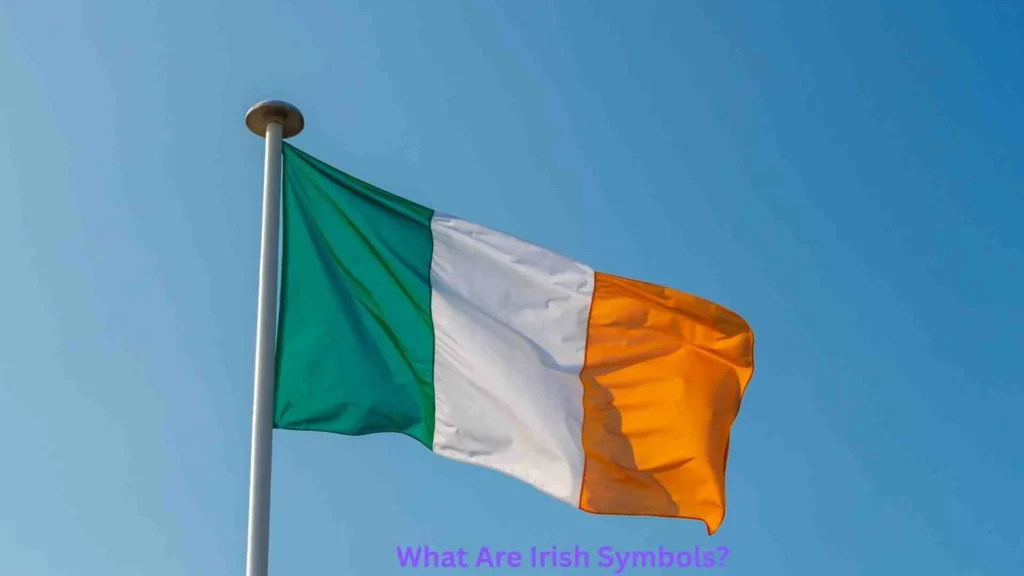
Irish symbols are visual or cultural representations associated with Ireland. They can be historical, religious, or mythological, often reflecting the nation’s values, beliefs, and identity.
Purpose
- Represent Irish heritage and identity
- Celebrate cultural traditions and folklore
- Educate people about Ireland’s history
- Promote unity and national pride
History of Irish Symbols
The history of Irish symbols stretches back thousands of years:
- Ancient Ireland: Early symbols like the Celtic cross and triskele were used in art and religious ceremonies.
- Medieval Period: Symbols appeared in illuminated manuscripts, heraldry, and coins.
- Modern Era: Irish symbols became national icons during the struggle for independence and continue to represent culture today.
Key Highlights
- Rooted in Celtic art, mythology, and history
- Reflect spiritual beliefs, natural elements, and national identity
- Celebrated globally during events like St. Patrick’s Day
Types of Irish Symbols
Irish symbols can be categorized based on their origin and meaning.
1. Shamrock ☘️
- Meaning: Luck, growth, and the Holy Trinity
- Origin: Saint Patrick used it to explain Christianity
- Applications:
- National emblem of Ireland
- Worn on St. Patrick’s Day
- Featured in logos, souvenirs, and jewelry
2. Celtic Knot
- Meaning: Eternity, interconnectedness, and spiritual unity
- Origin: Ancient Celtic art and manuscripts
- Applications:
- Tattoos and jewelry
- Decorative art and monuments
- Symbolizes lifelong bonds in relationships
3. Claddagh Ring 💍
- Meaning: Love, loyalty, and friendship
- Origin: Traditional Irish ring from Claddagh village
- Applications:
- Wedding and engagement rings
- Gifts representing personal connections
- Cultural heritage display
4. Celtic Cross ✝️
- Meaning: Faith, unity of spiritual and earthly life
- Origin: Early Christian Ireland
- Applications:
- Gravestones and monuments
- Religious ceremonies
- Symbol of Irish Christian heritage
5. Harp 🎵
- Meaning: Music, art, and national pride
- Origin: Ancient Ireland, used by bards and kings
- Applications:
- Official symbol on coins, passports, and government logos
- Represents Ireland in international events
- Featured in art, literature, and music
6. Triskele or Triple Spiral
- Meaning: Life cycles, personal growth, and balance
- Origin: Neolithic carvings in Newgrange
- Applications:
- Tattoos and jewelry
- Artistic designs and cultural motifs
- Spiritual and personal development symbolism
7. Irish Wolfhound
- Meaning: Loyalty, courage, and nobility
- Origin: Ancient hunting companion of Irish nobles
- Applications:
- National dog breed
- Represented in literature and heraldry
- Promotes Irish cultural pride
8. Aran Sweaters 🧶
- Meaning: Protection, craftsmanship, and family heritage
- Origin: Traditional Aran Islands knitting patterns
- Applications:
- Fashion and cultural identity
- Souvenirs and gifts
- Showcases Irish artisan skills
Practical Applications of Irish Symbols
1. Cultural Celebrations
- St. Patrick’s Day parades and festivals use shamrocks, harps, and green colors
- Promote Irish music, dance, and folklore
2. Education and Heritage
- Teach students and tourists about Celtic history, myths, and art
- Displayed in museums, monuments, and heritage centers
3. Tourism and Branding
- Symbols attract visitors to landmarks like Newgrange, Cliffs of Moher, and Dublin
- Featured on souvenirs, apparel, and national campaigns
4. Personal Expression
- Jewelry, tattoos, and clothing showcase Irish identity and beliefs
- Rings, knots, and crosses serve as meaningful gifts
5. Media and Literature
- Symbols appear in books, films, and music to convey Irish culture
- Inspire storytelling, art, and international appreciation
Impact of Irish Symbols on Society
1. Strengthening National Identity
- Symbols unite citizens under shared culture and heritage
- Promote pride in language, music, and history
2. Preserving History
- Teach younger generations about ancient Celtic art, mythology, and traditions
- Keep Irish legends and stories alive
3. Supporting Tourism
- Symbols help showcase Ireland as a cultural destination
- Enhance global recognition and economic growth
4. Promoting Creativity
- Inspire art, music, literature, and design
- Influence fashion, media, and decorative arts
5. Encouraging Spiritual and Emotional Connection
- Represent faith, luck, and personal values
- Foster unity, loyalty, and family bonds
Interesting Facts About Irish Symbols
- The shamrock has been associated with Ireland since the 17th century
- Claddagh rings date back to the 17th century in Galway
- The Celtic knot has no beginning or end, symbolizing eternity
- Irish harps are used on coins, passports, and government documents
- Newgrange, a Neolithic site, features triskele carvings over 5,000 years old
Modern-Day Examples of Irish Symbols
1. Festivals and Parades
- St. Patrick’s Day celebrations worldwide feature green attire, shamrocks, and Irish music
2. Tattoos and Jewelry
- Celtic knots and Claddagh rings are popular for personal expression
3. National Branding
- The harp is used by government agencies, airlines, and sports teams
4. Education
- Schools teach Celtic art, myths, and history using triskele and crosses
5. Art and Media
- Movies, literature, and cartoons use Irish symbols to depict heritage and identity
Benefits of Irish Symbols
- Foster cultural pride and unity
- Preserve historical and spiritual knowledge
- Inspire art, design, and literature
- Support tourism and national economy
- Encourage personal and community connection
Real-Life Examples
Example 1: Shamrock in St. Patrick’s Day
- People wear shamrocks to celebrate Irish culture and history
Example 2: Claddagh Rings
- Used in weddings and friendships to symbolize love and loyalty
Example 3: Celtic Knot Tattoos
- Chosen for eternity, spiritual meaning, and Irish identity
Example 4: Harp in Government Symbols
- Featured on coins, passports, and logos to represent Ireland internationally
Example 5: Triskele in Art
- Displayed in museums, jewelry, and home décor for spiritual symbolism
Frequently Asked Questions (FAQs)
1. What are Irish symbols?
Irish symbols are visual, cultural, or historical icons representing Ireland’s heritage, beliefs, and traditions.
2. Why are Irish symbols important?
They promote cultural identity, preserve history, and unite people through shared heritage.
3. Can Irish symbols be used in daily life?
Yes, through jewelry, clothing, tattoos, art, and celebrations like St. Patrick’s Day.
4. Are Irish symbols recognized worldwide?
Yes, symbols like the shamrock, harp, and Claddagh ring are globally recognized.
5. How do Irish symbols influence society?
They foster pride, inspire creativity, support tourism, and educate citizens about Ireland’s culture.
Conclusion
Irish symbols are more than mere icons—they are windows into Ireland’s history, spirituality, and culture. From the lucky shamrock to the eternal Celtic knot, these symbols tell stories of heritage, unity, and pride. They educate, inspire, and connect people worldwide, making them an integral part of both traditional and modern Irish society. Embracing these symbols helps preserve Ireland’s legacy and celebrates its vibrant culture for generations to come.

Elliot Kensington
Elliot Kensington is a storyteller at heart, always fascinated by the hidden corners of human imagination. From a young age, he found comfort in books and the worlds they created, inspiring him to craft tales that blend emotion, suspense, and wonder. His writing journey began with short stories that captured fleeting moments of life, and over time, evolved into novels that explore both the extraordinary and the everyday. Elliot believes that every story holds a piece of the soul, and his mission is to connect readers to those moments that linger long after the last page. When he’s not writing, he enjoys exploring nature, capturing moments through photography, and seeking inspiration in the little things.
Books by Elliot Kensington:
-
Shadows of Tomorrow
-
The Whispering Path