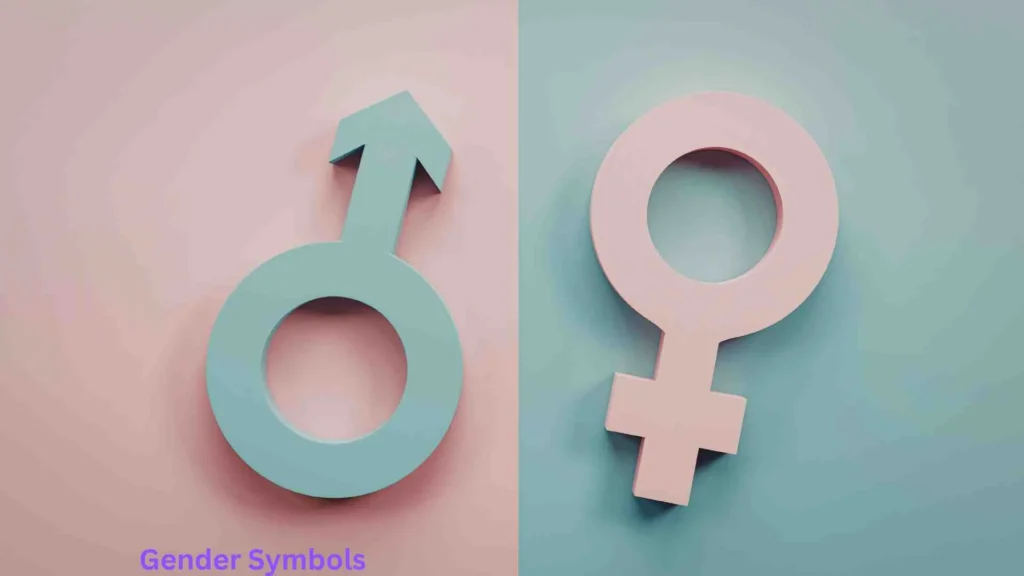
Gender symbols are visual signs used to represent different genders, identities, and biological sexes.
In short, gender symbols help people quickly understand identity, expression, and roles in society.
From ancient astronomy to modern social movements, these symbols have evolved to reflect changing ideas about gender.
Today, they play an important role in communication, inclusion, and self-expression.
What Are Gender Symbols?
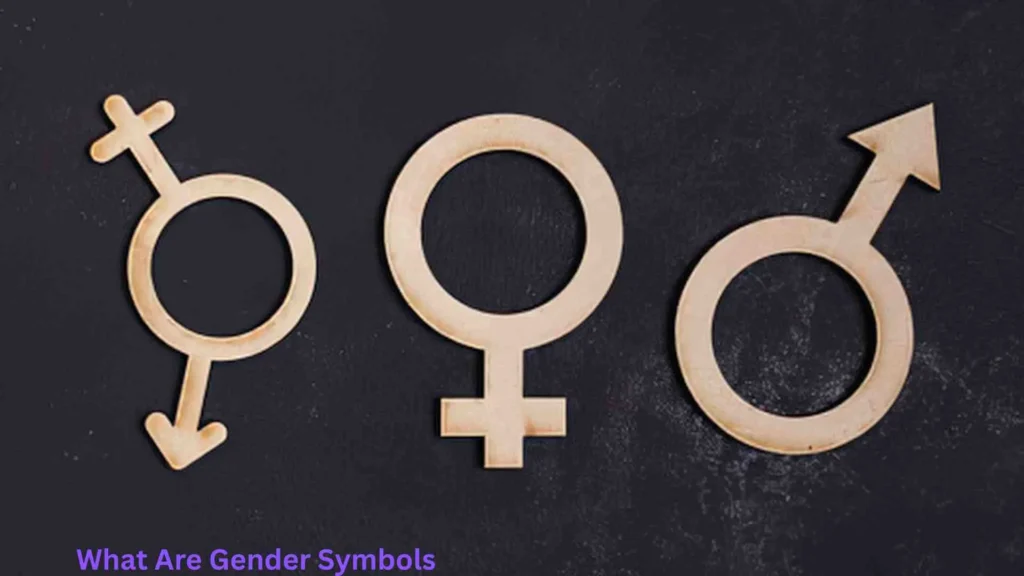
Gender symbols are icons or graphical representations that indicate gender identity or biological sex. The most common ones are:
- ♂ Male symbol
- ♀ Female symbol
- ⚧ Transgender symbol
- ⚲ ⚳ ⚴ (variations for non-binary identities)
These symbols are used in science, healthcare, social media, education, and public spaces to communicate gender-related information clearly.
History of Gender Symbols
Origins in Ancient Astronomy
Gender symbols originally came from astronomy and alchemy:
- The male symbol (♂) represents the planet Mars.
- The female symbol (♀) represents the planet Venus.
Ancient scholars linked these planets to masculine and feminine traits:
- Mars = strength, war, masculinity
- Venus = beauty, love, femininity
Adoption in Biology
In the 18th century, scientists began using these symbols to represent male and female organisms in biology.
Modern Expansion
As society began recognizing diverse gender identities, new symbols were created to reflect:
- Transgender identities
- Non-binary identities
- Gender fluidity
Common Gender Symbols and Their Meanings
Male Symbol (♂)
- Circle with an arrow pointing outward
- Represents masculinity, strength, and action
- Widely used in:
- Biology
- Public restrooms
- Medical records
Female Symbol (♀)
- Circle with a small cross below
- Represents femininity, fertility, and life
- Common in:
- Healthcare
- Education
- Social contexts
Transgender Symbol (⚧)
- Combination of male and female symbols
- Represents transition and identity diversity
Non-Binary Symbols
- Include multiple variations
- Represent identities outside traditional male/female categories
Evolution of Gender Symbols in Society
From Binary to Inclusive
Originally, gender symbols only represented male and female. Today, they include:
- Non-binary
- Genderqueer
- Genderfluid
- Agender
Influence of Social Movements
Movements advocating for gender equality and LGBTQ+ rights played a major role in expanding these symbols.
Practical Uses of Gender Symbols
1. Healthcare and Medicine
Gender symbols are used to:
- Identify patient sex in records
- Track medical data
- Improve communication among professionals
2. Education
In schools and textbooks, gender symbols help explain:
- Reproductive biology
- Genetics
- Social studies topics
3. Public Facilities
You often see gender symbols on:
- Restrooms
- Changing rooms
- Public signage
4. Digital Communication
Gender symbols are widely used in:
- Social media bios
- Messaging apps
- Online forms
5. Fashion and Branding
Some brands use gender symbols to:
- Promote inclusivity
- Appeal to diverse audiences
Gender Symbols in Modern Culture
Social Media Influence
Platforms like Instagram and Twitter allow users to include gender symbols in:
- Profiles
- Usernames
- Posts
This helps people express identity openly.
Pop Culture and Media
Gender symbols appear in:
- Movies
- Music videos
- Art and design
They often represent themes of identity, freedom, and diversity.
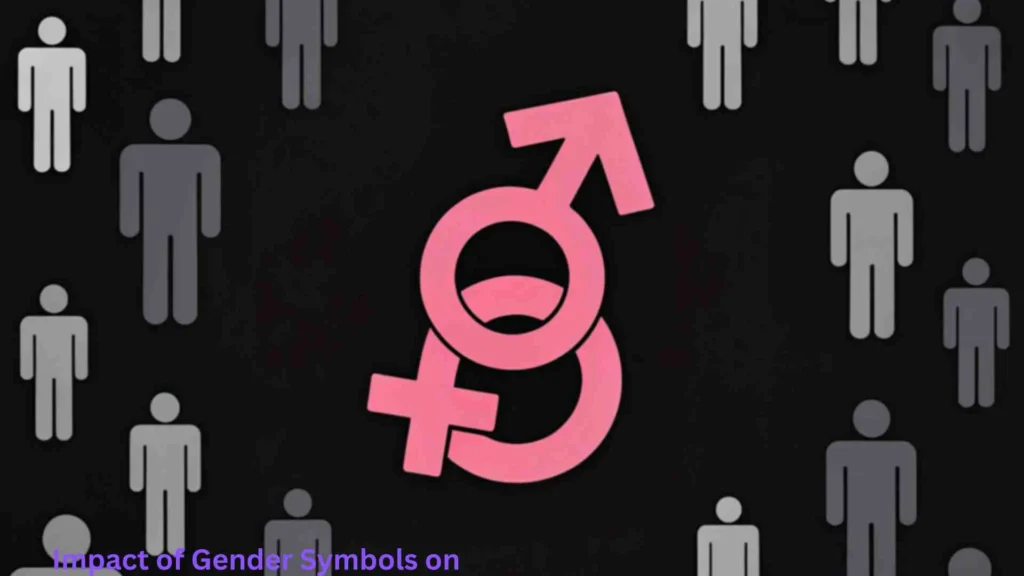
Impact of Gender Symbols on Society
1. Promoting Awareness
Gender symbols help educate people about:
- Different identities
- Gender diversity
- Social acceptance
2. Encouraging Inclusivity
Inclusive symbols make individuals feel:
- Seen
- Respected
- Represented
3. Supporting Equality
They contribute to:
- Gender equality movements
- Anti-discrimination efforts
4. Simplifying Communication
Instead of long explanations, symbols provide quick understanding.
Interesting Facts About Gender Symbols
- The male symbol is sometimes called the “shield and spear” of Mars.
- The female symbol is also known as the “mirror of Venus”.
- Some symbols combine multiple elements to represent fluid identities.
- Gender symbols are used in genetics charts and family trees.
- Unicode has standardized many gender symbols for global use.
Gender Symbols in Different Cultures
Western Cultures
- Focus on male/female symbols
- Increasing use of inclusive symbols
Asian Cultures
- Traditionally less symbol-based
- More focus on social roles
Indigenous Cultures
Some cultures historically recognized:
- Third gender roles
- Unique identity systems
Challenges and Misunderstandings
1. Lack of Awareness
Many people still don’t understand:
- Non-binary symbols
- Their meanings
2. Misuse
Incorrect use of gender symbols can lead to:
- Confusion
- Offense
3. Cultural Differences
Not all symbols have the same meaning worldwide.
Future of Gender Symbols
More Inclusivity
Expect:
- New symbols for evolving identities
- Wider acceptance in society
Digital Integration
Gender symbols will likely be:
- Integrated into apps
- Used in AI systems
- Standard in global communication
Practical Examples in Daily Life
Example 1: Social Media Profile
A user adds ⚧ to show they are transgender.
Example 2: Hospital Records
Doctors use ♂ or ♀ to indicate biological sex.
Example 3: Public Signs
Airports use gender symbols for restrooms.
Example 4: School Education
Teachers use symbols to explain genetics.
Benefits of Understanding Gender Symbols
- Improves communication
- Promotes respect and empathy
- Reduces misunderstandings
- Supports inclusivity
- Enhances education
Frequently Asked Questions (FAQs)
1. What are gender symbols used for?
Gender symbols are used to represent gender identity or biological sex in communication, education, and public spaces.
2. What does the male symbol mean?
The male symbol (♂) represents masculinity and is derived from the planet Mars.
3. What does the female symbol represent?
The female symbol (♀) represents femininity and is associated with the planet Venus.
4. Are there symbols for non-binary genders?
Yes, there are several symbols designed to represent non-binary and gender-diverse identities.
5. Why are gender symbols important today?
They promote awareness, inclusivity, and clear communication in modern society.
Conclusion
Gender symbols have come a long way from their origins in ancient astronomy to becoming powerful tools of identity and expression in modern society.
They help simplify communication, promote inclusivity, and reflect the diversity of human experiences.
As the world continues to evolve, gender symbols will play an even bigger role in shaping a more understanding and respectful global community.

Elliot Kensington
Elliot Kensington is a storyteller at heart, always fascinated by the hidden corners of human imagination. From a young age, he found comfort in books and the worlds they created, inspiring him to craft tales that blend emotion, suspense, and wonder. His writing journey began with short stories that captured fleeting moments of life, and over time, evolved into novels that explore both the extraordinary and the everyday. Elliot believes that every story holds a piece of the soul, and his mission is to connect readers to those moments that linger long after the last page. When he’s not writing, he enjoys exploring nature, capturing moments through photography, and seeking inspiration in the little things.
Books by Elliot Kensington:
-
Shadows of Tomorrow
-
The Whispering Path