
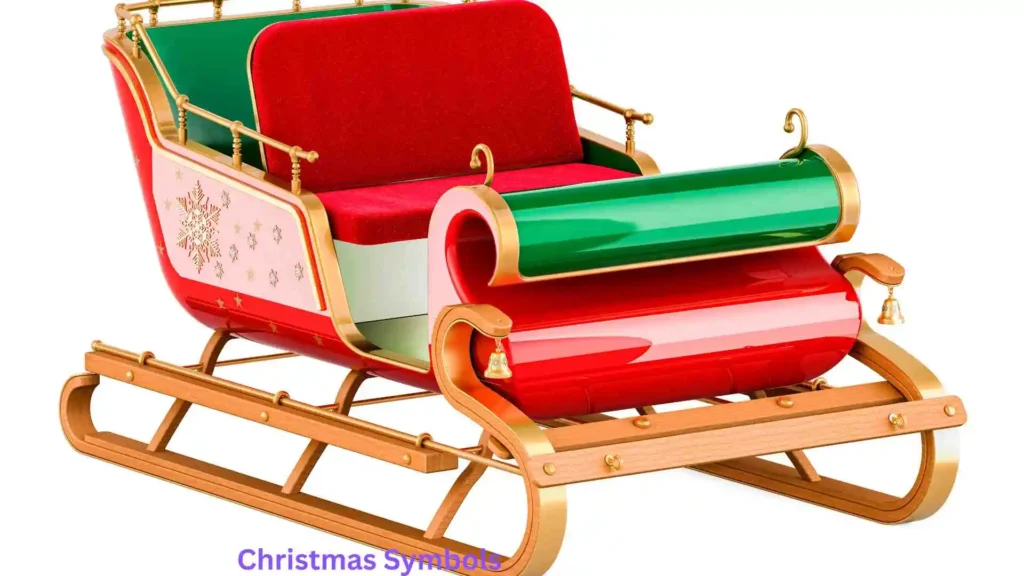
Christmas symbols are special signs and decorations that represent the spirit, traditions, and meaning of Christmas.
In short, Christmas symbols help people celebrate joy, love, and togetherness during the holiday season.
From the glowing Christmas tree to the cheerful Santa Claus, these symbols are seen everywhere and make the celebration magical and meaningful.
What Are Christmas Symbols?
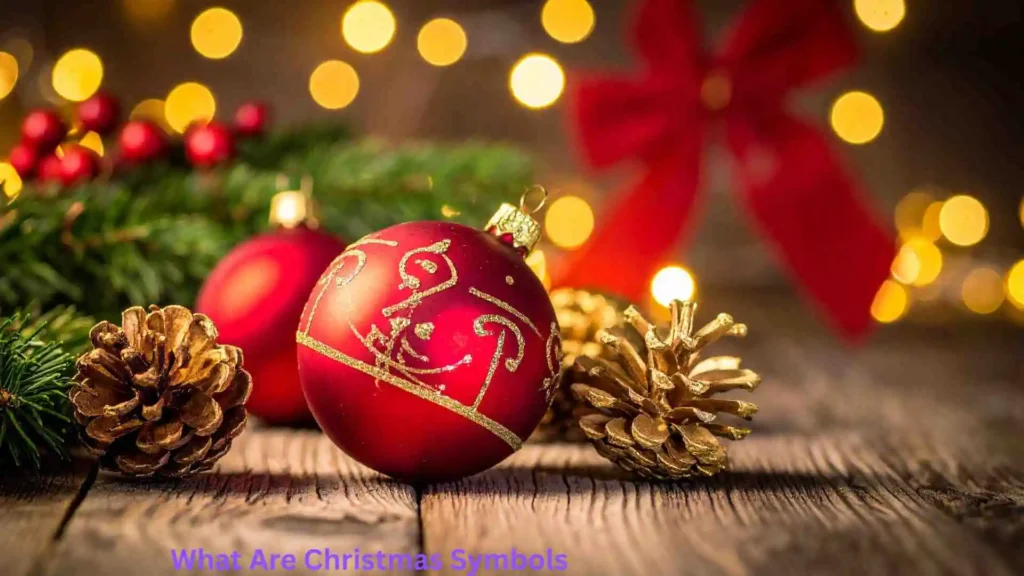
Christmas symbols are objects, images, or signs that represent the traditions, values, and religious meaning of Christmas. They are used in:
- Decorations
- Religious celebrations
- Gifts and greetings
- Cultural traditions
These symbols help people express joy, hope, generosity, and faith.
Why Christmas Symbols Are Important
Christmas symbols play a key role in making the holiday special.
Key Reasons
- Help people connect with traditions
- Create a festive atmosphere
- Teach values like kindness and giving
- Bring families and communities together
The Most Popular Christmas Symbols and Their Meanings
1. Christmas Tree 🎄
The Christmas tree is one of the most recognized Christmas symbols.
Meaning
- Represents life and hope
- Evergreen trees stay green all year, symbolizing eternal life
History
- Originated in Germany in the 16th century
- Decorated with candles, fruits, and later ornaments
Modern Use
- Decorated with lights, ornaments, and stars
- Placed in homes, malls, and public places
2. Santa Claus 🎅
Santa Claus is a beloved figure associated with gift-giving.
Meaning
- Represents generosity and kindness
- Inspired by Saint Nicholas, known for helping the poor
Fun Fact
- Santa’s red suit became popular through advertisements in the 20th century
3. Christmas Star ⭐
The Christmas star symbolizes the Star of Bethlehem.
Meaning
- Represents guidance, hope, and light
- Led wise men to the birthplace of Jesus
Use
- Placed on top of Christmas trees
- Used in decorations and lights
4. Christmas Lights ✨
Lights are a major part of Christmas celebrations.
Meaning
- Symbolize light over darkness
- Represent joy and positivity
Modern Use
- Used on trees, homes, streets, and buildings
5. Nativity Scene (Crib) 🐑
The nativity scene shows the birth of Jesus.
Meaning
- Represents humility, faith, and love
Elements
- Baby Jesus
- Mary and Joseph
- Shepherds and animals
6. Christmas Wreath 🎀
A circular decoration made of evergreen branches.
Meaning
- Symbolizes eternity and unity
- Circle has no beginning or end
Use
- Hung on doors
- Decorated with ribbons and lights
7. Candy Cane 🍬
A sweet treat shaped like a cane.
Meaning
- Represents shepherd’s staff
- Red and white colors symbolize sacrifice and purity
8. Bells 🔔
Bells are often heard during Christmas.
Meaning
- Represent joy and celebration
- Announce the arrival of the holiday season
9. Gifts 🎁
Gift-giving is central to Christmas.
Meaning
- Symbolizes love, sharing, and generosity
- Inspired by gifts given to baby Jesus
10. Snowman ⛄
A fun winter symbol.
Meaning
- Represents joy, fun, and childhood memories
Historical Origins of Christmas Symbols
Christmas symbols come from a mix of:
- Christian traditions
- Ancient winter festivals
- Cultural practices from different countries
Example Story: Saint Nicholas
Over time, his story evolved into the modern Santa Claus.
Religious Meaning Behind Christmas Symbols
Many Christmas symbols have deep religious roots.
1. Birth of Jesus
- Nativity scenes tell the story
- Star symbolizes divine guidance
2. Light and Hope
- Candles and lights represent Jesus as the “light of the world”
3. Love and Giving
- Gifts symbolize kindness and generosity
Practical Uses of Christmas Symbols
1. Home Decoration
- Trees, lights, and wreaths create a festive environment
2. Celebrations and Events
- Used in parties, church services, and parades
3. Education
- Teach children about traditions and values
4. Marketing and Business
- Used in advertisements and promotions
Impact of Christmas Symbols on Society
1. Bringing People Together
- Encourage family gatherings
- Strengthen community bonds
2. Promoting Generosity
- Inspire charity and giving
- Support those in need
3. Cultural Exchange
- Shared globally across cultures
- Blend of traditions from different regions
Christmas Symbols Around the World

United States & Europe
- Focus on Santa Claus and Christmas trees
Asia
- More focus on decorations and celebrations
Latin America
- Strong emphasis on nativity scenes
Interesting Facts About Christmas Symbols
- The first artificial Christmas trees were made in Germany
- Candy canes were originally straight sticks
- The largest Christmas tree ever displayed was over 200 feet tall
- Christmas lights were first used in the 1880s
- Santa Claus has different names around the world
Modern Trends in Christmas Symbols
Eco-Friendly Decorations
- Reusable ornaments
- Sustainable trees
Digital Celebrations
- Virtual Christmas cards
- Online gift exchanges
Benefits of Understanding Christmas Symbols
- Helps appreciate traditions
- Encourages kindness and sharing
- Strengthens cultural knowledge
- Enhances festive experience
- Promotes unity and happiness
Frequently Asked Questions (FAQs)
1. What are Christmas symbols?
Christmas symbols are objects and signs that represent the traditions and meaning of Christmas.
2. Why is the Christmas tree important?
It symbolizes life, hope, and eternal strength.
3. Who is Santa Claus based on?
Santa Claus is inspired by Saint Nicholas, known for his generosity.
4. What does the Christmas star represent?
It represents guidance and the birth of Jesus.
5. Why are gifts given at Christmas?
They symbolize love and the spirit of giving.
Conclusion
Christmas symbols are more than decorations they are powerful reminders of joy, love, and togetherness.
Each symbol, from the glowing tree to the ringing bells, carries deep meaning and tradition. By understanding these symbols, we can celebrate Christmas in a more meaningful way and share its spirit with others.

Elliot Kensington
Elliot Kensington is a storyteller at heart, always fascinated by the hidden corners of human imagination. From a young age, he found comfort in books and the worlds they created, inspiring him to craft tales that blend emotion, suspense, and wonder. His writing journey began with short stories that captured fleeting moments of life, and over time, evolved into novels that explore both the extraordinary and the everyday. Elliot believes that every story holds a piece of the soul, and his mission is to connect readers to those moments that linger long after the last page. When he’s not writing, he enjoys exploring nature, capturing moments through photography, and seeking inspiration in the little things.
Books by Elliot Kensington:
-
Shadows of Tomorrow
-
The Whispering Path