Catholic symbols are visual signs used in the Catholic faith to express spiritual beliefs, teachings, and traditions.
These symbols help believers understand important ideas about God, faith, and salvation. From the cross and crucifix to the dove and rosary, Catholic symbols have deep meaning and are used in churches, art, and daily prayer.
Learning about these symbols can help people better understand the rich history and spiritual message of the Catholic Church.
What Are Catholic Symbols?
Catholic symbols are visual representations of faith, teachings, and sacred beliefs in Christianity, especially within the Catholic tradition. They are used in church buildings, religious art, prayer items, and ceremonies to help believers remember important spiritual truths.
Symbols are important in religion because they communicate ideas that may be difficult to explain with words alone. In Catholicism, symbols connect believers with biblical teachings, history, and spiritual reflection.
Why Symbols Matter in Catholicism
Catholic symbols play an important role in helping people understand faith.
- They teach spiritual lessons through visual images.
- They connect believers to history and tradition.
- They create a sense of identity within the Catholic community.
- They encourage prayer and reflection.
For example, when someone sees a crucifix in a church, it immediately reminds them of Jesus Christ’s sacrifice and love for humanity.
The Historical Origins of Catholic Symbols
Many Catholic symbols come from ancient Christianity and biblical traditions. Early Christians often used symbols secretly during times when their faith was persecuted.
Early Christian Symbols
In the early centuries of Christianity, believers used symbols instead of public statements of faith.
Some early symbols included:
- The fish symbol (Ichthys) used to identify Christians secretly.
- The anchor, representing hope and stability in faith.
- The chi-rho symbol, an early monogram of Christ.
These symbols helped believers communicate faith safely and share spiritual messages.
Development Through Church History
As Christianity spread throughout Europe and the world, symbols became more common in:
- Church architecture
- Religious paintings and sculptures
- Prayer objects and devotional items
Over centuries, these symbols became powerful teaching tools in Catholic life.
The Cross | The Most Important Catholic Symbol
The cross is the most widely recognized symbol in Christianity and especially in the Catholic Church.
It represents the crucifixion of Jesus Christ and the salvation offered through His sacrifice.
Meaning of the Cross
The cross reminds believers of several important spiritual truths:
- God’s love for humanity
- Jesus’ sacrifice for sins
- The hope of resurrection and eternal life
Because of its meaning, the cross appears in churches, jewelry, prayer books, and religious art.
Cross vs. Crucifix
A cross and a crucifix look similar but have an important difference.
- Cross – a simple cross without the figure of Jesus.
- Crucifix – a cross that includes the body of Jesus Christ.
Catholic churches usually display a crucifix, which emphasizes Christ’s sacrifice.
The Crucifix: Symbol of Christ’s Sacrifice
The crucifix is one of the most meaningful Catholic symbols.
It shows Jesus Christ on the cross, reminding believers of His suffering and love.
Spiritual Meaning of the Crucifix
For Catholics, the crucifix represents:
- Redemption from sin
- Christ’s victory over death
- God’s unconditional love
Many Catholics keep a crucifix in their homes as a reminder of faith and prayer.
The Rosary | A Symbol of Prayer and Devotion
The rosary is both a prayer tool and a powerful Catholic symbol.
It consists of beads used to guide believers through a series of prayers and meditations about the life of Jesus and Mary.
How the Rosary Is Used
Catholics pray the rosary by repeating certain prayers while moving through the beads.
Common prayers include:
- The Our Father
- The Hail Mary
- The Glory Be
Each section encourages reflection on important moments in the life of Christ and the Virgin Mary.
Benefits of Praying the Rosary
Many Catholics believe the rosary helps them:
- Focus their mind during prayer
- Feel closer to God
- Reflect on important events in the Bible
The Dove | Symbol of the Holy Spirit
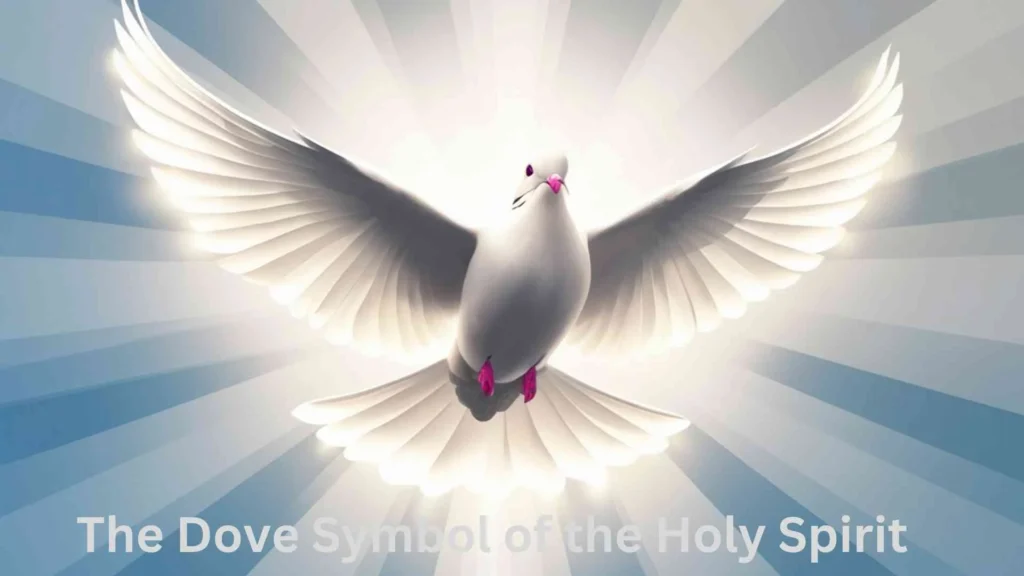
The dove is a symbol of the Holy Spirit in Christian tradition.
It comes from the story of Jesus’ baptism, when the Holy Spirit descended like a dove.
Meaning of the Dove
The dove represents:
- Peace
- God’s presence
- Spiritual guidance
Because of this meaning, the dove often appears in church windows, paintings, and religious decorations.
The Sacred Heart of Jesus
The Sacred Heart is a symbol that represents Jesus’ love and compassion for humanity.
This symbol usually shows a heart surrounded by thorns, flames, and a cross.
Symbolism of the Sacred Heart
Each part of the symbol has meaning:
- The heart represents love.
- The thorns represent suffering.
- The flames represent divine love.
- The cross represents sacrifice.
Many Catholics pray to the Sacred Heart as a sign of devotion to Jesus’ mercy and compassion.
The Alpha and Omega
The Alpha and Omega are the first and last letters of the Greek alphabet.
In Christian symbolism, they represent God’s eternal nature.
Meaning in the Bible
In the Book of Revelation, God says:
“I am the Alpha and the Omega.”
This means God is the beginning and the end of everything.
Because of this meaning, the symbol often appears in church art and religious decorations.
The Ichthys (Fish Symbol)
The fish symbol, called Ichthys, was used by early Christians.
The word “Ichthys” forms an acronym in Greek that means:
Jesus Christ, Son of God, Savior.
Historical Use of the Fish Symbol
During times of persecution, Christians used the fish symbol to secretly identify each other.
Today, the fish remains a popular Christian symbol used in art, jewelry, and decorations.
The Lamb of God
The Lamb of God is a symbol representing Jesus Christ.
It comes from the biblical idea of Jesus as a sacrificial lamb who takes away the sins of the world.
Meaning of the Lamb Symbol
The lamb represents:
- Innocence
- Sacrifice
- Redemption
In many churches, artwork shows a lamb carrying a banner of victory, symbolizing Christ’s triumph over death.
Catholic Symbols in Church Architecture
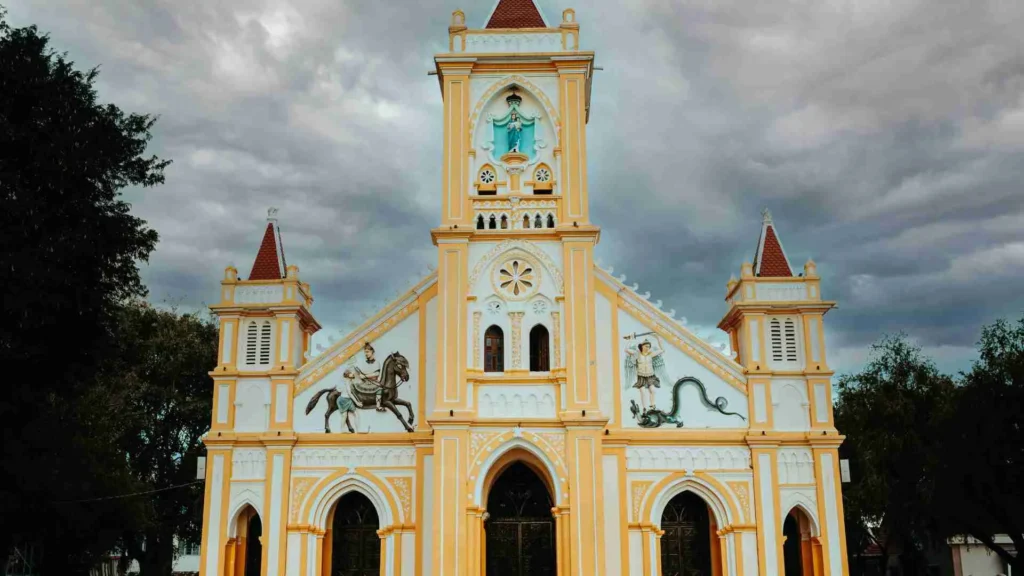
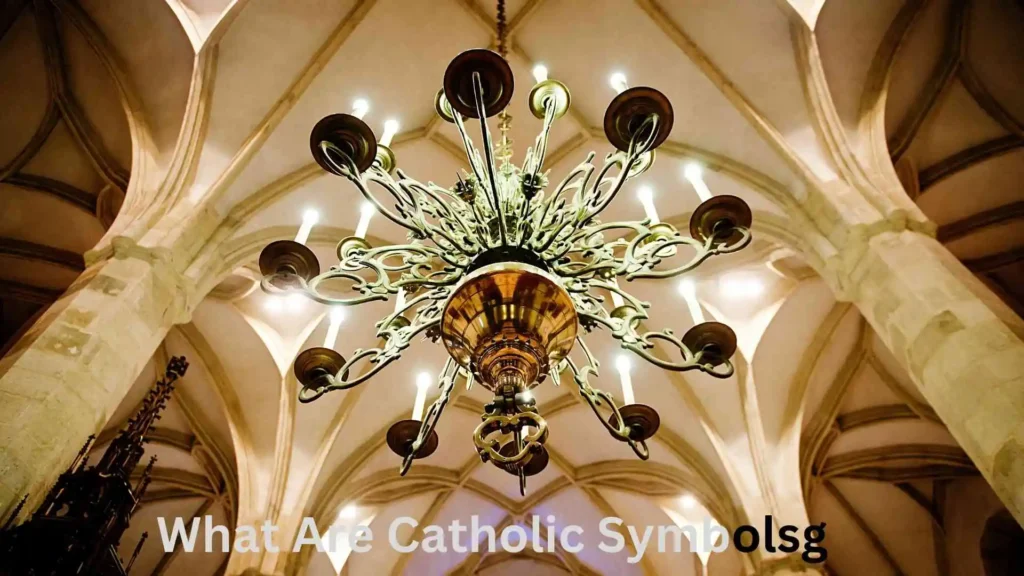
Catholic churches often include symbols in their design.
Common Symbols in Churches
You may find:
- Crosses and crucifixes
- Stained glass windows with biblical scenes
- Statues of saints
- Symbols like doves, lambs, and crowns
These decorations help create an atmosphere that encourages prayer and reflection.
Catholic Symbols in Everyday Life
Catholic symbols are not only found in churches but also in daily life.
Examples of Everyday Catholic Symbols
Many Catholics use symbols through:
- Wearing cross necklaces
- Keeping rosaries at home
- Displaying religious images
- Using prayer cards
These items remind believers to stay connected to their faith throughout the day.
Cultural Impact of Catholic Symbols
Catholic symbols have influenced art, architecture, literature, and culture for centuries.
Influence on Art and History
Some famous examples include:
- Paintings by Renaissance artists
- Sculptures in European cathedrals
- Religious literature and poetry
These works use symbols to communicate spiritual themes and moral lessons.
Benefits of Religious Symbols for Society
Religious symbols provide more than decoration. They serve important social and spiritual roles.
Positive Impacts
Catholic symbols help:
- Preserve historical traditions
- Teach religious values
- Inspire acts of compassion and kindness
- Strengthen community identity
For many people, these symbols act as daily reminders of hope, faith, and love.
Interesting Facts About Catholic Symbols
Here are some surprising facts about Catholic symbols:
- The cross was not widely used as a Christian symbol until the 4th century.
- The rosary became popular during the Middle Ages.
- Many stained glass windows tell entire biblical stories through symbols.
- Catholic symbols often combine art, theology, and cultural history.
These facts show how symbols have developed over thousands of years of Christian tradition.
Frequently Asked Questions
What are Catholic symbols?
Catholic symbols are visual signs used in the Catholic Church to represent spiritual beliefs, teachings, and traditions. Examples include the cross, rosary, and dove.
Why are Catholic symbols important?
They help believers understand faith, remember biblical teachings, and strengthen spiritual connection with God.
What is the most common Catholic symbol?
The cross or crucifix is the most widely recognized Catholic symbol because it represents Jesus Christ’s sacrifice and salvation.
What does the dove symbolize in Catholicism?
The dove represents the Holy Spirit, peace, and God’s presence.
Why do Catholics use the rosary?
Catholics use the rosary to pray, meditate on the life of Jesus, and grow spiritually through repeated prayers.
Conclusion
Catholic symbols are powerful visual expressions of faith, history, and spiritual meaning. From the cross and crucifix to the rosary and dove, each symbol carries deep significance rooted in biblical teachings and centuries of tradition.
These symbols help believers understand their faith, remember God’s love, and connect with the Christian community. They appear in churches, homes, art, and everyday life, reminding people of hope, sacrifice, and divine guidance.
By learning about Catholic symbols, we gain a deeper appreciation for the rich heritage and spiritual message of the Catholic Church.

Elliot Kensington
Elliot Kensington is a storyteller at heart, always fascinated by the hidden corners of human imagination. From a young age, he found comfort in books and the worlds they created, inspiring him to craft tales that blend emotion, suspense, and wonder. His writing journey began with short stories that captured fleeting moments of life, and over time, evolved into novels that explore both the extraordinary and the everyday. Elliot believes that every story holds a piece of the soul, and his mission is to connect readers to those moments that linger long after the last page. When he’s not writing, he enjoys exploring nature, capturing moments through photography, and seeking inspiration in the little things.
Books by Elliot Kensington:
-
Shadows of Tomorrow
-
The Whispering Path